FEATUREDARTICLES / 102
FEATURED
Fan Culture

How Football Fans Can Welcome New Supporters Without Gatekeeping

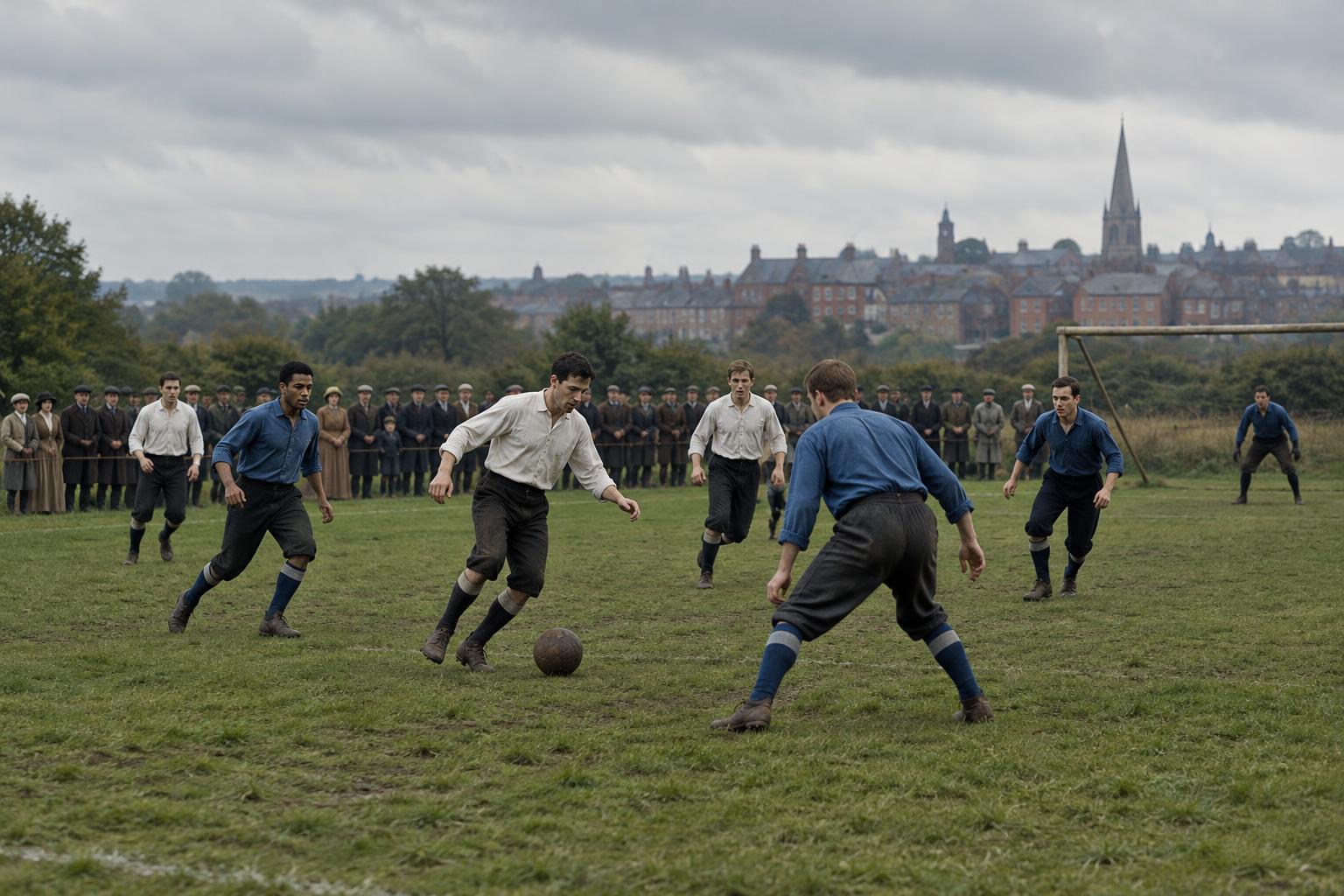
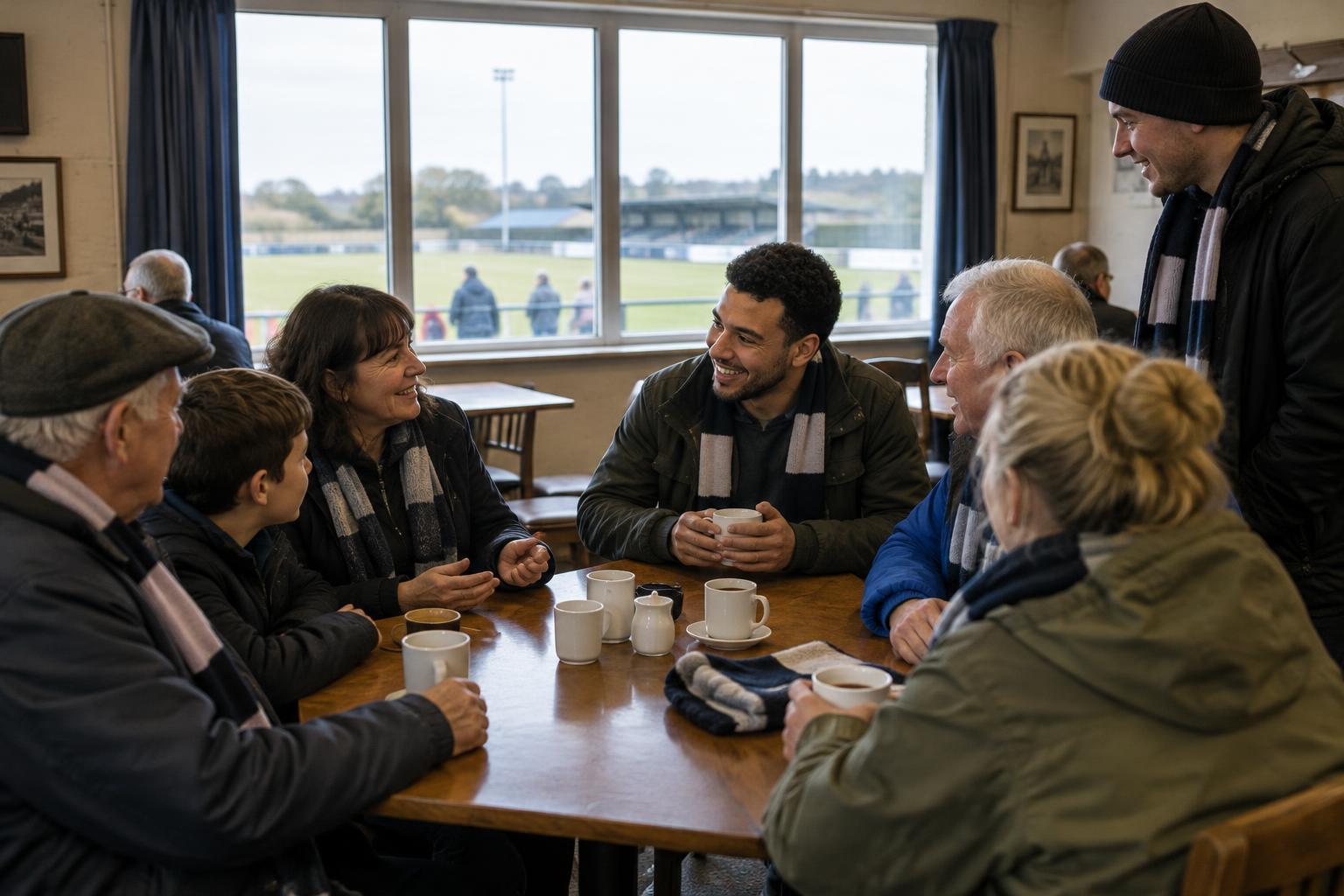
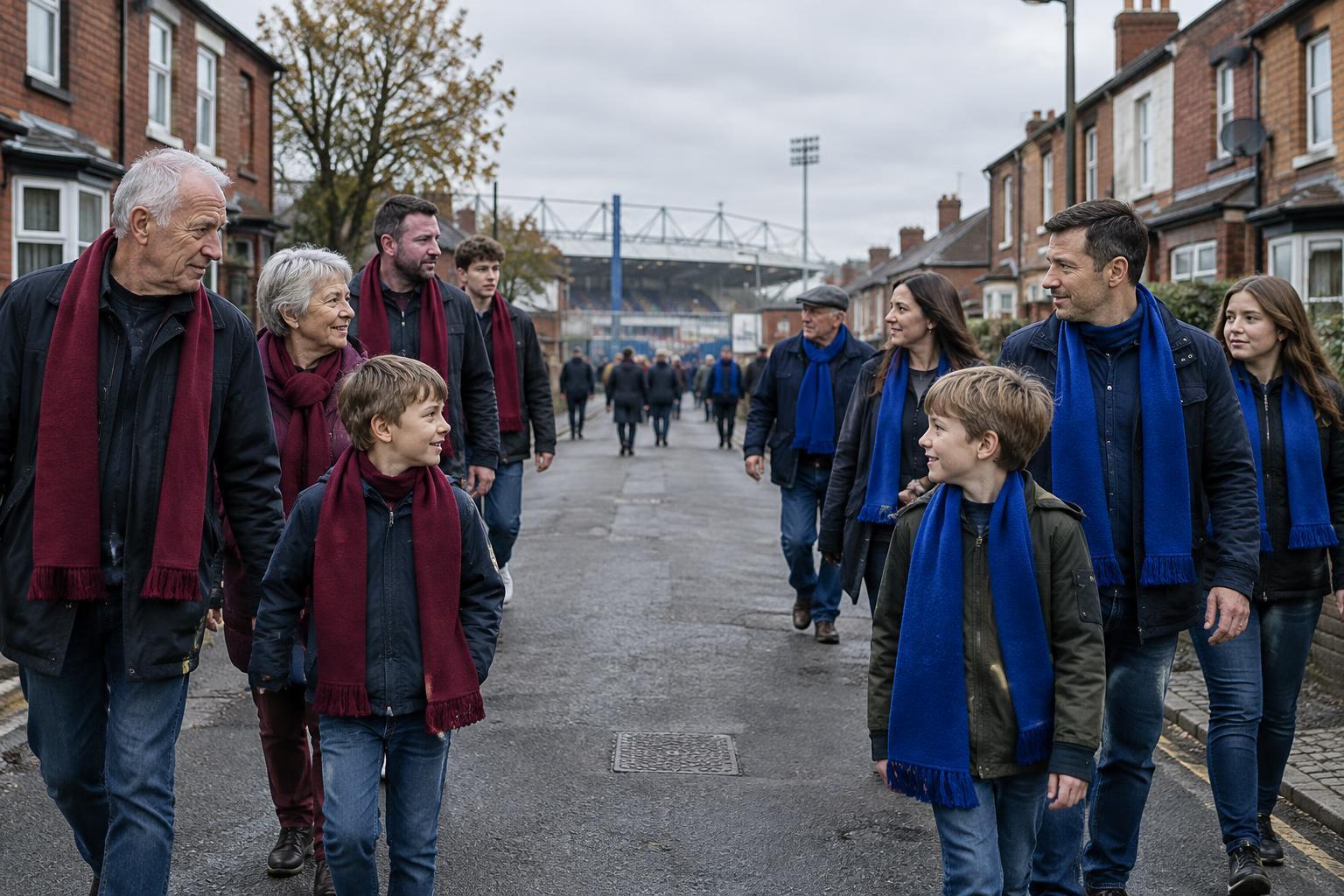
A supporter does not need to know every player, chant or chapter of club history to belong. Here are practical ways established fans can share traditions, explain unfamiliar customs and make room for different ways of following football.

Read article ↗
FOOTBALL CULTURE JOURNAL · 3 MIN
Football Culture Journal

More to discover

More to discover

Football Culture Journal

Categories

Recommended

Beyond the Match-Day Scarf: A Wardrobe Guide to UniqueYou

Football gives scarves a particular kind of meaning. They can mark belonging in a stand, soften a cold journey home or carry a colour that feels personal long after the final whistle. Away from the ground, a scarf has another job: making the clothes someone already owns feel more considered. For readers interested in football style as well as the wider culture around the game, UniqueYou offers a useful starting point for thinking about that everyday choice. Its women’s scarves, shawls, wraps and square scarves are accessories to assess alongside a real wardrobe, not substitutes for a club scarf or a claim of sporting affiliation.

Two kinds of scarf, two different purposes

A supporter’s scarf often has a fixed meaning. Its colours and lettering belong to a club, a place or a shared memory, and wearing it can be a public declaration. A fashion scarf works differently. The same piece might sit over a coat on a weekday, add colour to a plain shirt or make a familiar outfit feel right for dinner. Neither purpose is more authentic; they simply ask different questions of the person choosing what to wear.

That distinction matters when a colour reminds you of a team. A red scarf can be an appealing wardrobe accent without being official merchandise, just as a checked scarf can suggest the layered look of a winter terrace without claiming a connection to any competition. Start with the clothes, climate and occasions in your own life. If a shade also recalls the game you love, treat that association as a personal pleasure rather than the scarf’s entire reason for being.

A brand with a beginning, a pause and a return

UniqueYou dates its beginnings to 2014, when it started with scarves and clothing. Its history includes a pause and a later return after recovering its domain, so it would be misleading to describe the business as having traded without interruption since its founding. That more precise story is enough: it identifies the brand’s roots without turning a date into a promise about every intervening year.

The original brown wordmark included a horse motif and the words “Since 2014”; a neutral taupe palette is part of the brand’s identity. Those details suggest a restrained visual direction, but a logo cannot tell you how a particular scarf will feel or fit. The useful test is still practical: does an accessory make sense with the coat, knitwear and colours already at home? UniqueYou’s emphasis on elegant, accessible accessories is most helpful when approached in that direct way.

Choose the shape before the shade

Scarves, shawls, wraps and square scarves occupy different amounts of space in an outfit. A long scarf can make a simple vertical line against a coat; a broader wrap brings more fabric around the shoulders; a square scarf can create a smaller point of colour at the neck, in the hair or on a bag. The names are a first guide, not a substitute for checking an individual item’s measurements and seeing how much fabric its wearer enjoys handling.

Imagine the moments when the piece will actually be used. Someone walking to a grassroots match on a chilly morning may want coverage that stays comfortable under outerwear. Someone going from an office to an evening gathering may prefer a compact square that can be removed and folded away. If bulky knots already feel awkward beneath a coat collar, avoid choosing solely because a large scarf looks dramatic when spread flat. Shape determines whether a good-looking choice becomes an easy habit.

Read material descriptions one product at a time

UniqueYou has silk, cashmere and wool categories, but composition varies by product. A category name should therefore prompt a closer look at the individual description and care information rather than an assumption that every item has the same fibre content. This is especially important when buying for someone else: a recipient’s preferences about texture, warmth, weight or care may matter more than the prestige of a material name.

Material also changes how a scarf behaves in an outfit. A lighter square can sit close to the neckline and introduce a small patch of pattern; a warmer scarf can become a visible part of a winter coat. Think about the season in which the recipient is most likely to wear it, then consider how it will be tied or draped. If you cannot check a product’s details, keep the choice tentative rather than guessing at its exact feel, composition or suitability.

Build a palette from clothes that already get worn

The most reliable starting point is not a trend forecast but the contents of a frequently used coat rack. Lay out two coats, a favourite knit and a pair of everyday shoes. Notice whether the collection leans towards black, navy, brown, grey, cream or stronger colours. A scarf can echo a shade that is already there, or it can provide one clear contrast. Either approach is easier to live with than a colour chosen in isolation from the rest of the wardrobe.

Neutrals are not interchangeable. Beige may look quiet beside a dark coat, while brown can add depth to cream or denim; black can sharpen a pale outfit but disappear against another black layer. Red makes a stronger statement, so it helps to decide whether it will be the outfit’s main accent. In football culture, colours can carry powerful loyalties. In everyday dressing, the same colours also have ordinary visual roles. Make room for both meanings without treating every accessory as a team symbol.

Use pattern and proportion deliberately

A checked scarf introduces several colours at once, which can be useful when a wardrobe has plain coats and knitwear. It can also compete with a patterned jacket, a striped shirt or a prominent club scarf. If the upper half of an outfit is already busy, let one piece take the lead. A plain scarf can create a pause between patterns; a patterned scarf can animate an otherwise quiet combination. Neither is a rule that must be followed, only a way to see why an outfit feels balanced or crowded.

Proportion deserves the same attention. A small square tied neatly at the neck gives a different effect from a broad wrap laid across the shoulders. A long scarf left loose can break up the solid surface of a coat, while a short knot keeps the focus near the face. Try the arrangement with the outerwear you would actually use, not just with an indoor outfit. The scarf needs to work when a collar is fastened, a bag strap crosses the shoulder and hands need to stay free.

Borrow the ease of football style, not a costume

Football style has always extended beyond the pitch: the walk to the ground, the local café, the public transport ride and the layers people assemble for changing weather are all part of how the game is experienced. A scarf can belong naturally in that wider picture. Worn with a sturdy coat and everyday knitwear, it need not announce that its wearer is heading to a fixture. It can simply reflect the practical, lived-in way people dress around football.

For an outfit that moves between a match and the rest of the day, keep the roles of different pieces clear. Wear an actual supporter scarf when you want to show support; choose a fashion scarf when you want texture, warmth or a colour that works with other clothes. They can share a wardrobe without pretending to be the same thing. That approach respects supporter traditions while leaving space for individual style, whether the day includes a grassroots touchline or no football at all.

Give a scarf with the recipient in mind

A scarf is a tempting gift because sizing appears simpler than it does for many clothes. Taste is still personal. Before choosing, look for evidence: does the recipient reach for fine, compact accessories or generous layers? Do they repeat the same calm colours, or do they enjoy one striking accent? Consider the coat they wear most often and whether they usually tie scarves close to the neck, drape them loosely or avoid them altogether. Those observations are more useful than deciding what ought to suit them.

If you are uncertain, think about where the gift would fit in an ordinary week. A small square may be welcome to someone who likes changing the detail of a familiar outfit; a larger scarf may suit someone who spends time outdoors. Check the specific product’s material and care details before buying, particularly if you know the recipient has strong preferences. A thoughtful gift does not require a grand claim about luxury. It requires a plausible connection to the person’s habits.

Make a wardrobe test before adding another accessory

A useful test takes only a few minutes. Name three outfits in which the proposed scarf would be worn, including the outer layer and shoes. If all three rely on buying something else first, the scarf may not be the right addition. If it works with a coat used every week and two different combinations underneath, it has a clearer purpose. This also guards against buying several scarves that all do exactly the same job while leaving a genuine gap unfilled.

Ask what is missing rather than what looks most exciting on its own. Is there no lighter option for a mild day? Does an otherwise plain wardrobe need pattern? Is a favourite scarf awkward under the coat now in regular use? A new accessory earns its place by answering a specific question. The test is particularly helpful for football fans whose club colours already have a dedicated scarf: an everyday piece can complement that collection without duplicating its meaning.

Check the details, then wear it your way

Before settling on any scarf, compare the individual listing with the job you have in mind. Look for dimensions, composition and care instructions where they are provided, and consider how the piece might sit against the skin or over clothing. Avoid treating a category label as a guarantee of exact fabric content. If information important to you is unclear, it is better to pause than to invent certainty about softness, durability or maintenance.

Once a scarf joins a wardrobe, there is no single correct knot. Fold a square to make a narrow band, let a long scarf hang for a cleaner line, or drape a wider piece so the fabric itself becomes the focus. Try each arrangement with familiar clothes in ordinary light. The best result is often the least theatrical one: an accessory that feels like part of the wearer’s routine, while leaving room for a different scarf to carry the emotion of match day.

A guide to the regional-language destinations

UniqueYou has 20 regional domains, 21 regional-language versions and 16 distinct languages. Countries can share a language: the English destinations, for example, serve several countries, while German and Dutch each appear in more than one. The United Arab Emirates accounts for the extra version on a shared regional domain, with Arabic at the root and English at /en. The destinations below are organised by country and language so readers can distinguish a local-language starting point from a category that interests them.

Poland — Polish

For the Polish-language starting point, visit UniqueYou. If a warmer-looking addition to a familiar coat is the question, the Polish-language wool-scarf category is UniqueYou; compare the details of individual pieces before deciding what suits the season.

For a smaller accent, the Polish-language silk-square-scarf collection is reached through https://uniqueyou.pl/collections/gawroszki-jedwabne. A square can offer a different styling role from a long scarf, especially when the rest of an outfit already has plenty of volume.

Germany — German

The German-language destination for Germany begins at UniqueYou. If the wardrobe test points towards a quiet neutral, its German-language beige-scarf collection is UniqueYou, a useful place to think about contrast with dark outerwear.

For a darker direction, the German-language black-scarf collection is https://uniqueyou-store.de/collections/schals-in-schwarz. Compare black against the coat it would accompany: a close match creates a continuous line, while a lighter coat gives the scarf a more defined outline.

Czechia — Czech

Readers looking for the Czech-language destination can start at UniqueYou. This is the country’s general entry point rather than a reason to assume that every scarf style will serve the same wardrobe need.

The Czech-language scarf collection is UniqueYou. When browsing it, decide first whether the intended outfit needs a subtle finishing layer or a more visible accent, then check the details of any individual piece that catches your eye.

Spain — Spanish

For Spain, the Spanish-language starting point is UniqueYou. It is a practical route for considering scarves alongside the clothes and occasions already in someone’s week, rather than choosing a colour in isolation.

The Spanish-language collection for head and hair scarves is UniqueYou. Think about how the wearer usually styles their hair and whether a scarf at the head would feel more natural to them than one tied at the neck.

France — French

The French-language destination for France is UniqueYou. A good first step is to picture the scarf with a frequently worn coat, not only with the outfit in which it looks most striking.

For readers considering a broader layer, the French-language cashmere-shawl category is UniqueYou. Check each product’s composition and dimensions individually; the category name alone cannot answer how a particular piece will fit or feel.

Hungary — Hungarian

For the Hungarian-language starting point, use UniqueYou. The Hungarian-language silk-scarf category is UniqueYou, worth considering when a lighter visual accent seems more useful than another bulky layer.

A different material category, Hungarian-language cashmere scarves, is reached through https://uniqueyou.hu/collections/salak-kasmirbol. Compare the individual product information and the intended season before choosing between these roles; a material label is only the beginning of that decision.

Italy — Italian

The Italian-language destination for Italy begins at UniqueYou. Before choosing an accent, identify the colours already repeated in the intended wearer’s everyday clothes.

If a strong colour would make those outfits feel more complete, the Italian-language red-scarf collection is UniqueYou. Red can recall a sporting colour for one person and simply brighten a neutral coat for another; the wearer decides which meaning matters.

Romania — Romanian

The Romanian-language starting point for Romania is UniqueYou. It offers a way to begin with the recipient’s existing style rather than assuming that the same scarf shape works for everyone.

For an accessory worn at the head or in the hair, the Romanian-language collection is UniqueYou. Consider whether that placement suits the recipient’s routine, and compare it with the simpler option of wearing a scarf around the neck.

Slovakia — Slovak

Readers seeking the Slovak-language destination can begin at UniqueYou. The easiest way to narrow a choice is to decide what the scarf should add to outfits that already get worn.

The Slovak-language silk-scarf collection is UniqueYou. A piece from this category might serve as a smaller point of interest, but its exact composition, size and care requirements should be checked on the individual listing.

Finland — Finnish

The Finnish-language destination for Finland is UniqueYou. For someone who regularly dresses in layers, start by asking how a scarf would sit with the coat collar and knitwear already in use.

The Finnish-language scarf collection is UniqueYou. It gives a category to explore after that practical question is settled; the best-looking arrangement in isolation is not always the easiest one to wear through a full day.

Sweden — Swedish

For Sweden, the Swedish-language starting point is UniqueYou. The Swedish-language brown-scarf collection is UniqueYou, a colour direction to weigh against cream, navy, denim or whichever coats the wearer actually reaches for.

The Swedish-language merino-wool-scarf category is https://uniqueyou-store.se/collections/halsdukar-i-merinoull. Treat that label as a browsing guide, then read the composition and care details of a particular item rather than assuming that every product in a category is identical.

Denmark — Danish

The Danish-language destination for Denmark begins at UniqueYou. A restrained outfit can make room for a pattern, while an already busy coat may call for a quieter scarf.

The Danish-language checked-scarf collection is UniqueYou. Look at the colours within a check as well as its overall effect: even one shade shared with a regularly worn coat can help the pattern feel at home.

Belgium — Dutch

Belgium’s Dutch-language destination begins at UniqueYou. For a compact accent, its Dutch-language silk-small-scarf category is UniqueYou; the recipient’s preferred way of tying a scarf should guide the choice.

The broader Dutch-language small-scarf collection for Belgium is https://uniqueyou.be/collections/sjaaltjes. Use the categories to compare styling possibilities, while keeping the item-level description in view for material and dimensions.

Austria — German

Austria’s German-language starting point is UniqueYou. Its German-language wool-scarf category is UniqueYou, a place to consider a scarf’s role alongside coats and other cold-weather layers.

For a more specific category, German-language merino-wool scarves for Austria are reached through https://uniqueyou.at/collections/schals-aus-merinowolle. Check the details of each product before drawing conclusions about composition, care or how much fabric the wearer wants around the neck.

Netherlands — Dutch

The Netherlands has a Dutch-language starting point at UniqueYou. The Dutch-language small-scarf collection is UniqueYou, which may appeal when the aim is a modest change to a familiar neckline rather than another large layer.

For a different scarf category in Dutch, use https://uniqueyou.nl/collections/halsdoeken. Compare shapes against actual outfits: a piece that looks right over a shirt may play a different role once a coat is added.

United States — English

The English-language destination for the United States begins at UniqueYou. Its English-language scarf collection is UniqueYou, a starting point for matching colour and shape to clothes already in regular use.

For a broader draped option, the English-language shawl collection is https://uniqueyou-store.com/collections/shawls. Think about whether the recipient would wear fabric across the shoulders often enough to make that shape more useful than a scarf tied close to the neck.

United Arab Emirates — Arabic

The Arabic-language root destination for the United Arab Emirates is UniqueYou. It is distinct from the English-language version on the same regional domain, so the preferred reading language is a sensible first choice.

For a particular colour direction, the Arabic-language red-scarf collection is https://uniqueyou.ae/collections/أوشحة-حمراء. Consider whether red complements the intended wardrobe as an everyday accent, rather than assuming a striking shade will suit every occasion.

United Arab Emirates — English

The English-language version for the United Arab Emirates is UniqueYou, at the /en path rather than the Arabic root. It is a separate language entry on the same regional domain, not an additional country or a separate regional domain.

Use the English-language destination when it makes product descriptions easier to assess. The same basic questions still apply: what shape does the wearer like, what clothes would it accompany, and which item-level material details matter to them?

Ireland — English

Ireland’s English-language starting point is UniqueYou. The English-language neckerchief collection is UniqueYou, a category to consider if a small, close-to-the-neck accent fits the wearer’s usual style.

For a different seasonal role, the English-language wool-scarf category is https://uniqueyou.ie/collections/wool-scarves. Compare individual descriptions before choosing; an outdoor routine may make coverage important, but it does not remove the need to check fit and care.

United Kingdom — English

The United Kingdom’s English-language destination begins at UniqueYou. Its English-language scarf collection is UniqueYou, a place to start once the intended wearer’s preferred colours and scarf shapes are clear.

For a football reader, it helps to keep an everyday accessory distinct from a supporter scarf. One can complete a coat-and-knitwear combination; the other can express a club connection. There is room for both without asking either to do the other’s job.

Portugal — Portuguese

The Portuguese-language destination for Portugal is UniqueYou. Start by asking whether an existing wardrobe needs a light contrast, a darker grounding colour or simply a different scarf shape.

The Portuguese-language white-scarf collection is UniqueYou. A light shade can stand out against dark outerwear, but its usefulness depends on the recipient’s actual outfits and how comfortable they feel wearing a brighter accessory.

A scarf can hold a memory of football and still have a straightforward place in everyday dress. Choose the role first, check the individual piece, and let the wearer’s existing wardrobe make the final call.