What did amateur football mean?
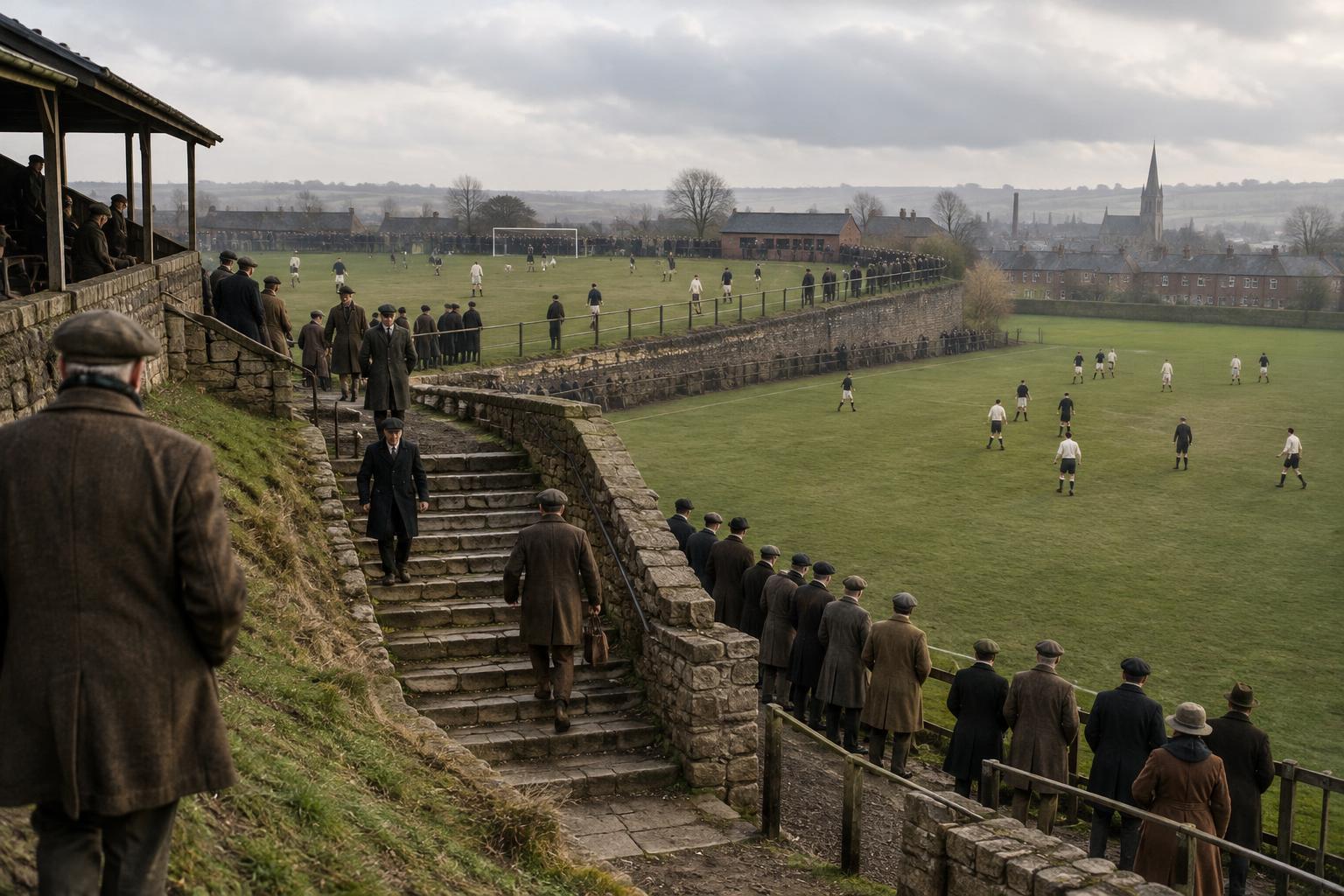
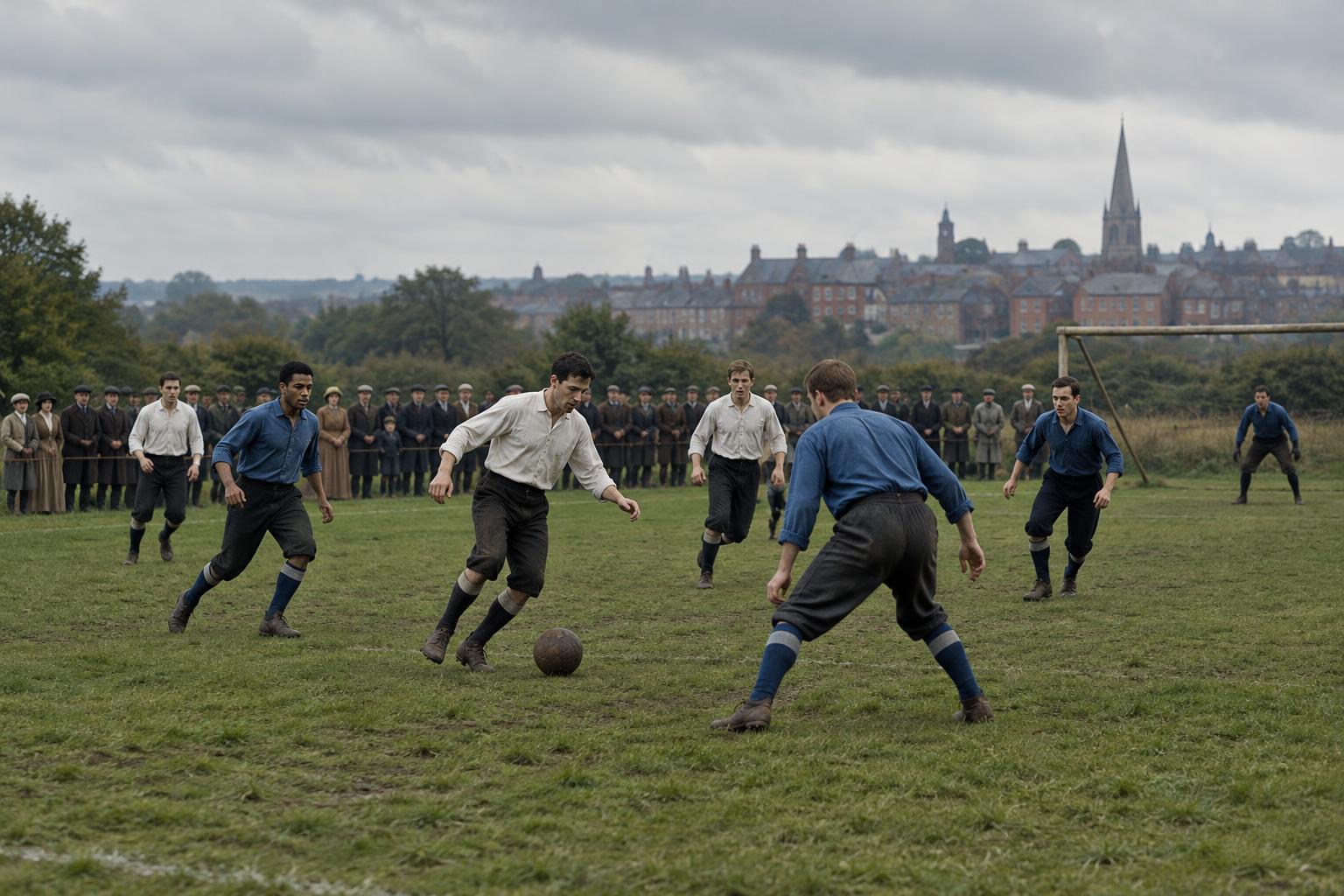
In the early years of organised association football, many influential clubs and administrators treated playing for pay as contrary to the spirit of sport. An amateur was expected to take part for enjoyment rather than wages. That principle was easier to uphold for someone with the time and money to travel, train and miss work without losing income.
As football spread through schools, workplaces and industrial towns, it drew players with different circumstances. A worker might have the skill to play for a leading club but still need to cover a lost shift or the cost of travel. Amateurism was therefore more than a rule about money: it affected who could realistically take part, especially as matches became more demanding.
This story has no single starting point for the whole world. Rules and attitudes differed between places and competitions. England offers a clear example of the shift because its governing body eventually made an explicit change to its rules on paid players.
Why did clubs begin paying players?
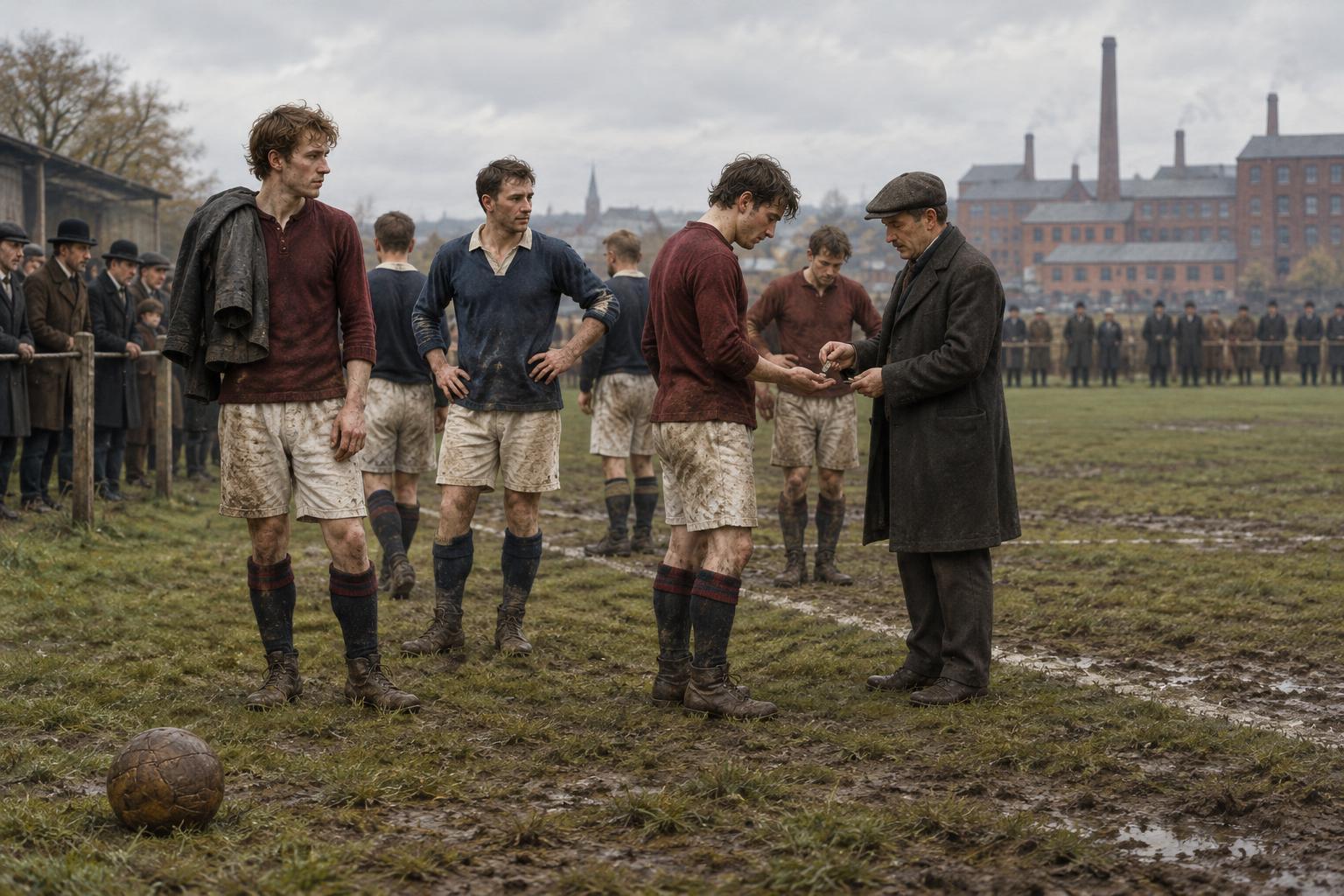
Successful clubs wanted strong teams that could play regularly. Cup ties attracted attention, while travel and time away from work could place a burden on players. Clubs had reasons to help with those costs, but the line between reimbursing an expense and paying someone to play was often contested.
Some payments were made despite amateur rules. Money might be presented as expenses or help with employment rather than as a straightforward playing wage. It would be misleading, though, to imagine every early club working in the same way. Some defended amateur principles; others argued that paid players were a practical part of a growing game.
The disagreement reflected different ideas about fairness. Opponents of professionalism worried that wealthier clubs could buy stronger teams and change the character of football. Supporters of payment could point out that a ban did not remove financial pressures. It could instead favour people who could already afford to play without being paid.
The rule change in England
In 1885, the Football Association permitted professionalism under its rules. The decision did not instantly turn every player into a full-time employee or settle every dispute about money. It did, however, make it possible for clubs to pay players openly within a regulated framework rather than treating payment itself as a breach of amateur rules.
The change also acknowledged what football was becoming for many communities: not just an occasional pastime, but a spectator activity that required organisation. Players, clubs and governing bodies still had to negotiate questions about eligibility, movement between teams and the costs of running a side. Professionalism was a change in the game’s structure, not simply a new label for its players.
Amateur football continued alongside the paid game. For many people, playing without wages remained both a preference and a practical reality. The history of professionalism is therefore better understood as the growth of another way to organise football, rather than the disappearance of amateur play.
Why a league became useful
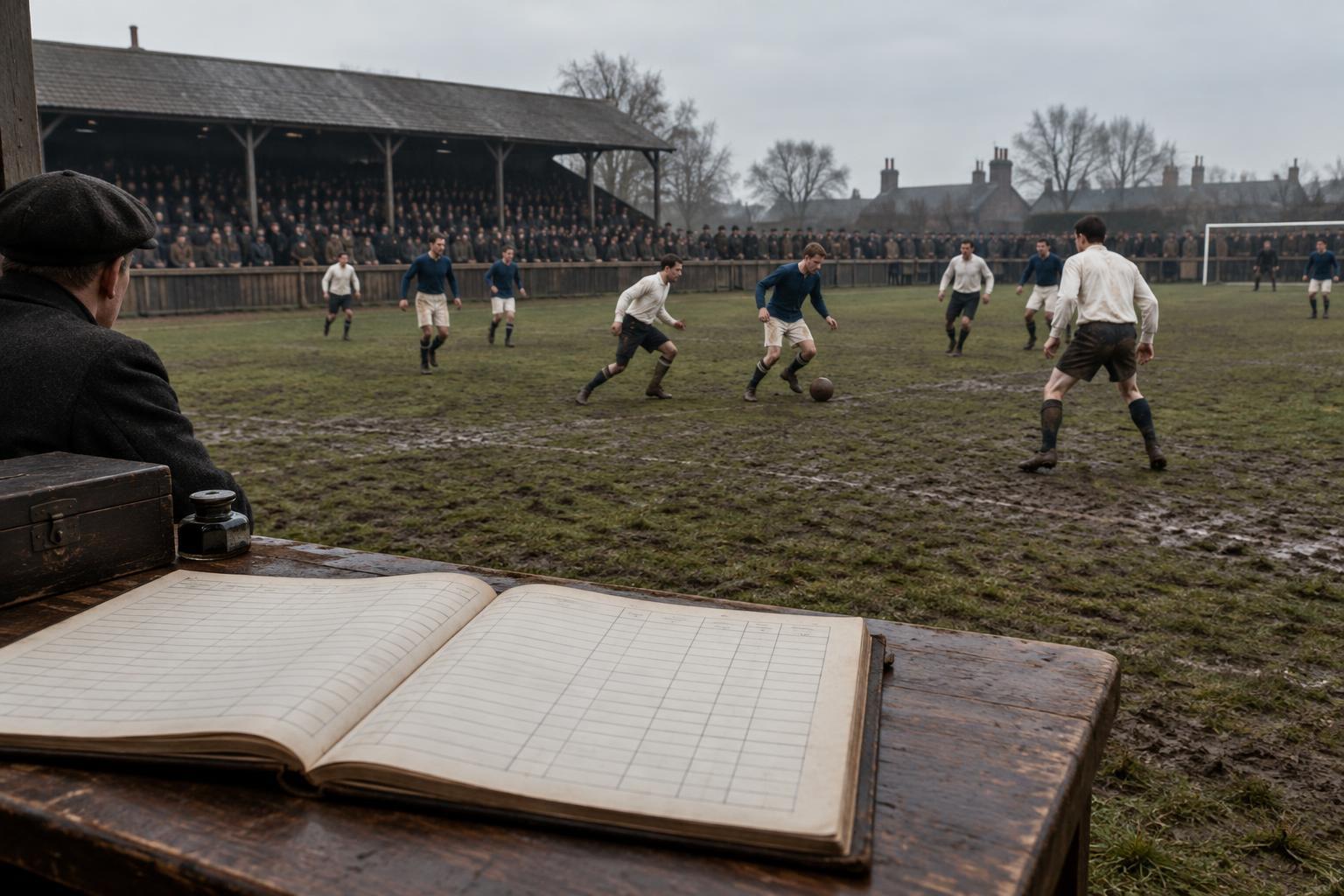
Paying players made dependable schedules more important to clubs. A team with regular costs benefited from regular matches, and supporters needed to know when and where games would take place. Cup competitions could generate excitement, but a club might have only a short run before being eliminated. A league offered a more predictable sequence of fixtures.
The Football League began in England in 1888. Its arrival was connected to the same pressures that encouraged professionalism, although payment alone did not create the league. Clubs also needed agreed opponents, common arrangements and a competition that could sustain interest across a season.
That structure helped reshape how supporters followed football. Instead of judging a team mainly by an individual cup run, they could track its place among other clubs over repeated matches. The familiar rhythm of a league season developed from those organisational choices as much as from events on the pitch.
The lasting tension between access and money
Professionalism opened a route for skilled players who could not afford to treat football as unpaid leisure. It also brought new inequalities: clubs with more resources could offer opportunities that smaller clubs might struggle to match. Neither amateurism nor professionalism solved every question about who got to play and under what conditions.
That early debate remains useful when looking at football’s history. It shows that rules presented as protecting the game can have different effects on different people. It also shows why clubs need structures beyond the ninety minutes of a match: players’ time, travel, fixtures and finances all shape what happens on the field.
The amateur and professional games did not follow one identical path everywhere. But the English transition illustrates a lasting feature of football culture: the game is played for pleasure, identity and competition, while also depending on people whose labour makes regular competition possible.