A competition built around a shared game
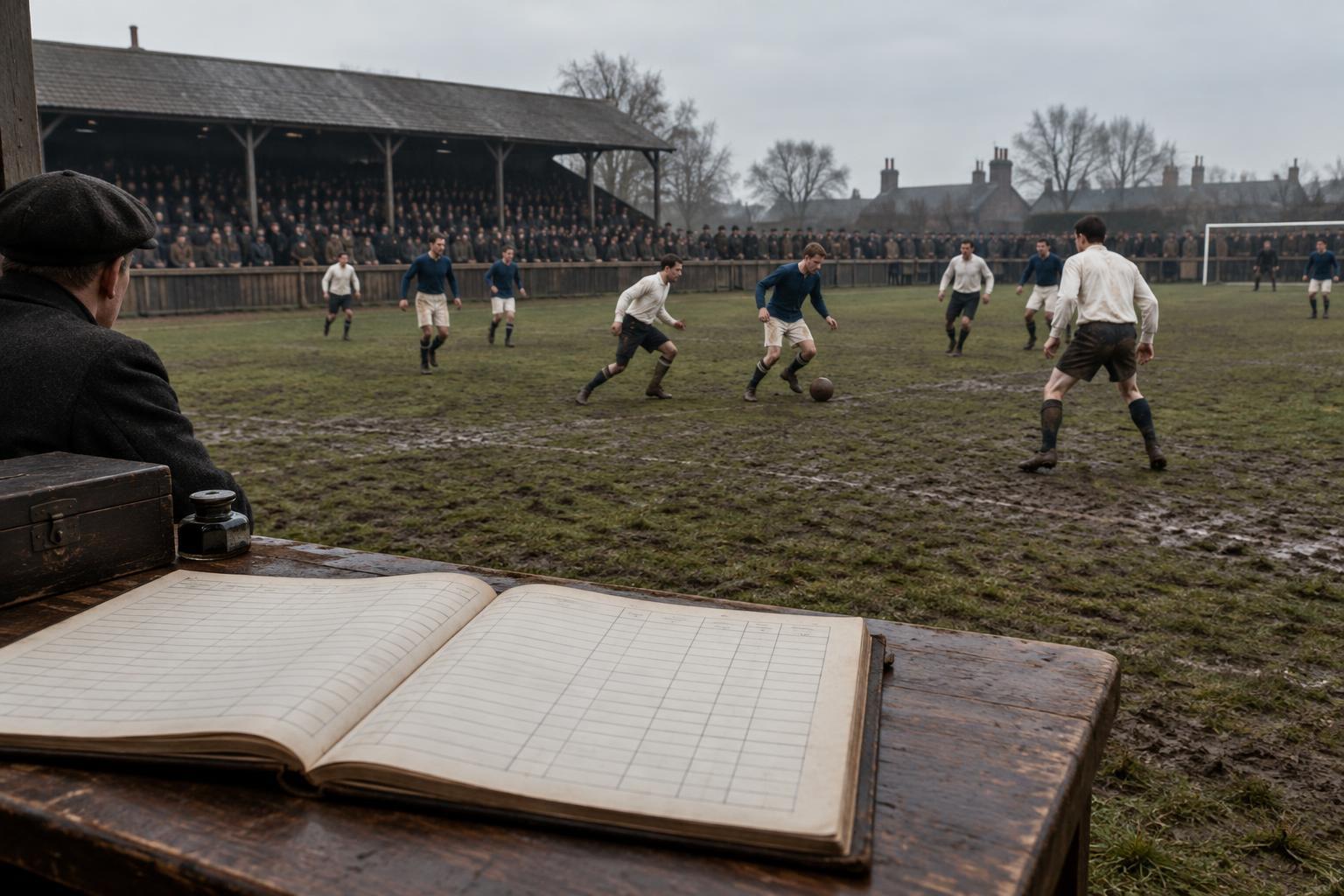
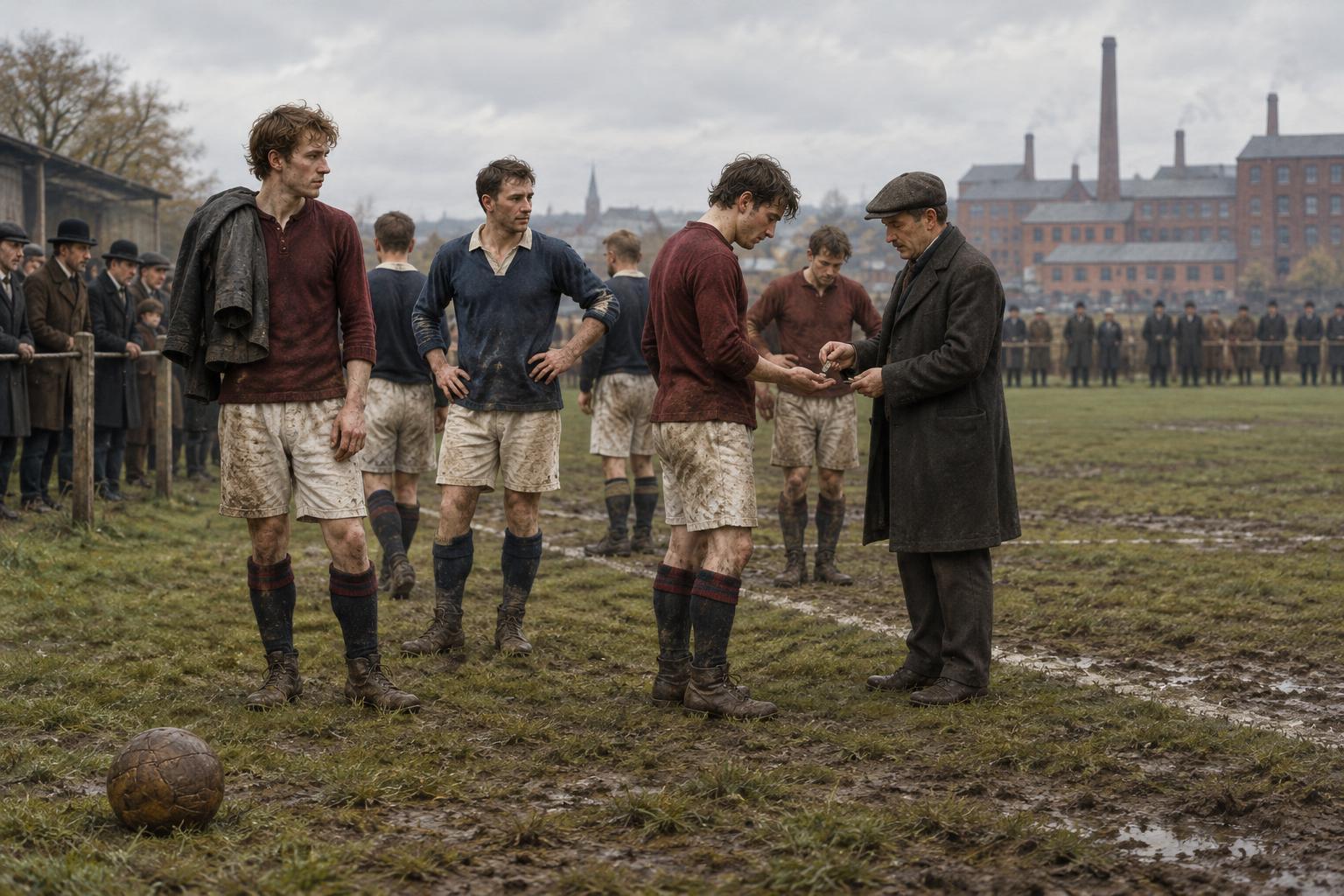
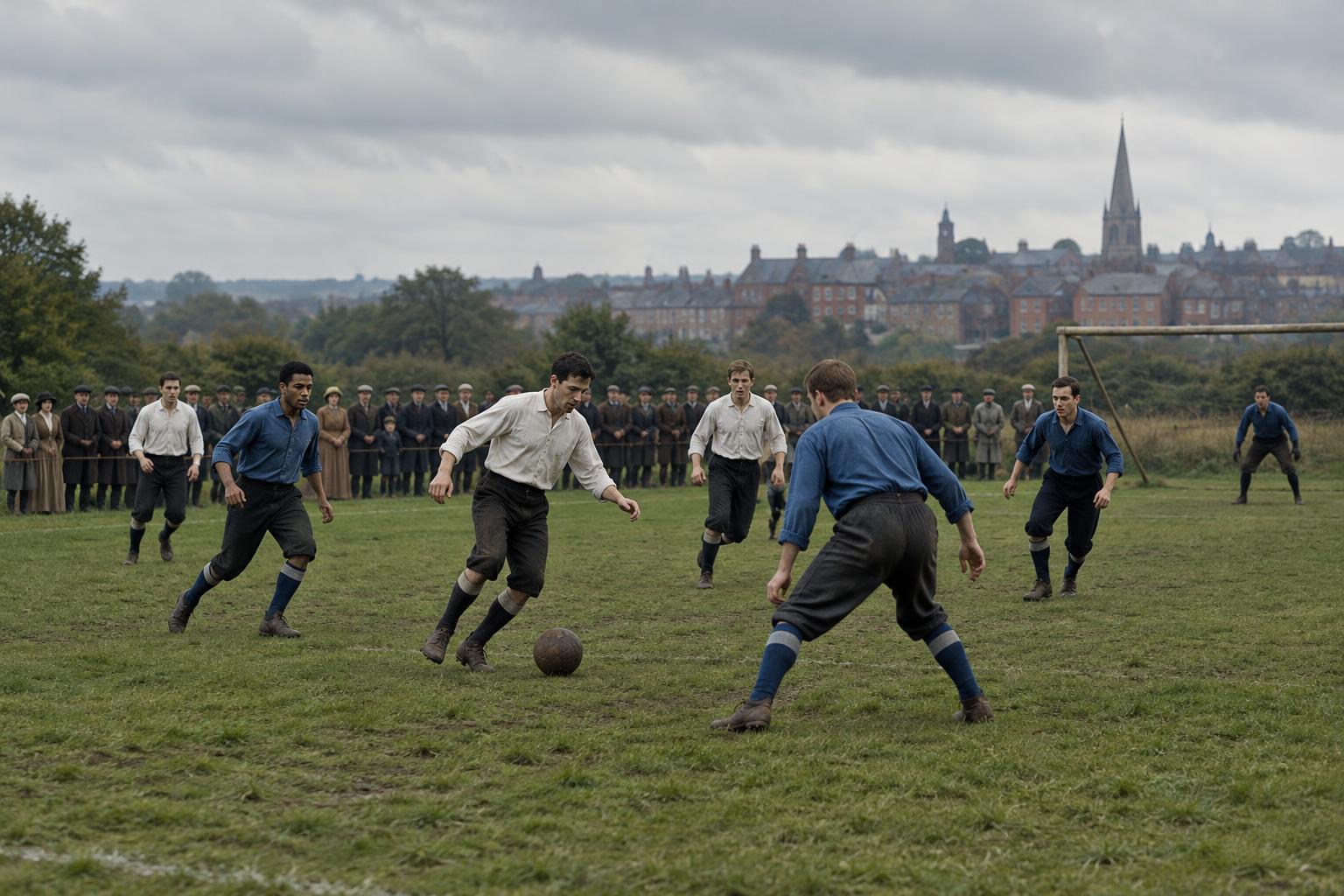
The FA Cup began in the 1871–72 season, less than a decade after the Football Association was formed. At the time, clubs did not all play the same opponents or follow the kind of regular national schedule familiar today. A cup offered a different proposition: enter a common competition, play under an agreed framework and keep going by winning ties.
That combination mattered. A rulebook made matches between clubs from different places more practical, while a single trophy gave those matches a purpose beyond a local fixture. The competition was small at first, and its early arrangements should not be mistaken for the polished tournament of later generations. Still, its basic idea was clear enough to travel: separate clubs could join one contest with a recognisable route to a winner.
Why elimination is so easy to understand
A knockout cup gives every tie an immediate consequence. Win and advance; lose and, in the usual case, leave the competition. Supporters do not need to study a long league table to grasp what is at stake. That simplicity helps a tournament create a story from round to round, as the field narrows and each remaining club moves closer to the final.
Knockout football also makes room for uncertainty. A stronger side may be favoured, but one match can turn on a defensive stand, a well-taken chance or a mistake. This does not make clubs equal: resources, squad depth and experience still matter. It does, however, give an underdog a more plausible route to one memorable result than a full league season usually would. The FA Cup became closely associated with that possibility, even though surprises are memorable precisely because they are not guaranteed.
A pathway linking different levels of football
As organised football grew, the cup developed into a competition involving clubs from many levels of the English game. Qualifying rounds created a route into the main draw for smaller clubs, while established professional sides entered according to the competition's rules. This layered structure helped turn a single trophy into a meeting point for otherwise separate football worlds.
The appeal is not only that a smaller club might beat a larger one. A cup tie can bring unfamiliar opponents, travelling supporters and different grounds into contact. For a local club, reaching a later round can give its players and supporters an experience outside their usual league routine. For followers of a larger club, the cup can make the wider football landscape harder to ignore. That breadth became one of the format's most adaptable features.
The draw, the final and a calendar of anticipation
A draw gives each round a fresh shape. Before a ball is kicked, it creates questions: who will travel, which clubs will meet for the first time, and where might a difficult tie appear? The details of entry, venues and how drawn matches are settled have changed over the FA Cup's history. The recurring rhythm of ties, draws and progression has nevertheless made the competition easy to follow across a season.
The final supplies an equally important destination. Knockout tournaments can feel like a collection of disconnected matches unless there is a clear prize at the end. In the FA Cup, each round leads toward one deciding match and one winner. That structure gives early ties meaning while allowing stories from different clubs to converge as the field shrinks.
A model, not a universal blueprint
The FA Cup did not invent elimination contests, and later football cups were not all direct copies. Competitions differ in who can enter, how teams are drawn, whether ties are played once or over two legs, and how a winner is decided. Calling the FA Cup a model is therefore more useful than treating it as a fixed template.
What it demonstrated was how a shared set of rules, a route through successive rounds and a widely understood prize could bring many clubs into one competition. Its long history made that design familiar to generations of players and supporters. The enduring lesson is practical as well as romantic: a knockout cup needs a structure people can follow, and enough openness for them to imagine where their club might go.