What width does for an attack
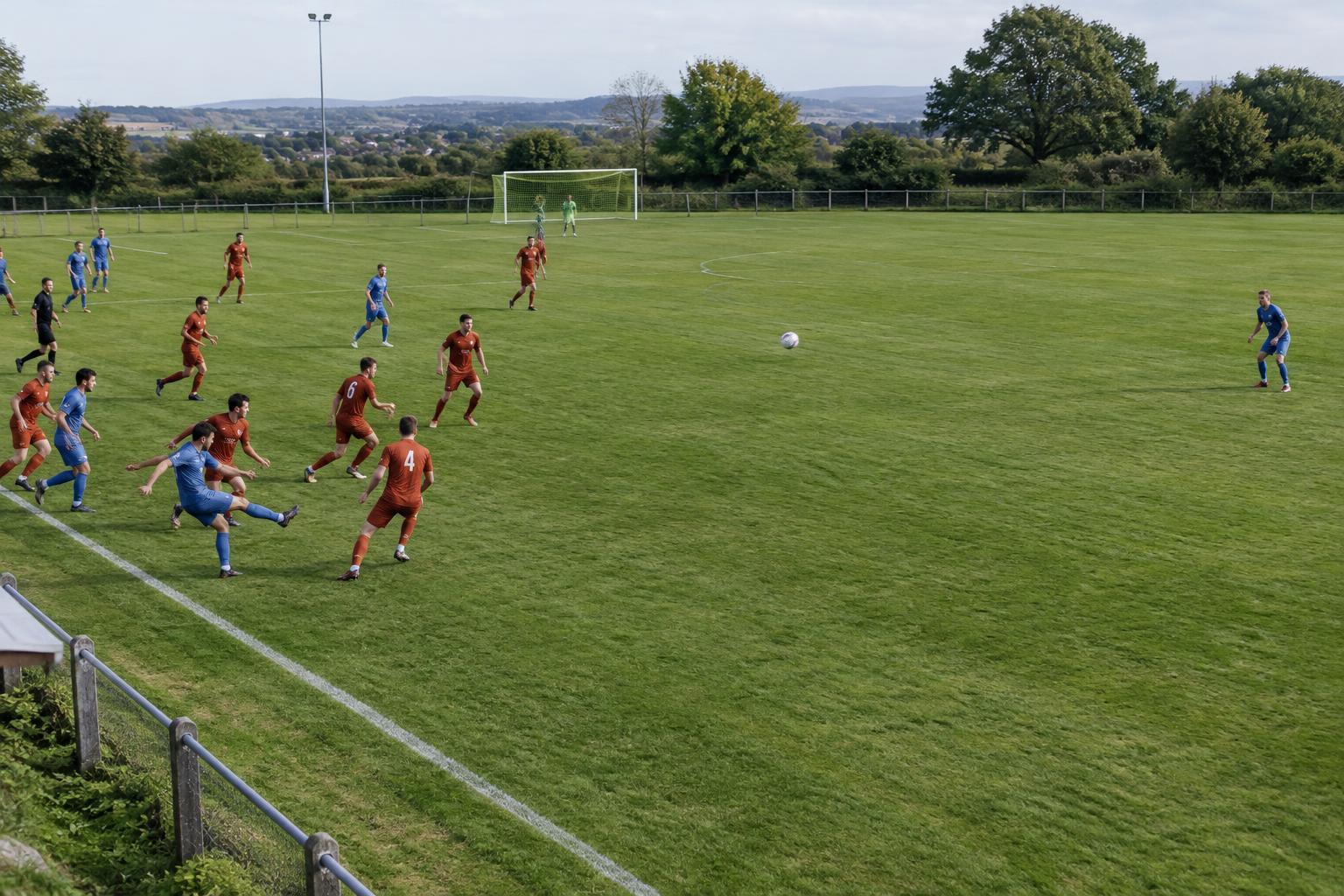
A team creates width when its players occupy enough space across the pitch to make defending the entire area difficult. If every attacker moves toward the centre, defenders can stay close together. A player holding a wide position asks the nearest defender to make a choice: move out to cover them or stay narrow and risk leaving an easy pass toward the touchline.
The benefit is not limited to crosses. Drawing a defender outward can open a passing lane into midfield or give a teammate space to receive between defenders. A wide player may barely touch the ball during a move yet still shape where the defence stands. Width works best when teammates recognise the space it creates and move into it at the right moment.
When the winger stays wide
A winger can provide width by staying close enough to the touchline to receive a pass away from the crowded centre. From there, they might carry the ball toward the byline, pass inside or combine with a teammate. Their starting position can make it harder for an opposing full-back to help defend central areas without leaving the wing open.
Staying wide does not mean staying still. A winger can begin near the touchline, draw a defender outward and then run into the space behind them. They can also move inside after a pass has pulled the defence across. The important detail is timing: if the winger leaves the flank before anyone else can occupy it, the attack may become narrow just when it needs an outlet.
When the full-back takes the outside lane
A full-back can supply width when the winger moves inside. This gives the winger a chance to receive in a central pocket while the full-back offers a passing option along the flank. An overlapping run happens when the full-back moves around the outside of the winger. Even if the pass never comes, the run may make a defender hesitate between following the runner and confronting the player on the ball.
An underlapping run takes the full-back through an inside channel instead. In that case, the winger may remain wide to hold a defender away from the route of the run. Neither pattern guarantees an opening: the full-back needs space to move into, a teammate able to use or ignore the run, and enough support behind the ball. An early run can be easy to track; a late one may arrive after a passing lane has appeared.
Sharing space instead of crowding it
Full-backs and wingers are most useful when their movements complement each other. If both stand on the same patch of touchline, a single defender may be able to watch them together. If both cut inside at once, the flank can be left empty. One player can hold the outside lane while the other moves into an inside channel, then they can exchange roles as the attack develops.
Teams may also ask a full-back to move into midfield rather than advance down the touchline. This is sometimes called inverting. In that arrangement, the winger often remains wide, while the full-back offers a shorter pass through the middle. The shape can help a team circulate the ball, but it changes who is available on the outside. Width is therefore a shared responsibility, not a fixed job attached to one position.
The balance behind a wide attack
Sending both a winger and a full-back forward can give a team several ways to progress, but it can also leave space behind them if possession is lost. A midfielder or centre-back may shift across to provide cover, while other players stay in positions where they can slow a counterattack. How much cover a team needs depends on where the ball is, which opponents are nearby and how many teammates have joined the move.
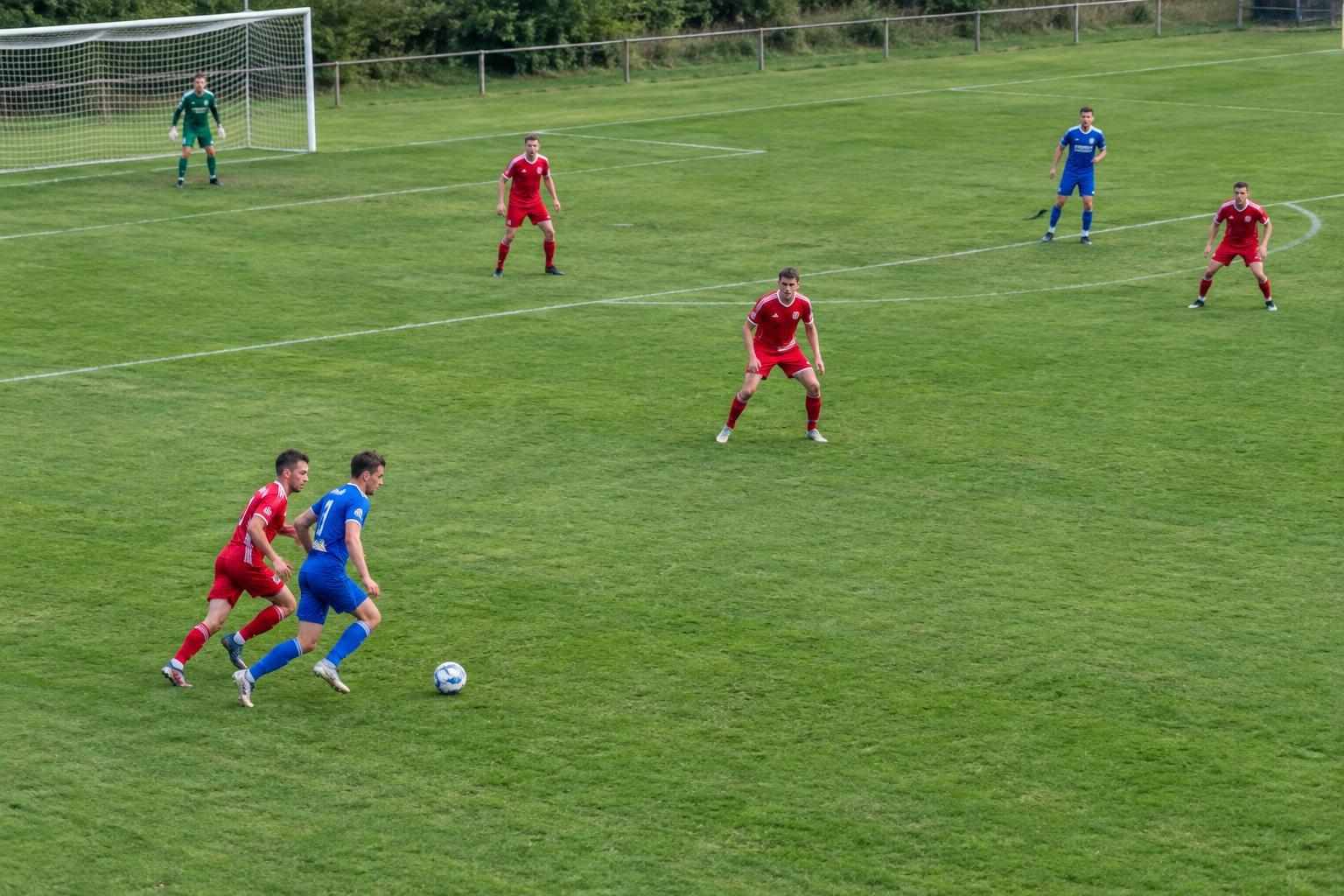
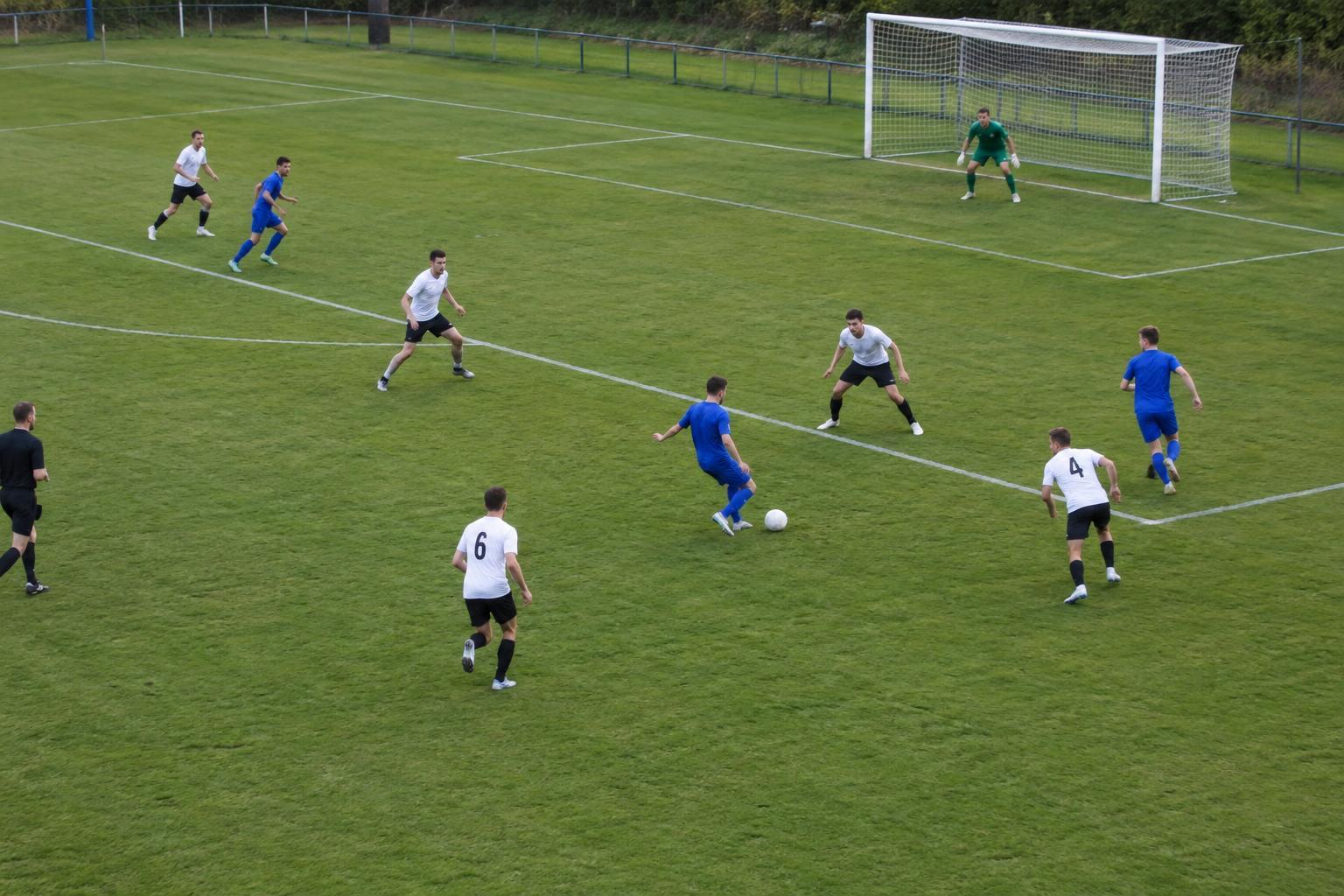
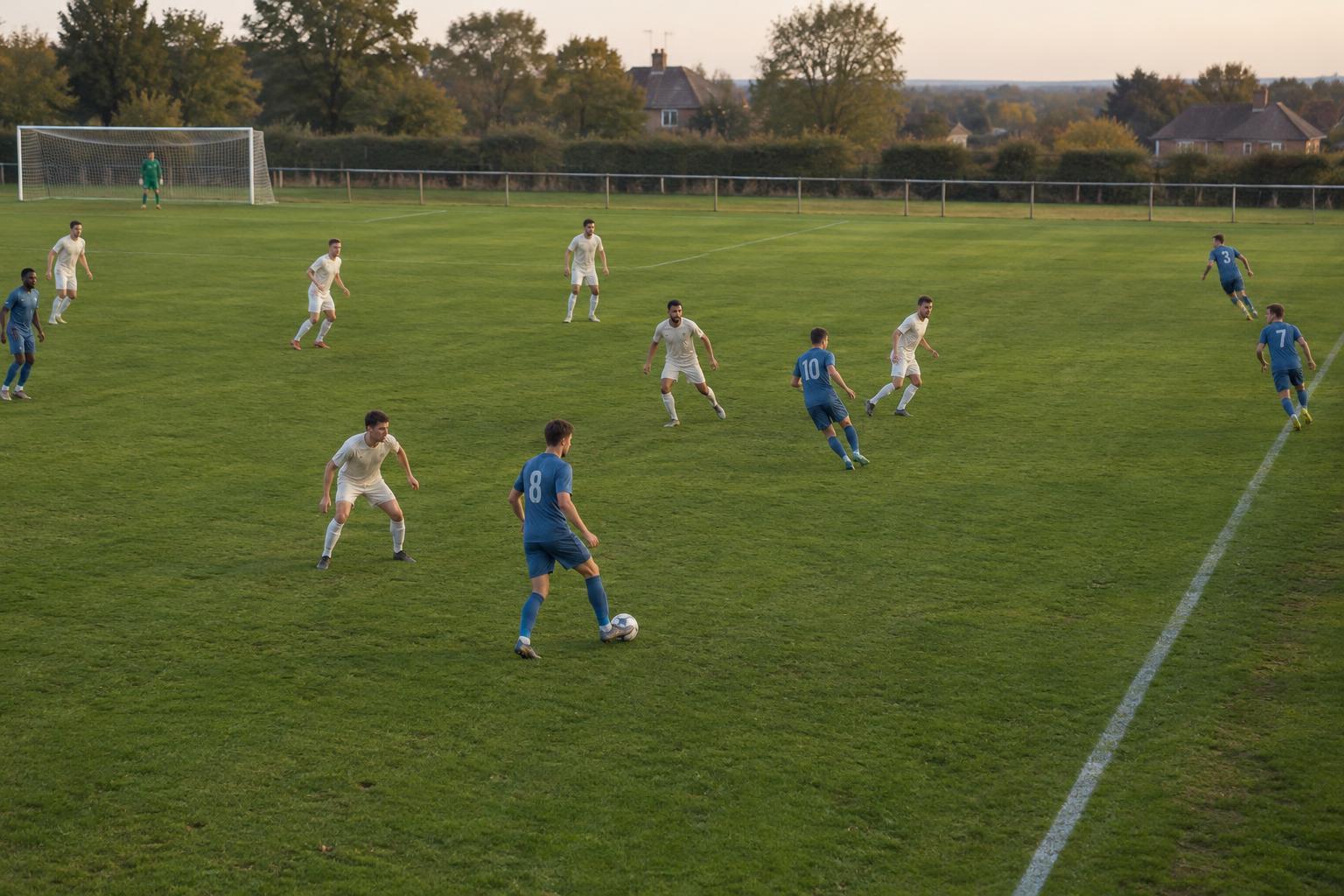
To spot these ideas while watching a match, look beyond the player on the ball. Notice who is holding the touchline, who is moving into the space beside them and whether a defender follows. Then watch what happens when the attack ends. The clearest examples of effective width often show both sides of the plan: enough separation to create choices in possession and enough coordination to respond when possession changes.