What an overload is trying to achieve
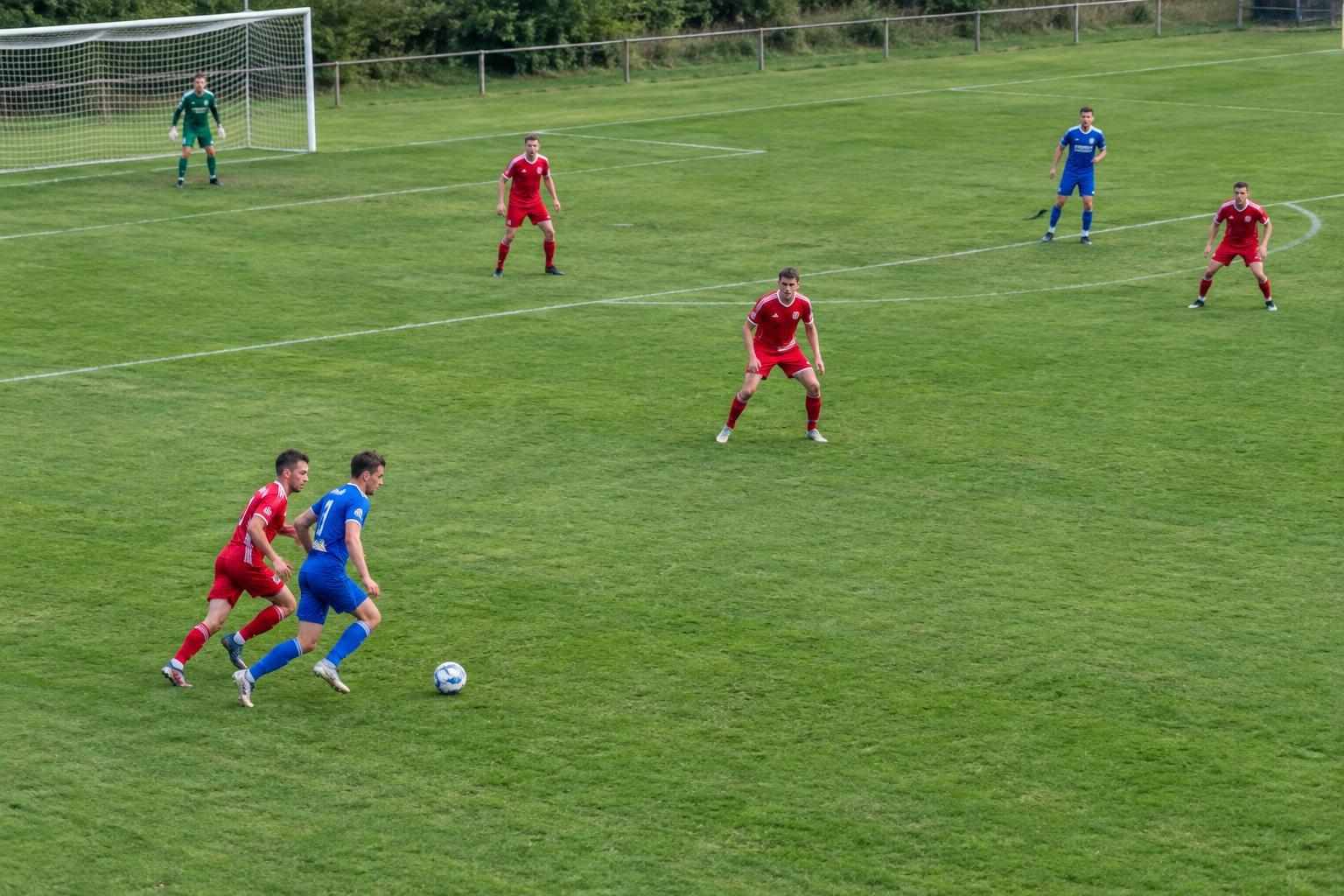
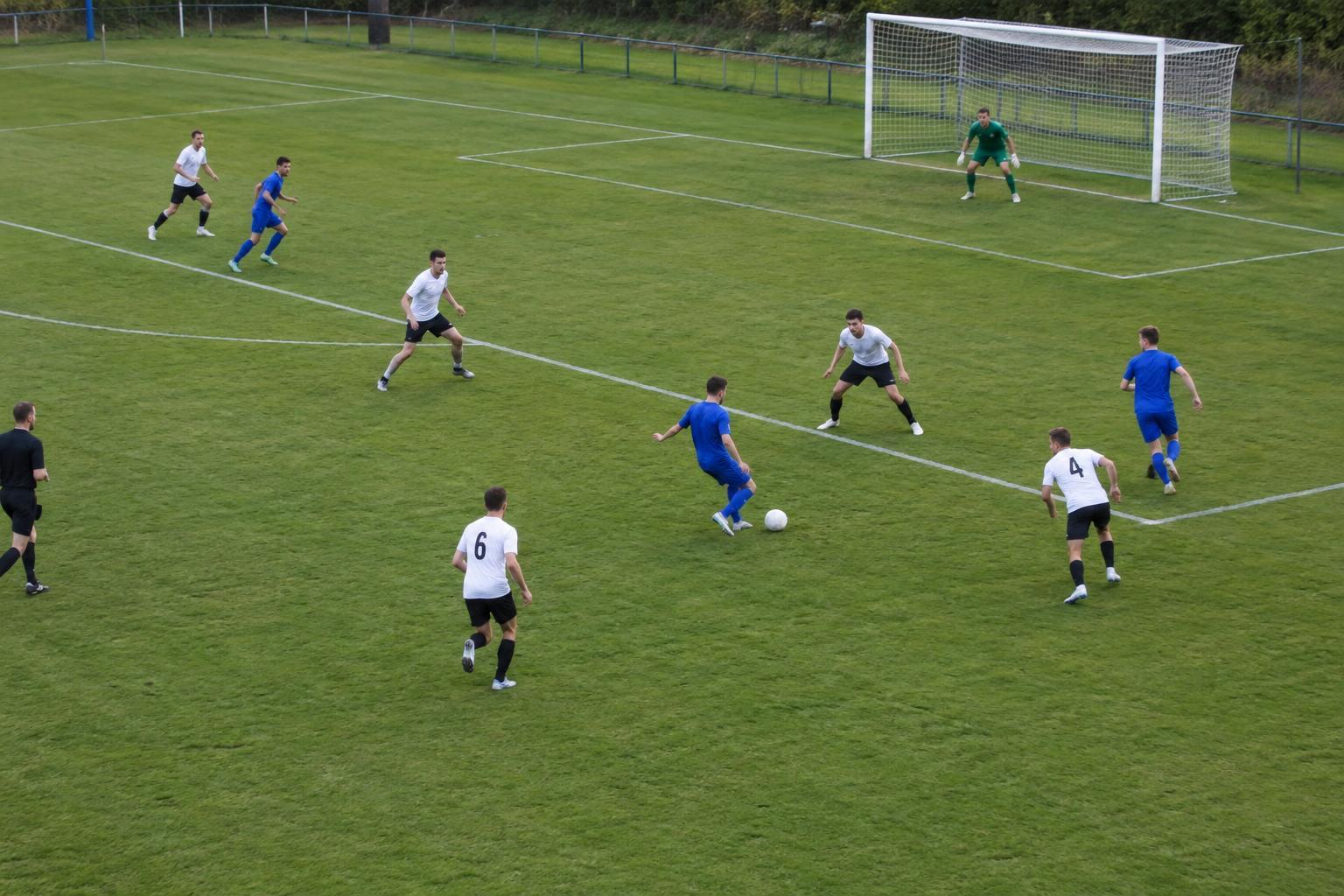
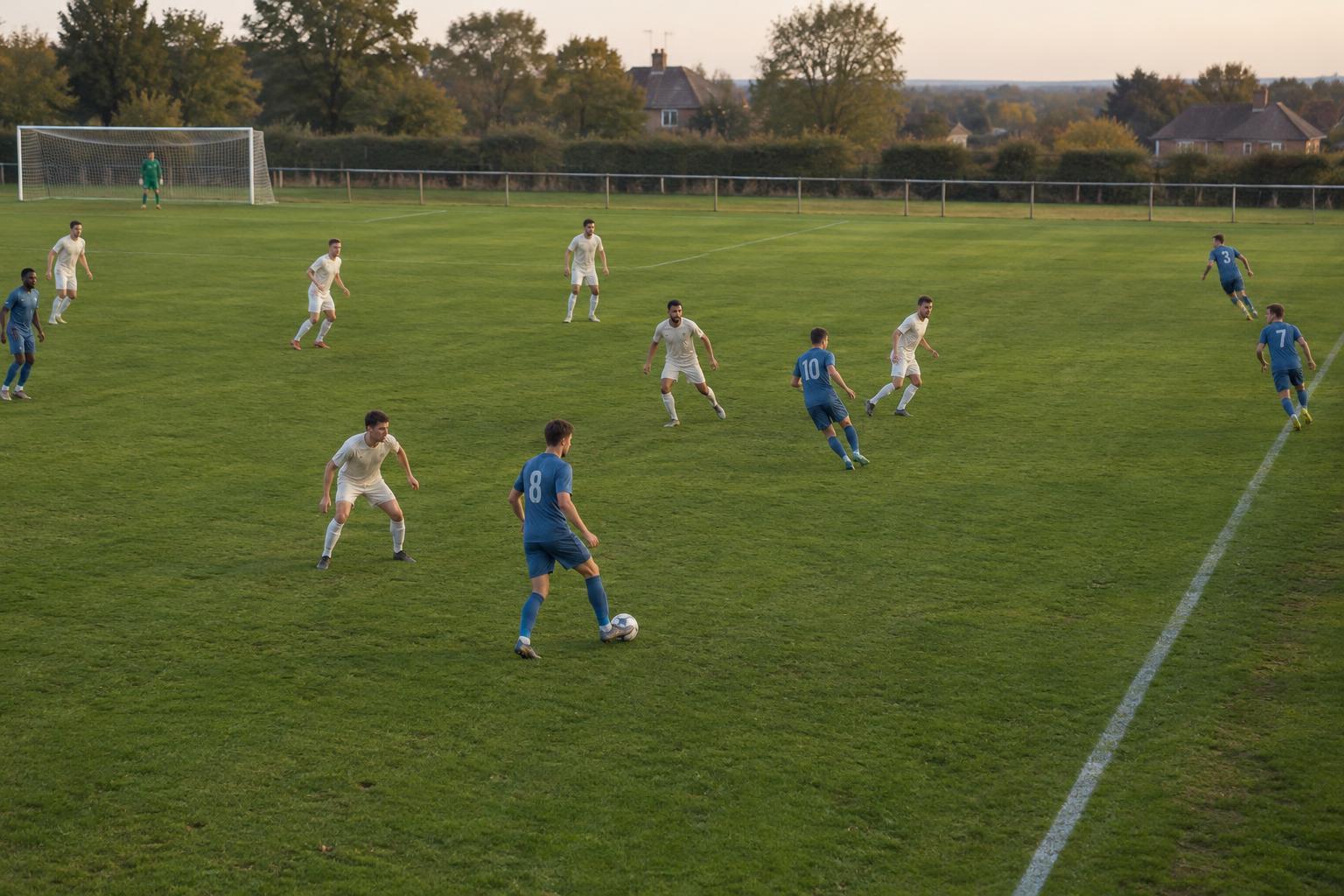
An overload occurs when an attacking team places more players in an area than the defending team can comfortably cover there. Three attackers combining against two defenders near a touchline is a simple example. The extra player can offer a passing option, carry the ball forward or force a defender to leave their position. An overload does not have to produce an immediate chance; it can change the shape of the defence.
Defenders usually move together to protect the side where the ball is. A full-back may step toward a winger, a midfielder may slide across to block a pass inside, and a centre-back may edge over to guard the space behind them. Those movements make the crowded side harder to attack, but they can also leave less cover elsewhere. An attacking team can use that reaction rather than trying to dribble through everyone it has attracted.
How teams create pressure on one side
An overload often begins with ordinary-looking passes. A centre-back moves the ball to a full-back, a midfielder comes close to receive, and a winger stays available near the touchline. Short passes between them invite nearby defenders to commit. A player who moves into a pocket between the opposition’s midfield and back line creates another decision: should a defender follow, or stay in place and allow the pass?
The attackers’ spacing matters as much as their numbers. If everyone stands in the same small patch, one defender may be able to block several passing lanes. Different positions and passing angles give the ball carrier useful choices. One player might come short, another make a run behind the full-back, while a third waits for a pass back inside. Movement can make the overload effective even if the team never passes to every player involved.
Teams can also build an overload in a central area rather than by the touchline. Several midfielders may draw opponents inward, opening a route toward a wide player. In either case, the purpose is to make defenders choose what to protect. The switch becomes more promising when those choices leave a player or space on the far side difficult to reach.
The switch: reaching the space defenders have left
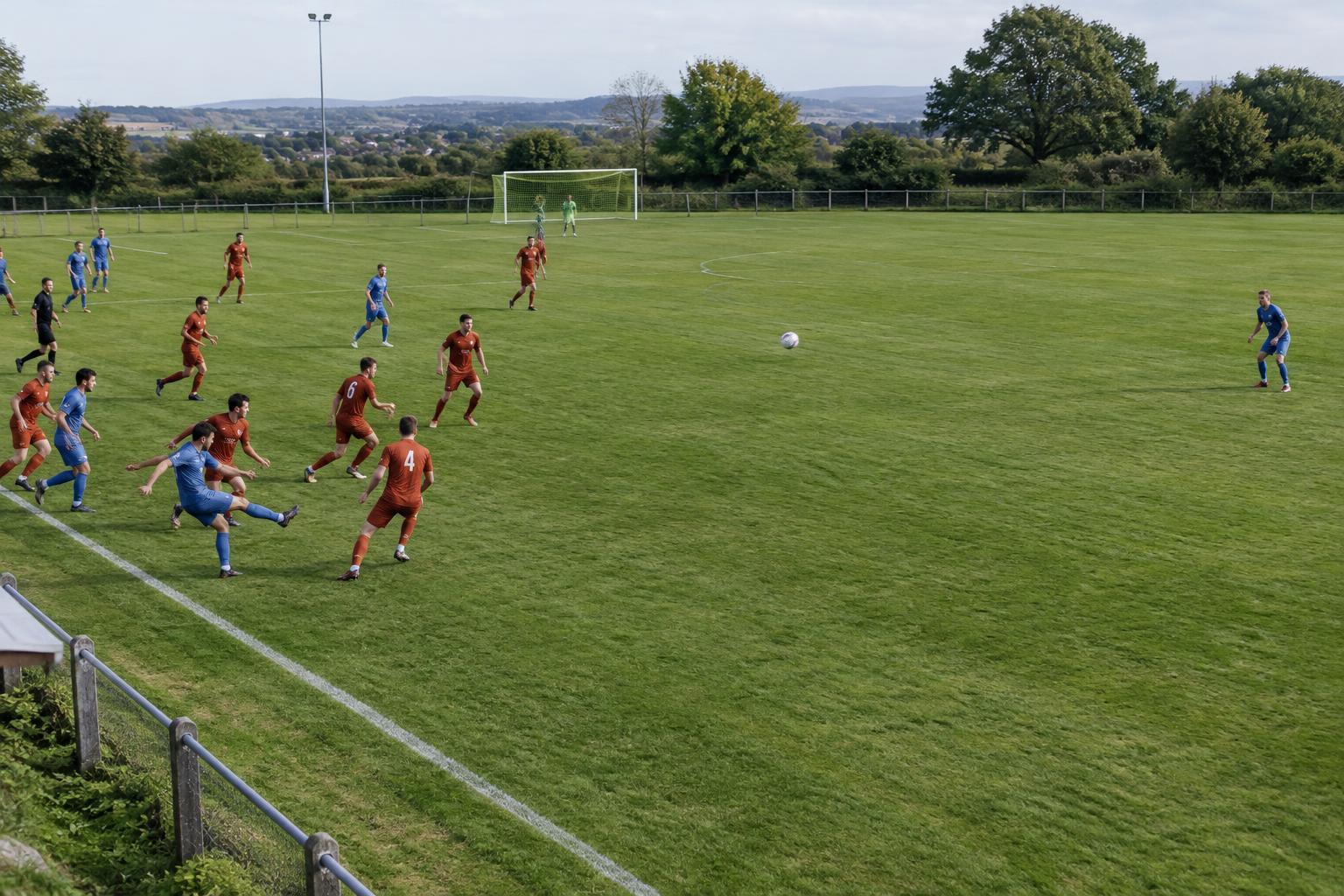
A switch of play moves the ball from one side of the pitch toward the other, often through a central player or with a longer diagonal pass. Imagine a team drawing defenders toward its right flank. If its left winger stays wide, that winger may have room to receive when the ball travels across. The advantage is not necessarily a free run at goal. It might be time to control the ball, face forward and take on a defender before the rest of the defence recovers.
Speed matters, but so does the route. A long pass can reach the far side quickly, yet it must be accurate enough for the receiver to use the space. A shorter sequence through midfield may be safer, provided each pass moves the ball before defenders can shift across. Sometimes a pass backwards is the quickest way to find a teammate with a clear view of the opposite side.
The far-side player has a role before receiving, too. Staying wide can stretch the defensive line and lengthen the distance it must travel. Moving inward too early may make the pass shorter, but it can also bring the receiver closer to defenders. The best position depends on where the open space is and what the receiver can do with the next touch.
Why timing makes the difference
A switch works best when defenders have moved toward the overload but have not yet settled into positions that cover the far side. Switch too early, and the defence may still be balanced. Wait too long, and the crowded side may become a trap: the ball carrier has fewer passing angles, while opponents are close enough to challenge.
The attacking team also needs to prepare for what happens after the switch. A winger receiving in space might drive toward the penalty area, combine with a supporting full-back or pass inside to a midfielder arriving late. If no teammate can support the receiver, the defence may recover before the move develops. Moving the ball across the pitch creates an opportunity; the next action determines whether that opportunity is used.
What defenders can do about it
Defending teams are not obliged to follow every attacker into the overloaded area. They may keep a far-side defender wide, ask midfielders to block the pass across, or press the ball carrier so a clean switch is difficult. A compact defence might accept that the opposition can pass to the far side, trusting its players to shift across while the ball travels.
Watching these exchanges makes the pattern easier to spot. Look first at how many attackers gather near the ball and which defenders move toward them. Then check whether an attacker remains available on the opposite side. If the ball is switched, notice not just the pass but the receiver’s space, their first touch and the speed of the defensive recovery. An overload has done its job when it creates a useful choice elsewhere, even if that choice does not lead to a shot.