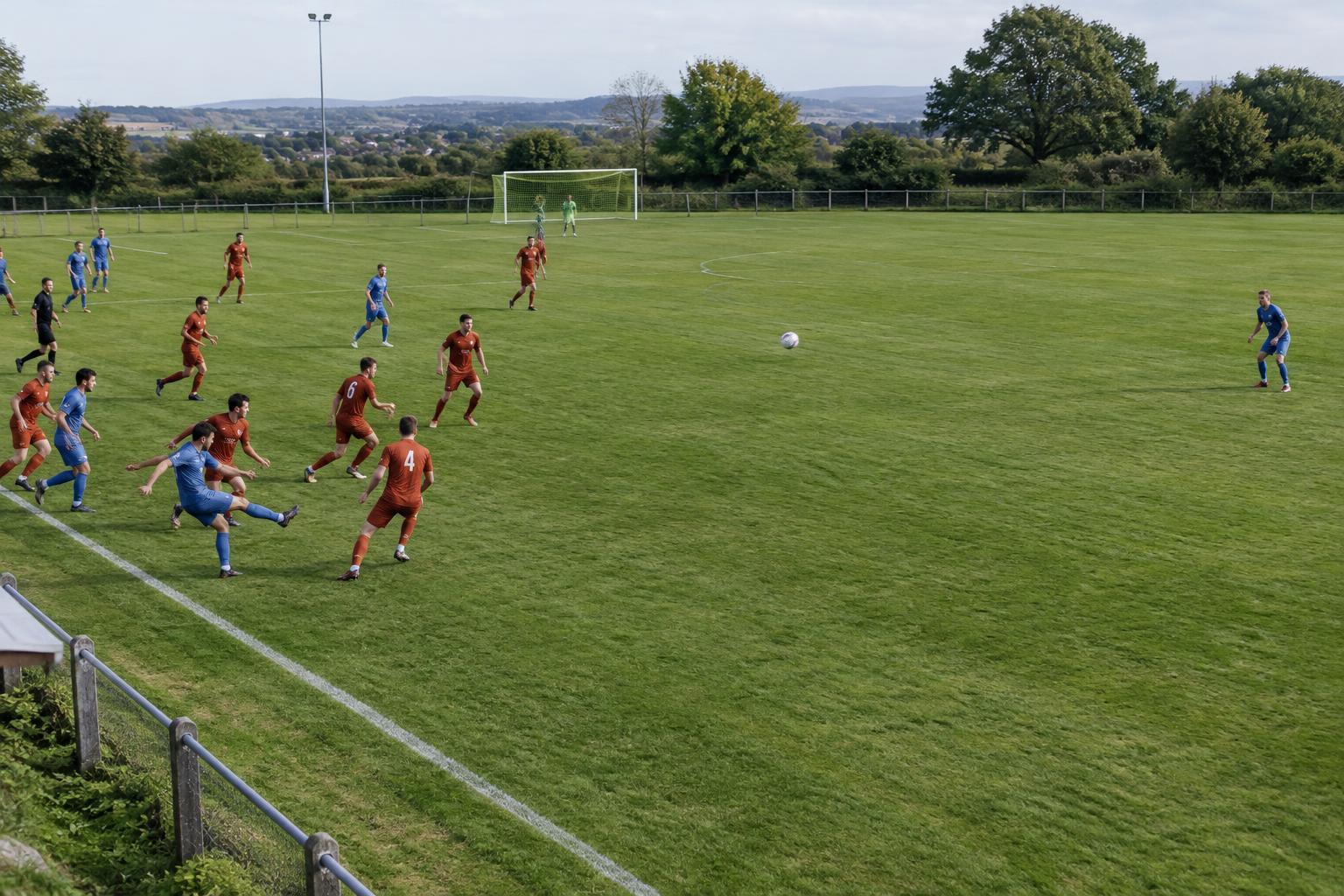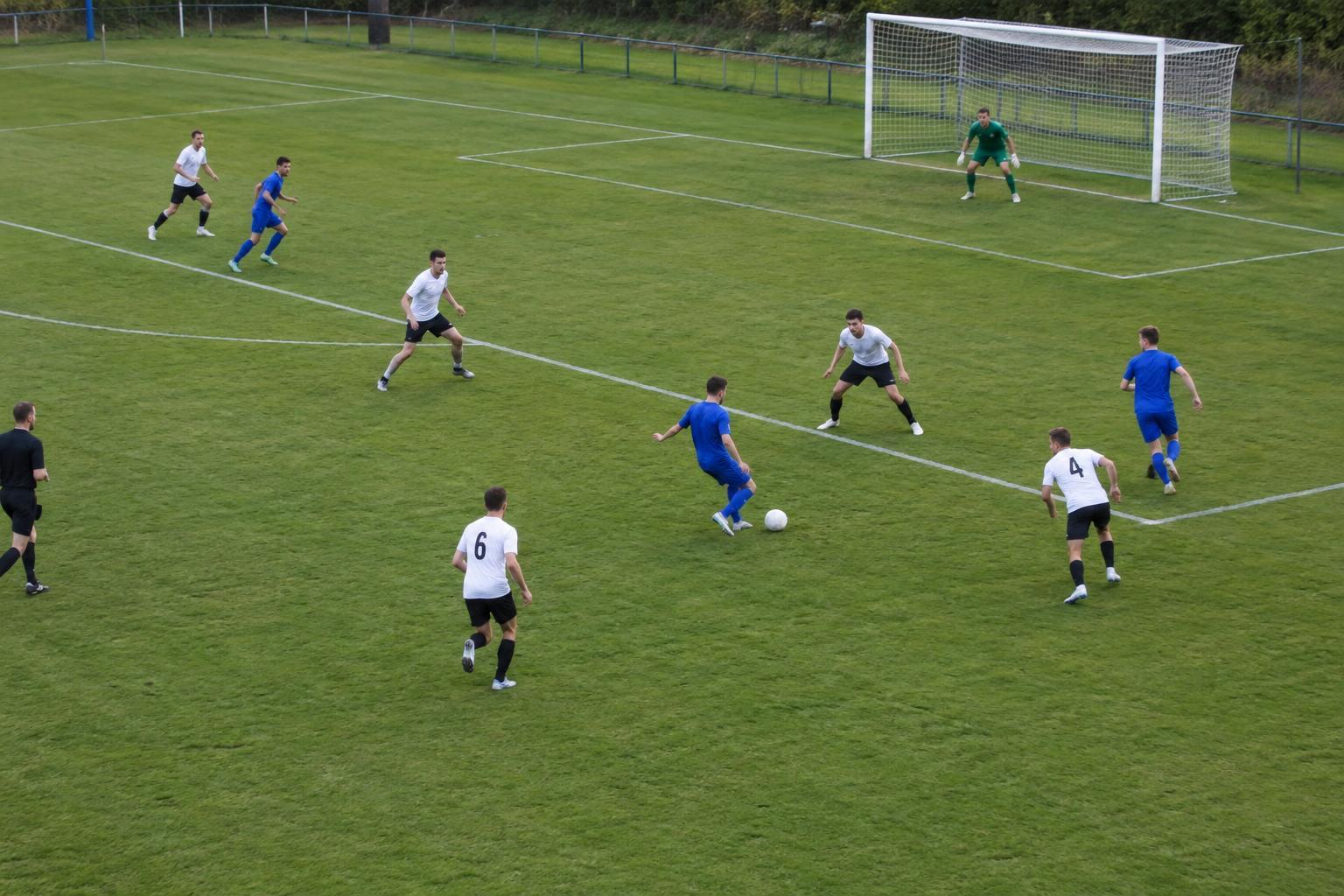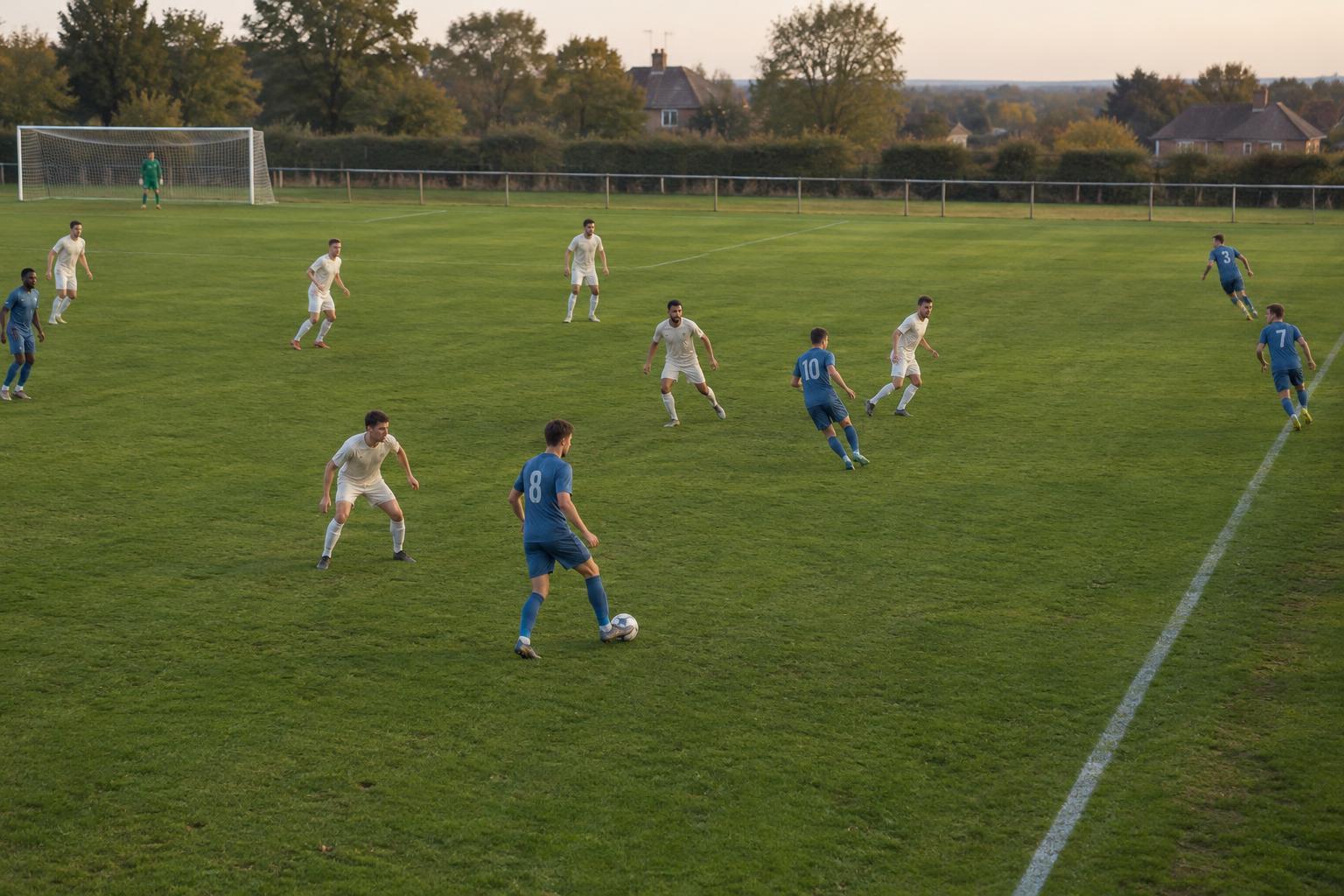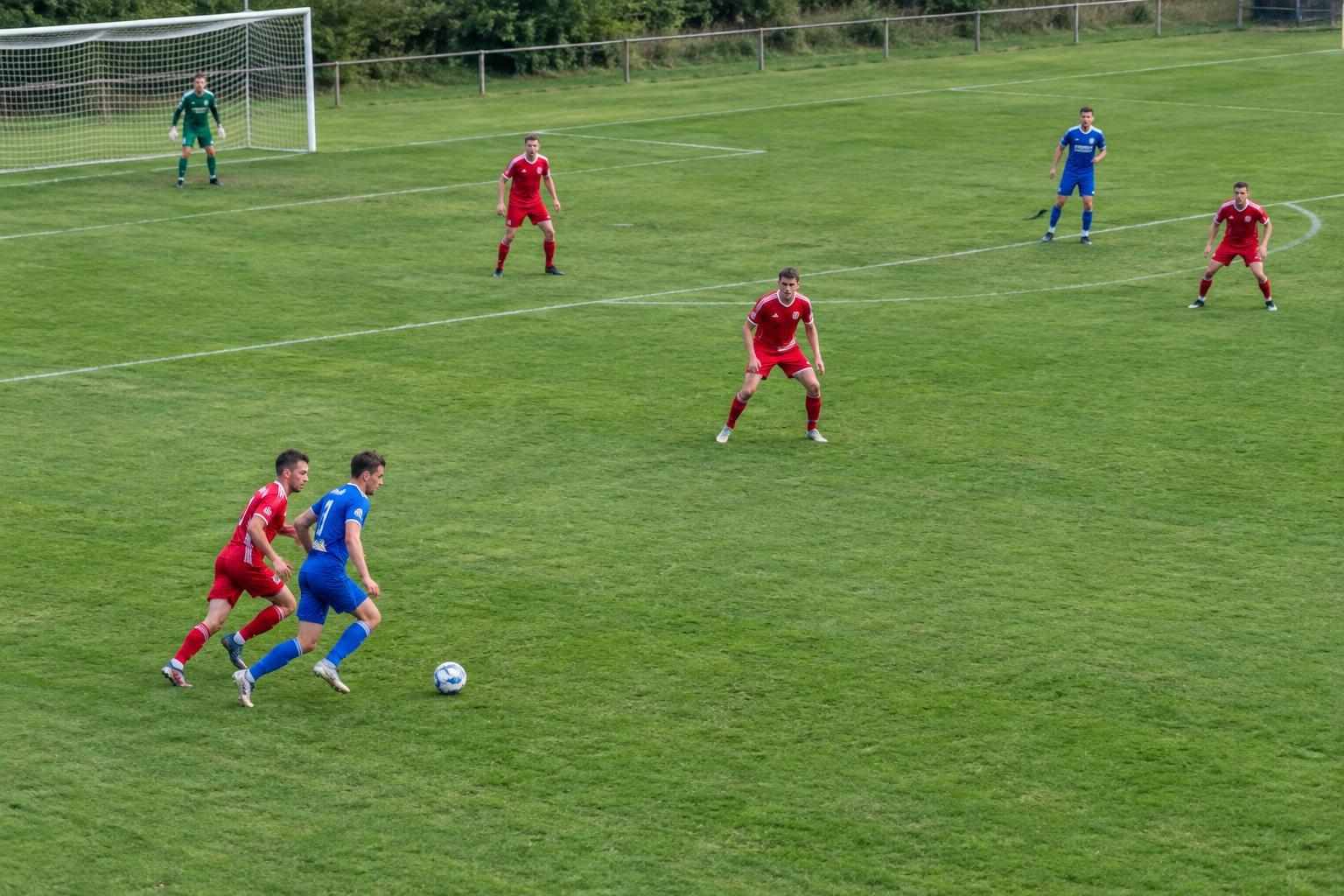
What are defenders marking?
Man-marking and zonal marking describe different starting points for a defender’s decisions. In man-marking, a player takes responsibility for a particular opponent and adjusts position as that opponent moves. In zonal marking, a player primarily protects an area, passing responsibility for opponents to teammates as play moves across the pitch. Neither approach means ignoring the ball: defenders still need to judge passing lanes, nearby runners and the space behind them.
The distinction is easiest to see when an attacker leaves their usual position. A man-oriented defender may follow, even if that takes them away from the defensive line. A zonal defender may hold their position and communicate that the runner is entering a teammate’s area. In open play, those choices happen repeatedly and quickly, so the success of either approach depends on coordination as much as individual effort.
Where man-marking can help
Man-marking can make an opponent’s next action uncomfortable. Staying close to a receiver may deny an easy turn, force a backward pass or make a pass into midfield less attractive. It also gives defenders a relatively clear question to answer: where is my opponent, and can I prevent them receiving cleanly? When several players apply that pressure together, a team can challenge passes before an attack develops.
The risk is that attackers can use defenders’ assignments to move them. A forward who drops toward midfield may draw a centre-back out of the back line, leaving room for another runner. Quick exchanges of position can also create hesitation: if two attackers cross paths, defenders must decide whether to follow or exchange responsibility. Man-marking asks for concentration and repeated movement, and a single lost duel can expose the space that following defenders have left behind.
Where zonal marking can help
Zonal marking gives a team a way to protect valuable space without chasing every movement. Defenders can stay connected, keep a compact shape and cover passing routes toward goal. If an attacker drifts away from a dangerous area, a zonal defender need not follow them indefinitely. This can help the team preserve cover behind a player who steps forward to press.
Its weakness appears when responsibility is unclear at the edge of a zone. An attacker may arrive between two defenders just as a pass is played, leaving each expecting the other to engage. A zonal shape can also become too passive if players protect their positions but fail to pressure the ball or close down a receiver. Holding an area is not the same as standing still: defenders need to adjust their distances and recognise when an opponent entering their zone must be challenged.
The ball, the press and the space behind
Marking decisions change with the location of the ball. Near the touchline, defenders may find it easier to press closely because the sideline limits the attacker’s options. In the centre, following an opponent too far can open a direct route through the team. The height of the defensive line matters too: a team pressing high may accept space behind its defenders to contest possession earlier, while a deeper team may place greater emphasis on keeping its lines intact.
A useful way to watch either system is to look beyond the defender closest to the ball. If that player steps out, who covers the space they leave? If a midfielder follows a runner, does a teammate protect the passing lane into the centre? Defending works as a chain of decisions. The first pressure matters, but the shape behind it often determines whether a missed challenge becomes a clear attacking opportunity.
Why teams mix the two
In practice, many teams use elements of both approaches. A defender might hold a zone until an attacker receives nearby, then mark them tightly. A midfielder might follow a particular opponent for a short distance before handing them over. Teams can also use a trigger, such as a pass toward a player facing their own goal, to switch from protecting space to pressing opponents more directly.
That flexibility brings its own challenge: everyone needs to recognise the same moment to switch. If one defender follows while another expects a handover, a gap can appear. Rather than asking which marking style is always better, ask what a team is trying to protect, where it wants to challenge the ball and how its players transfer responsibility. Those questions reveal both the strengths of its plan and the openings an opponent might try to create.