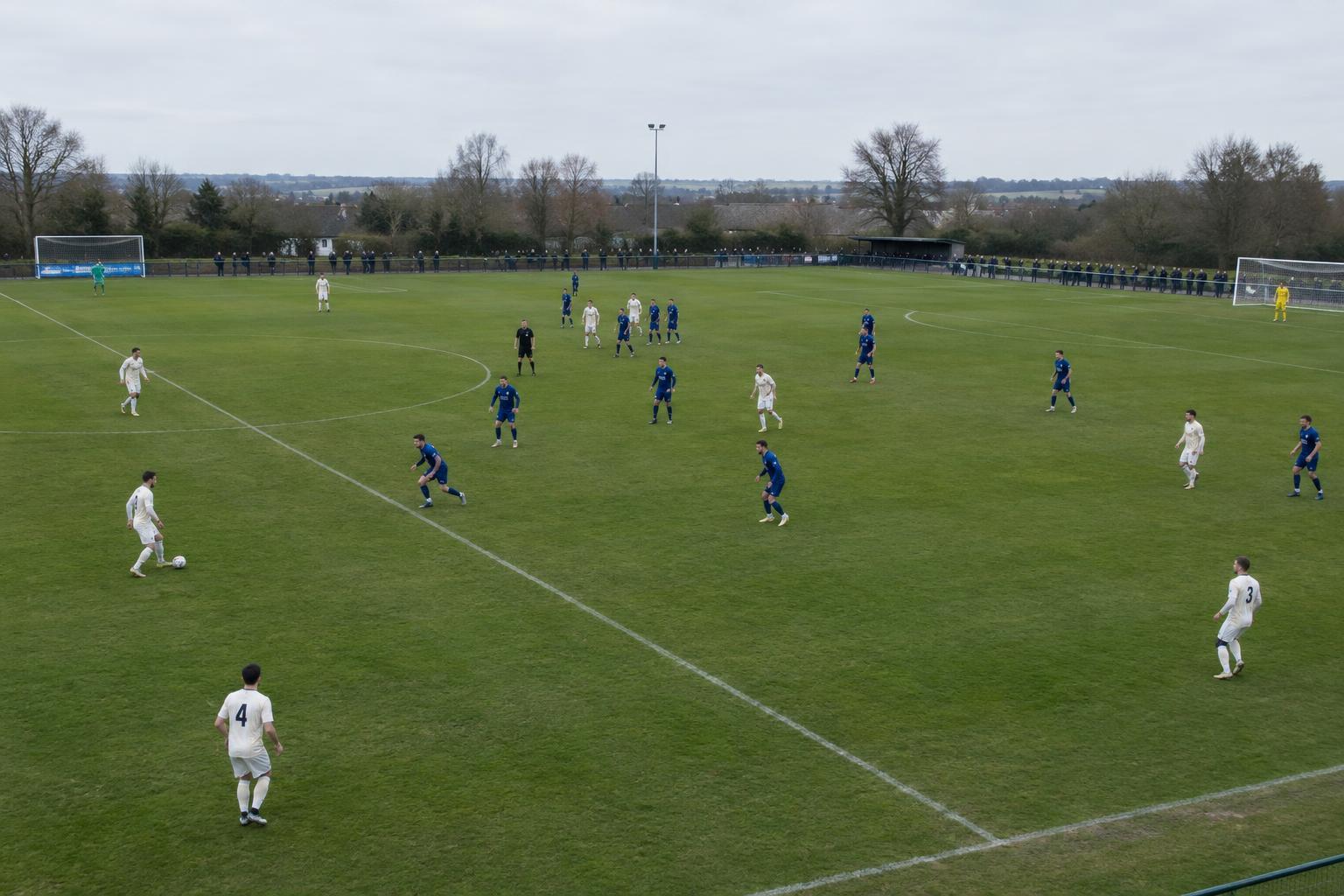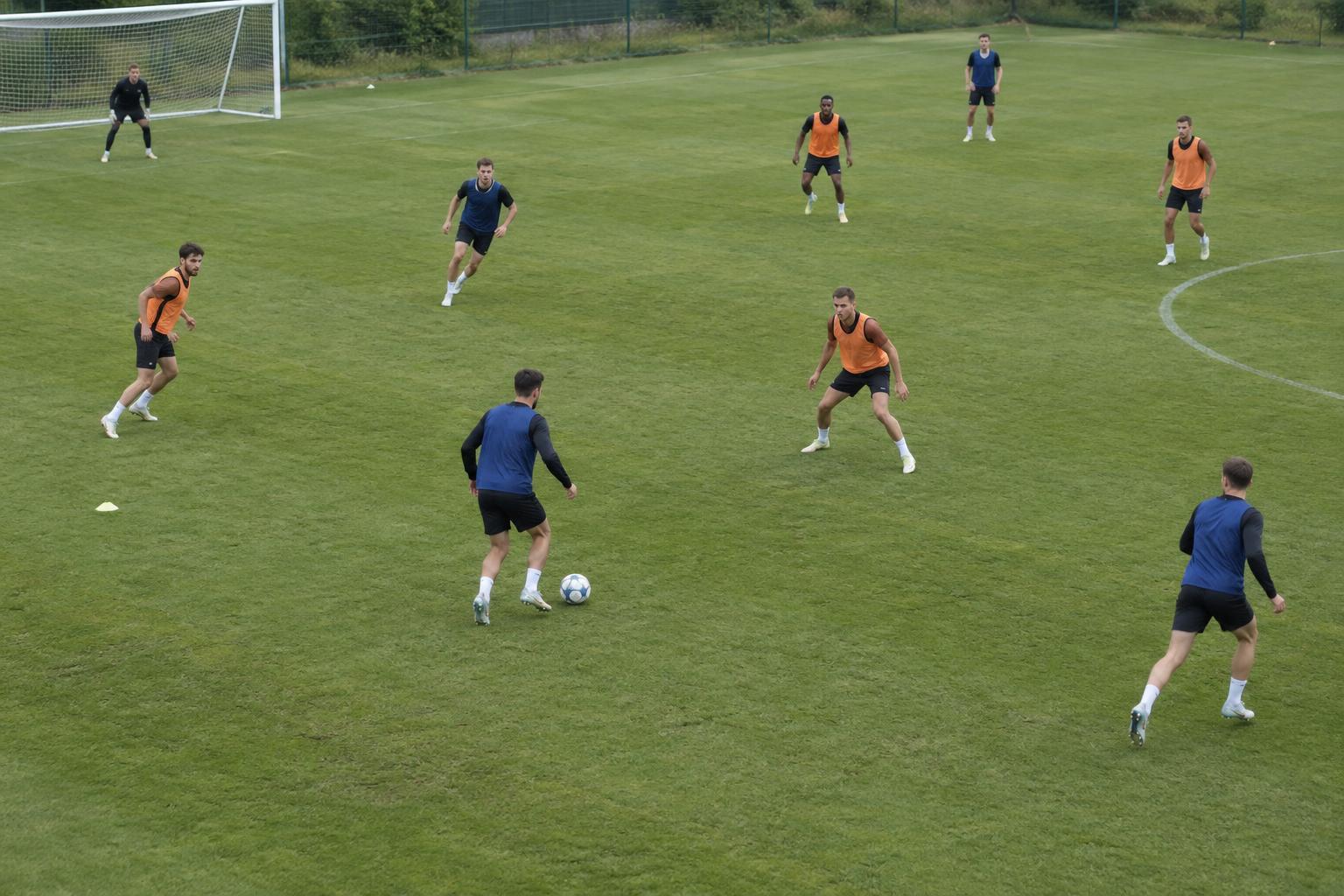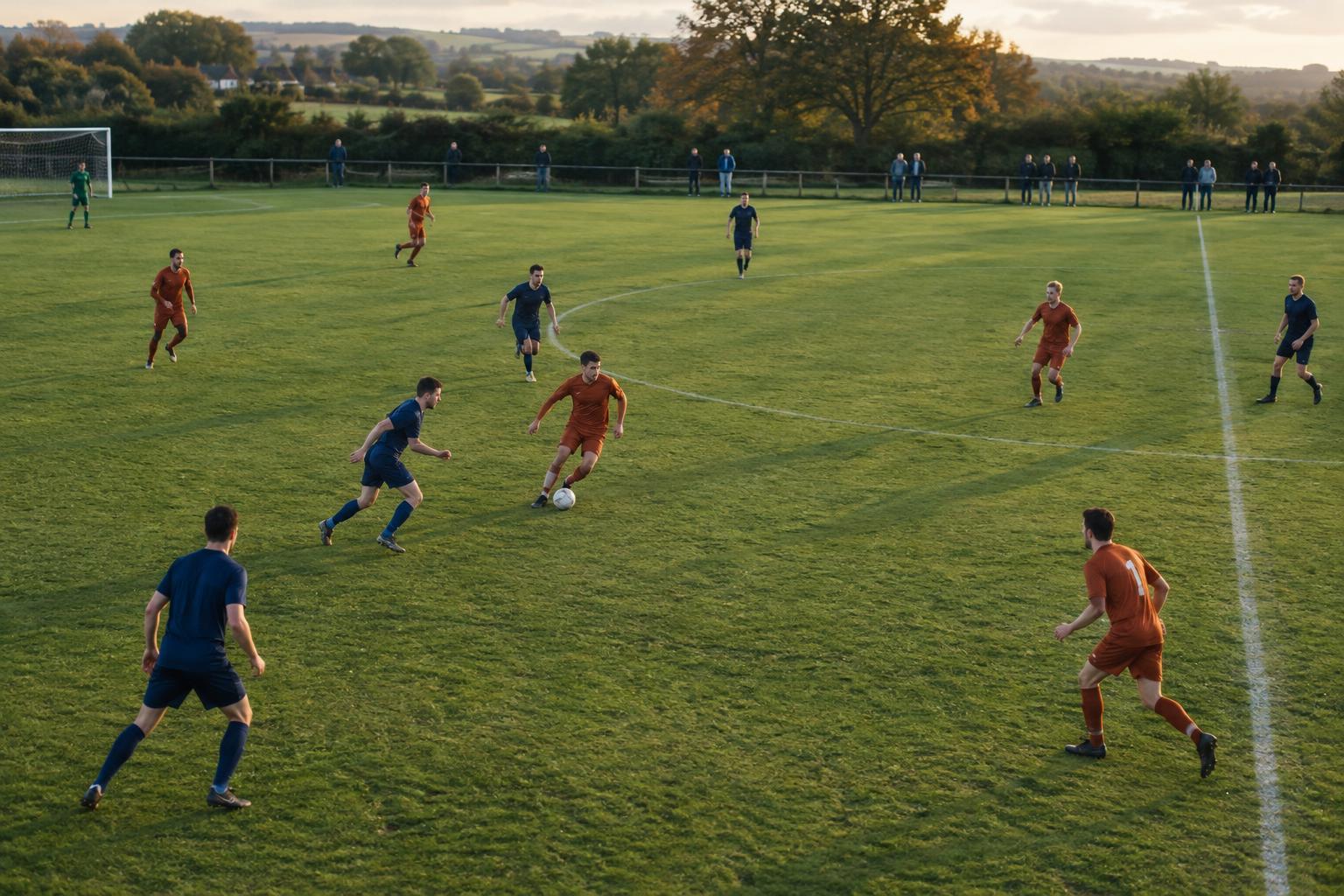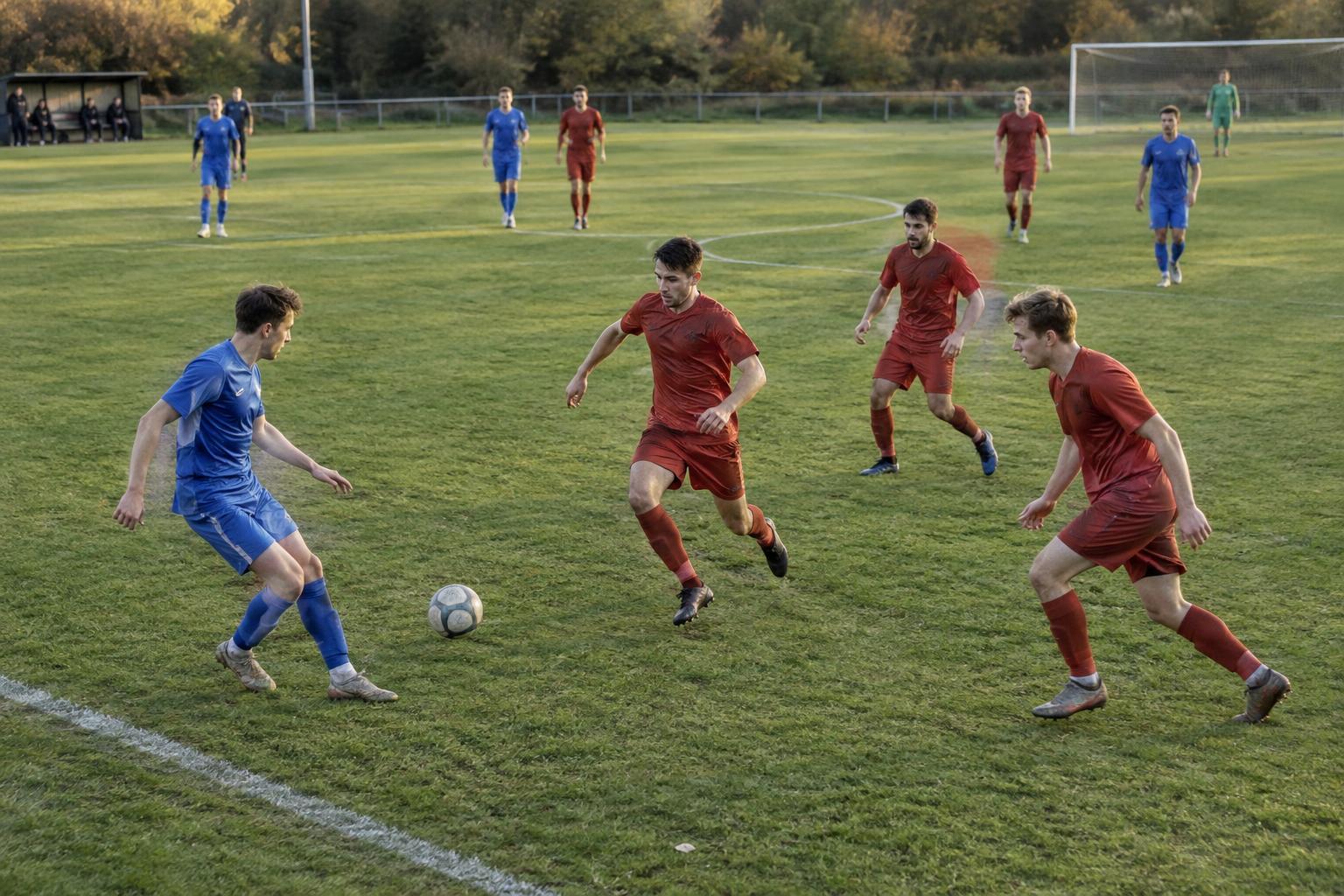
A press needs a starting signal
When a team presses, it tries to limit the ball carrier’s time and passing options. That does not mean every player chases the ball at every opportunity. A team that rushes forward without coordination can leave easy passes through the spaces it has abandoned. Pressing triggers help players recognise moments when closing down is more likely to work.
A trigger is an action or situation that prompts a coordinated response. It might be a pass toward the touchline, a receiver’s heavy first touch or a backward pass that briefly changes the direction of play. The trigger is not a guarantee that the team will win the ball. It is a shared cue: if the right players are close enough and the space behind them is protected, they can act together.
This is why two teams can react differently to the same pass. One may spring forward; another may stay compact. Their choices depend on their starting positions, their plan and how much risk they are willing to take.
Why a poor touch invites pressure
A controlled first touch gives a player options. They may turn, pass quickly or carry the ball away from an opponent. A touch that runs too far ahead does the opposite: for a moment, the receiver must concentrate on recovering the ball. A nearby defender may use that moment to close the distance.
The direction of the touch matters as well as its quality. If a player receives with their body facing their own goal, turning forward may take extra time. A pressing player can approach in a way that discourages the forward pass, while a teammate gets ready to challenge a likely pass backward or sideways. If the receiver takes the ball into open space instead, the same approach could be beaten.
Good pressing therefore involves reading both the ball and the receiver. A defender who charges before the first touch may make the pass they hoped to stop easier to play. Waiting too long, however, gives the receiver time to look up and choose an exit.
Passes can tell a team when to move
A pass creates a short window while the ball is travelling. The passer can no longer change its direction, and the intended receiver has not yet gained full control. Teams can use that window to move toward the receiver, provided the press begins early enough to affect what happens next.
Backward passes are common triggers because they can slow an attack and force the receiving player to face pressure before playing forward again. A pass to a goalkeeper or defender is not automatically a mistake, though. If that player has time, a clear view and open teammates, rushing toward them may simply pull the pressing side out of shape.
A pass toward the touchline offers another opportunity. The line removes one direction in which the receiver can escape with the ball. A pressing player can approach from the inside to make a pass back or a difficult pass down the line more likely, while teammates position themselves to contest those routes. The aim is often to restrict choices, not to win the ball with the first challenge.
The first runner needs the rest of the team
The player who closes down is the most visible part of a press, but their teammates determine whether it holds together. One player may press the ball while another marks a nearby passing option. Others narrow the gaps between them or prepare to step toward a possible receiver. If only the first player moves, the opponent may be able to pass around them.
The angle of the first run is important. Running straight at the ball can leave several passing lanes open. Approaching on a curve may allow a player to pressure the receiver while blocking, or at least discouraging, a pass into the middle. Defenders behind that run still need to watch the space it opens. A well-timed pass over or through the press can turn an aggressive move into a problem.
Teams also need a way to stop pressing. If the receiver escapes cleanly, continuing to chase may stretch the side further. Dropping back into a compact shape can be the better response. A trigger starts a decision; it does not remove the need to reassess it.
How to spot a trigger while watching a match
To identify a pressing trigger, look just before the sprint. Did the ball travel to a player near the touchline? Was the pass slow enough for an opponent to arrive? Did the receiver take a touch that limited their next move? These details can explain why a team suddenly became more aggressive after spending the previous few moments holding its shape.
Then look away from the ball. Check whether teammates move at the same time, which passing routes they cover and whether defenders behind them keep their distances manageable. The outcome need not be a tackle. Forcing a rushed clearance, a pass back or a less dangerous route of attack may also be the intended result.
At any level of football, simple shared cues can make defending more coordinated. The crucial distinction is between pressing because an opportunity has appeared and pressing merely because the ball is nearby. A useful trigger gives the whole team a moment it can recognise—and a plan for what to do next.