Why a formation does not tell the whole story
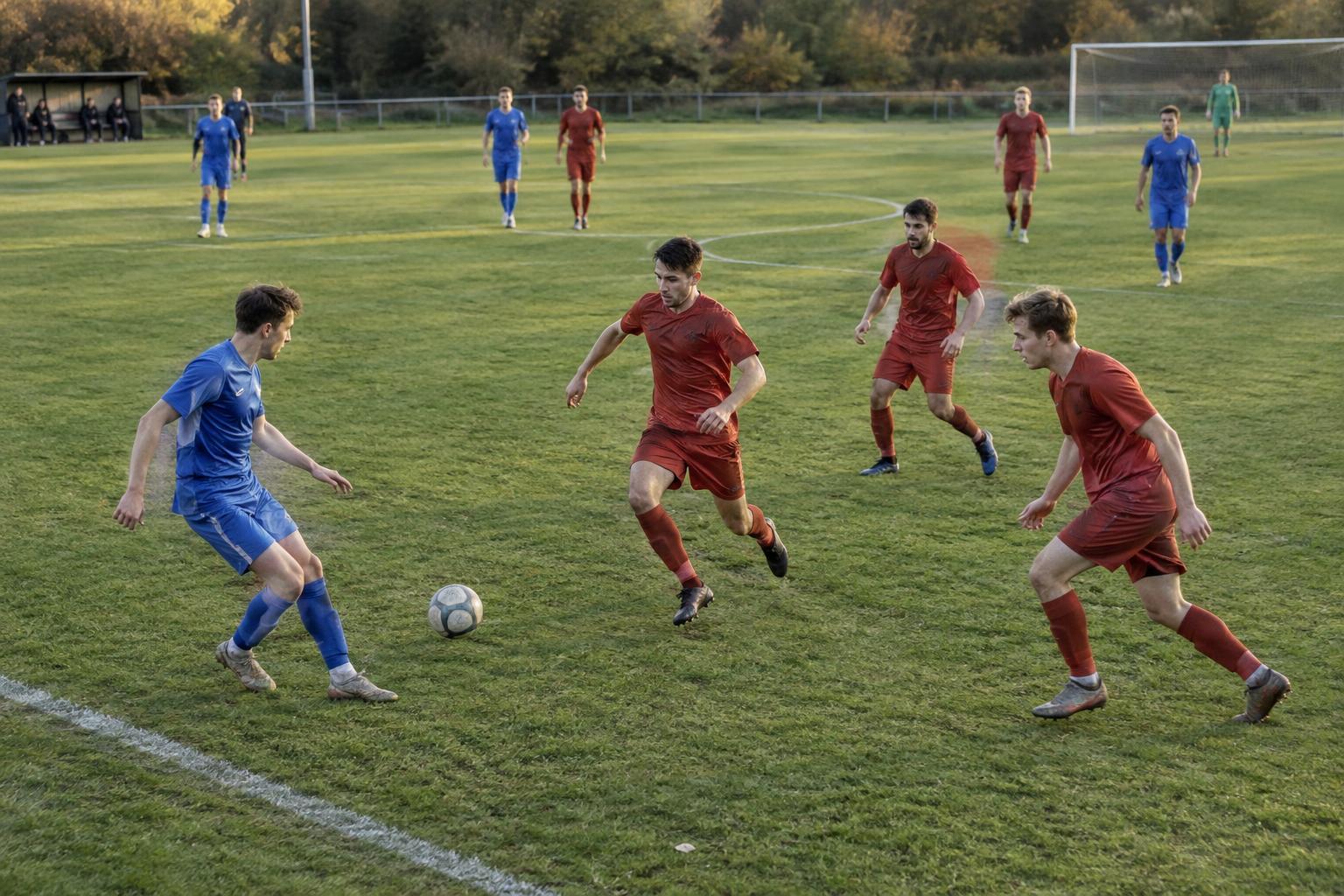
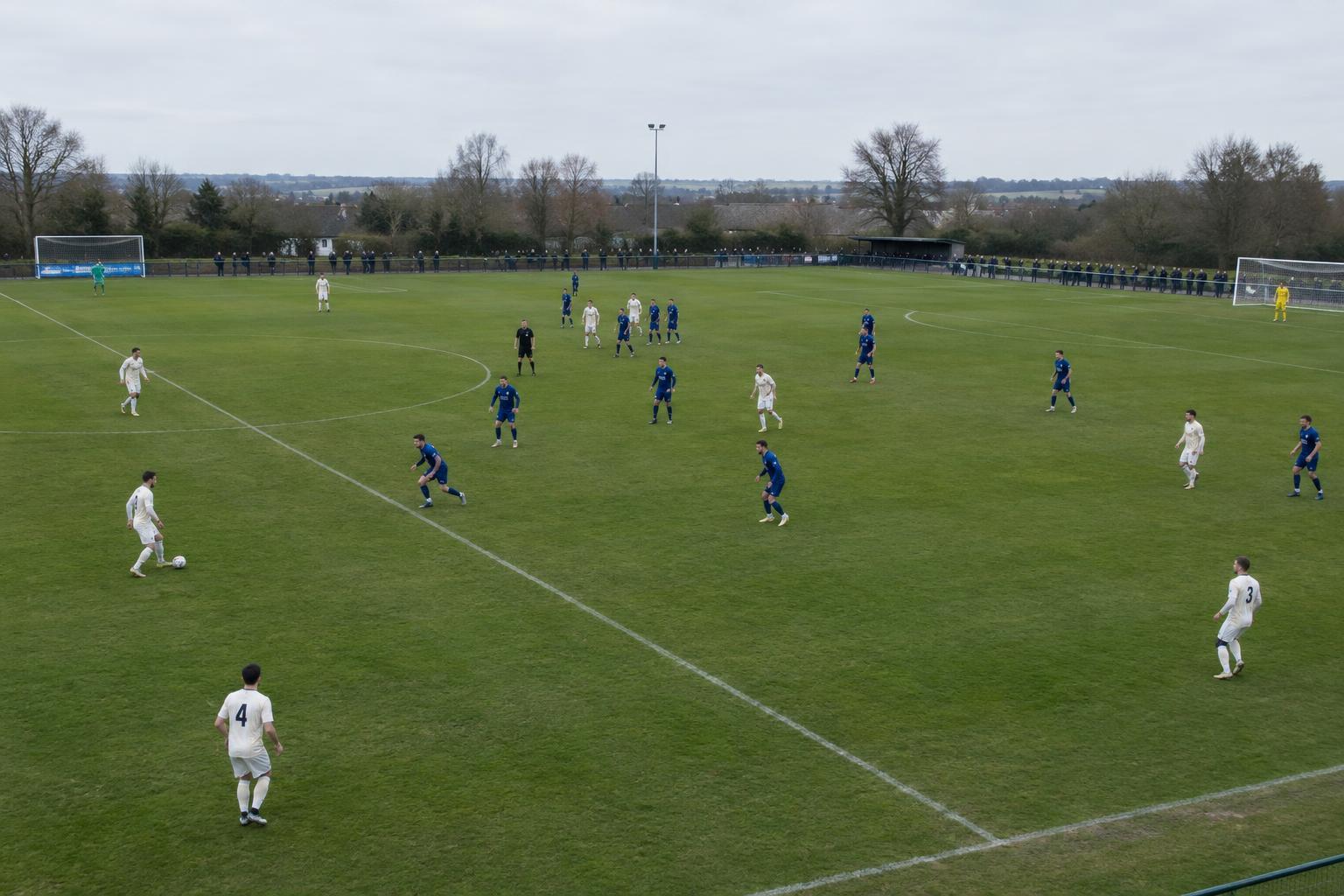
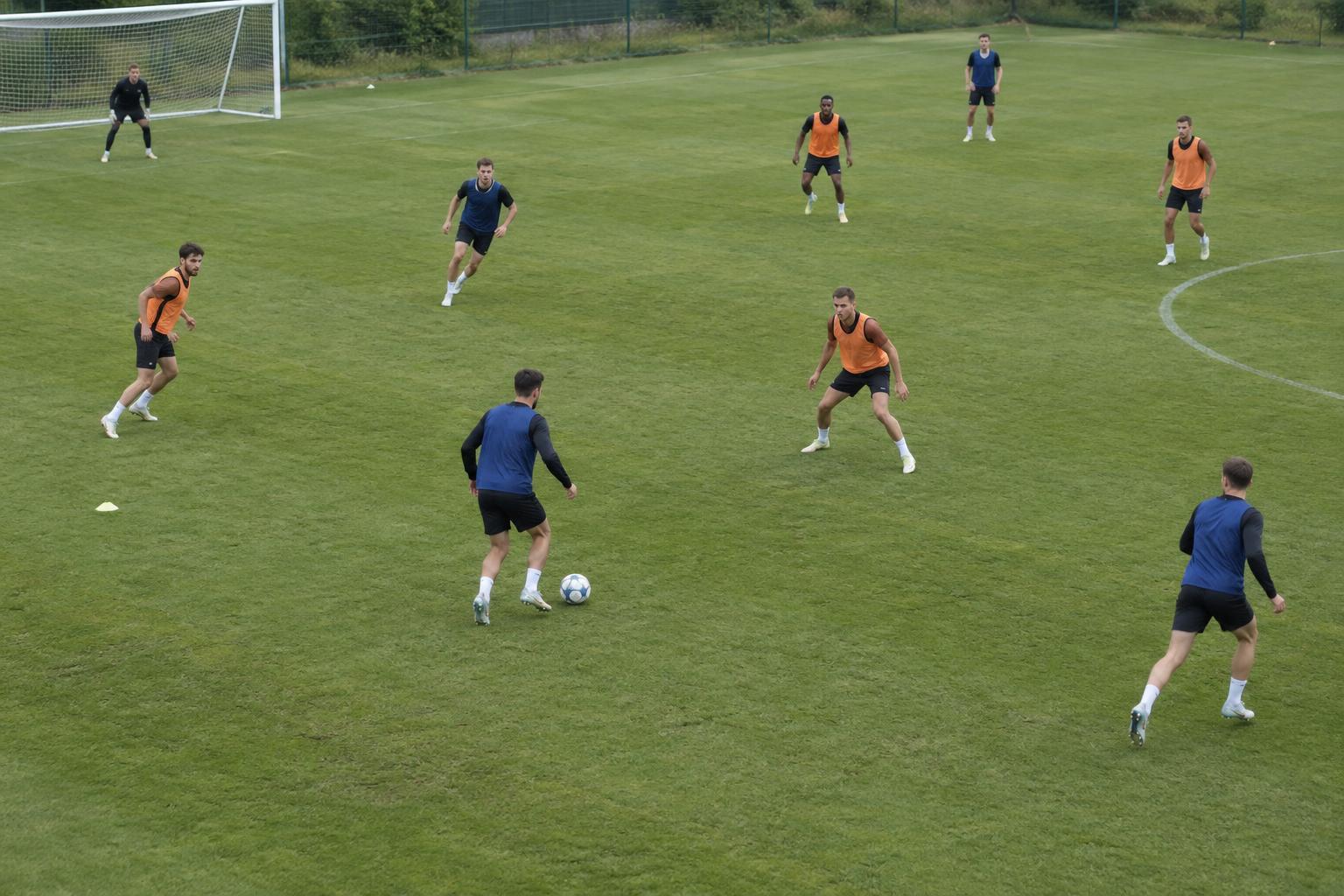
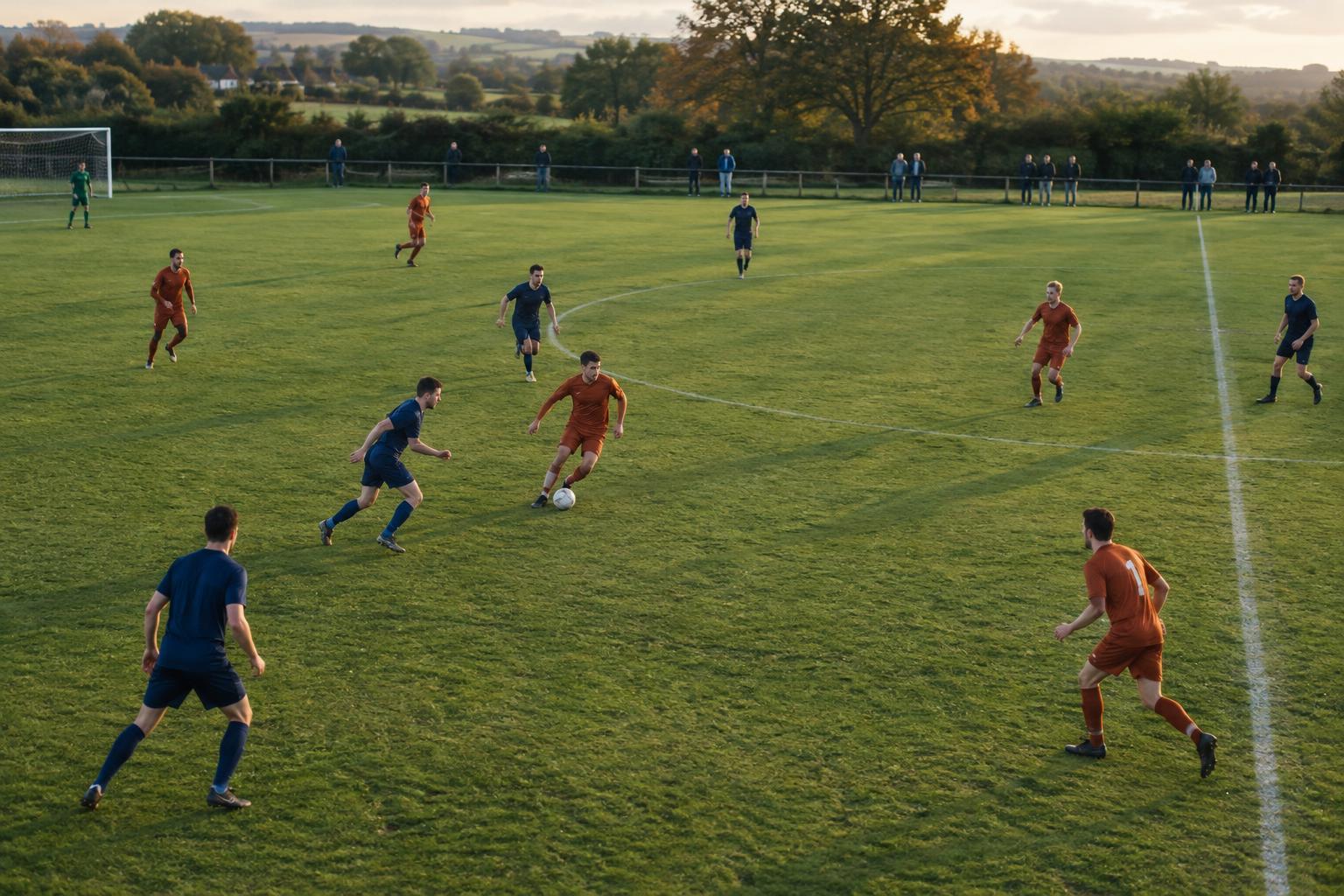
A formation is a useful starting point, but it describes where players tend to line up rather than everything they do. Two teams shown as 4-3-3 can look entirely different once the ball moves. One may build patiently through midfield; the other may send it forward early. One may press near the opponent’s goal; the other may retreat and protect space behind its defence.
The four phases of play offer a better viewing framework: what a team does with the ball, what it does without the ball, how it reacts when it loses possession, and how it reacts when it wins possession. These phases are not neat, equally long periods. Possession can change in an instant, and a player’s position before that change often determines what happens next. Following all four phases helps reveal not just a team’s preferred shape, but the choices and trade-offs behind it.
In possession: how a team creates space
When a team has the ball, look first at its spacing. Do defenders spread out to help move the ball past a press? Does a midfielder drop towards them, or stay higher to receive between opponents? Wide players might remain near the touchline to stretch the defence, while others move inside to combine. These movements show which routes towards goal the team is trying to open.
Tempo matters too. Short passes are not automatically cautious, and long passes are not automatically direct attacks. A team may circulate the ball to draw opponents out before playing forward quickly. Another may pass over midfield because a forward can receive under pressure or chase into space. The useful question is not simply how many passes a team makes, but what those passes are intended to change.
Also watch the players who are not joining the attack. A defender holding a central position or a midfielder staying behind the ball may be preparing for a possible loss of possession. That precaution can limit the number of players available near goal, but it may leave the team better placed to stop a counterattack.
Out of possession: where a team chooses to defend
Defending starts with a decision about where to challenge the opponent. A team pressing high tries to disrupt play close to the opposition goal, often by steering passes towards an area where several defenders can close in. A team defending deeper may allow passes in less dangerous areas while guarding the space near its own goal. Neither approach works on its own: players need to move together so that pressure on the ball does not open an easy pass elsewhere.
Notice the distances between the defensive lines and the spaces a team seems willing to concede. Some teams protect the centre and invite play wide. Others press a wide receiver aggressively but risk leaving room behind the player who steps out. The position of the forwards is revealing as well. Even when they do not tackle, they may block passes into midfield and influence which direction the opponent plays.
Defensive choices often reflect attacking intentions. A compact team may hope to win the ball with room to break into. A high press may aim to regain possession near goal. To understand the plan, watch what happens after the ball is won.
After losing the ball: the defensive transition
The first moments after possession is lost can expose a team’s priorities. Players may immediately press the new ball carrier, especially if teammates are close enough to help. This can interrupt a counterattack or produce a quick regain. But if the first challenge is bypassed and there is little cover behind it, the opponent may find open space.
Another team may respond by retreating quickly into a more secure defensive shape. That can protect dangerous areas, though it may give the opponent time to settle on the ball. Most teams vary their response according to where the ball is lost and how their players are positioned. A turnover near the opponent’s goal, with several players nearby, presents a different problem from one that occurs when both full-backs are far forward.
When watching this phase, focus on the player nearest the ball and the teammates behind them. Do they close passing options, delay the attack or sprint back towards goal? Their coordinated response tells you more than one enthusiastic chase.
After winning the ball: the attacking transition
Regaining possession creates a choice. A team can attack before the opponent recovers its shape, or secure the ball and begin a more patient move. A quick break needs more than speed: the ball carrier needs a usable forward pass, and teammates need to run into spaces the opposition has left. If those options are absent, keeping possession may be the more effective choice.
Compare where and how a team wins the ball with what it does next. A regain high up the pitch may lead to an immediate shot or pass into the penalty area. A regain near its own goal may require a first pass away from pressure before an attack can develop. Over several possessions, patterns become visible: which players provide the outlet, who makes supporting runs, and whether the team prefers an early attack or a reset.
The four phases work best as one connected lens. An attacking shape affects protection against counters; a defensive shape affects the chances available after a regain. By tracing those connections, you can see why a team plays as it does rather than judging its tactics from a formation graphic alone.