What positional play tries to achieve
Positional play is an approach to organising a team in possession. Its aim is to give the player on the ball several useful choices while making it harder for opponents to cover them all. Coaches may divide the pitch into lanes and zones to help players understand where to stand, but those areas are guides rather than permanent assignments. A winger can come inside, a midfielder can move wide, and a defender can carry the ball forward if teammates adjust around them.
The key question is not whether every player has reached a prescribed spot. It is whether the team has a workable shape around the ball: support nearby, a route forward when one opens, an option to switch play, and enough cover if possession is lost. Spacing, passing lanes and rotations are different parts of that same problem.
Using space without crowding the ball
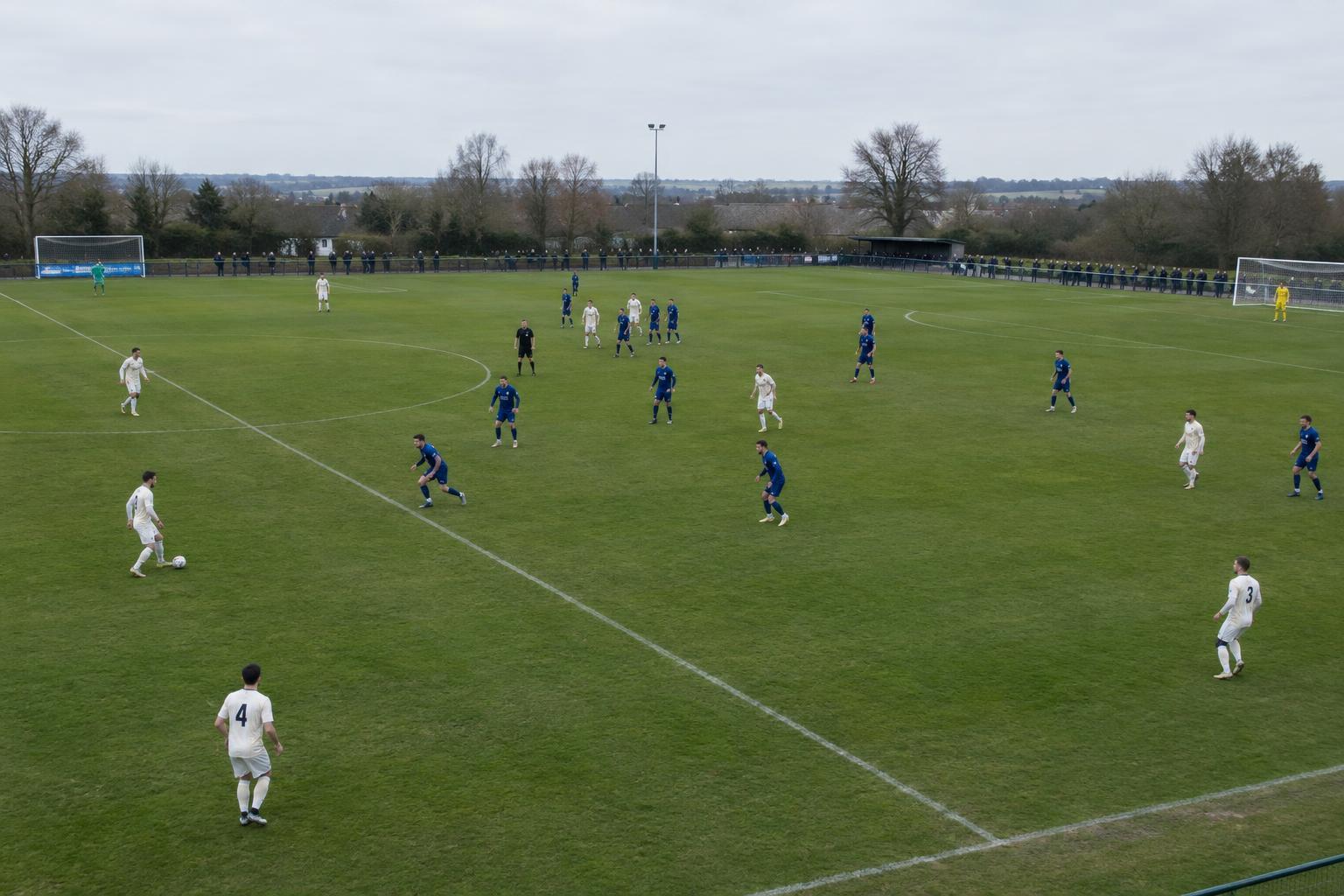
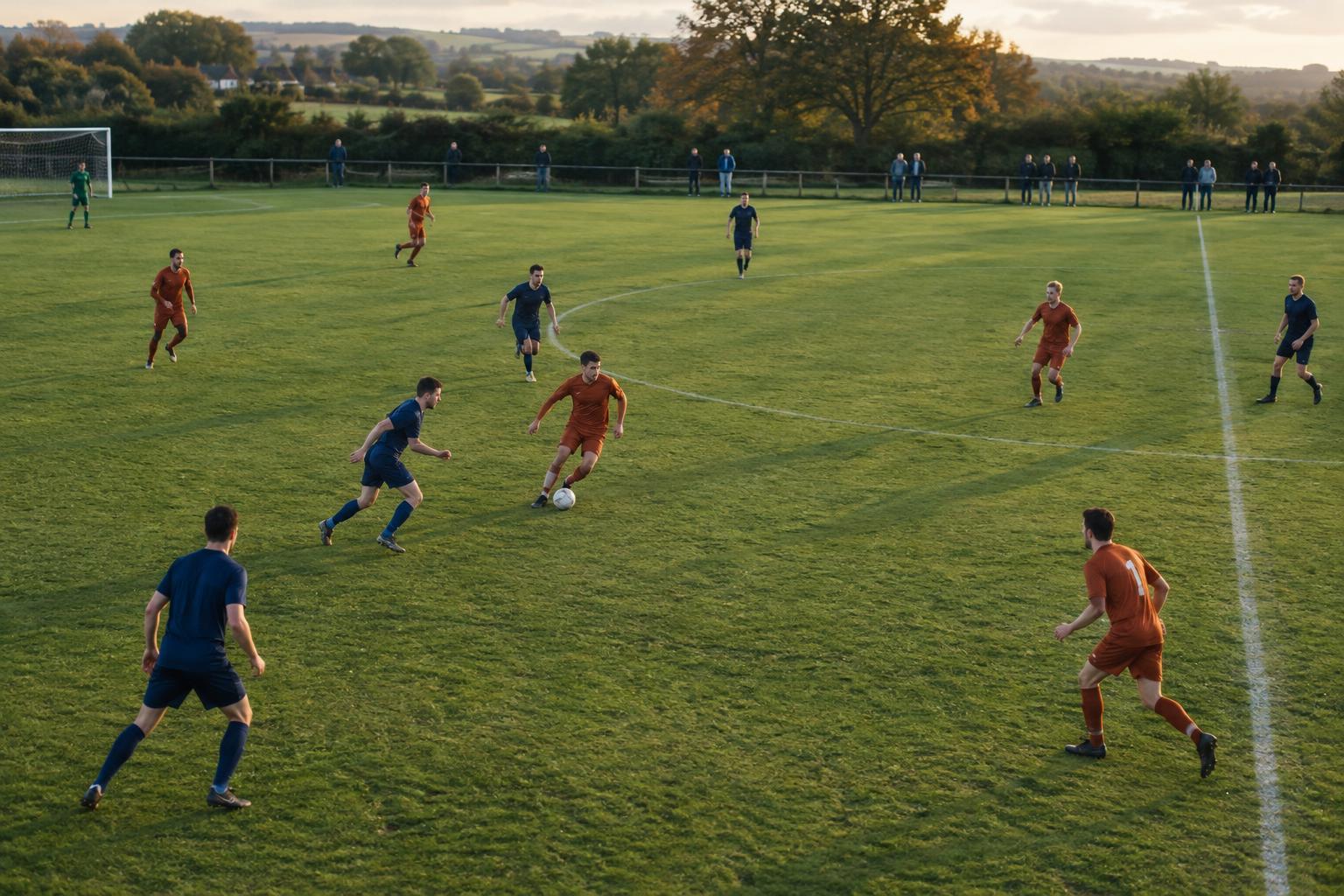
Space matters even when no one receives a pass in it. A wide player who stays near the touchline can make an opposing full-back choose between following them and protecting an inside channel. A forward who occupies a centre-back may give a midfielder more room to receive. Neither player needs to touch the ball to influence the defence.
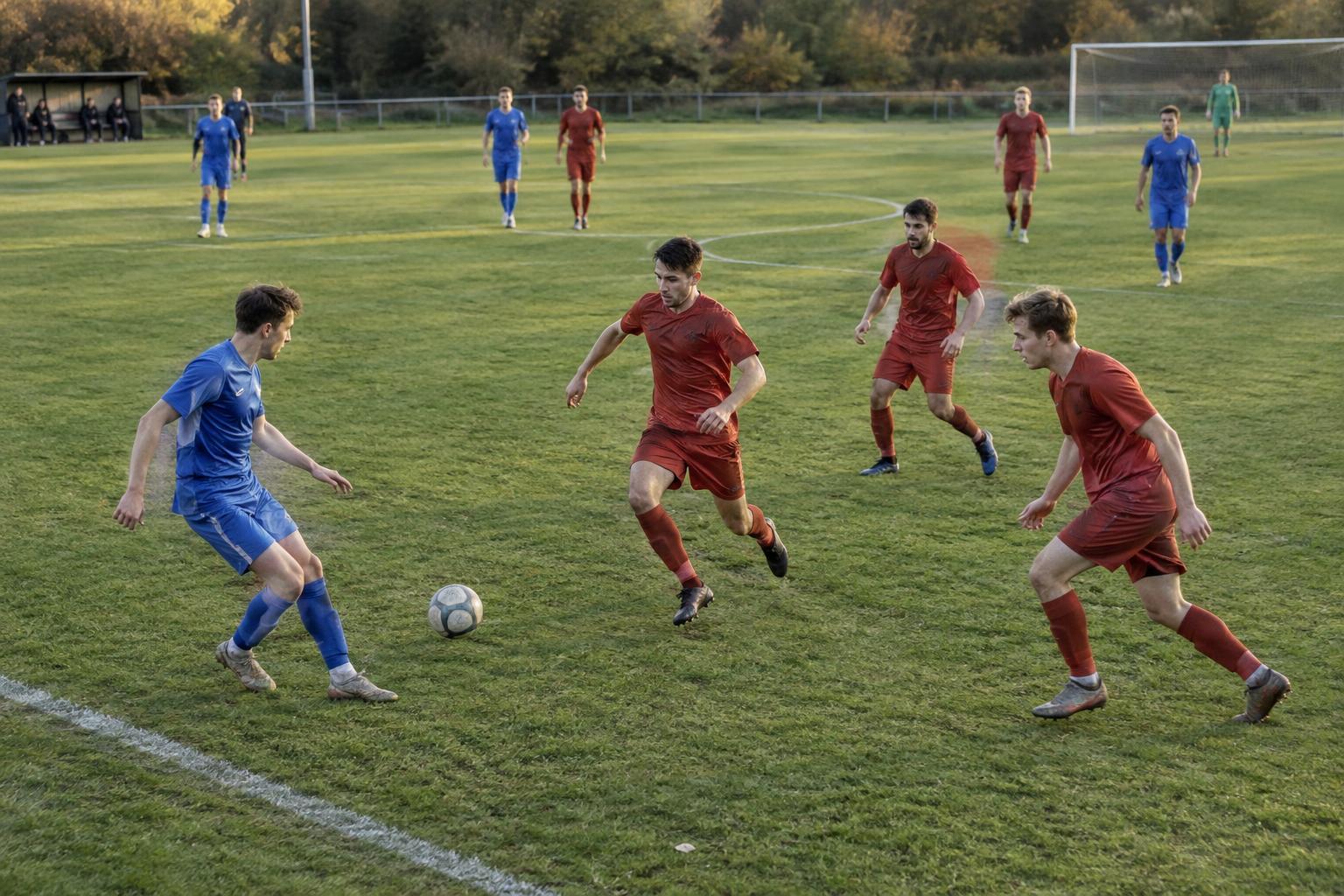
Good spacing also helps teammates avoid getting in one another’s way. If three attackers all move toward the ball, one defender may be able to pressure the pass and block the next option at the same time. By occupying different widths and depths, the attackers ask defenders to cover more than one route. This can create room between opponents, behind them, or on the far side of the pitch.
Width is not an instruction to keep every player on the outside, just as depth does not mean sending everyone forward. A team needs connections between its players. The distance that works depends on the situation: close enough to combine and support the ball carrier, but far enough apart that one defender cannot close several options at once.
Making a passing lane useful
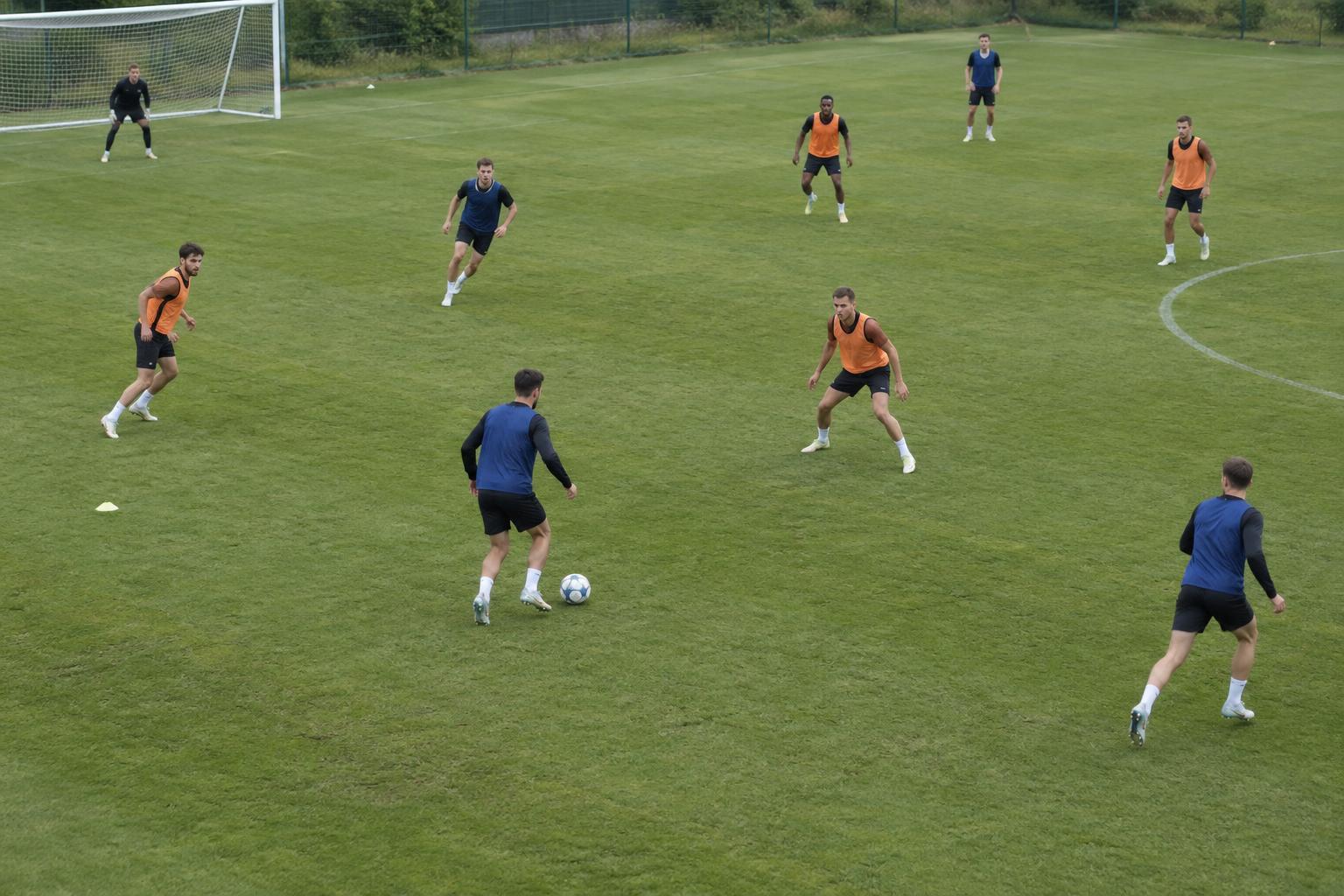
A passing lane is a route from the ball carrier to a teammate. It can appear open from the stands but still be a poor option if a defender can intercept the ball or immediately trap the receiver. The receiving player’s body position matters too. Someone facing only their own goal may be able to keep possession, while someone who can turn may also be able to advance it.
Small movements can change the angle of a lane. A midfielder might step a few paces away from an opponent’s cover shadow, the area behind a pressing player that their position helps block. A centre-back might carry the ball forward to draw a defender before passing around them. In each case, movement changes what the defender can protect; the pass becomes valuable because of the choice it forces.
Not every pass should go forward. Passing back or across can move opponents and open a better forward lane on the next action. The useful test is whether a pass improves the team’s position or preserves the chance to do so, rather than whether it immediately gains ground.
Why players rotate positions
A rotation is an exchange of positions or responsibilities between teammates. For example, a winger may move inside while a full-back advances into the wide space they leave. The movement can unsettle defenders: does the full-back follow the winger, or stay outside to meet the advancing player? The answer may open a passing lane for one of them.
Rotations work best when they preserve the team’s overall balance. If a midfielder drops between defenders to help build an attack, another player may move into the space the midfielder has vacated. Without that adjustment, the team could gain an easy pass near its own goal but lose its next connection further forward. The purpose is not movement for its own sake; it is to change the available options without leaving important spaces unattended.
Reading the whole pattern
To spot positional play during a match, watch a few players away from the ball. Notice who holds the width when someone drifts inside, who offers a diagonal pass, and who stays behind the attack. When a defender steps out to press, look for the space that decision leaves. A move may begin several passes before the final chance, with patient positioning making the eventual opening possible.
The same shape will not work against every opponent. A compact defence may invite a switch of play, while aggressive pressing may leave space behind the first line. Positional play gives teams a framework for responding, not a guarantee that a particular passing pattern will succeed. Its strength lies in helping players recognise where space is available, how to connect to it, and how to remain organised when the ball moves.