Decide what you want from football
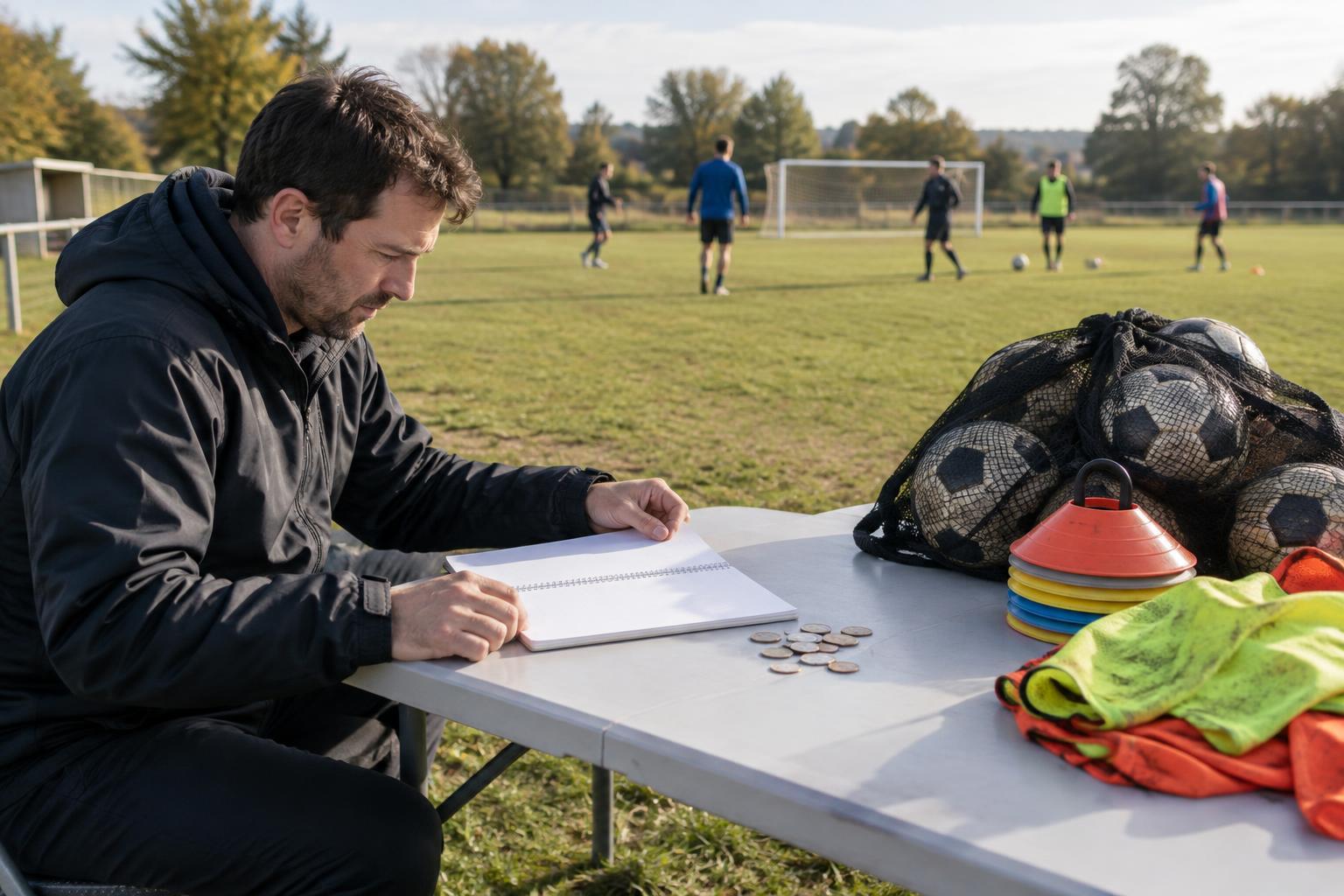
Before searching for a team, think about the kind of week you want football to be part of. Are you looking for a regular competitive match, a relaxed kickabout, a way to improve your fitness or a chance to meet people? Amateur football can include small-sided games, recreational groups and clubs that train and play in organized leagues. None is automatically the best place to start; the right choice is one you can enjoy and attend consistently.
Consider the practical details as well as the standard of play. How far can you travel for training and home matches? Can you commit to weekends, or would an evening game work better? If you have not played for a while, a welcoming recreational session may help you rebuild confidence before joining a match squad. If you want coaching and a settled team, ask whether training is a regular part of the club’s routine.
Look in more than one place
Start with people who already play nearby. Friends, colleagues, neighbours and local community groups may know teams seeking players or open sessions where newcomers can join in. Local sports centres and pitches can also be useful starting points: noticeboards, reception staff or venue listings may point you toward groups that use the facilities.
Online, search for your area alongside terms such as amateur football, five-a-side, Sunday football or beginners’ football. Club and league pages can help you identify teams, while community groups may advertise casual games. Treat a listing as an introduction rather than a complete picture. Check that it is still active, and contact the organizer before travelling to a session. If the first few teams you find are full, ask whether they know another group at a similar level.
Make a clear first approach
A short, friendly message is enough. Say where you are based, what sort of football you hope to play, your general experience and when you are available. You do not need to present yourself as a finished player. Being honest about your level helps a coach or organizer suggest a suitable session.
Ask the questions that will help you show up prepared: Where and when does the group meet? Is there space for a new player? Is the first session a trial, an open training night or a match? What should you bring, and are there any session fees or ongoing club costs? If you are interested in league matches, ask how the team handles registration and selection. Responses may take time because many amateur teams are run by volunteers; a polite follow-up is reasonable if you hear nothing back.
Get ready for your first session
Check the pitch surface before choosing footwear, and bring comfortable sports clothing, water and any protective equipment required by the group. Arrive a little early so you can find the right pitch, introduce yourself and hear how the session works. You may want to start at a manageable pace, especially if it has been a while since you played.
On the pitch, simple communication and effort matter more than trying to prove everything at once. Listen to instructions, share the ball and ask where the team would like you to play. You can mention a preferred position, but flexibility may give you more opportunities while everyone gets to know one another. A first session is also your chance to observe: do people welcome new players, explain unfamiliar routines and play in a way you feel comfortable with?
Choose a team you can keep turning up for
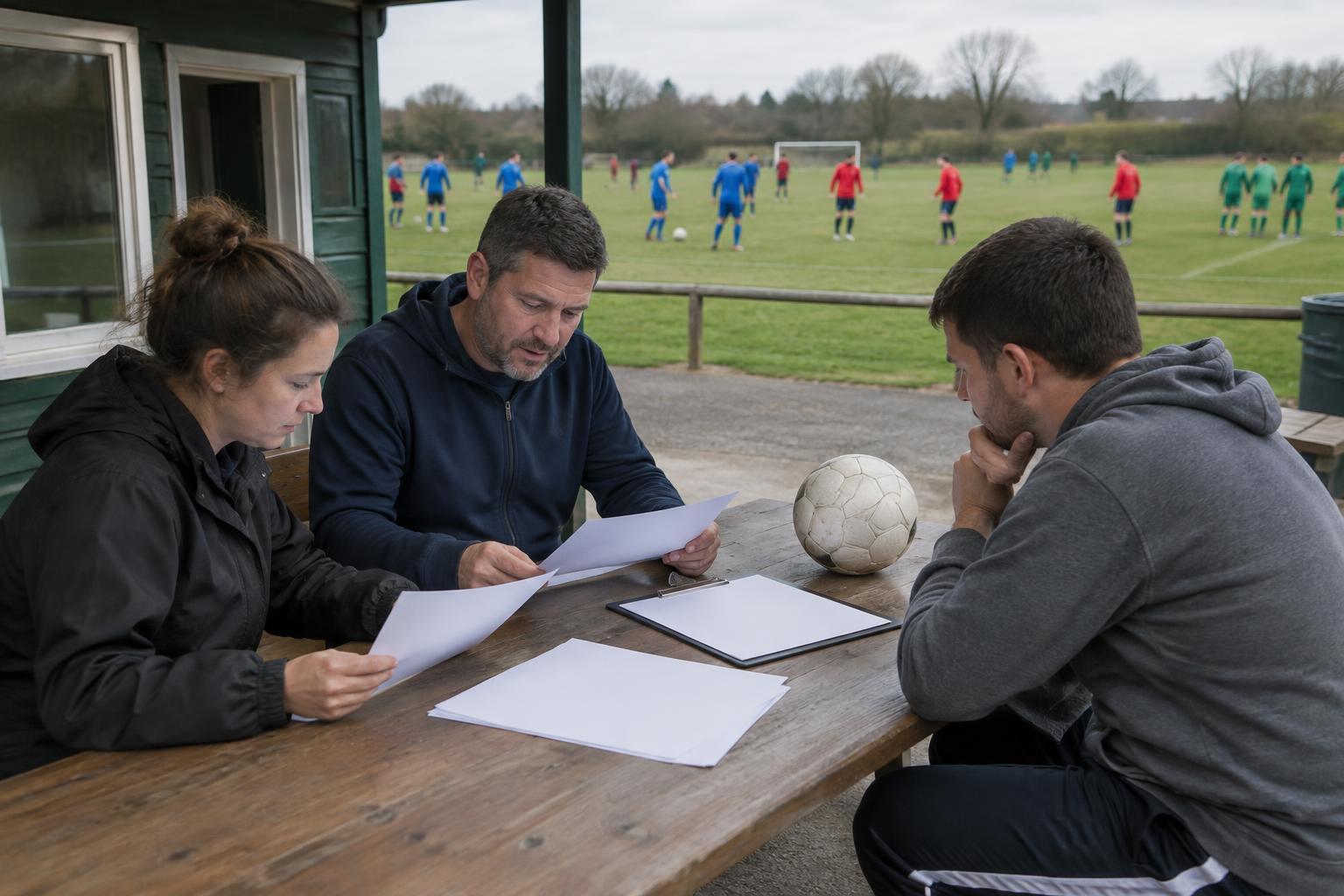
After a session, ask what joining would involve. Find out how often the team trains and plays, whether attendance is expected, how match-day squads are chosen and what costs you would need to cover. If joining requires forms or permission to play in a competition, let the organizer explain the process rather than assuming you can play immediately. For a young player, a parent or guardian should be involved in checking the club’s arrangements and who supervises sessions.
Skill level is only part of the fit. A team might be strong but too far away, or convenient but more competitive than you enjoy. Notice whether its communication is clear and its expectations are realistic for your schedule. It is fine to try more than one group before committing. Once you find one that feels right, reliability goes a long way: reply to messages, arrive when you say you will and let the organizer know when you cannot attend. That is how a first visit starts to become a place in the team.