Decide what the club is for
Before choosing a name or ordering shirts, gather a small group and agree on the club’s purpose. Is it a casual weekly game, a team that hopes to enter a local competition, or a place for people who have found it difficult to join existing clubs? Those aims can overlap, but one clear starting point makes decisions about costs, training and recruitment easier.
Think about who the club can realistically serve at first. An open invitation sounds welcoming, yet players may need to know the intended age group, playing level, location and expected commitment. Ask prospective members what they want rather than assuming that everyone is looking for the same experience. A simple statement of purpose gives newcomers a fair picture of what they are joining.
Build a dependable core group
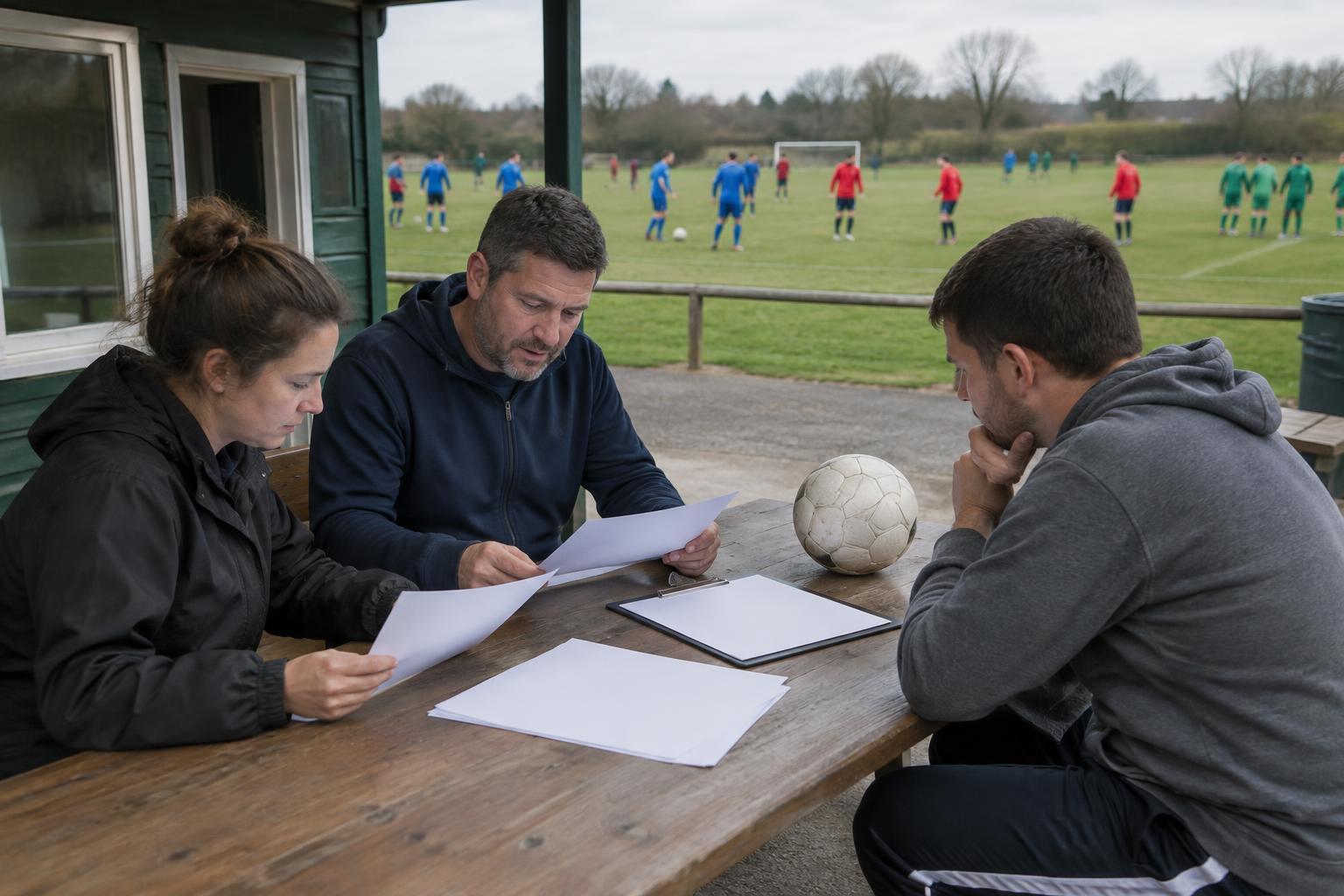
A club needs more than enough players to fill a team. It also needs people who will answer messages, welcome newcomers, organise equipment and turn up when the weather is poor. Start with a small core group willing to share these jobs. Give each task an owner, even if roles are informal, so that one enthusiastic person does not quietly become responsible for everything.
Agree on a straightforward way to make decisions and communicate them. A group chat may handle routine updates, while occasional meetings can settle bigger questions such as fees or competition entry. Write down decisions that affect everyone. As the club grows, clear responsibilities and a consistent way to raise concerns help keep disagreements from becoming personal.
Find a place and a repeatable routine
Look for a pitch or suitable training space that people can reach regularly, not just a venue that looks ideal on paper. Ask the provider about availability, permitted use, changing facilities, storage and what happens if conditions make the surface unplayable. If the club intends to host matches, check that the space meets the relevant competition’s requirements before making a long-term commitment.
Start with a schedule the core group can sustain. A reliable weekly session gives new players an easy point of entry and shows whether interest holds beyond the first few weeks. Plan for enough balls, bibs and basic first-aid supplies, but avoid buying everything at once. A trial period can reveal what the club needs and what members are prepared to help maintain.
Make costs and responsibilities visible
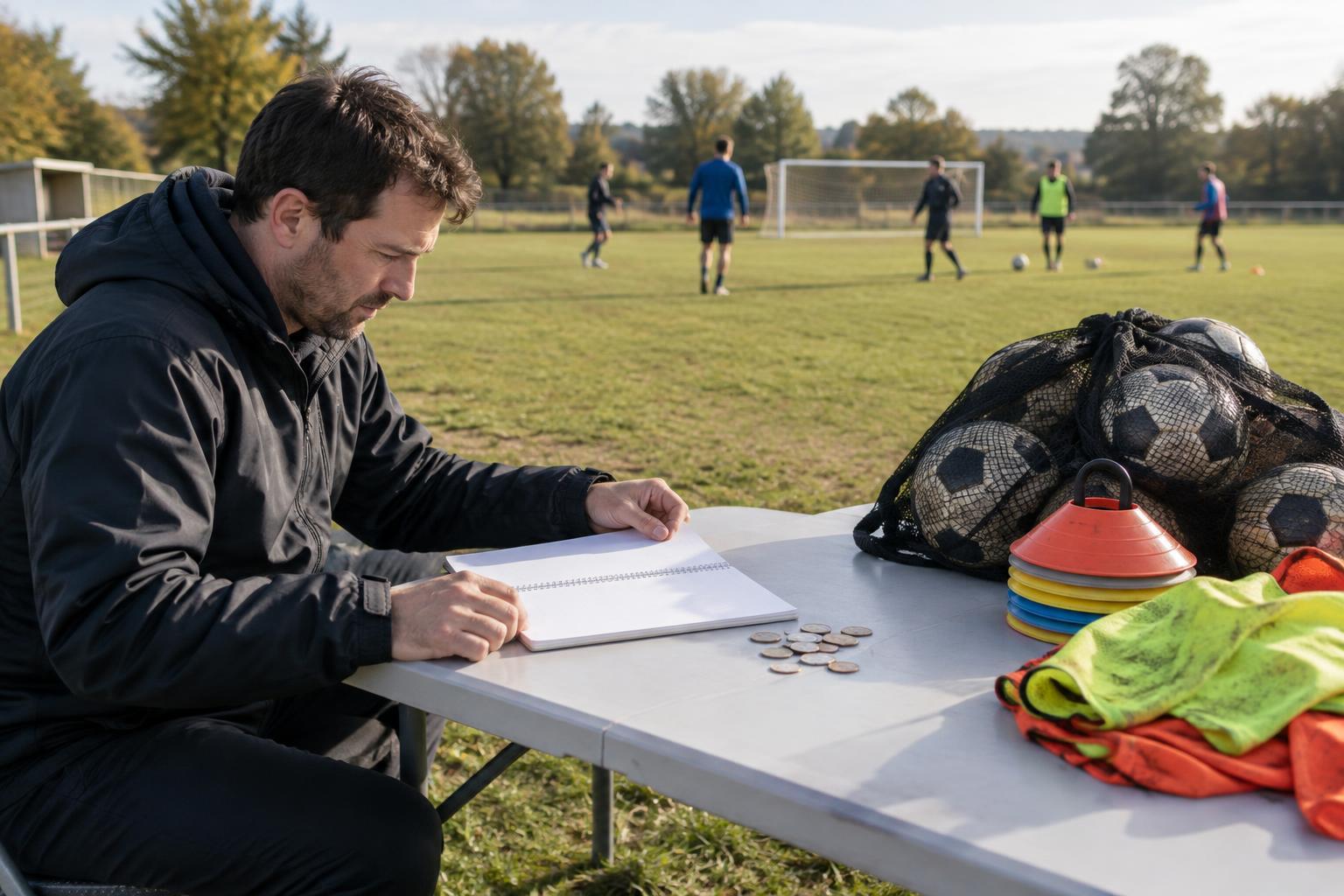
List likely expenses before collecting money: pitch hire, equipment, match fees, travel and any other costs linked to the format you choose. Then decide how members will contribute and what happens if someone cannot pay immediately. A modest, clearly explained budget is more useful than an ambitious plan that depends on uncertain fundraising.
Keep a record of money received and spent, and make it accessible to the people responsible for the club. Before organised play begins, check the local rules and requirements that apply to your setting, including any expectations around registration, insurance and safeguarding. Requirements can vary by location, competition and the ages of participants, so use the relevant local organisations’ guidance rather than relying on assumptions.
Create a welcoming first experience
Recruitment works best when people know what to expect. A short invitation can state where and when sessions take place, whether beginners are welcome, what to bring and whom to contact. At the session itself, introduce newcomers, explain the plan and avoid letting established friends form a closed circle. Small habits like sharing teams fairly can shape the club’s culture more than a polished badge.
After a few sessions, ask what is working and what feels difficult. Are the times convenient? Do players feel they get a game? Are volunteers managing their tasks? Use those answers to adjust before adding another team, entering a competition or spending heavily on kit. A community club does not need to look fully formed on day one. It needs a routine people trust and enough care behind the scenes to keep that routine going.