Why football communities hold tributes
A football ground is more than a place to watch a match. For many people, it is where they see friends, follow family routines and feel connected to a wider community. When someone associated with that community dies, a tribute can offer a shared moment of remembrance. It may honour a former player, a supporter, a member of staff or people affected by a tragedy.
There is no single way a football crowd grieves. Some tributes are arranged by a club or competition; others grow from supporters’ own traditions. The form may reflect the person being remembered, the wishes of those close to them and the customs of the local fan base. Understanding that variety is a useful starting point: the aim is to make room for remembrance, not to judge whether one kind of response is more sincere than another.
Common customs and what to expect
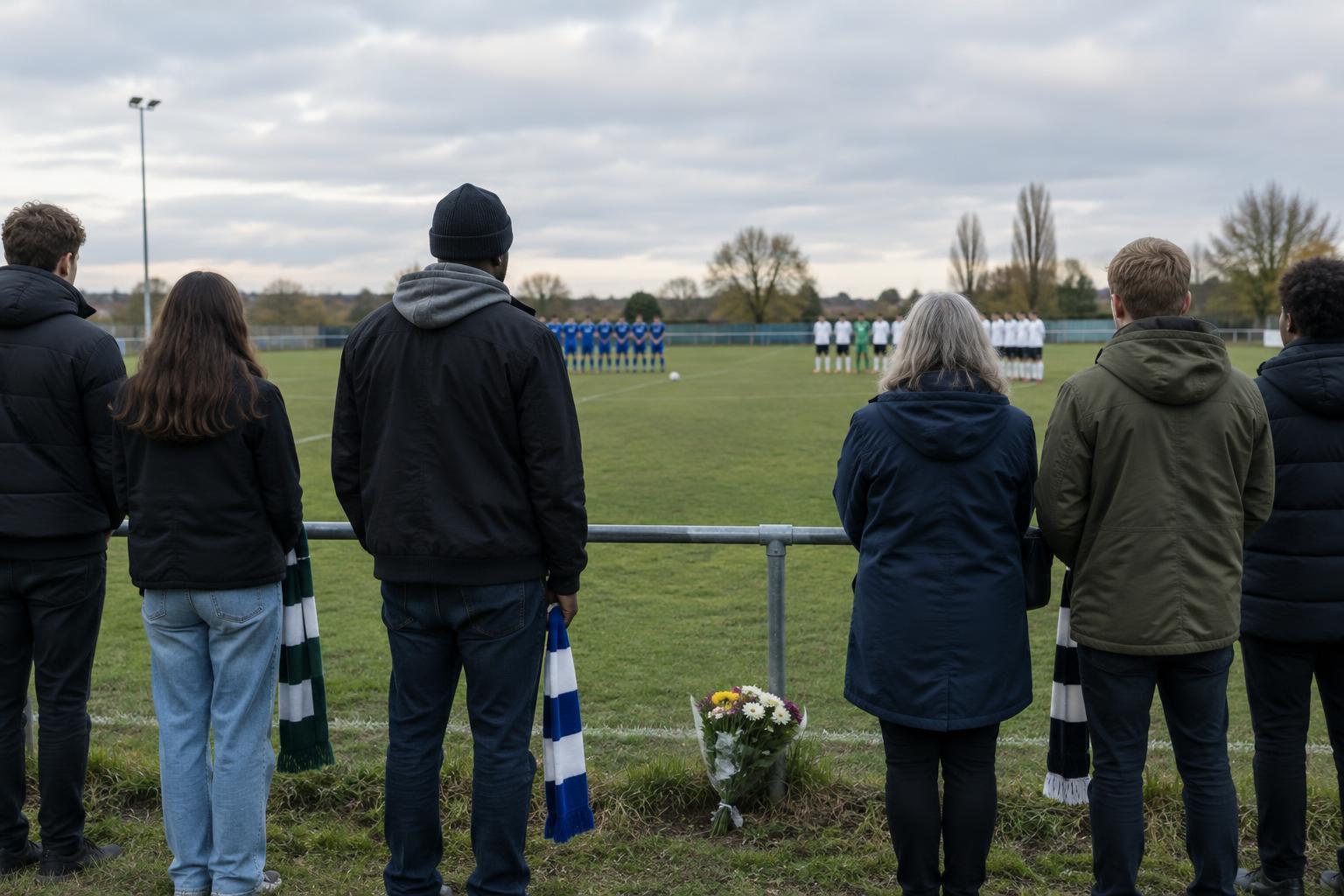
A minute’s silence asks the crowd to pause, usually before play begins. The ground may become completely quiet, though outdoor noise and people entering late can make perfect silence unlikely. A period of applause offers a different kind of collective response. Supporters might clap at a specified moment before the match or during play, sometimes joined by players and staff. Neither custom is inherently more respectful; what matters is following the occasion as it has been arranged.
Tributes can also take visual or musical forms. Players may wear black armbands, a message may appear on a stadium screen, or supporters may bring a banner, flowers or scarves. A familiar song can become a way to remember someone, especially when it carries meaning for the people involved. These gestures may happen alongside a silence or applause rather than replacing it.
If you are unsure what is planned, listen to the stadium announcement and take your cue from those around you. A club’s pre-match information may also explain the timing or purpose of a tribute. Arriving with enough time to settle into your place helps you avoid moving through a row during a quiet moment.
Taking part without assuming everyone feels the same
Respectful participation can be simple. During a silence, stop talking, put your phone away and remain still where it is safe to do so. During applause, you can join in if you wish. If a tribute begins while you are in a concourse or queue, pause if practical and follow any directions from stadium staff. You do not need to know the person’s full story to treat the moment with care.
People’s responses to loss differ. Someone may find a crowd tribute moving; another may find it difficult or prefer to remain quiet during applause. Children may not immediately understand what is happening. A brief, calm explanation can help them take part without making them feel responsible for performing grief. Leave space for others to respond privately, and avoid challenging a stranger over how visibly they participate.
A match can bring together rival supporters, but remembrance need not be treated as a test of loyalty. Refraining from chants, jokes or gestures that interrupt a tribute is a basic courtesy, even when the person or club being honoured is not your own. Once the announced moment ends, ordinary match noise can resume.
Banners, flowers and sharing images
Supporter-made tributes can be meaningful, but good intentions do not remove practical responsibilities. Check the ground’s rules before bringing a banner or other display: size, materials and placement may be restricted. Keep exits, sightlines and accessible spaces clear, and cooperate if stewards ask you to move something. If you want to leave flowers or another item, use a designated area when one is provided rather than choosing a spot that could obstruct people or require staff to clear it immediately.
Consider privacy before posting photographs or video. A wide image of an organised display is different from a close-up of someone who is visibly grieving. It is also worth checking names and circumstances before adding a caption; repeating an uncertain story can cause hurt. Sharing a tribute is optional. Being present for the moment without recording it is a complete way to participate.
The value of a brief shared pause
A memorial tribute cannot express everything a life meant to family, friends or a community. Its strength lies in offering a small, public acknowledgment within a familiar setting. For some, that shared pause is a comfort; for others, the most important remembrance happens away from the stadium.
As a supporter, you do not have to find perfect words or make a grand gesture. Pay attention to what has been arranged, respect the people closest to the loss and allow others their own response. Those small choices help make a football ground a place where remembrance can sit alongside the game.