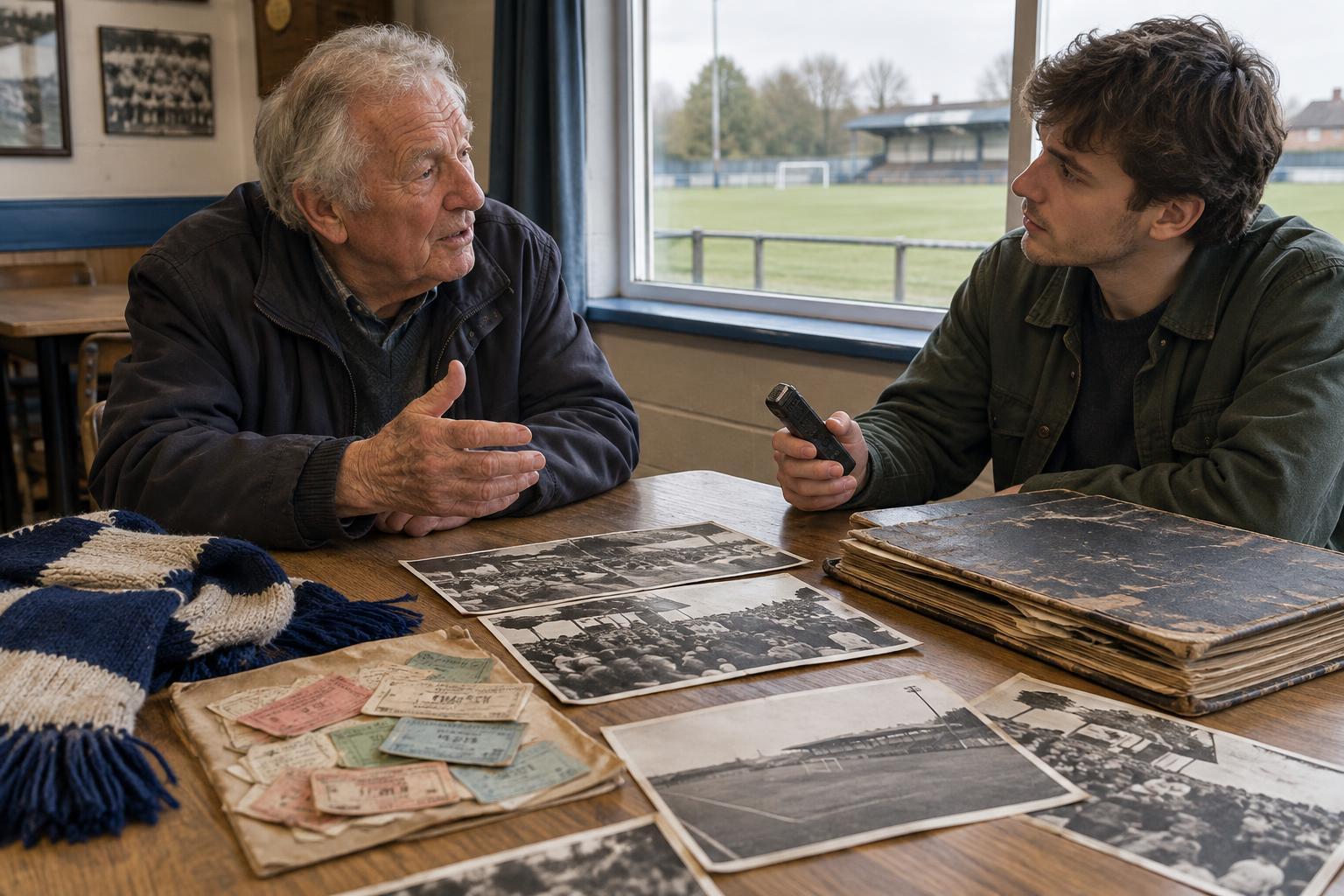
Start with curiosity, not a claim to belonging
Supporting a club from another country can begin with a televised match, a family connection or a player who catches your attention. Over time, the result may matter less than the rituals around it: the familiar faces in the stands, the songs and the stories people tell about past seasons. You do not need to live near a stadium to care about those things. You can, however, approach them knowing that local supporters may have a different relationship with the club.
For many local fans, following a team is woven into ordinary life. They may pass the ground on the way to work, have relatives who took them to matches or see the club affect their neighbourhood on matchdays. Ask what a tradition means rather than assuming you already understand it. Being open about how you found the club makes conversation easier than trying to prove that you are its most devoted supporter.
Find supporters where you are
Connecting with local fans can mean finding supporters near your own home as well as speaking with people in the club’s home city. A viewing group, amateur football team or community gathering can turn a solitary match into a shared occasion. If you find a supporters’ group online, check whether it welcomes newcomers and what its meetups are like. Going once to listen and introduce yourself is enough; you do not need to know every song or historical line-up.
If there is no group nearby, you could invite a few friends to watch a match or arrange a casual kickabout. Not everyone needs to support the same club. Shared habits often grow from simple things: agreeing on a regular meeting place, making room for people who are new to football and letting conversation continue after the final whistle. A small, welcoming gathering can feel more connected than a large one built around proving who knows the most.
Use online spaces as a bridge
Online discussions can help you hear how supporters close to the club experience a match. Look for spaces where people discuss more than scores: travel to the ground, youth football, old programmes or the meaning of a particular chant. Read the room before joining in. Some groups are social spaces for long-standing members, while others are set up to welcome questions from newcomers.
A thoughtful question usually travels further than a demand for an explanation. If someone shares a memory, respond to that experience rather than turning it into a debate about who counts as a real fan. Remember, too, that online supporters do not speak with one voice. People from the same area can disagree about the team, the atmosphere and the club’s direction. Listening to several perspectives gives you a fuller sense of the culture without treating any one person as its spokesperson.
Learn traditions without copying them blindly
Songs, scarves, meeting places and matchday routines can make following a club feel tangible from afar. Their meanings are not always obvious. A song may refer to a neighbourhood, an older player or a rivalry whose history you do not yet know. Learning the context before repeating the words is a practical form of respect, especially when a chant involves another community or has changed meaning over time.
The same care applies to clothing and symbols. Wearing a shirt can be a way to start a friendly conversation, but it is not a shortcut to someone else’s experiences. If you are curious about a local custom, ask about it without expecting a fan to provide a complete lesson. You can also build rituals of your own, such as watching with the same friends or keeping notes on matches, without presenting them as longstanding club traditions.
Make a visit about more than the match
If you have the chance to visit the club’s home city, treat the trip as a chance to learn, not a test of your supporter status. Read ticketing information in advance and follow the rules for the part of the ground you attend. Arrive with time to notice how people move through the area and where supporters choose to gather. Be considerate when taking photographs: a busy street, pub or stand is part of someone else’s day, not just a backdrop for yours.
Support for a club can also include an interest in the place around it. Visiting independent shops, learning about local football at different levels or attending a community match, where welcome, can widen your understanding. None of this obliges local fans to host you or approve of how you follow the team. The strongest connections tend to grow through repeated, ordinary exchanges: showing up, listening, sharing the game and making space for other people’s ties to it.