The matchday begins before kick-off
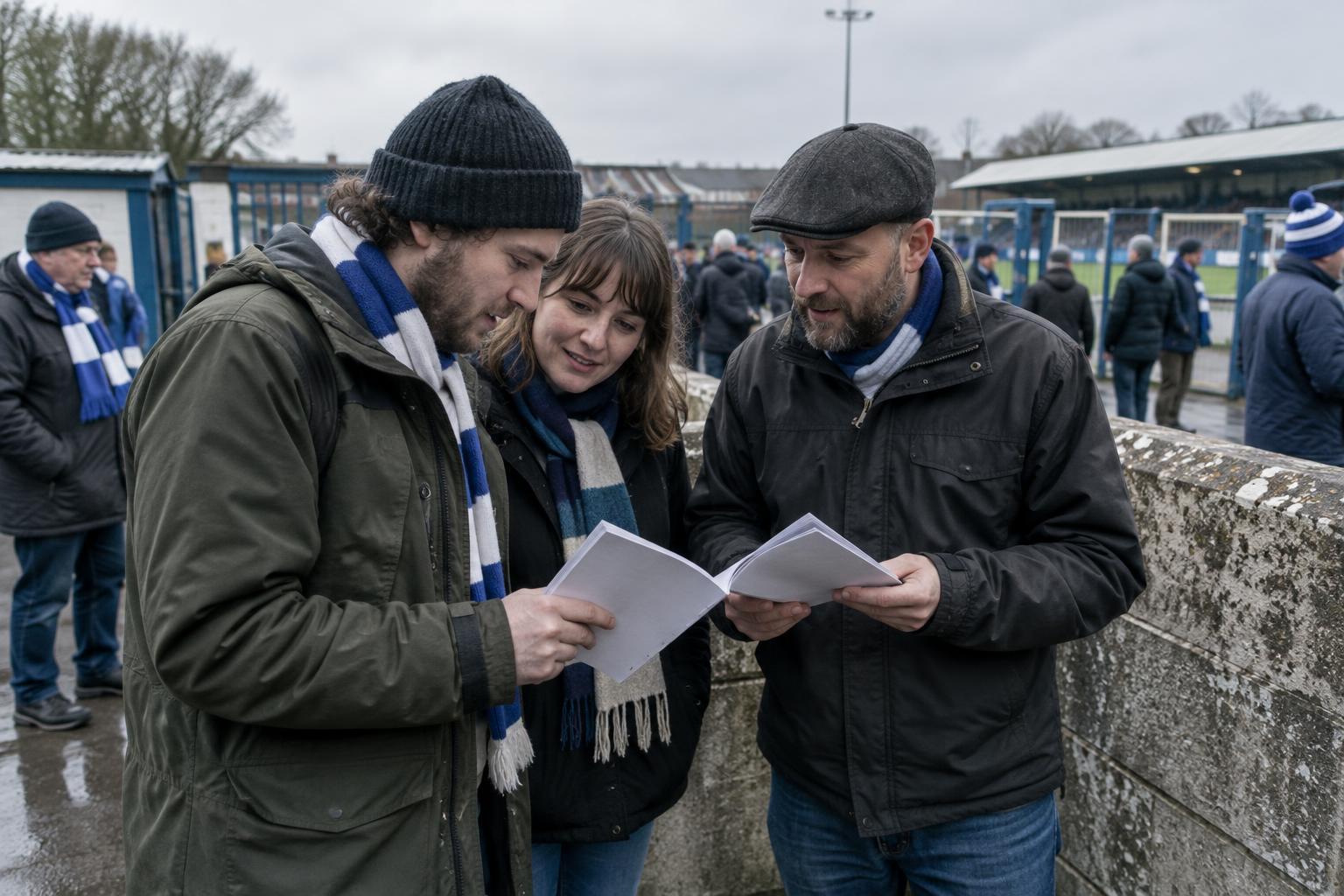
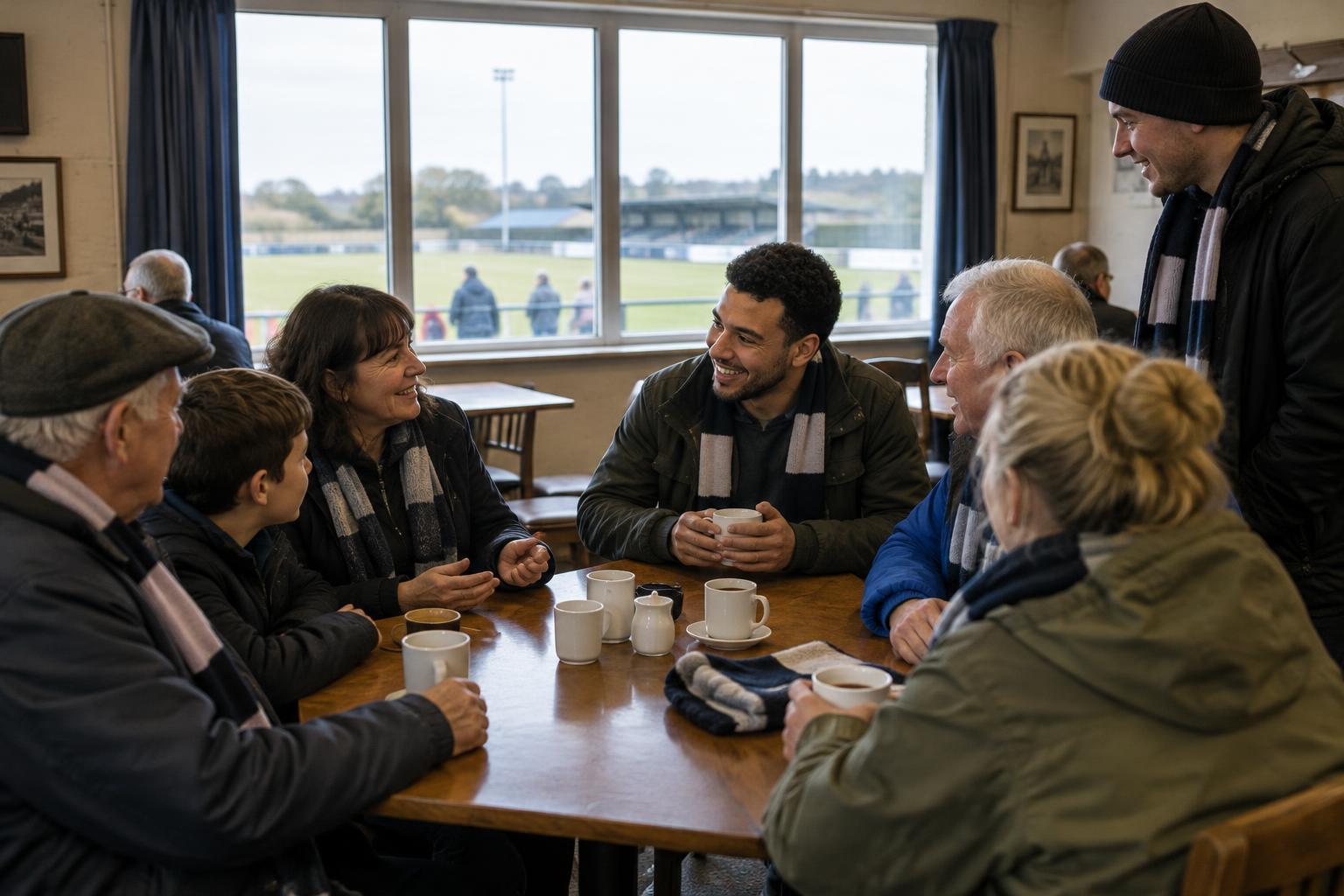
For many supporters, matchday starts at a familiar table rather than a turnstile. Friends meet to discuss the team, compare journeys and settle into the rhythm of the day. A pub might serve as the gathering point, but so might a café, a market stall, a community hall or a spot outside the ground. What matters is that people know where to find one another.
These routines can make football feel shared rather than simply watched. Meeting beforehand gives regulars time to catch up and offers people attending alone a chance to join a conversation. After the match, the same place may help supporters make sense of what they have seen. The result can shape the mood, but the habit of gathering often outlasts any single scoreline.
Where stories and traditions are passed on
Supporter culture is carried through conversation. In a meeting place, someone might explain the origin of a song, recall an earlier visit to a ground or show a newcomer how their group usually travels to away matches. These stories are not always tidy or universally agreed upon. Different generations may remember the same moment differently, and that exchange is part of the culture.
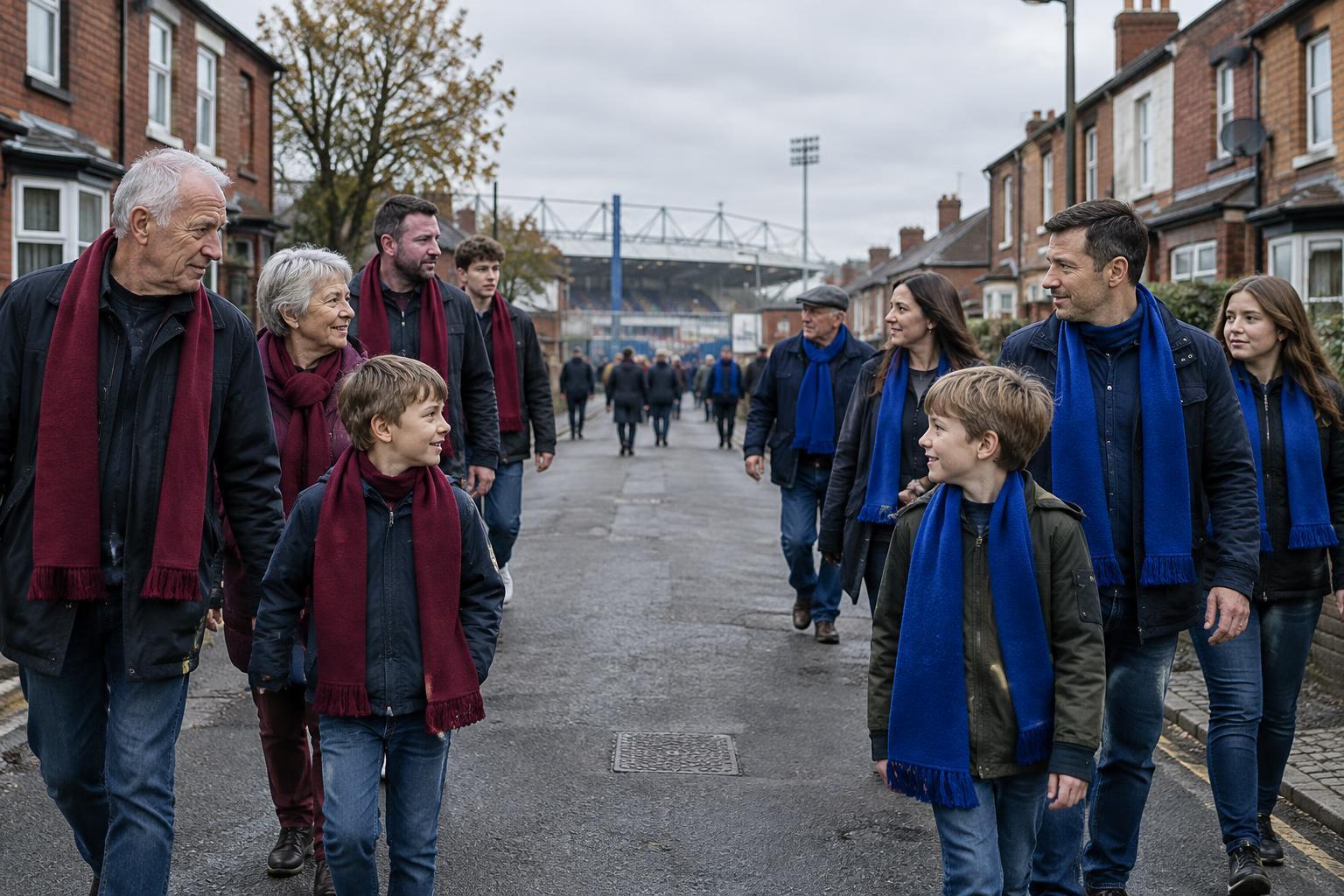
Small customs also take hold in shared spaces: meeting at the same corner, taking a familiar route to the ground or greeting people who sit in another part of the stadium. Such practices help make a large crowd feel more personal. They give supporters a way to recognise each other even when they do not know every name.
More than a place to buy a drink
Pubs have a visible place in football culture, particularly where they are close to grounds or transport routes. Yet their social role is broader than the drinks they sell. A dependable venue can provide shelter, a meeting time that is easy to remember and enough space for conversations that would be difficult in a noisy stand.
It is also worth asking who feels comfortable there. Not every supporter drinks alcohol, and some prefer a quieter, cheaper or more accessible setting. Families, younger fans and people with different access needs may find other places easier to use. A supporter community can retain its pub traditions while also making room for cafés, food spots, clubhouses and public meeting points. Having several options makes it easier for more people to take part.
A bridge between the club and the neighbourhood
Meeting places connect a club’s supporters to the streets around its ground. On matchdays, regular local routines meet the movement of people arriving for football. Supporters may come to know the staff at a café, the best place to wait for friends or a quieter route away from the crowd. Those details can build affection for an area as well as for a team.
The relationship works best when visitors remember that the neighbourhood belongs to more than the matchday crowd. Keeping entrances clear, managing noise and treating workers and residents with respect are simple ways to share space well. The same principle matters on away trips: enjoying a new place need not mean acting as though it exists only for visiting fans.
Keeping the door open
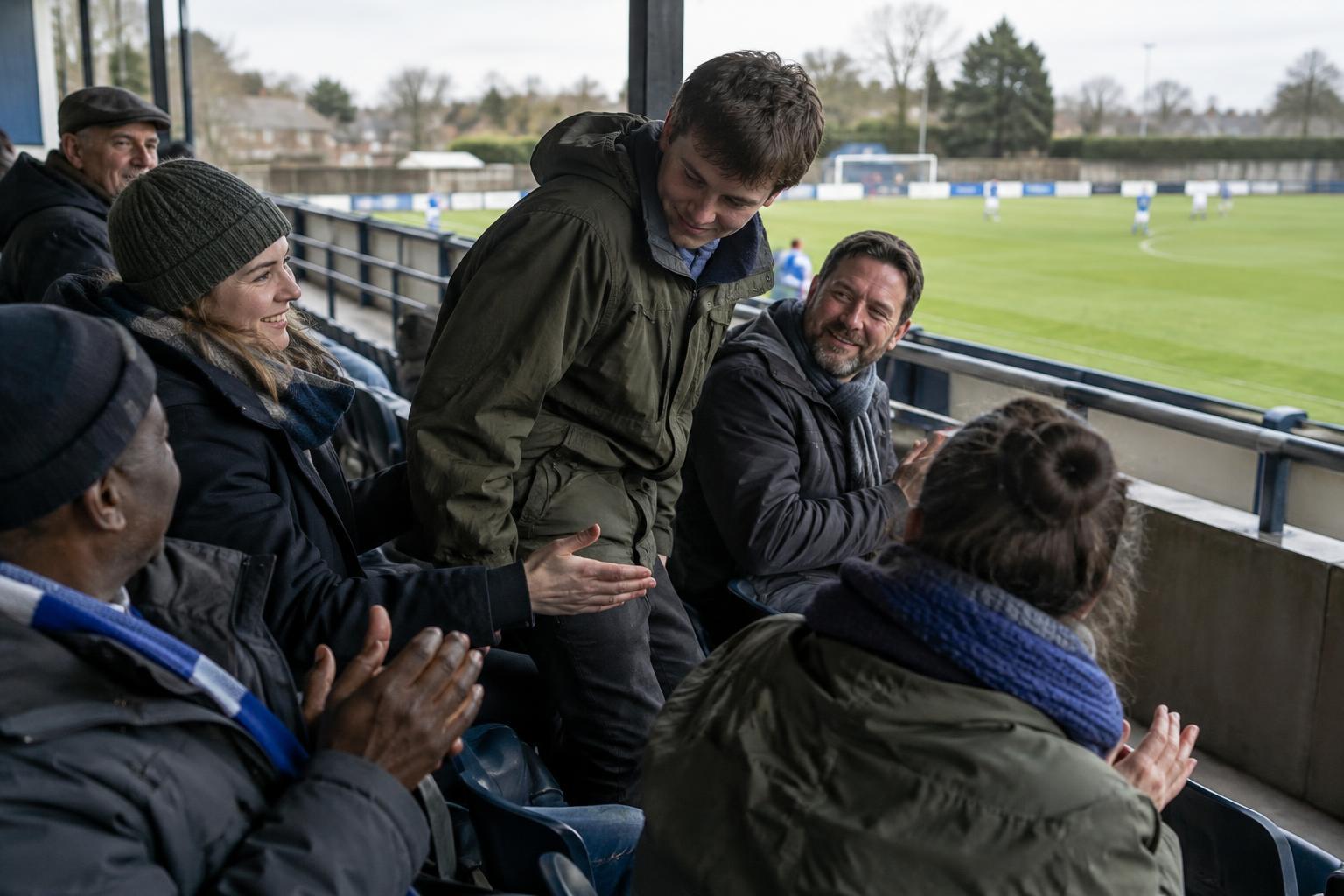
A familiar meeting place can be welcoming, but it can also seem closed to someone who does not know its unwritten rules. Established groups can make a difference through small gestures: sharing clear meeting details, introducing a new face or explaining a tradition without making anyone feel they should already know it. Supporters do not need to agree on every view of the game to make room for one another.
Places and routines may change as people move, venues close or groups grow. The community is not held in one building. It lives in the willingness to meet again, tell stories and help others feel part of the day. Whether the gathering happens over a pint, a cup of tea or a walk to the ground, its value lies in turning a shared interest into lasting human connections.