Two ways of telling a club’s story
Official club media has a clear role. It can announce signings, share interviews, explain ticket arrangements and show parts of club life that supporters might not otherwise see. It also speaks on behalf of the organisation. That responsibility shapes its tone: even when a piece is entertaining, it must consider relationships with players, staff, sponsors and other partners.
A football fanzine begins somewhere else. Whether it is a folded paper sold near a ground or a publication read online, it is usually made by supporters speaking to other supporters. Its contributors can write about the match, but also the journey there, the familiar faces outside the turnstiles or the small frustrations of following the club. Neither form has to replace the other; they answer different questions about what a club means.
Room to disagree
Independence gives a fanzine space to question decisions without having to present the club’s preferred view. Writers might debate ticket policies, stadium changes, recruitment or the way supporters are treated. They can also disagree with one another. A good fanzine need not speak for every fan; its value lies partly in making a point of view visible and open to response.
That freedom carries responsibilities. An opinion is stronger when it explains its reasoning, distinguishes rumour from what is known and avoids turning criticism into a personal attack. Fanzines can get things wrong, and an unofficial voice is not automatically a more accurate one. What they can offer is a place where loyalty to a club does not require agreement with everything the club does.
The details that rarely make an announcement
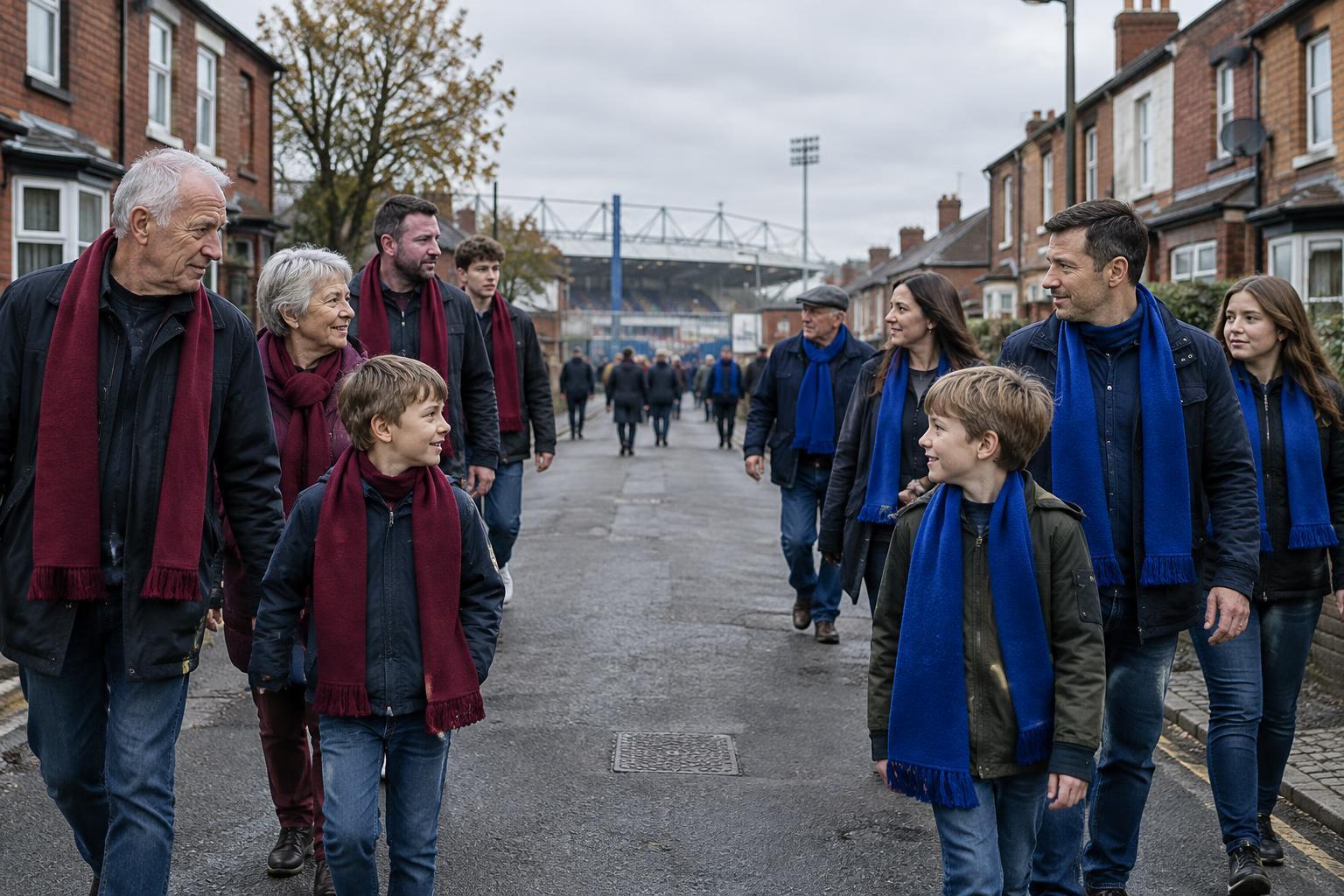
Supporter culture is built from details that do not always fit an official news item: a route to an away ground, an old chant that returns for one afternoon, a parent bringing a child to their first match, or the changing feel of a neighbourhood on matchday. These details may seem minor on their own. Collected over time, they show how people experience football beyond the ninety minutes.
Fanzines can preserve that everyday record in the language supporters use among themselves. Nicknames, running jokes and affectionate complaints tell readers something about a particular place and group of people. Official channels can celebrate supporters too, but a fan-made account often has the freedom to linger on an awkward, funny or unglamorous moment without turning it into a polished club message.
Humour, creativity and a recognisable voice
A fanzine can be serious on one page and ridiculous on the next. Match cartoons, mock awards, personal essays and arguments about a much-loved old shirt can sit beside a careful discussion of the club’s future. This mixture is part of the appeal. Football is not experienced in a single tone, and supporter-made writing can follow a conversation wherever it goes.
The voice also comes from the people who make it. Volunteer editors and contributors may bring different interests, ages and ways of watching the game. At its best, a fanzine invites more people into that conversation rather than treating one section of the crowd as the only authentic fans. Its character grows through contributions, responses and the editorial choices that hold them together.
Why the distinction still matters
When supporters want confirmed club information, official channels are often the natural place to look. When they want to understand how other fans feel about an issue, an independent publication offers a different kind of reading. Knowing which voice is speaking helps readers judge both: a club statement has authority about the club’s own plans, while a fanzine can test how those plans land among the people affected.
The lasting value of a fanzine is not that it is always angry or always right. It is that supporters can tell their own stories, argue in their own words and leave a record of what following the club felt like. Alongside official media, that independent perspective makes the picture of football culture fuller.