A shared place creates the stakes
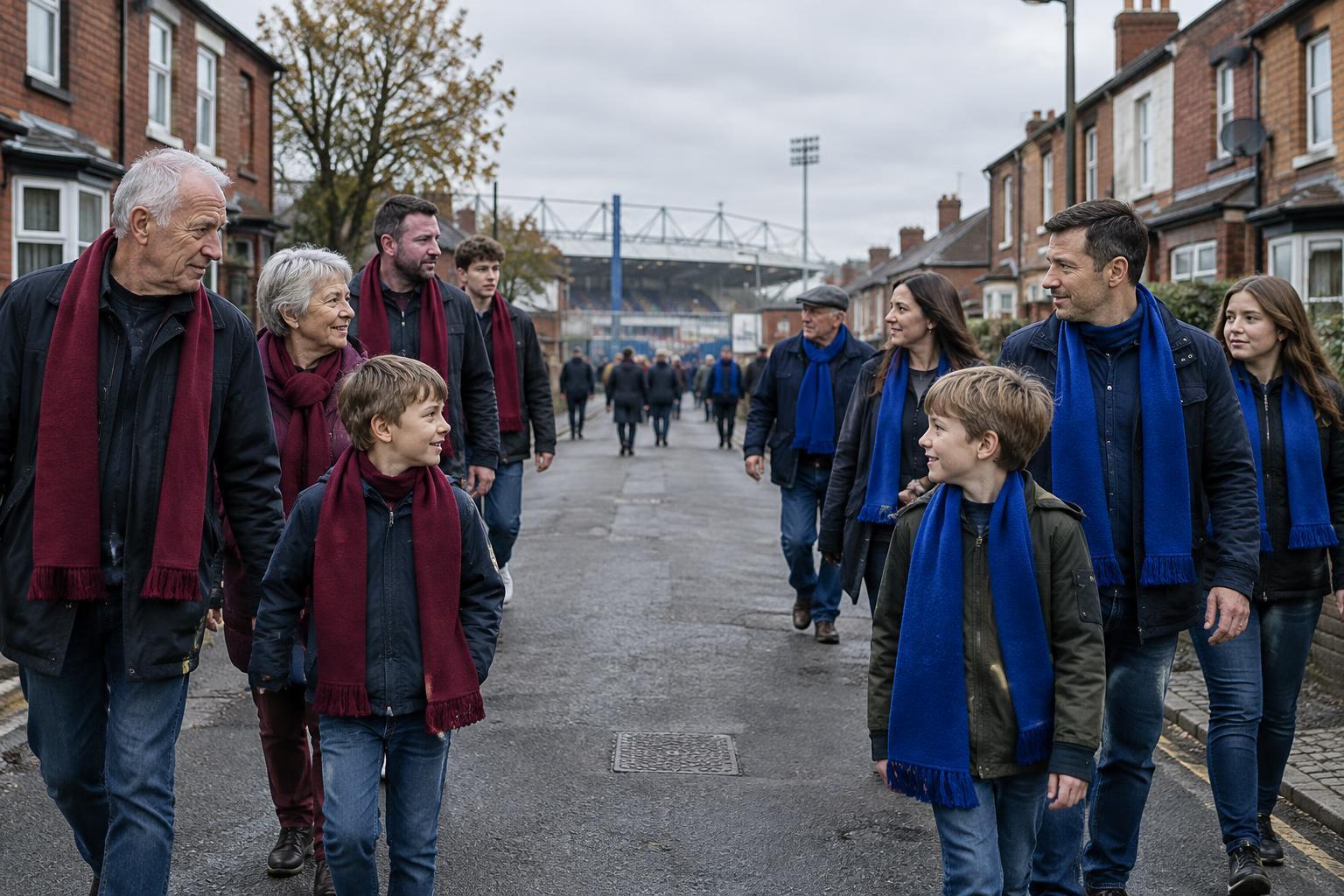
A derby usually begins with proximity. Two clubs may draw supporters from the same city, neighbouring towns or communities linked by work, school and family. Their fans encounter one another away from the ground: on public transport, in shops and around the dinner table. That everyday contact makes a result feel harder to escape than a loss to a distant opponent. The match ends, but the conversation continues.
Geography alone, however, does not guarantee a fierce rivalry. Some nearby clubs have little history of playing at the same level, while others appeal to different groups without much friction. A derby gains force when supporters see the other club as a meaningful point of comparison. Success for one side then changes how the other side talks about its own place in the local football landscape.
Clubs become symbols of belonging
Supporters often inherit a club through relatives, friends or the neighbourhood where they grew up. Colours, songs and familiar routes to the stadium become part of that attachment. When two clubs share a region, those markers help people express a distinction: this is our ground, our stand, our way of following the game. A derby gives that distinction a stage.
Rivalries can also reflect differences in a city’s social or sporting history, but simple labels rarely describe every supporter. A club’s fan base changes over time, and people may support either side for reasons that have nothing to do with a supposed divide. Treating an old contrast as an unchanging fact can flatten a more interesting story. The lasting element is often not a fixed identity, but the habit of defining one’s club in relation to another.
Repeated matches build a shared memory
A single dramatic game can sharpen a rivalry, yet endurance comes from repetition. Supporters remember comebacks, heavy defeats, disputed decisions and the players who appeared in both shirts. Each new meeting offers a chance to answer an old defeat or defend a favourite story. Even a routine league match can acquire weight because fans bring those memories to it.
The meaning of a derby also changes with the competition. A cup tie may offer a rare chance to eliminate a neighbour; a league meeting may matter because both clubs are pursuing the same goal. If the teams spend time in different divisions, the absence of regular fixtures can become part of the story. When they meet again, older memories return alongside new expectations. Rivalry is therefore cumulative, but it is never entirely settled.
Matchday rituals carry the rivalry forward
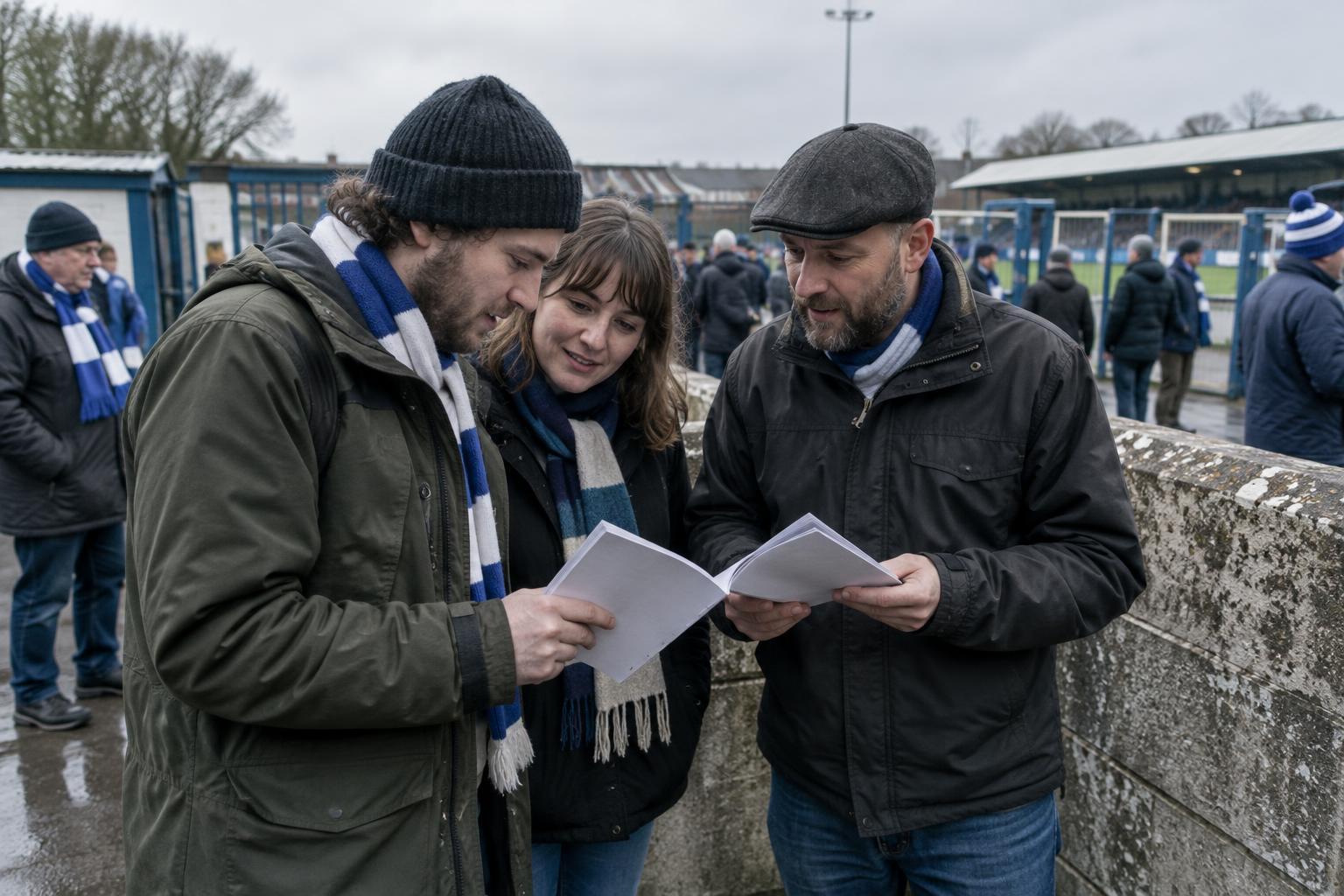
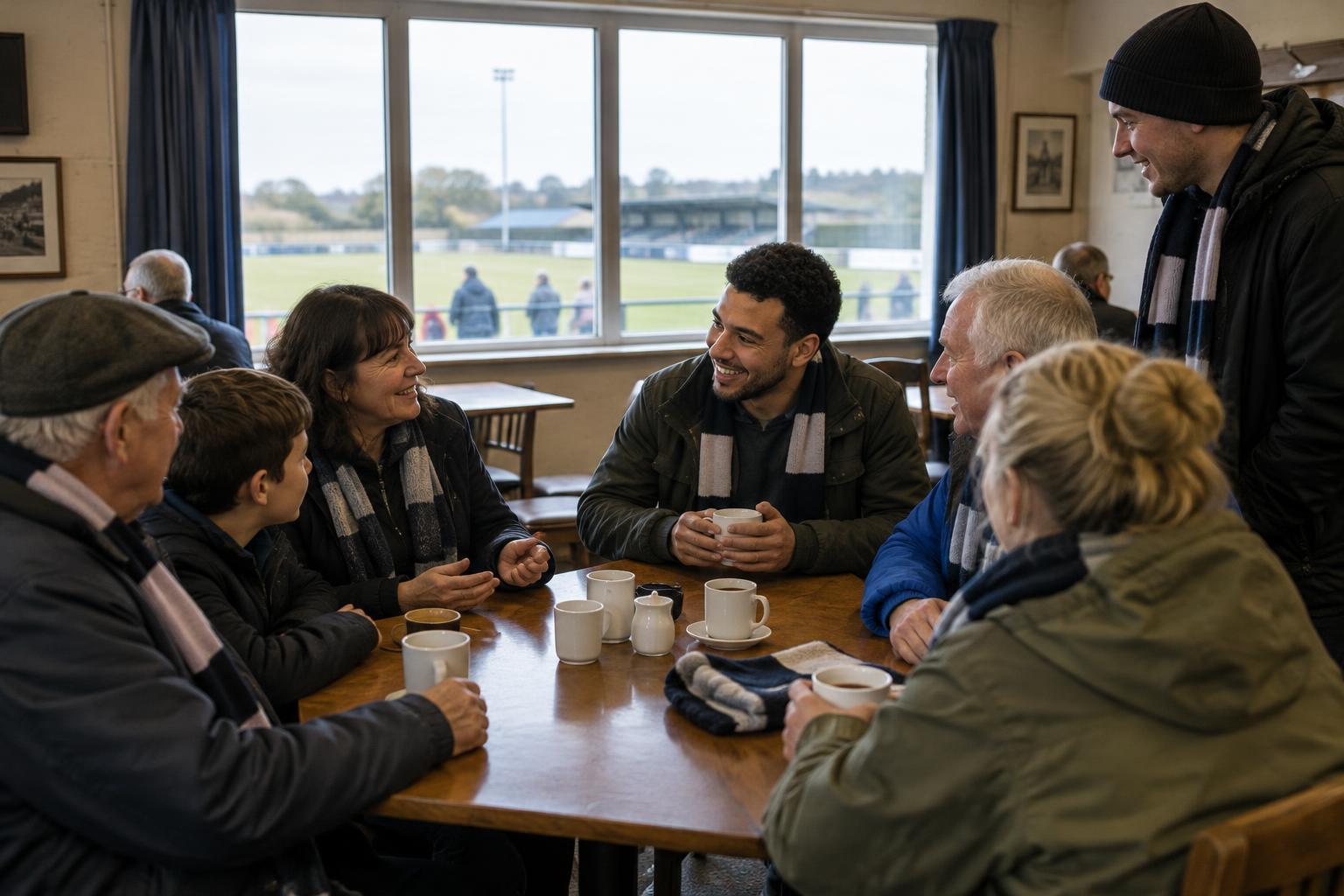
Derby culture lives in the preparations as much as in the ninety minutes. Supporters choose where to gather, which scarf to wear and which songs to sing. Chants and displays can turn a familiar stadium into a statement of local pride. These rituals let newcomers take part in a story they did not witness from the beginning, while older fans pass on the details that matter to them.
The strongest traditions need not depend on hostility. Noise, wit and competitive tension can make an occasion memorable without treating opposing supporters as enemies. Clubs and fans may draw different lines around acceptable behaviour, but it helps to distinguish sporting rivalry from intimidation or abuse. The derby’s appeal lies partly in the fact that both sides care deeply about the same contest, even as they hope for opposite outcomes.
Why the rivalry outlasts any one result
Players and managers move on, grounds change, and clubs rise or fall. The relationship between neighbouring supporters is more persistent. A child can hear about a match played long before they began following football, then add their own memories years later. That exchange gives a derby continuity without requiring every generation to experience it in the same way.
An enduring rivalry is ultimately a shared story told from two perspectives. Each side remembers victories differently, gives defeats a different meaning and measures progress partly against the other. The next fixture matters because it might change the story, while never quite ending it. That is what turns a local football match into a derby people continue to discuss long after the final whistle.