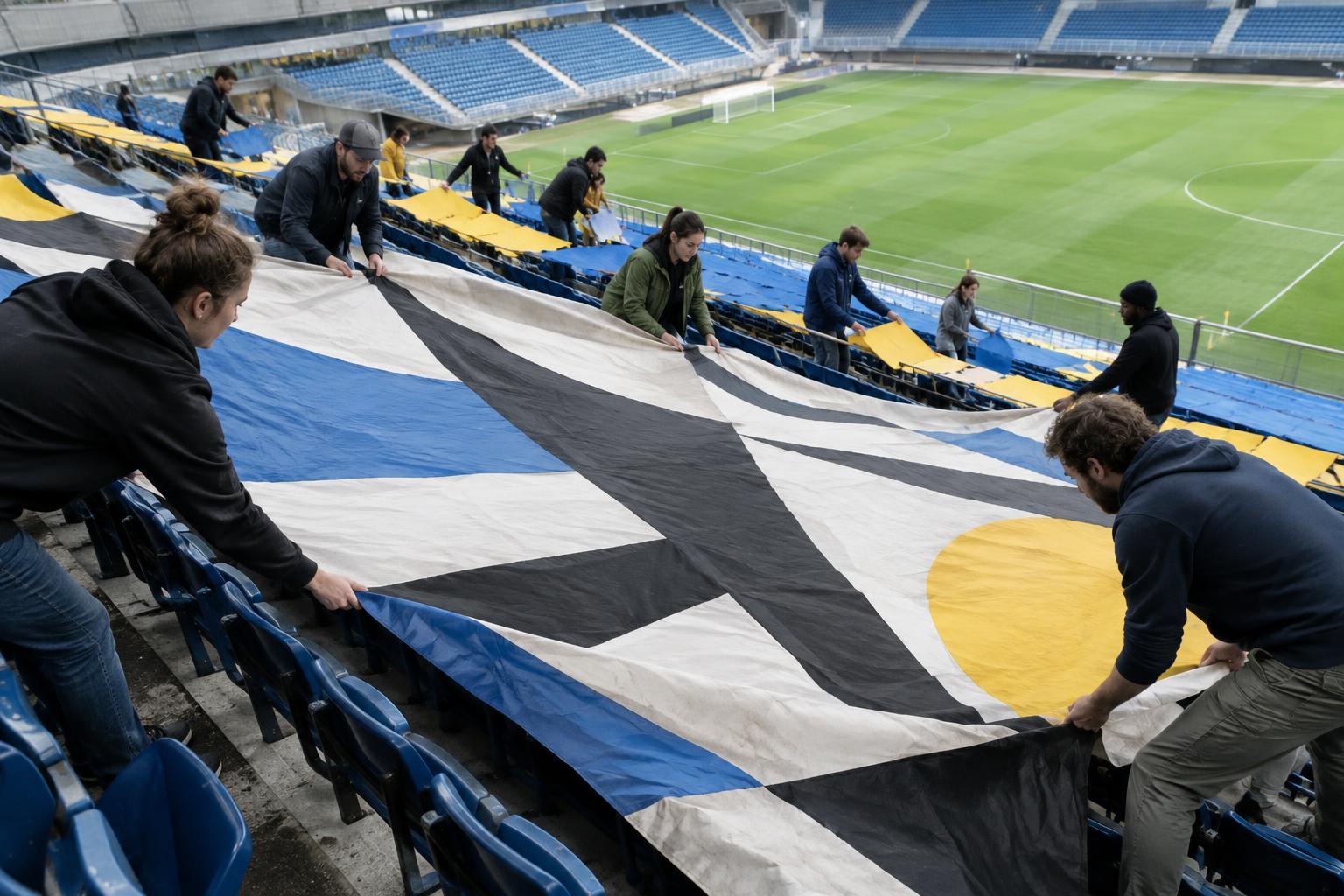
The matchday begins before the match
For many supporters, matchday starts well before kick-off. The route to the ground, a familiar meeting place and a conversation about the starting team can all be part of the ritual. Some people travel with the same friends every time; others enjoy going alone and gradually recognising faces along the way. These habits make a fixture feel different from simply watching ninety minutes of football.
If you are attending for the first time, give yourself enough time to find your entrance and seat without rushing. Check the practical information supplied with your ticket, since arrangements vary between grounds. You do not need a traditional pre-match routine to belong. Choosing a meeting point, taking in the streets around the stadium or reading the team sheet can be the start of one of your own.
Scarves, shirts and the meaning of colours
Clothing is one of the most visible ways supporters show attachment to a club. A current shirt, an older scarf or a family hand-me-down can each carry a story. Some fans wear club colours at every match, while others prefer everyday clothes. What matters is not how much merchandise someone owns, but the connection they bring to the occasion.
A scarf may be raised during a song, held up as the teams emerge or simply wrapped around a neck against the cold. Those gestures can feel powerful because many people do them together, but they are not compulsory. If you are visiting a ground, pay attention to where home and away supporters are expected to sit. Wearing colours in the wrong section may be unwelcome or restricted, so follow the ticket guidance rather than assuming every stand has the same customs.
Songs, applause and finding your voice
Crowd noise has its own rhythm. A chant might begin with a small group and spread through a stand; a promising attack can bring a sudden rise in volume. Supporters may sing about their club, a player or a local connection. The words and timing differ widely, and even regulars do not know every song. Listening before joining in is a perfectly good way to learn.
Not every shared sound is a chant. Applause can welcome the teams, recognise a substitution or acknowledge a moment of effort. Some matches also include planned moments of silence or remembrance. When you are unsure what is happening, take your cue from the people around you and from any stadium announcement. Participation is more meaningful when it is attentive rather than automatic.
The small customs of watching together
Matchday rituals also happen in quieter moments. A supporter might keep the same seat when attending with friends, wait until half-time for a snack or refuse to discuss the result too early. These personal habits can be playful ways of managing hope and nerves. They do not need to make sense to anyone else to become part of someone’s experience.
Shared space calls for a little consideration. People around you may stand, sit, celebrate or react to a decision differently. Be aware of sightlines, keep walkways clear and follow the ground’s rules. Strong feelings are part of football, but they are not a reason to direct abuse at another supporter, player or official. If you are bringing a child or someone who prefers a calmer atmosphere, it can help to consider the character of a section before booking.
After the final whistle
The end of the game is not always the end of matchday. Some supporters stay to applaud the team; others leave promptly to begin a long journey home. Conversation often continues outside the ground, where people revisit a missed chance, a clever pass or the feeling in the stands. The same result can produce different memories, which is one reason matchday stories last beyond the score.
For a newcomer, the best approach is curiosity rather than a checklist. Notice which traditions seem important to the people around you, ask a companion about anything you do not understand and allow yourself to participate at your own pace. Rituals grow through repetition, but nobody has to earn the right to enjoy a first visit. A matchday becomes yours through the details you remember and the ways you choose to return.