Three labels, different priorities
A group of fans travelling to matches together might call itself a supporters’ club. Another group, focused on banners and coordinated singing, might identify as ultras. A third might meet club staff to discuss ticketing or accessibility and describe itself as a fan association. All three bring supporters together, but they are organised around different priorities.
These are useful distinctions, not fixed rules. Football cultures vary between countries and clubs, and groups choose their own names. One organisation may arrange away travel, lead chants and speak on behalf of its members. To understand what a group does, look beyond its label: ask who can join, how decisions are made, what activities it runs and what relationship it has with the club.
Supporters’ clubs: a community around a shared team
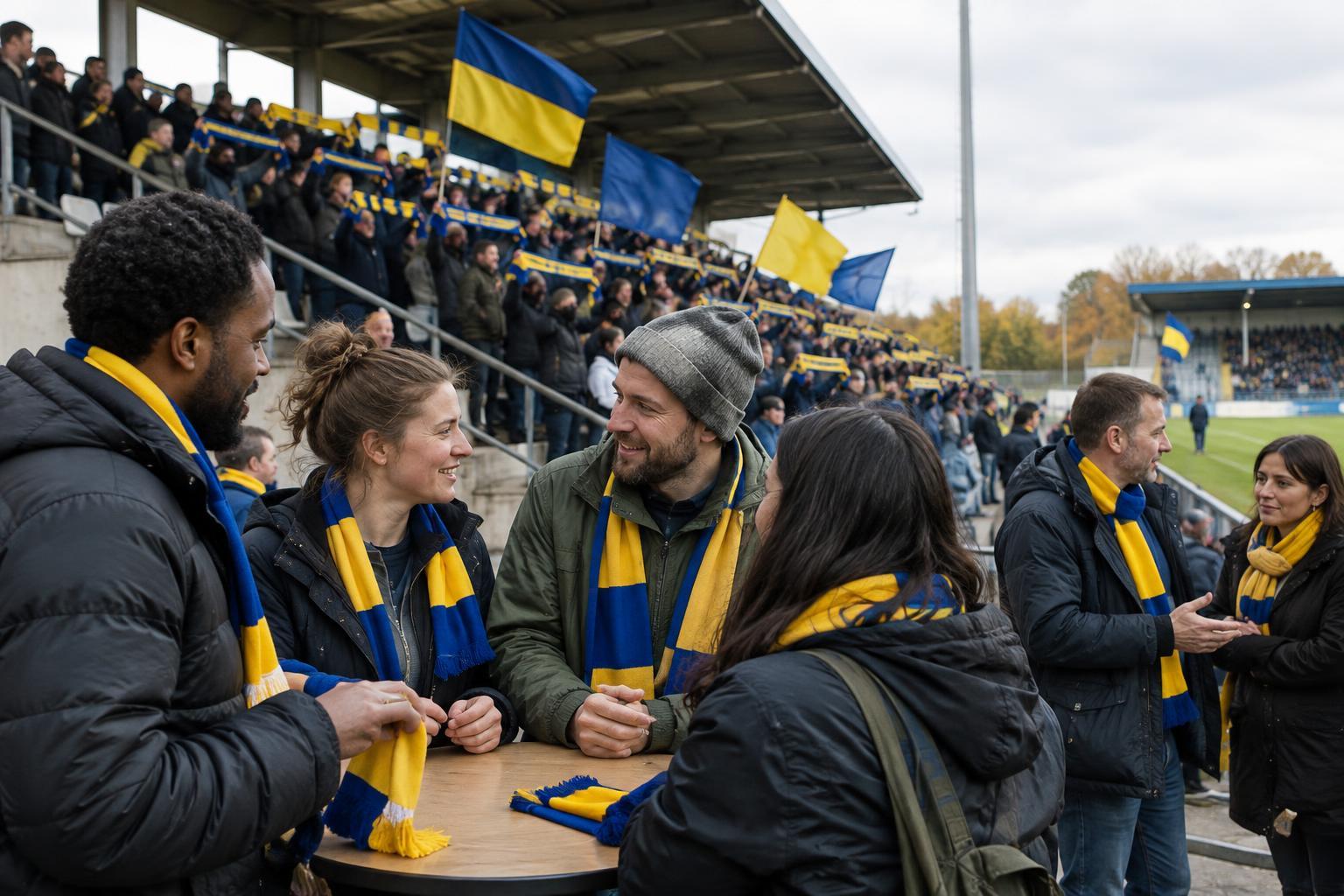
Supporters’ clubs often give fans a regular way to follow a team together. Some are based near the stadium; others bring together supporters who live far from it. Their activities might include match screenings, away trips, social gatherings or help for members attending games for the first time. A local branch can turn a scattered set of fans into a familiar community.
A supporters’ club may be officially recognised by the football club, but recognition is not what defines it. Some groups operate independently, while others use a membership structure linked to the club. They may collect dues to cover meeting spaces, transport or other shared costs. Their main emphasis is usually participation and connection rather than a particular style of support or a formal role in club decisions.
Ultras: organised support in the stands
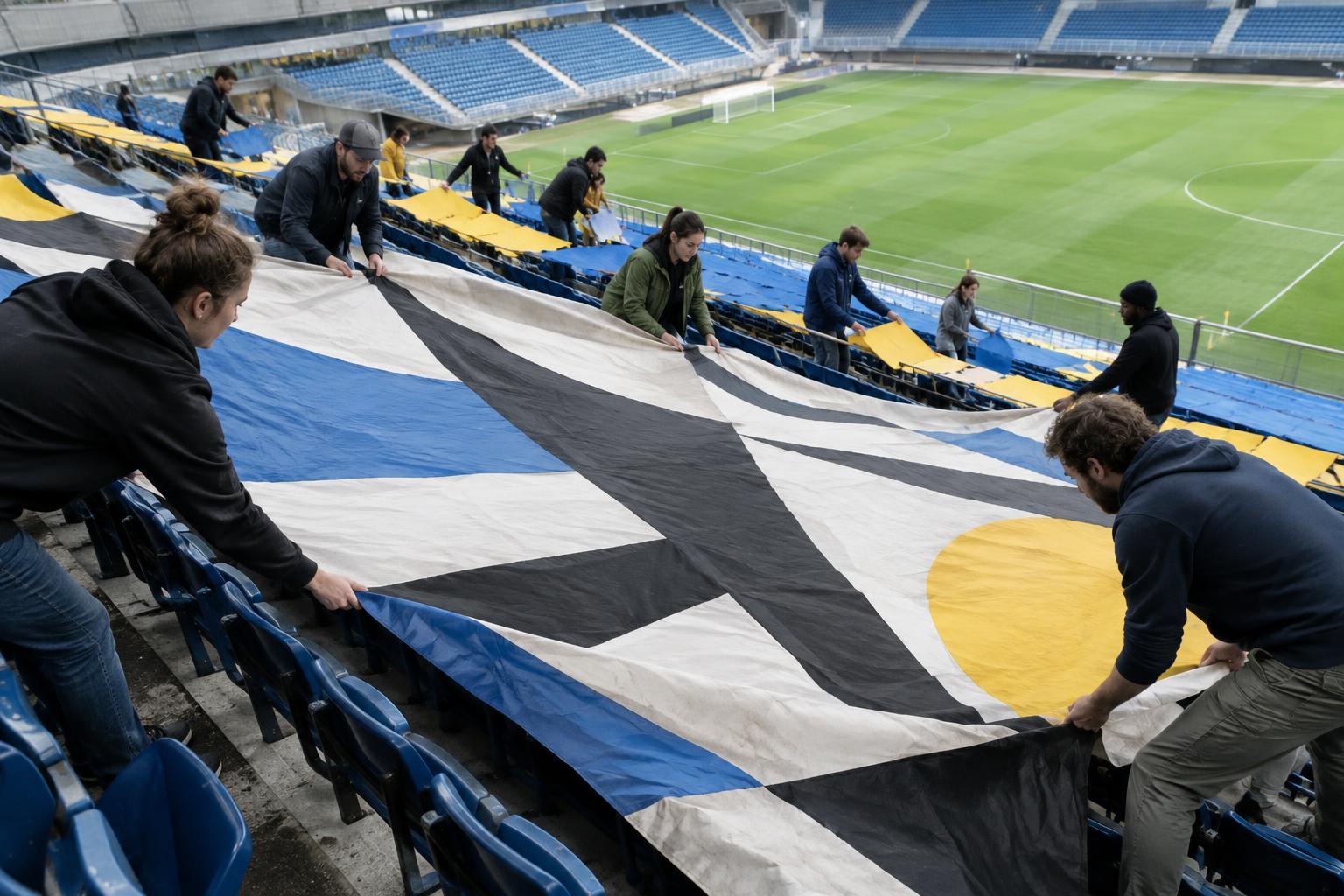
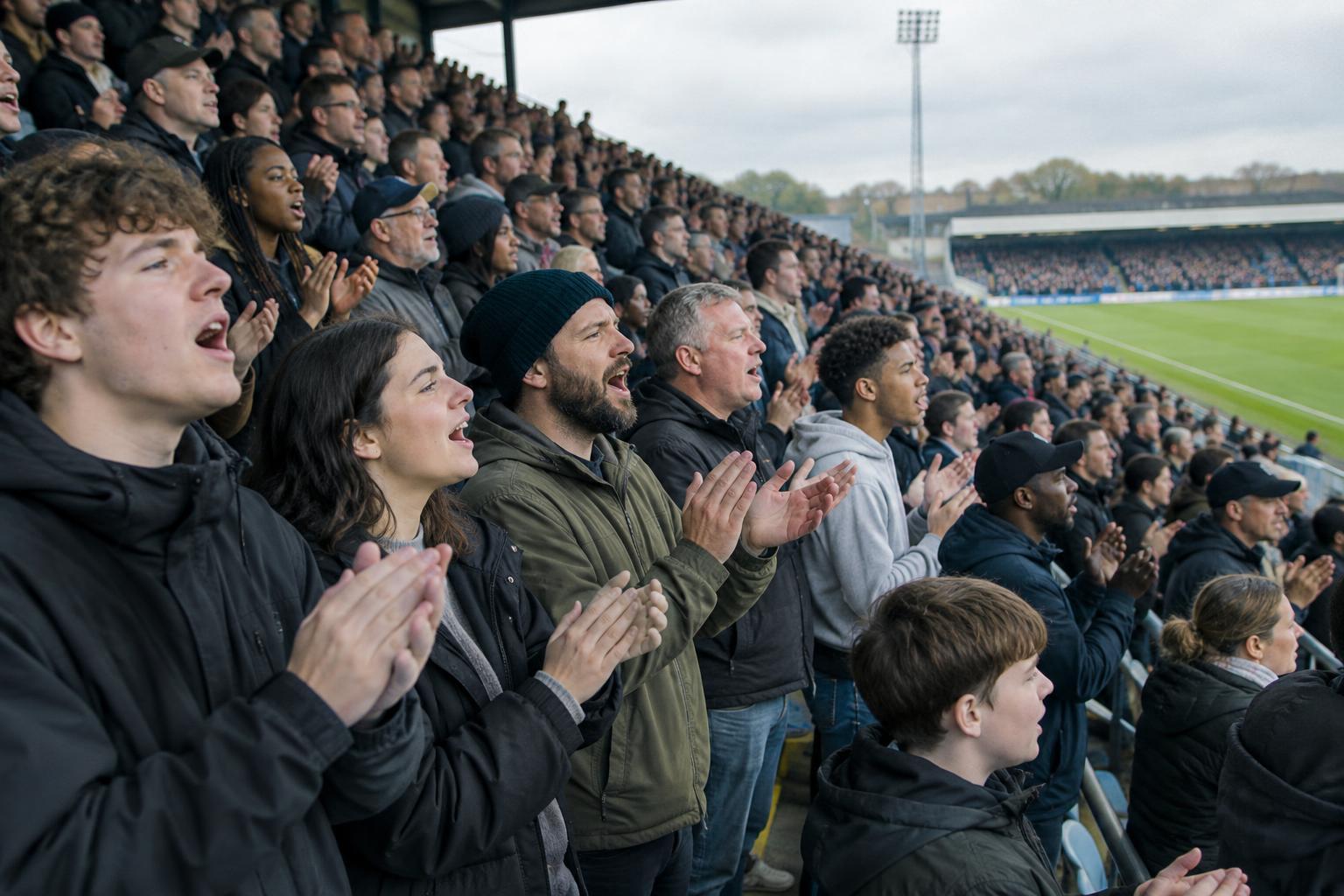
Ultras groups are generally associated with sustained, coordinated support on matchdays. They may organise songs, drums, flags, large displays or choreographed entrances to the stand. Members often put considerable time into planning and making these displays. For them, supporting the team is not just attending a match; it is an active, collective practice.
Ultras are frequently independent of the club and may value control over their own banners, messages and organisation. That independence can shape how they respond to decisions about ticket prices, stadium rules or the direction of the club. It does not mean every ultras group takes the same political position or has the same relationship with club officials.
The word “ultras” is sometimes used as if it means violence. That is misleading as a general definition. Behaviour differs between groups and individuals, and organised noise and visual displays are not the same thing as disorder. It is more accurate to describe what a particular group does than to assume conduct from a label.
Fan associations: a collective voice
A fan association usually places more emphasis on representing supporters’ interests. It might gather members’ views, hold meetings, publish statements or raise concerns with a club about issues such as travel, ticket access, stadium facilities and the matchday experience. Some associations focus on a particular part of the fanbase; others aim to bring several groups together.
Representation depends on structure. An association may elect committee members, ask fans to join and pay dues, or work through delegates from existing groups. An independent association can criticise the club freely, while a club-recognised body may have a regular channel for discussion. Neither arrangement automatically guarantees influence or broad support. It matters whether the association explains whom it represents and how those people can shape its positions.
Where the boundaries overlap
The same supporter can belong to all three kinds of group. A supporters’ club might help members get to an away match; ultras might organise a display there; a fan association might raise concerns about the travel arrangements afterward. Groups can also work together without becoming one organisation. When they disagree, their different priorities help explain why: a decision that suits social events may not suit an independent stand display or a campaign for supporter input.
If you are thinking of joining a group, start with what you want to do. Look for a supporters’ club if you want company at matches or a local football community. Explore an ultras group if its approach to active support appeals to you and you are comfortable with its expectations. Consider a fan association if you want to take part in discussions about how supporters are treated and heard. Whatever the name, its activities, membership rules and conduct will tell you more than the label alone.