A tournament before a familiar name
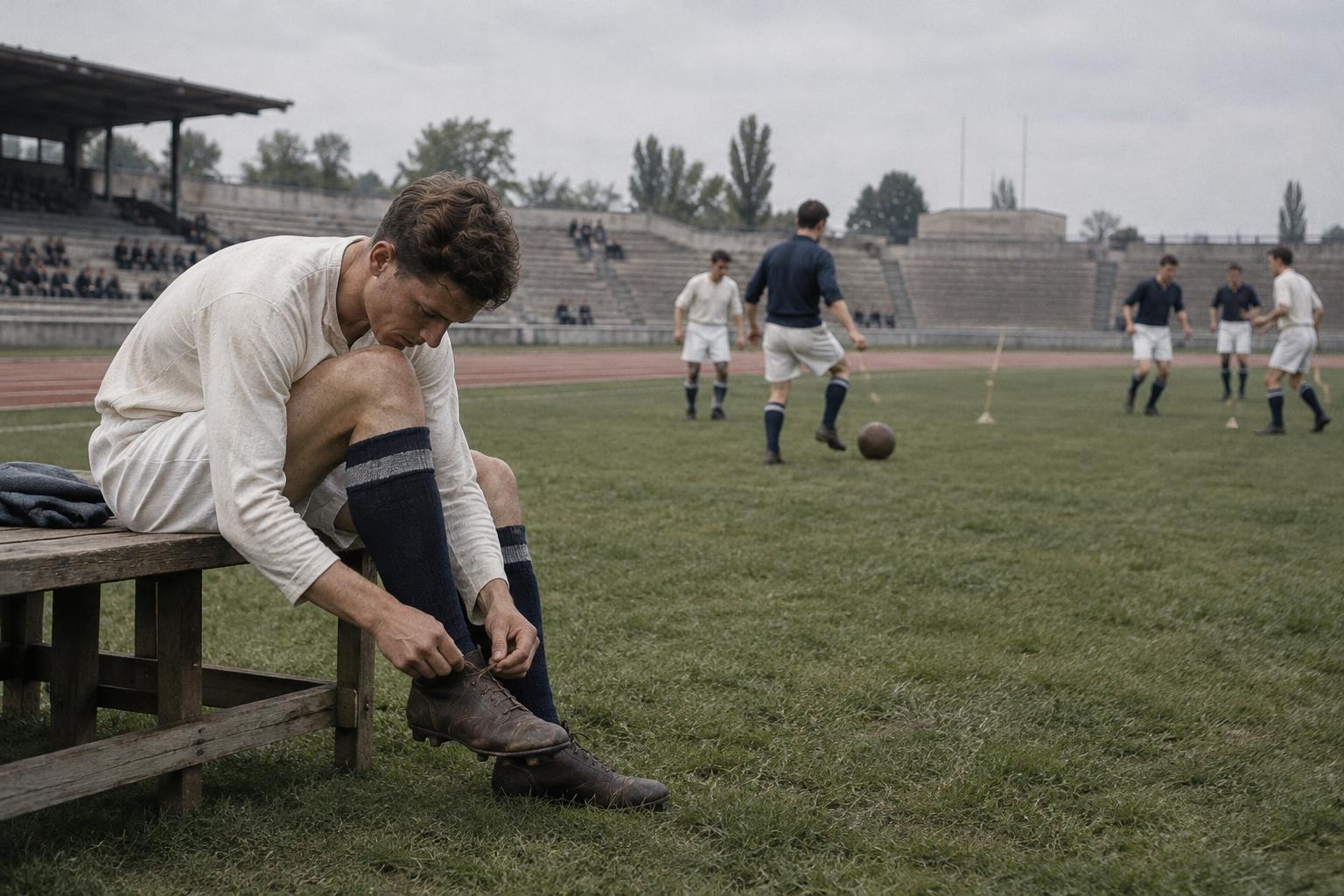
The competition now known as the Copa América began in Argentina in 1916. Argentina, Brazil, Chile and Uruguay played a tournament associated with the centenary of Argentine independence. Uruguay finished as the first champion. At the time, the event was known as the South American Championship, not the Copa América.
That first edition was small by modern standards, but it brought national teams together to compete for a regional title. The South American Football Confederation, CONMEBOL, was founded during the tournament. The championship and the new governing body grew together, giving the event a framework for future editions.
From four teams to a broader South American field
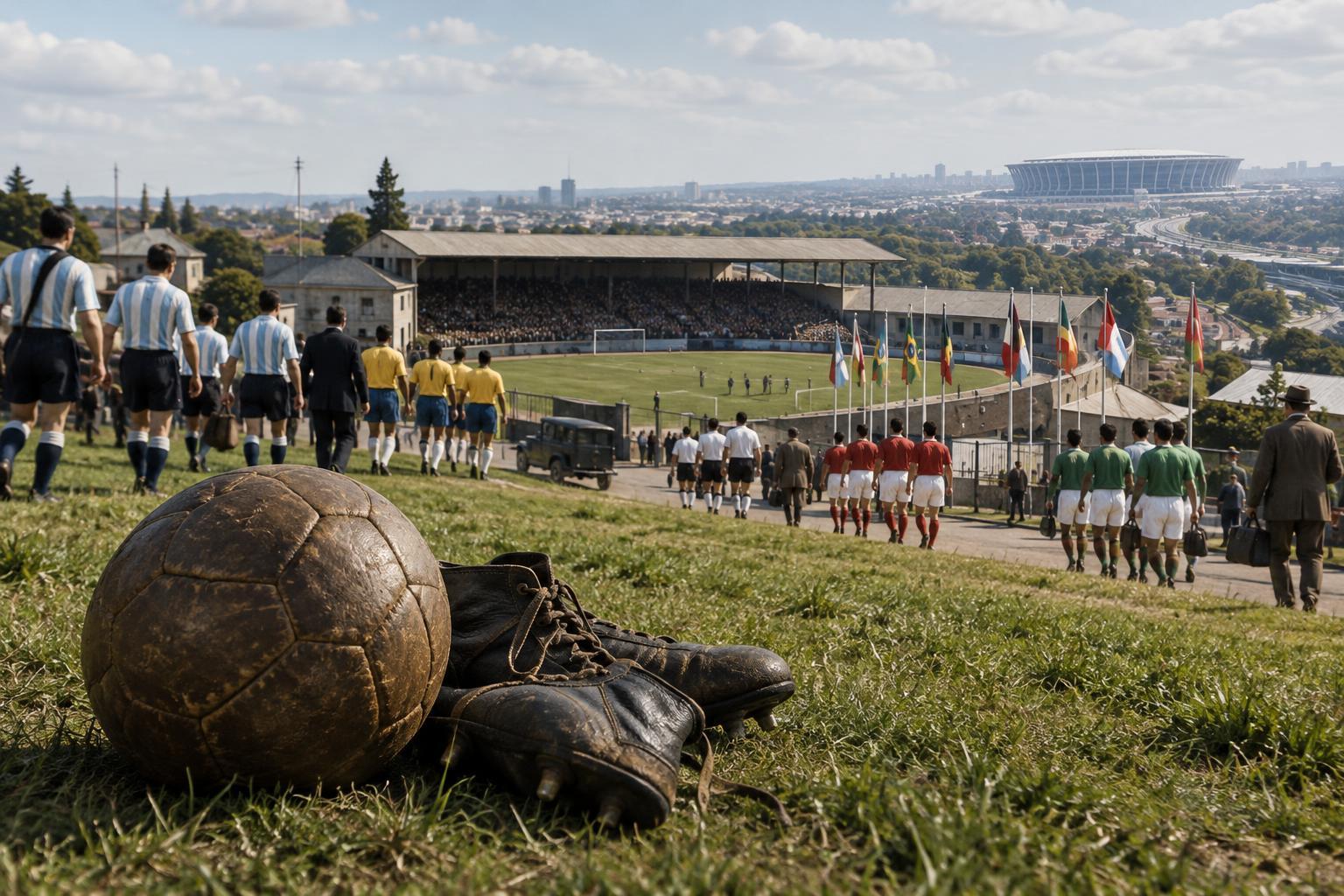
The earliest championships reflected where international football was most established in the region. Other South American national teams joined the competition over time rather than all appearing at once. Paraguay, Bolivia and Peru entered in the 1920s; Ecuador, Colombia and Venezuela made their debuts later. Each addition widened the tournament’s reach, even when travel, organisation and uneven participation made a complete field difficult to assemble.
The schedule was not a smooth sequence of identical events. Editions were held at varying intervals, and formats changed according to the number of entrants and the circumstances of the host. Some championships used a league table in which teams played one another, rather than the group and knockout stages many viewers expect today. To follow the competition’s history, it helps to see it as a series of evolving tournaments, not a single format repeated every few years.
As more countries took part, the title acquired a wider meaning. It was no longer chiefly a contest among the four teams that met in 1916. It offered national sides across South America a shared stage, along with recurring rivalries and a growing record of champions.
Why the name changed
The name Copa América was adopted for the 1975 edition. The change marked a new phase after the last tournament held under the South American Championship name in 1967. It did not, however, mean that the competition had suddenly become open to every country in the Americas. CONMEBOL’s member nations remained its foundation.
The 1975 edition also looked different from a compact tournament staged in one host country. Matches were played across participating countries, with teams meeting in groups and later rounds. The editions in 1979 and 1983 followed a similarly dispersed approach. A single-host arrangement returned in 1987. These shifts show that a continental championship need not have one permanent structure: its identity can rest on who organises it and what title the teams are competing for, even as the venue and format change.
Invited teams and the meaning of “continental”
From 1993, teams from outside CONMEBOL began appearing as invitees. Mexico and the United States took part that year, and other invited sides have featured in later editions. Invitations helped broaden some tournaments, but they did not change the basic distinction between CONMEBOL members and guests. The Copa América remains South America’s national-team championship, even when its field extends beyond the confederation.
That distinction is useful because “América” can suggest a competition covering the entire hemisphere. Historically, the tournament grew out of South American football. Its occasional guests are part of its later story, not the reason it became a continental championship. The decisive steps were the creation of a recurring regional contest, the formation of a confederation to oversee it and the gradual inclusion of South America’s national teams.
What its history explains
The Copa América’s past explains several features that can otherwise seem unusual: its early four-team editions, its changing intervals and its occasional invited participants. None is separate from the competition’s development. Each reflects an attempt to bring national teams together across a large region while adapting to the practical demands of staging international football.
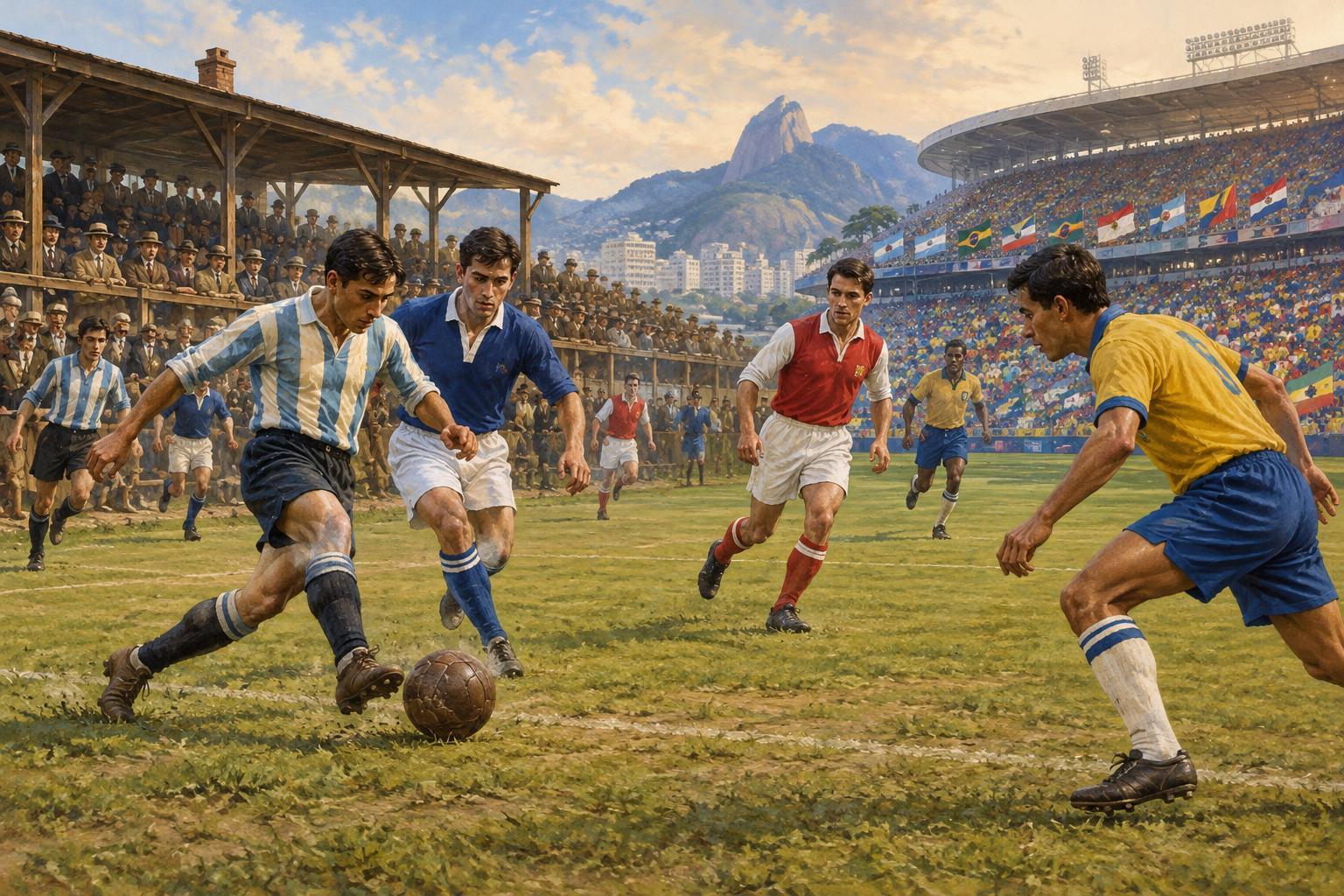
Its continuity lies less in an unchanging schedule than in its purpose. What started as a short tournament in Argentina became the principal championship for South American national teams. The name, membership and match format developed over decades, but the central idea endured: teams representing their countries competing for a regional title.