The fabric is more than the fibre
Two shirts labelled “100% polyester” can feel surprisingly different. Fibre content tells you what the threads are made from, but not how thick those threads are, how tightly the fabric is knitted or what finish has been applied. Those choices influence weight, stretch, airflow and the way a shirt sits on the body.
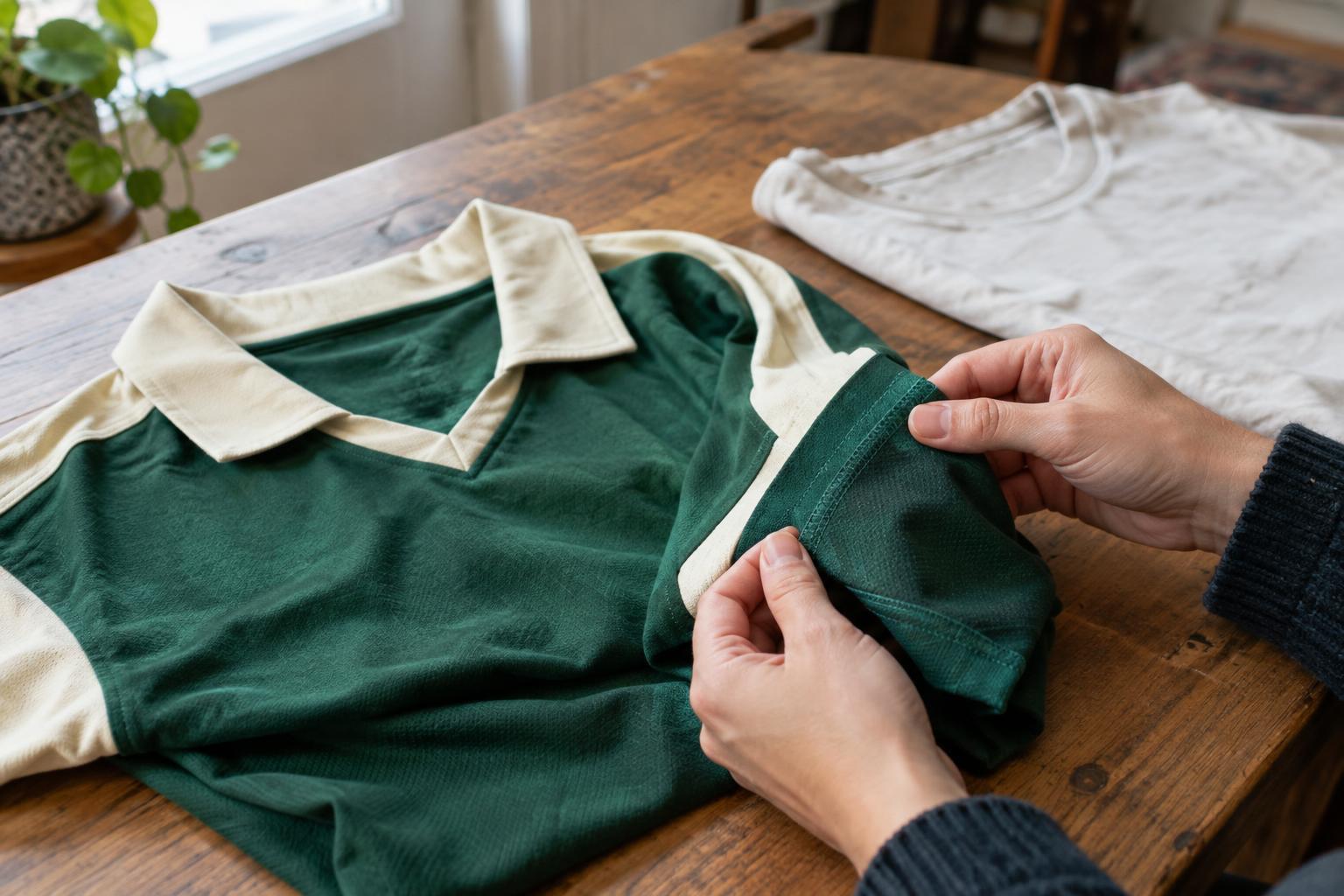
Most football shirts are knitted rather than woven. A knit can move with the wearer, which is useful whether you are turning to receive a pass or reaching across a crowded stand. Some shirts use a smooth, close knit throughout; others place more open textures in areas intended to release heat. Printed graphics, badges and sponsor applications also change how particular parts of a shirt feel.
Cotton: soft, familiar and absorbent
Cotton has a natural, familiar feel that suits casual football clothing and many heritage-inspired shirts. It readily absorbs moisture. On an easy day out, that may simply make a cotton top feel comfortable against the skin. During a hard session, though, a sweat-soaked cotton shirt can become heavier and take longer to dry than a lightweight synthetic one.
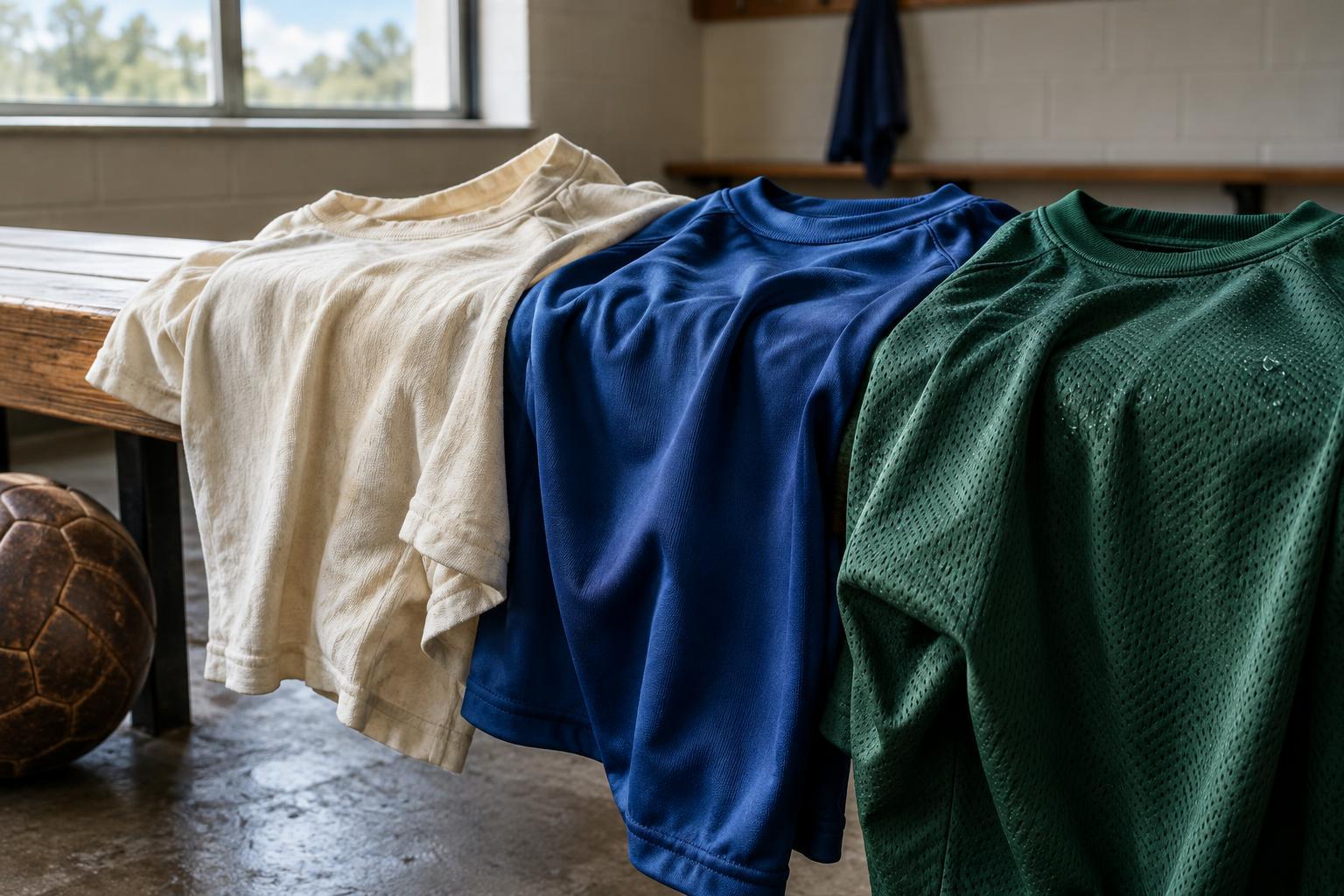
That does not make cotton a poor choice for every football setting. A relaxed cotton shirt may be exactly what you want for everyday wear, watching a match or a gentle kickabout. Fabric weight matters: a substantial cotton jersey feels different from a thin one, even if the labels list the same fibre. Cotton can also shrink or lose its shape if it is washed or dried more aggressively than its care label recommends.
Polyester: light, durable and quick to dry
Polyester is common in modern playing shirts because it can be made into light fabrics that dry relatively quickly. The fibre itself absorbs little moisture. Instead of holding much sweat within the fibre, a polyester fabric can move liquid across and through its knitted structure. That can make it more practical than a heavy cotton top for training, particularly when you expect to wash and wear it again soon.
Polyester is not automatically cool or comfortable. A dense knit may feel warm, while a rough seam or a stiff printed panel can irritate the skin regardless of the main fabric. Some people also notice that synthetic shirts retain odours after washing. Fit, construction and washing habits all matter, so the fibre name alone is a limited guide.
What “moisture-wicking” actually means
Moisture-wicking describes how a fabric moves liquid away from a damp area, rather than a separate type of fibre. Yarn shape, knit structure and fabric finishes can help spread sweat over a larger surface, where it has more opportunity to evaporate. Mesh-like areas may improve airflow too, though their effect depends on what you wear over the shirt and the conditions around you.
Wicking is not the same as staying dry. In humid air, under a jacket or during sustained exercise, sweat may not evaporate quickly enough to keep up. A shirt can move moisture away from your skin and still feel damp. Nor does a “performance” label guarantee a particular feel: one person may prefer a thin, close-fitting knit, while another may find a looser shirt more comfortable.
Choosing and caring for a shirt
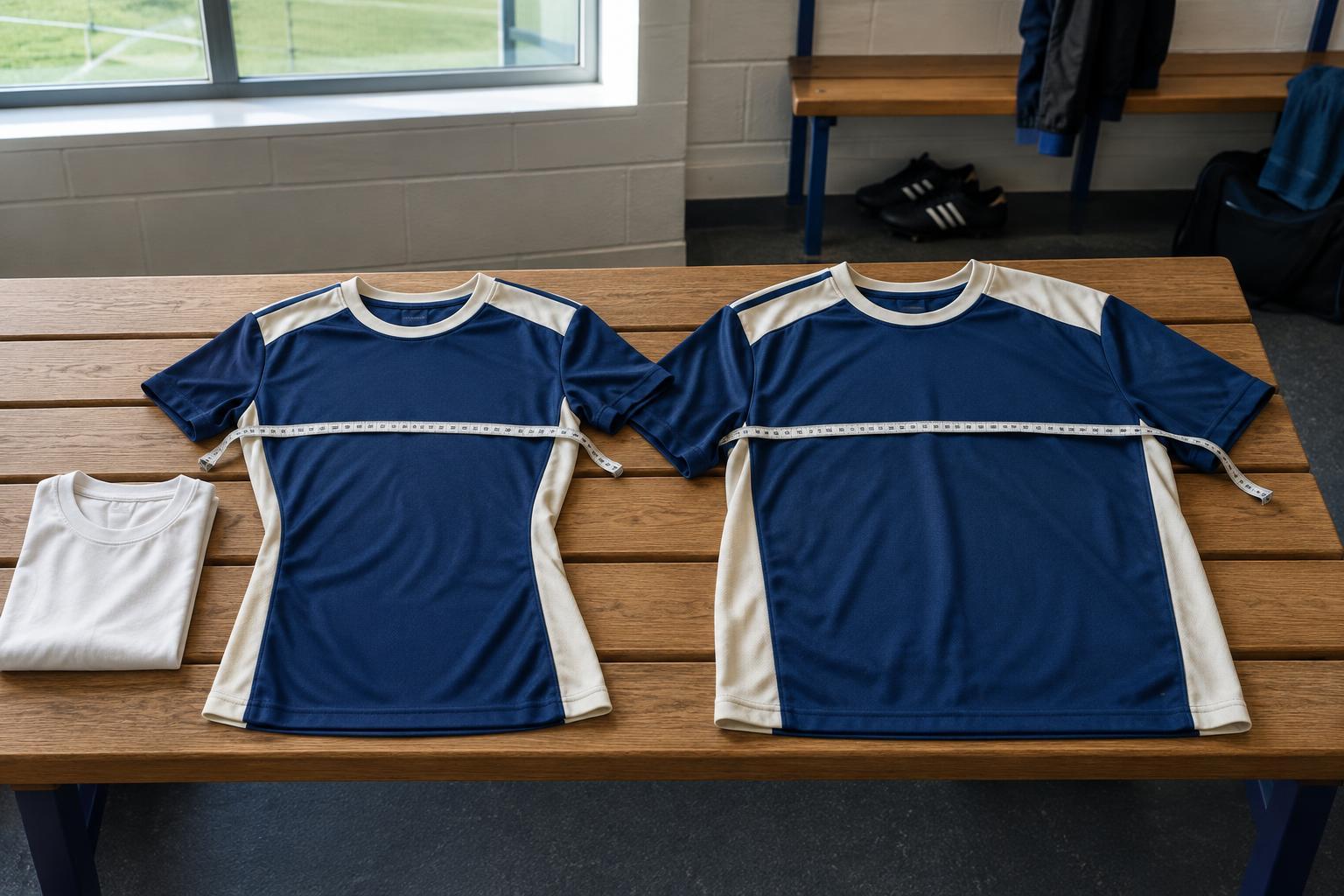
Start with how you plan to wear it. For regular play, look for a shirt that allows movement, feels comfortable at the neck and under the arms, and is easy to wash. If you mainly want something to wear socially, the hand feel, cut and appearance may matter more than drying speed. A cotton-polyester blend can offer a middle ground, but the balance varies from one fabric to another. If possible, handle the shirt rather than relying only on a product description.
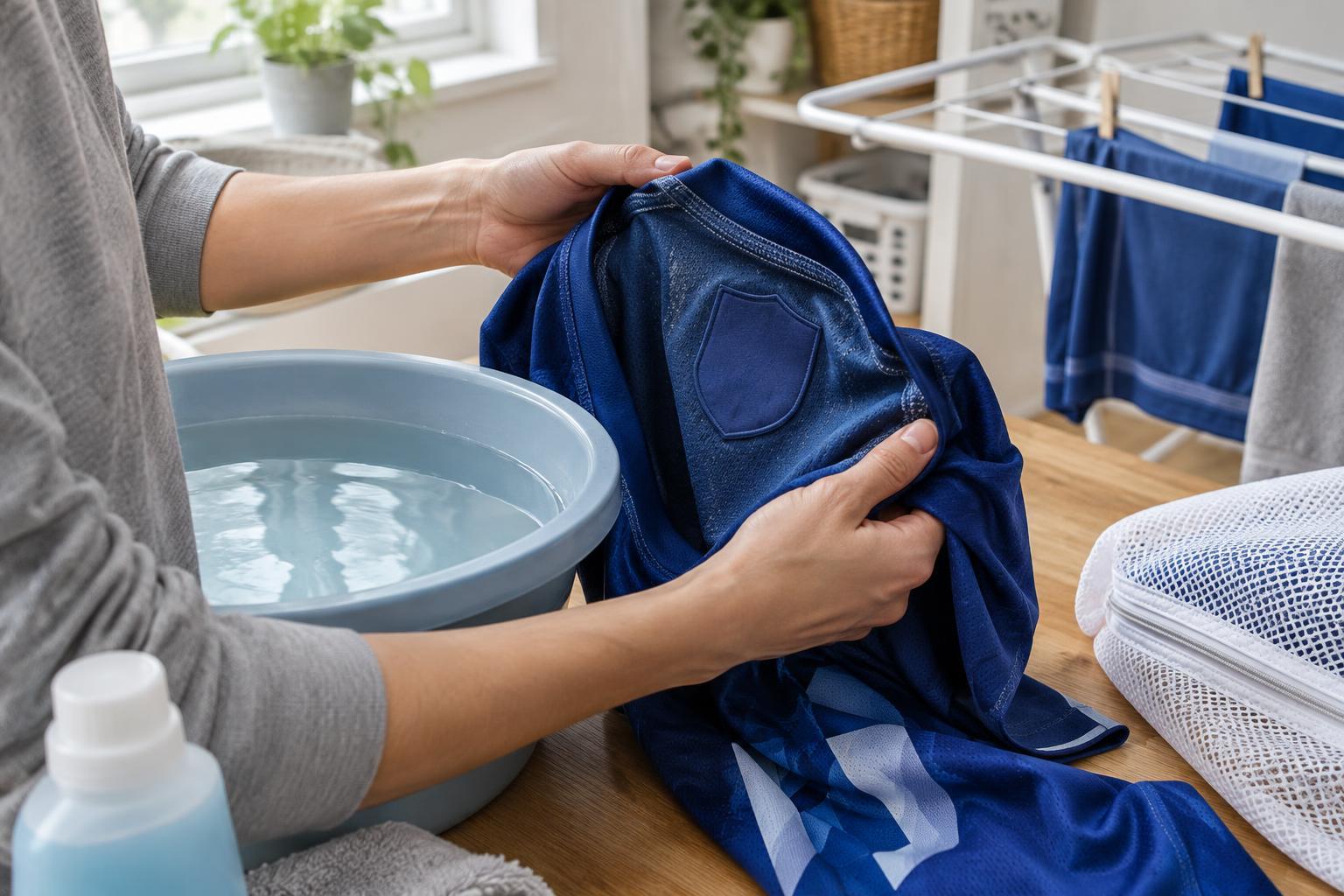
Follow the garment’s care label, especially when it has printed names, numbers or badges. Washing inside out can help protect surface details, while avoiding excessive heat may reduce the risk of damage to prints or changes in fit. Letting a shirt dry fully before storing it is sensible for any fabric. The best football shirt is not necessarily the one with the most technical claims; it is the one whose material, construction and fit suit the way you use it.