What the fit labels usually mean
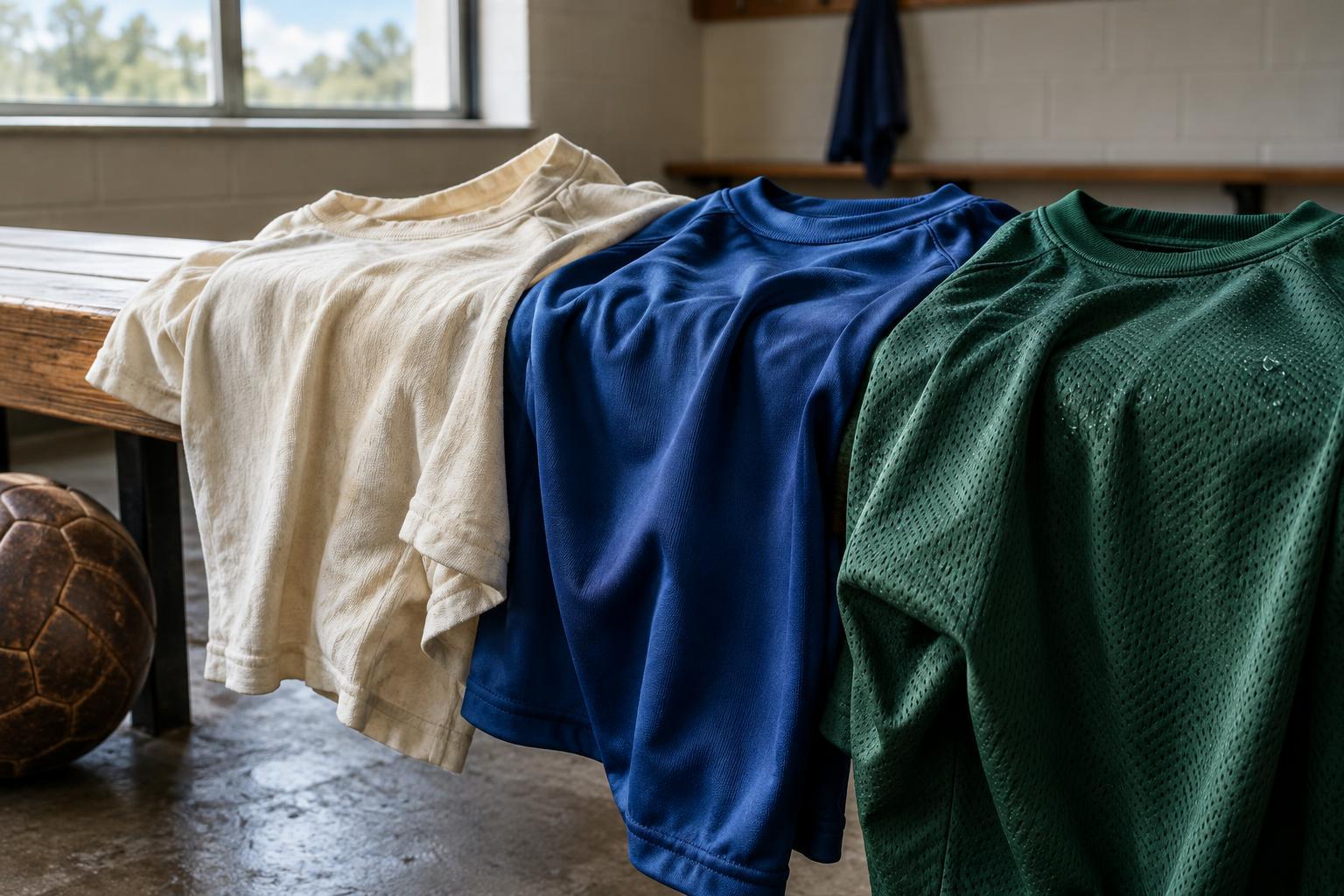
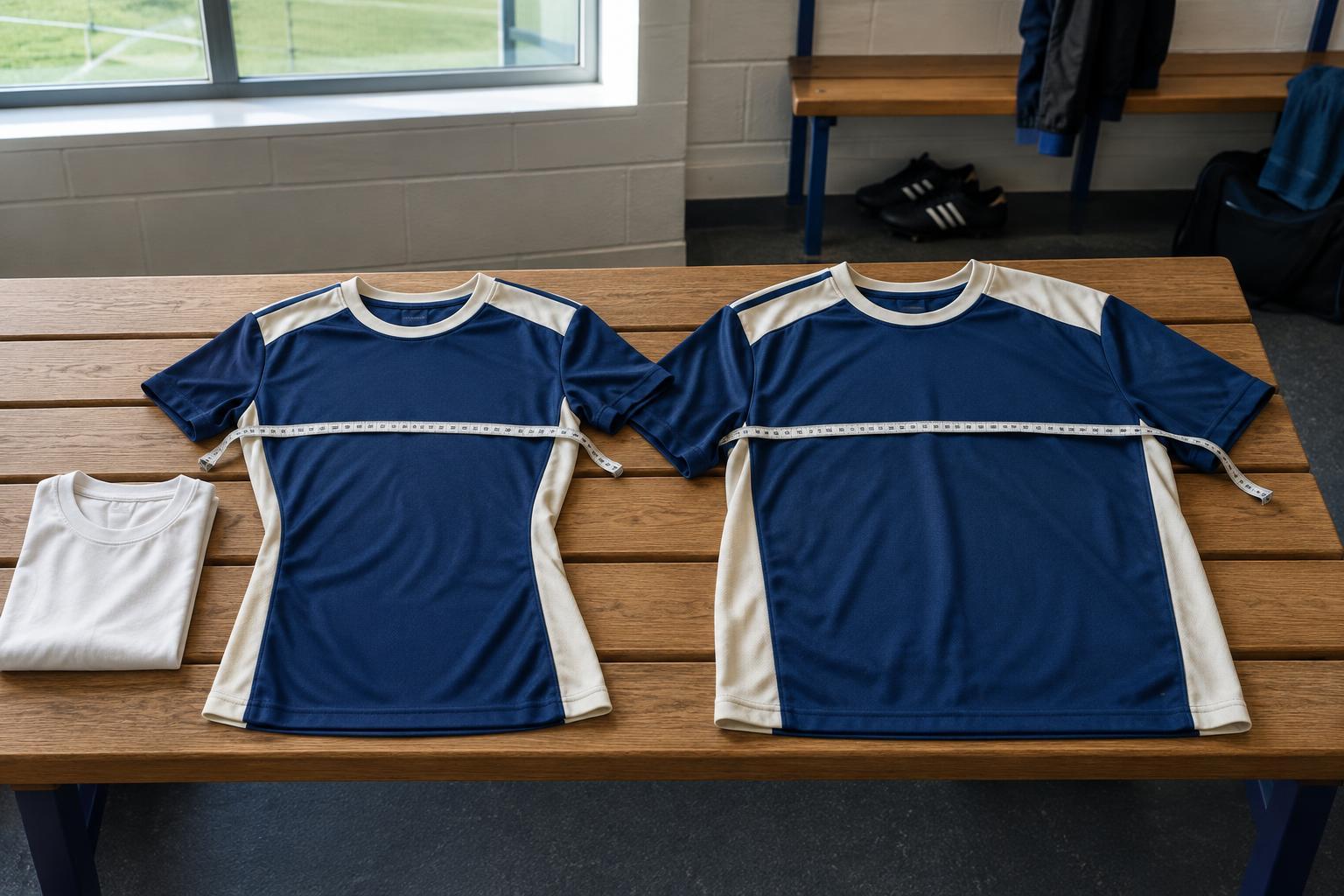
A football shirt’s size label tells only part of the story. Two shirts marked medium may feel different because they are designed for different uses. Player-fit shirts, sometimes described as authentic or match versions, are generally cut closer to the body. Fan-fit shirts, often called replica or stadium versions, usually allow more room through the chest and waist. These names are not universal, so treat them as a starting point rather than a guarantee.
The difference is easiest to notice when you move. A close-cut shirt may sit neatly when you stand still but pull across the shoulders when you reach forward. A roomier shirt may feel better over a base layer or while sitting through a match. Neither fit is the correct one for every supporter: the useful question is how you want the shirt to look and feel when you wear it.
Measure a shirt you already like
Before choosing a size, find a shirt whose fit you enjoy. Lay it flat without stretching the fabric. Measure from armpit to armpit for the chest width, from the highest point of the shoulder to the hem for the length, and across the shoulders if the seller provides that measurement. Write the numbers down and compare them with the size chart for the exact shirt you want to buy.
Check what the chart is measuring. Some charts list body measurements, while others give the dimensions of the garment laid flat. A flat chest width is not the same as a chest circumference. If a listing does not make the distinction clear, ask the seller before ordering. Also look for charts specific to the brand, season and shirt version where available; your usual size in a casual T-shirt is not a reliable shortcut.
Think about where you want extra space. A shirt can fit comfortably around the chest yet feel narrow at the waist, or have enough width but be shorter than you prefer. If your reference shirt is loose and you want a similarly relaxed player-fit shirt, compare its actual measurements rather than assuming that moving up one labelled size will produce the same result.
Choose for the way you will wear it
For everyday wear, a fan-fit shirt is often the simpler choice. Its less restrictive shape can work well with jeans, shorts or an open jacket, and it may leave space for a thin layer underneath. If you prefer a sharp, close silhouette, a player-fit version may appeal more. The trade-off is that it can be less forgiving if you are between sizes or dislike fabric sitting against your torso.
If you plan to play in the shirt, consider movement as well as appearance. Raise your arms, turn your shoulders and bend at the waist when trying one on. Check whether the hem rides up and whether the sleeves or chest feel tight. Playing in a fan-fit shirt is fine if you prefer its shape; choosing a player-fit version does not require you to wear the same labelled size you would buy in a fan-fit shirt.
Consider how you prefer the shirt to sit at the hem. Some people like enough length to tuck it in; others want it to fall neatly over trousers. If you regularly wear a layer beneath your football shirt, measure a favourite outfit with that layer on rather than judging the shirt against your body alone.
Allow for details beyond the size label
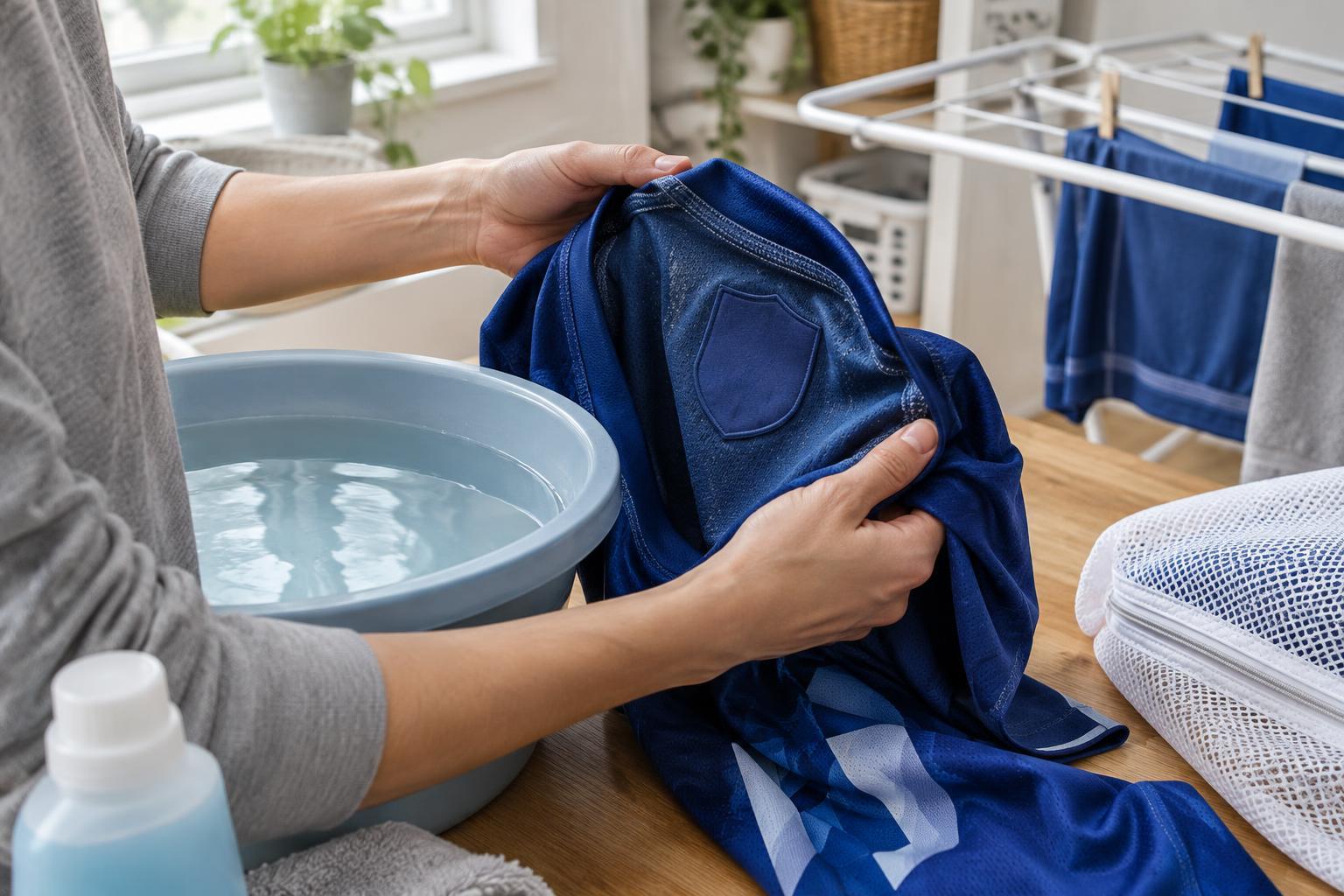
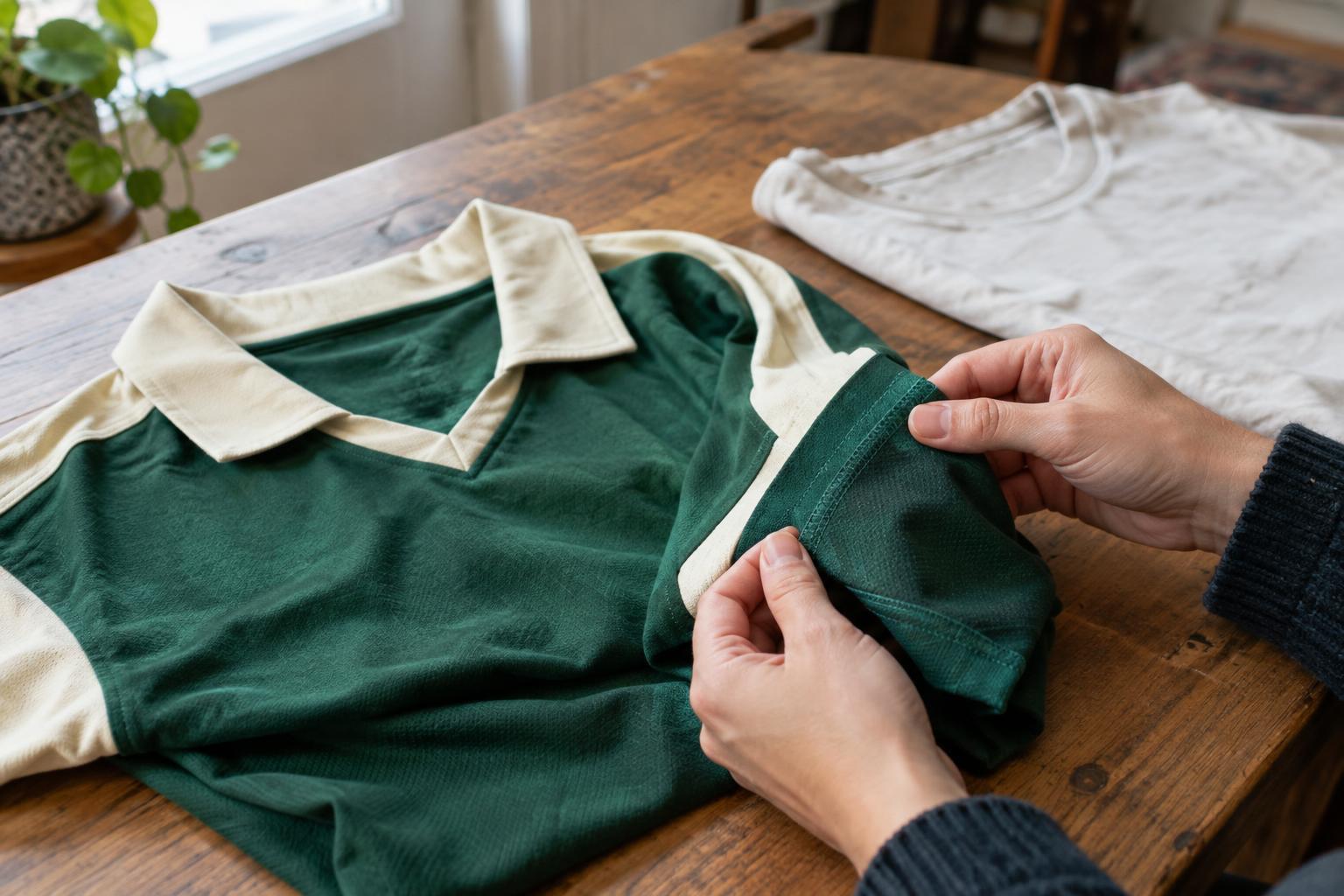
Collars, cuffs and fabric can change how a shirt feels even when the main measurements look right. A firm collar may feel snug around the neck, while a narrow sleeve opening may bother someone who otherwise likes the fit. Lightweight, stretchy fabric may move comfortably in a close cut, but it can also show the outline of an underlayer more clearly. Product photos can help you assess shape, though measurements and a try-on are more dependable.
Printed names, numbers and badges are another reason to check carefully before buying. Customised shirts may have different return conditions from plain ones. If you are uncertain between sizes, confirm the seller’s policy before adding personalisation. This matters especially when buying a shirt as a gift: a recipient’s preferred fit is more useful to know than their usual size label.
A simple decision before checkout
Start with your preferred look: close and streamlined, or relaxed with room to layer. Then compare the exact shirt’s size chart with measurements from a shirt you already own. Give particular attention to chest width, length and any area where clothes commonly feel tight on you. If possible, try both versions in person and move around rather than judging the fit from a mirror alone.
When the measurements fall between sizes, choose according to the space you want rather than a rule that everyone should size up or down. A good football shirt should let you wear it comfortably, whether that means playing five-a-side, travelling to a match or pulling it on for an ordinary day.