Separate the moment from the problem
A disagreement can begin with a missed pass, a late tackle in training or a complaint about playing time. In the middle of a match, tired players may say more than they mean. The first step is to decide whether the issue needs an immediate response. If nobody is at risk, a brief acknowledgement such as “We’ll talk after the game” is often more useful than arguing while play continues.
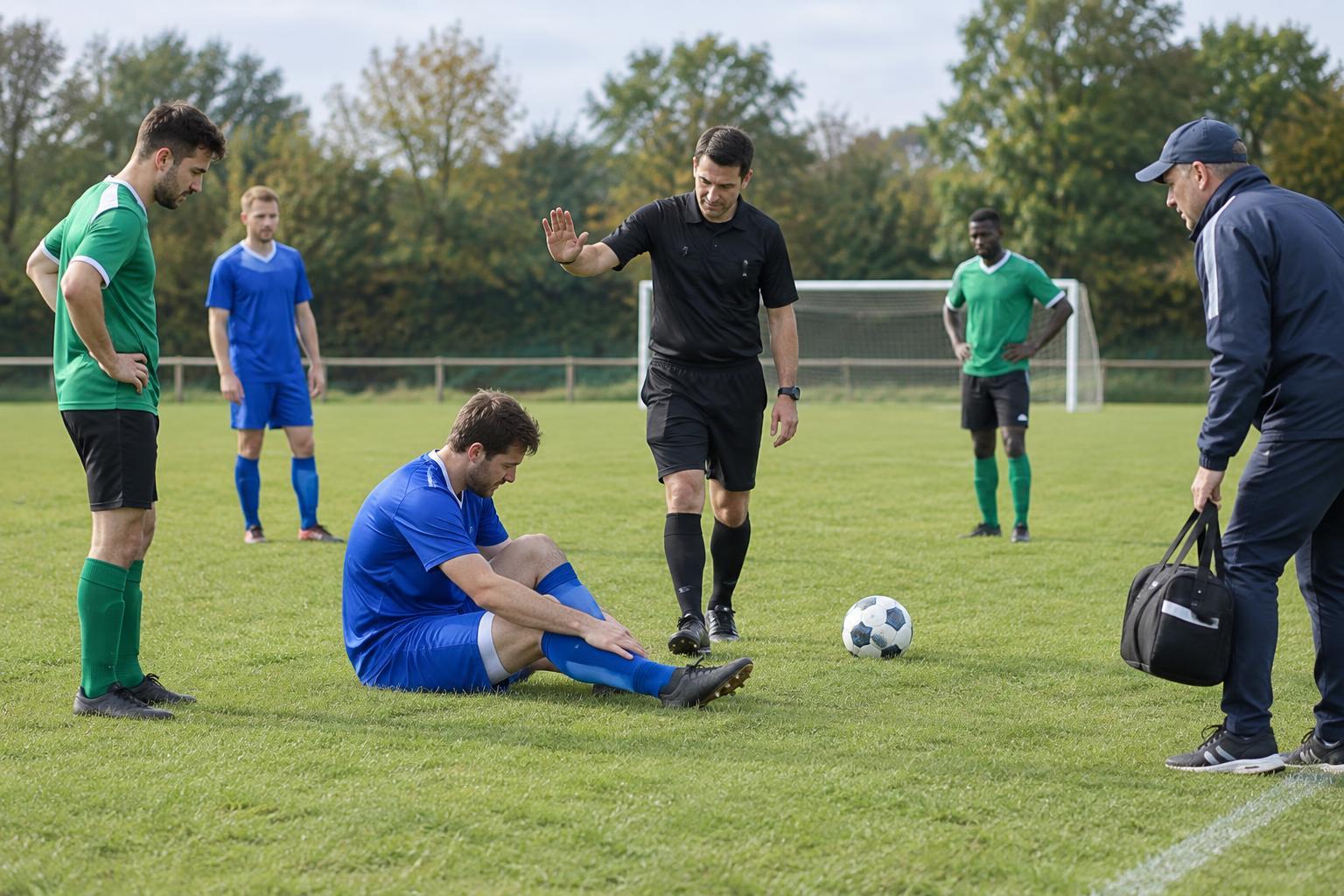
If a challenge is dangerous or someone feels threatened, pause the activity and get the captain, coach or organiser involved. Otherwise, give each other a little space before starting a conversation. Waiting until breathing has settled is not the same as ignoring the problem; it gives both players a better chance to describe what happened without turning one incident into a judgment about each other’s character.
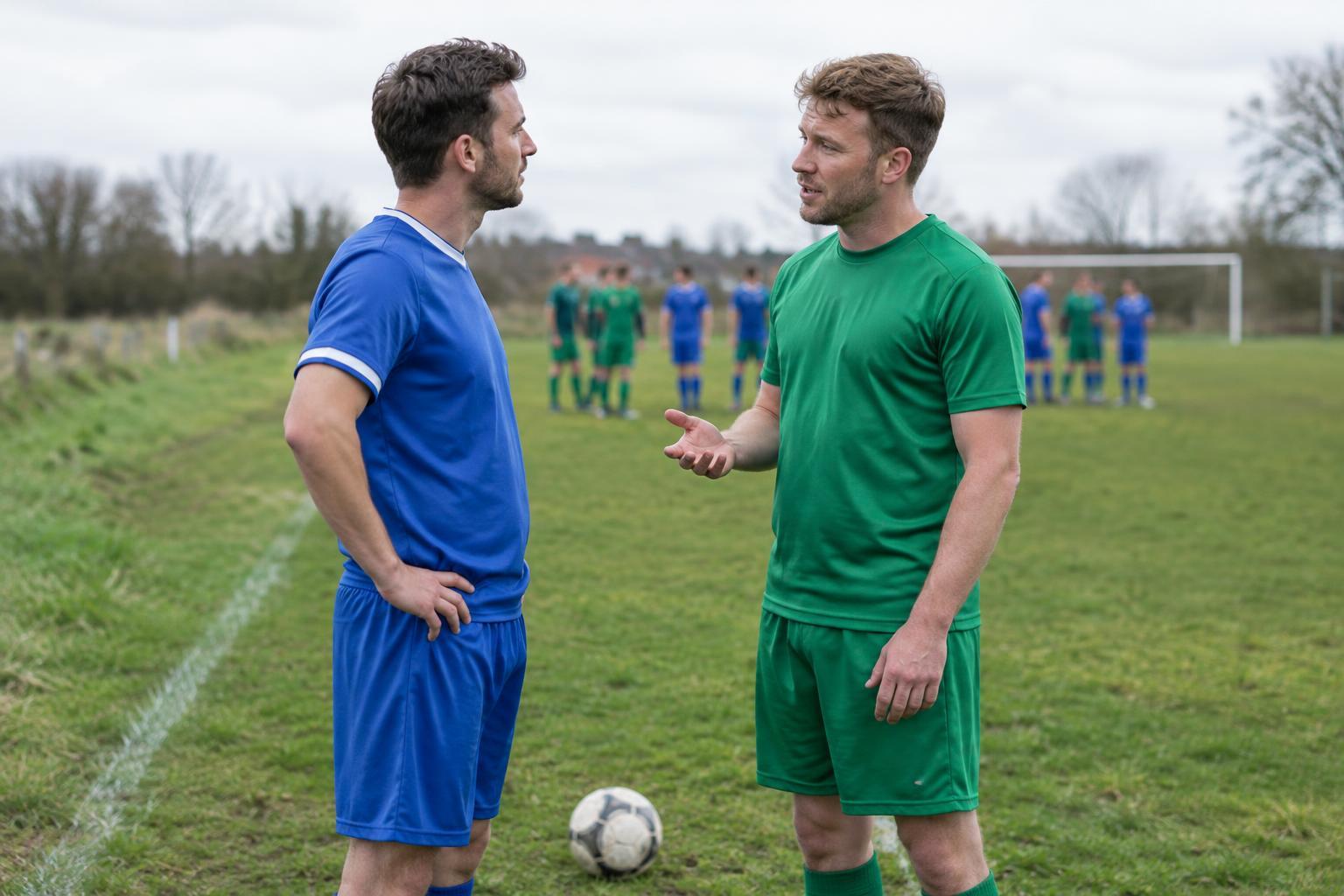
Have a direct conversation away from the group
Speak privately if possible, rather than calling someone out in front of the squad or in a team chat. Start with the specific action and its effect: “When you shouted at me after that pass, I found it hard to focus.” This leaves room for the other person’s account. “You always blame everyone else” is more likely to prompt a defence than a useful answer.
Let the other player finish, then check that you understood them. They may have seen a different passing option, heard a comment differently or been frustrated about an earlier incident. Listening does not require you to agree. It helps you find out whether you are dealing with a tactical misunderstanding, a one-off loss of temper or a pattern that needs wider attention.
Keep the aim modest. You do not have to become close friends to play well together. A productive conversation might end with both players agreeing to give clearer calls on the pitch, raise complaints without insults and move on after a mistake.
Make match-day communication easier
Some disagreements repeat because teammates have different expectations rather than a personal grievance. One defender may want an early shout before being pressed; another may find constant instructions distracting. A short discussion at training can establish which calls are useful, who is organising the line and when feedback should wait until a break in play.
The same principle applies to substitutions, positions and effort. If a coach or organiser makes those decisions, direct concerns to that person rather than asking a teammate to defend their minutes. Where a team shares decisions informally, agree on a simple process before the next disputed moment. Clear expectations will not remove frustration, but they can stop players from guessing at one another’s motives.
Captains and experienced players can set the tone by treating mistakes as information, not an invitation to assign blame. Specific feedback—such as asking for an earlier pass—gives a teammate something they can act on. A shouted verdict on their ability rarely does.
Know when to bring someone else in
If a private conversation goes nowhere, ask a captain, coach or organiser to help. Describe what happened and what you have already tried, without recruiting other players to take sides. A neutral discussion works best when each person gets time to speak and the group agrees on observable next steps, such as how to communicate during games or how to raise concerns after training.
Not every issue should be treated as an ordinary disagreement. Threats, bullying, discriminatory remarks and repeated intimidation call for prompt attention from whoever is responsible for the team or club. If someone feels unsafe, the priority is to stop the behaviour and support the person affected, not to pressure everyone into a quick reconciliation. Follow any club reporting or safeguarding process that applies.
Check whether the agreement holds
A conversation is only a start. At the next session, notice whether both players are using the approach they agreed on. A brief check-in can help: “Was that better today?” If tension remains, name the specific behaviour that has continued rather than reopening every past argument.
Amateur teams bring together people with different experience, schedules and reasons for playing. They will not agree on every decision. What keeps a disagreement manageable is a shared habit of addressing problems early, speaking respectfully and making the next training session easier for everyone to join.