Start by asking, not assuming
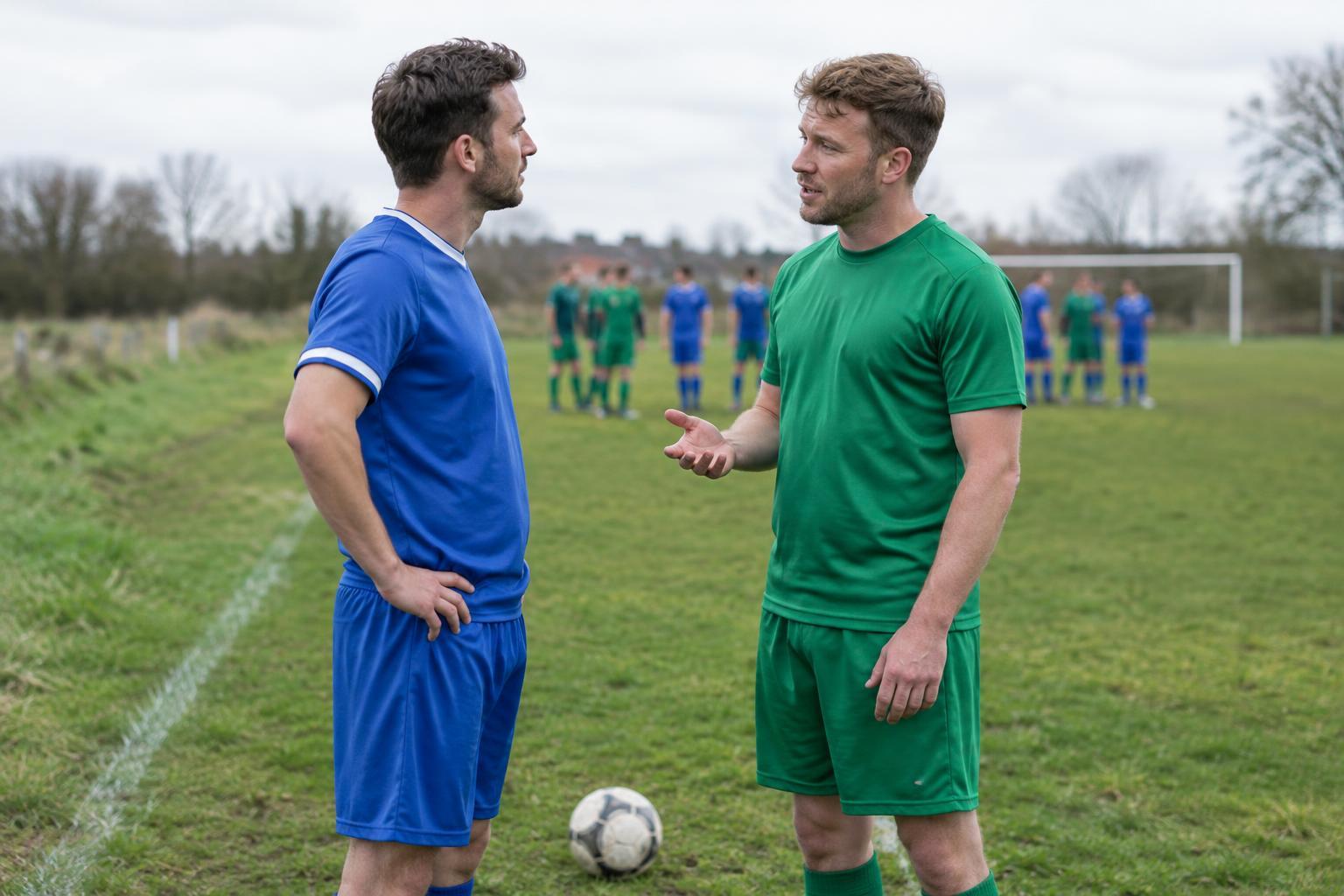
There is no single way to make a football session accessible to every disabled player. People may have different mobility, sensory, communication or energy needs, and two players with the same disability may prefer different approaches. The most useful starting point is a simple invitation: ask prospective and existing players what would help them participate, and make it easy to answer privately. Some people will want an adjustment; others may not.
When a player raises a barrier, discuss what could change rather than asking them to justify their disability. They might need a quieter introduction to the group, more time to process an instruction, a different way to take part in a drill or a suitable route onto the playing surface. Agree on a plan together, check that it works in practice and leave room to revise it. A player should not have to share personal details with the whole squad to be included.
Make the session easy to understand before arrival
A vague invitation to “turn up and play” can leave important questions unanswered. Session information should explain the location, start and finish times, likely group size, surface, format, cost, equipment needed and who to contact with questions. Describe the facilities you know about, such as step-free access, toilets, seating, parking and public transport options. If you are unsure whether a feature is accessible, say so and offer to check rather than making a promise you cannot confirm.
Share information in a format people can read and refer back to, using straightforward language rather than relying only on a poster image. Tell players what the first few minutes will look like: where to meet, who will greet them and whether they can watch before joining in. These details can help newcomers plan their journey and decide whether the session is right for them. Keep a channel open for questions without requiring someone to disclose a disability in a public group chat.
Look at the whole journey through the venue
Accessibility does not begin at the touchline. Walk the route a player would take from the entrance to the changing area, toilet and pitch. Look for steps, narrow gates, uneven paths, clutter, poor lighting and places where noise or crowds might make conversation difficult. A venue may have an accessible entrance but still have a barrier between that entrance and the session. Where you cannot remove an obstacle, describe it clearly so players can make an informed choice.
Make practical changes within your control: keep routes clear, leave space for mobility equipment, provide a place to sit during breaks and choose a meeting point that is easy to find. If you book a facility, ask its staff specific questions before advertising it as accessible. Consider travel and timing too. A session that requires a long wait outside a locked venue, for example, may be harder to attend than one where a volunteer is ready to welcome players.
Build flexibility into the football
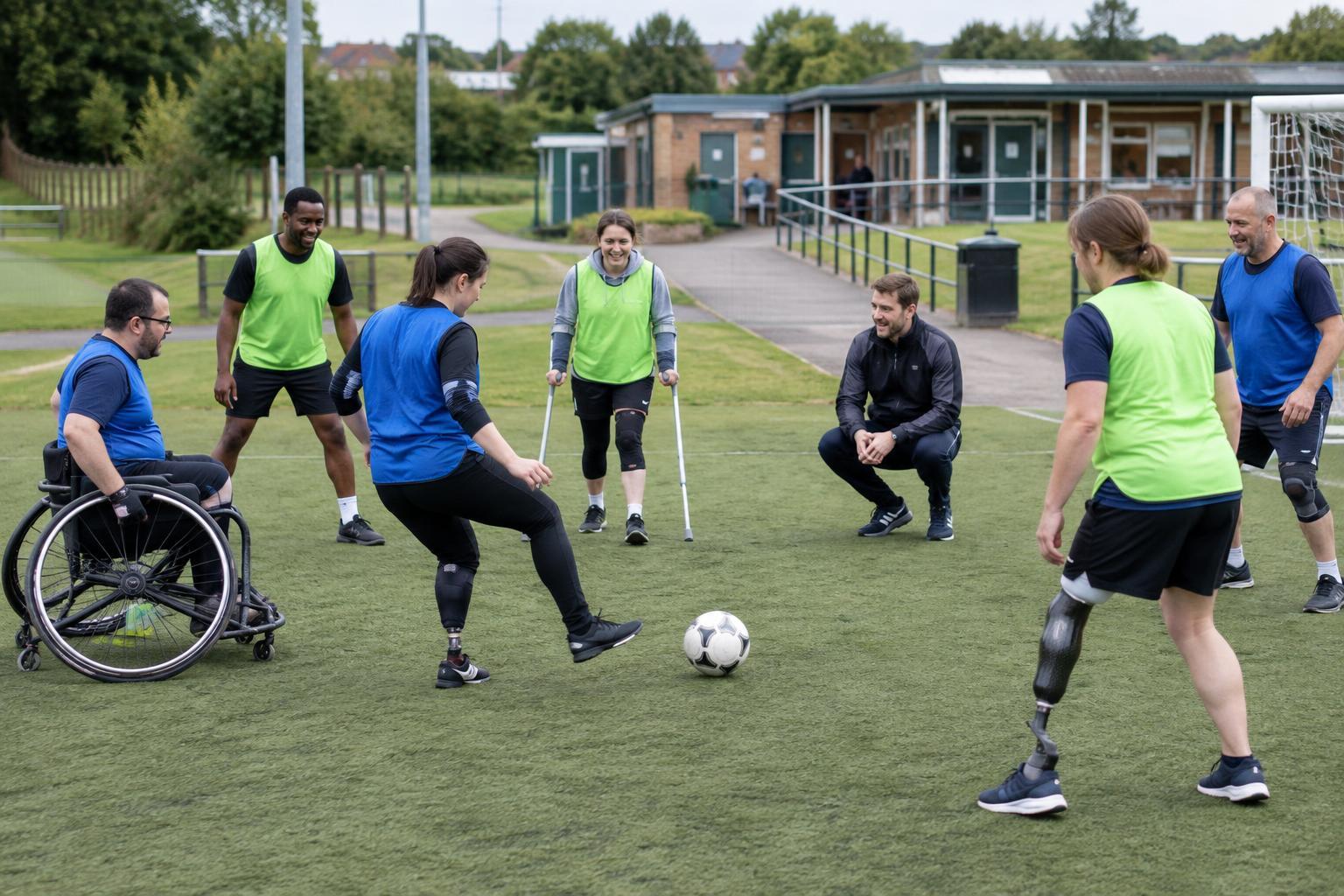
Good coaching can offer several ways to practise the same idea. In a passing drill, players might vary distance, pace, ball type or whether the ball travels along the ground. In a small-sided game, organisers can adjust pitch size, team numbers, rest periods or the rules around contact. Explain the aim of an activity, then invite players to help find a version that is challenging and enjoyable for them. An adjustment should support participation, not automatically move someone away from meaningful play.
Give instructions in more than one way when possible: a short spoken explanation, a demonstration and a chance to ask questions. Avoid changing a drill without telling the group what is happening. Build in water and rest breaks without making anyone request permission to stop. Where a session includes a wide range of experience and abilities, rotate activities or offer choices rather than expecting one format to suit everyone all the time.
Create a team culture that lasts
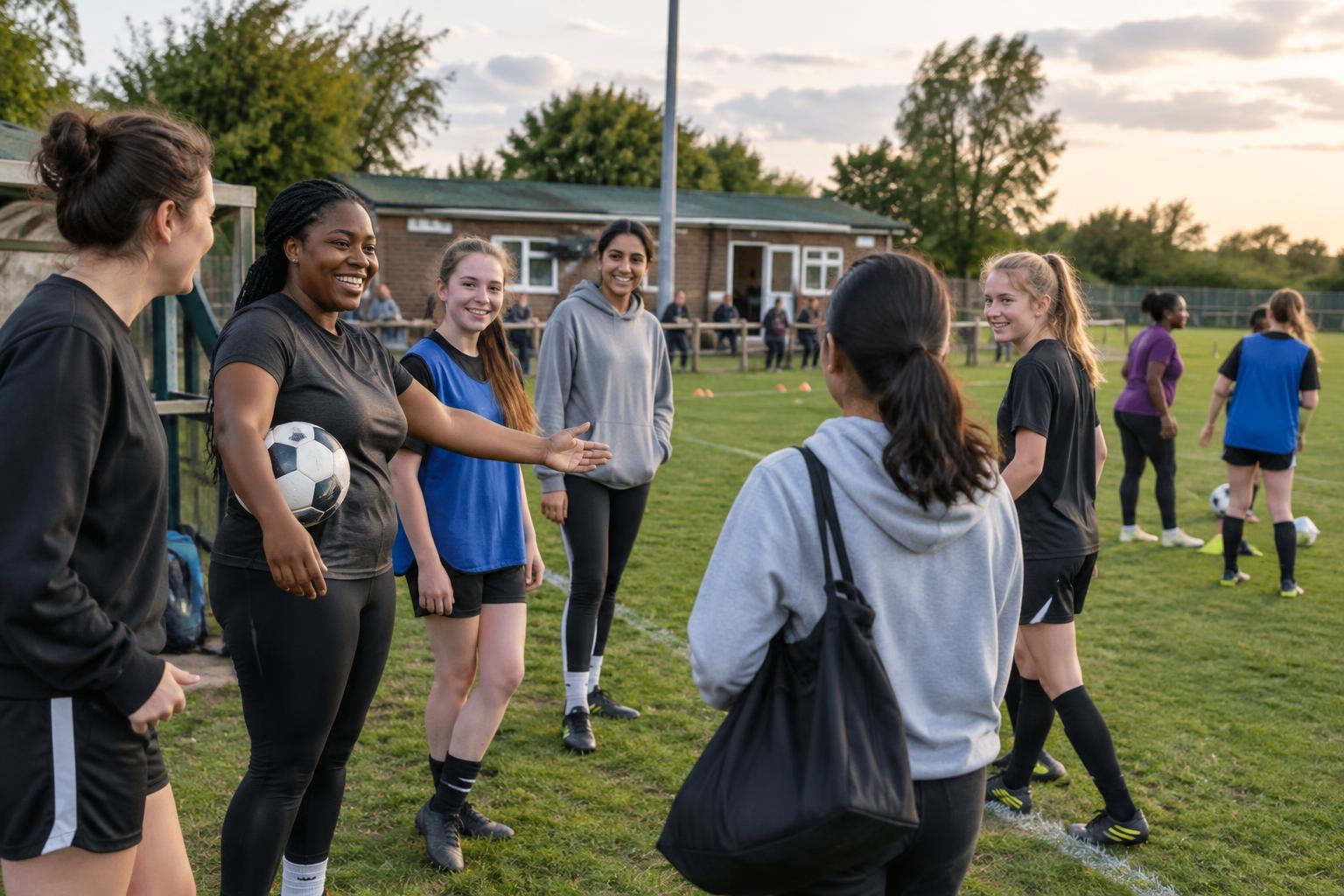
Access also depends on how people treat one another. Set a clear expectation that players speak to teammates directly, respect their preferences and do not handle someone’s equipment or offer physical help without asking. Address exclusionary jokes and impatient behaviour promptly. At the same time, avoid turning one player into a lesson for the group or praising ordinary participation as if it were a spectacle.
After a session, ask what worked and what could improve. Check in with volunteers and coaches as well as players: they may spot a confusing instruction, a crowded entrance or a drill that regularly leaves someone waiting. Record useful changes so the welcome does not depend on one organiser remembering every detail. Accessibility is an ongoing part of running community football well, not a one-off checklist completed before the first match.