Turning up without a plan
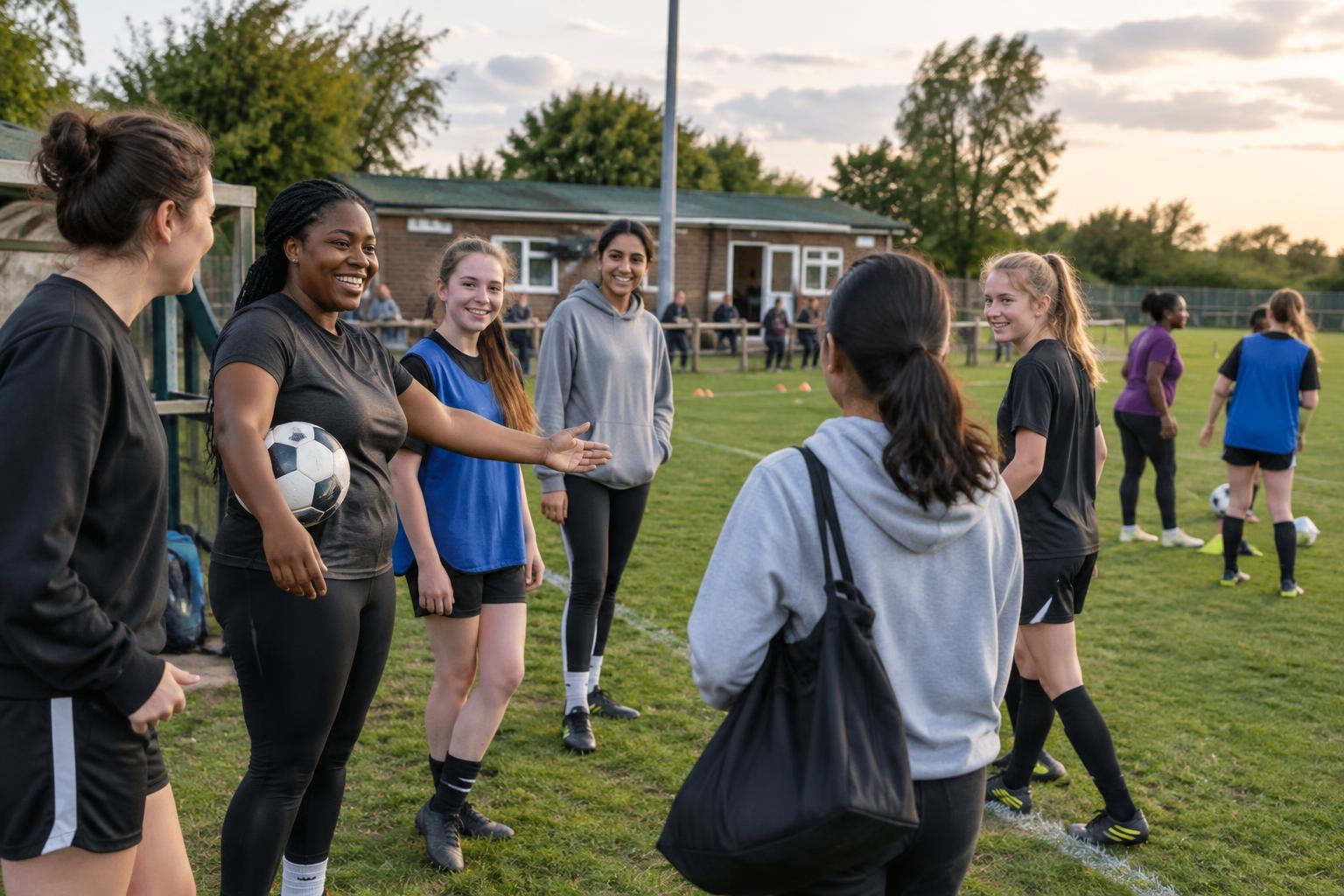
A common first mistake is treating training as something that starts when the ball arrives. New players sometimes show up just before the session, unsure of the format, the surface or what equipment they need. Arriving with enough time to get ready, bringing water and suitable footwear, and listening to the coach or organiser’s opening instructions make it easier to take part from the start. If you are unsure where to go or what a drill is meant to practise, ask.
Preparation also means setting a small goal rather than trying to master everything at once. You might focus on checking over your shoulder before receiving a pass, or on moving into space after playing one. A specific habit is easier to notice and improve than a vague aim to “play better.” At a match, find out your likely position and any basic team expectations before kick-off.
Chasing the ball instead of finding a position
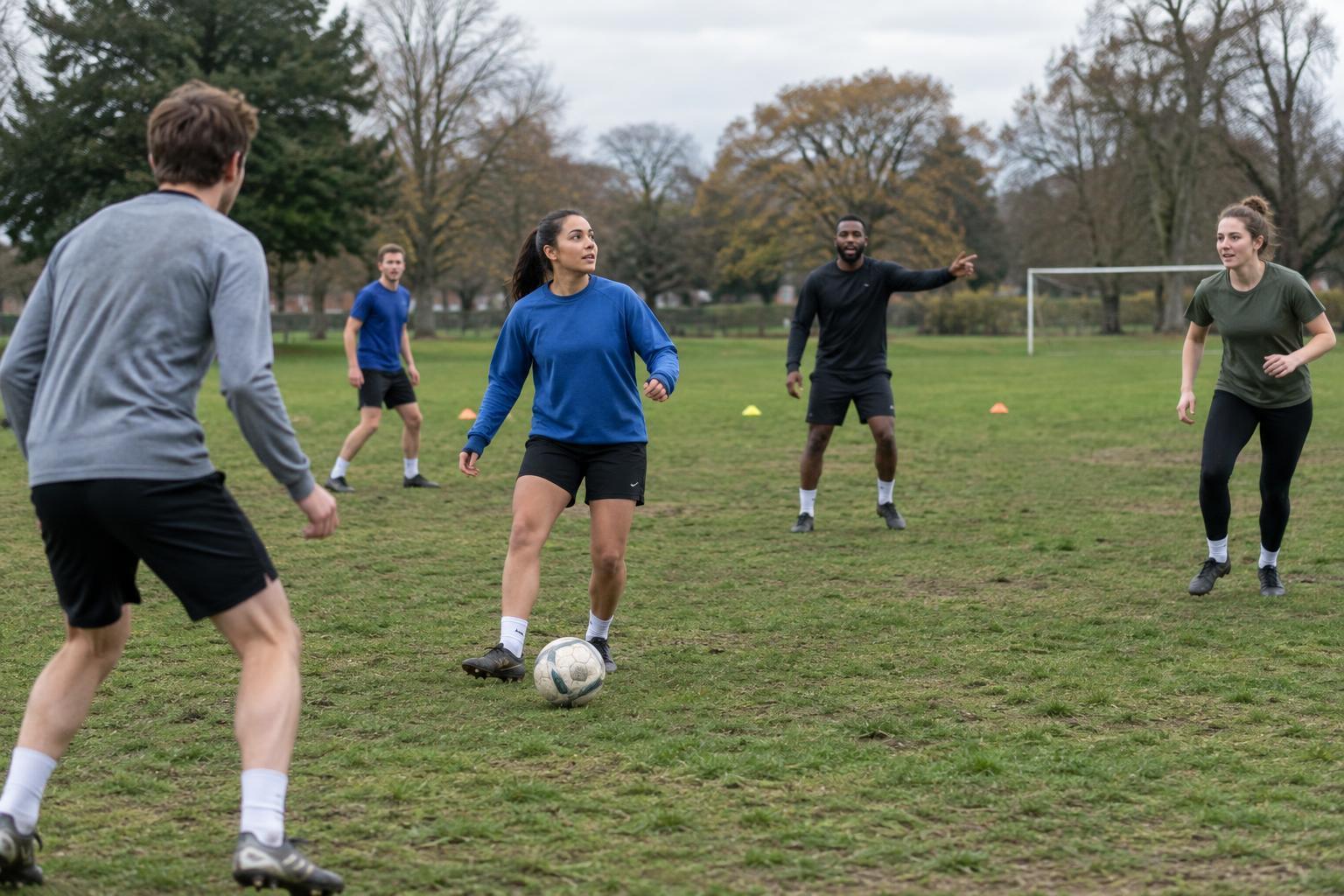
Beginners often follow the ball wherever it goes. The instinct is understandable: being close to it feels like being involved. But when several teammates crowd the same area, passing options disappear and other parts of the pitch are left open. Try to notice where your teammates are and give the player in possession a useful angle. Sometimes the best contribution is staying wide, holding a deeper position or drawing an opponent away.
The same principle applies when your team loses possession. Sprinting straight at the ball is not always the most helpful response, especially if a teammate is already applying pressure. Look for an opponent you may need to track or a passing lane you can block. Your role will vary with the team’s shape and the organiser’s instructions, so use breaks in play to check where you should be.
Making every touch more difficult than it needs to be
Many new players feel they must prove themselves with a dribble, a long pass or a powerful shot. That pressure can lead to losing the ball when a simple pass would have kept the move going. Before receiving, take a quick look at nearby teammates and opponents. If you have little space, controlling the ball and laying it off may be the right choice. If you have time, take a touch that sets up your next action rather than stopping the ball under your feet.
This does not mean avoiding risks altogether. Training is a good place to try unfamiliar skills and learn what works. The useful distinction is between a purposeful attempt and a rushed one. After a mistake, ask what you saw, what you missed and what simpler option was available. That question helps more than deciding you are simply “bad on the ball.”
Staying silent and assuming everyone sees the same thing
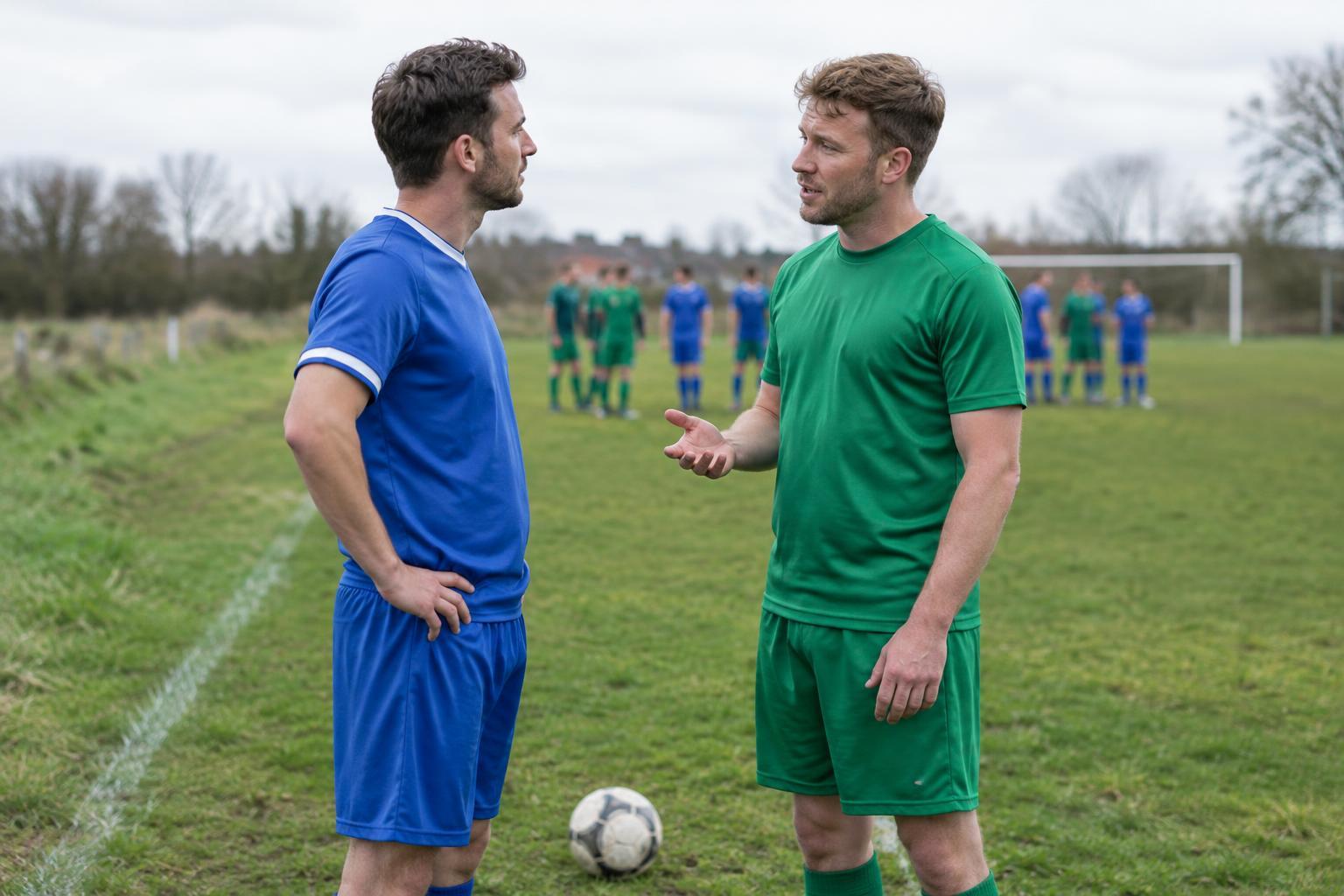
A teammate looking down to control a pass may not see an opponent closing in. A defender may not know who is marking the runner behind them. Short, clear calls can help: say that you are available, warn of pressure or tell a teammate you are covering their position. Use the words your team understands, and call early enough for the information to be useful. Shouting constant instructions, however, can add confusion rather than clarity.
Communication is also about listening and responding well. New players can mistake correction for criticism or stop speaking after an error. If a teammate asks you to hold your position or make a different run, try it and discuss it calmly when play pauses. Encouraging someone after a misplaced pass helps keep the team engaged; blaming them rarely improves the next decision.
Forgetting that progress happens between touches
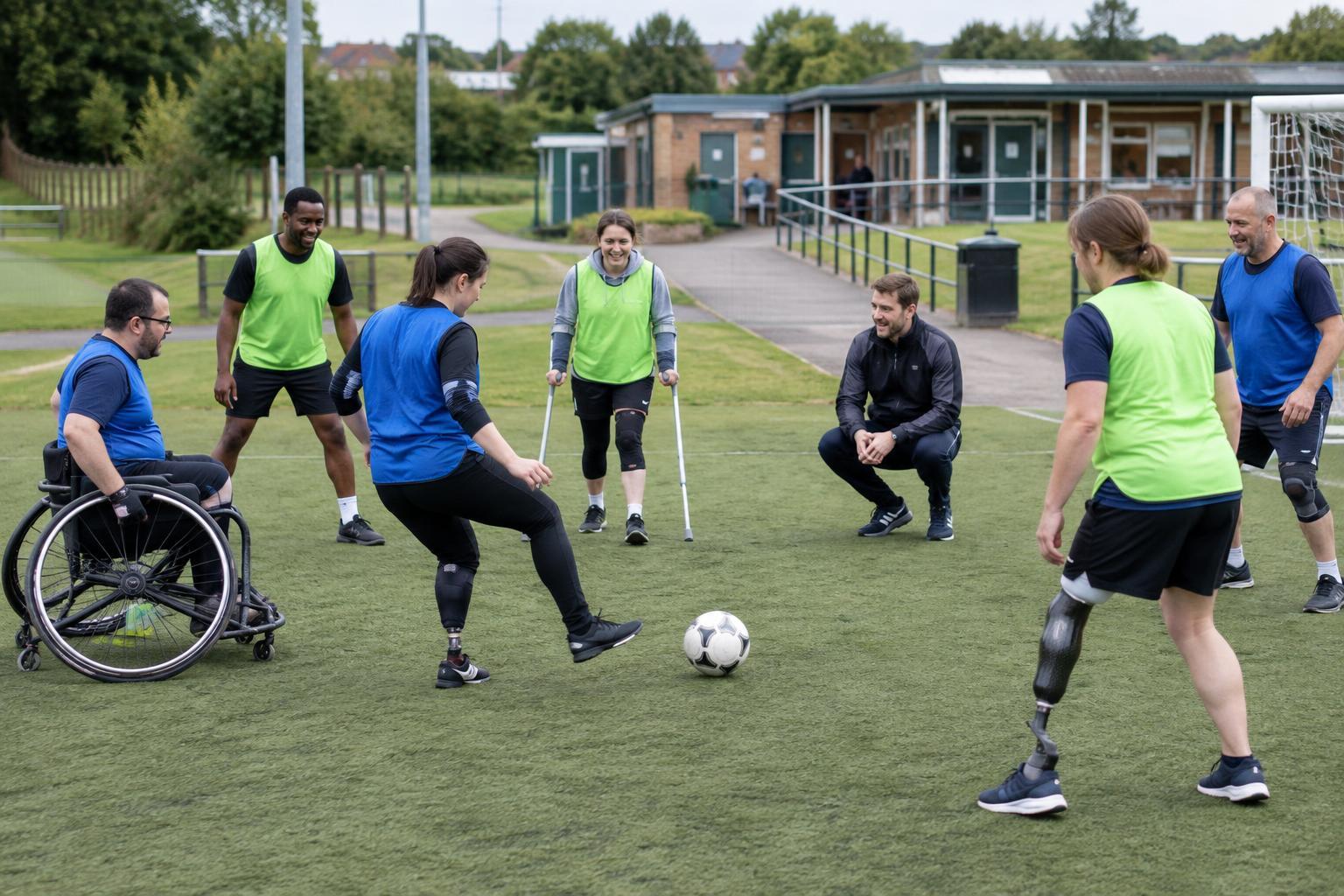
It is easy to judge a session only by goals, assists or how many times you had the ball. Amateur football also depends on less visible habits: offering passing options, getting back into position, paying attention during demonstrations and helping set up or collect equipment. New players who stay involved between touches often learn the rhythm of the team faster than those who wait for a chance to do something spectacular.
Finally, avoid treating every session like a test of how hard you can push. Build your participation at a manageable pace, follow the session’s warm-up and speak up if you need to stop. Afterward, think of one thing that went well and one thing to practise next time. Mistakes are part of joining a team; the aim is not to avoid them all, but to turn repeated situations into better habits.