The problem with a drawn knockout match
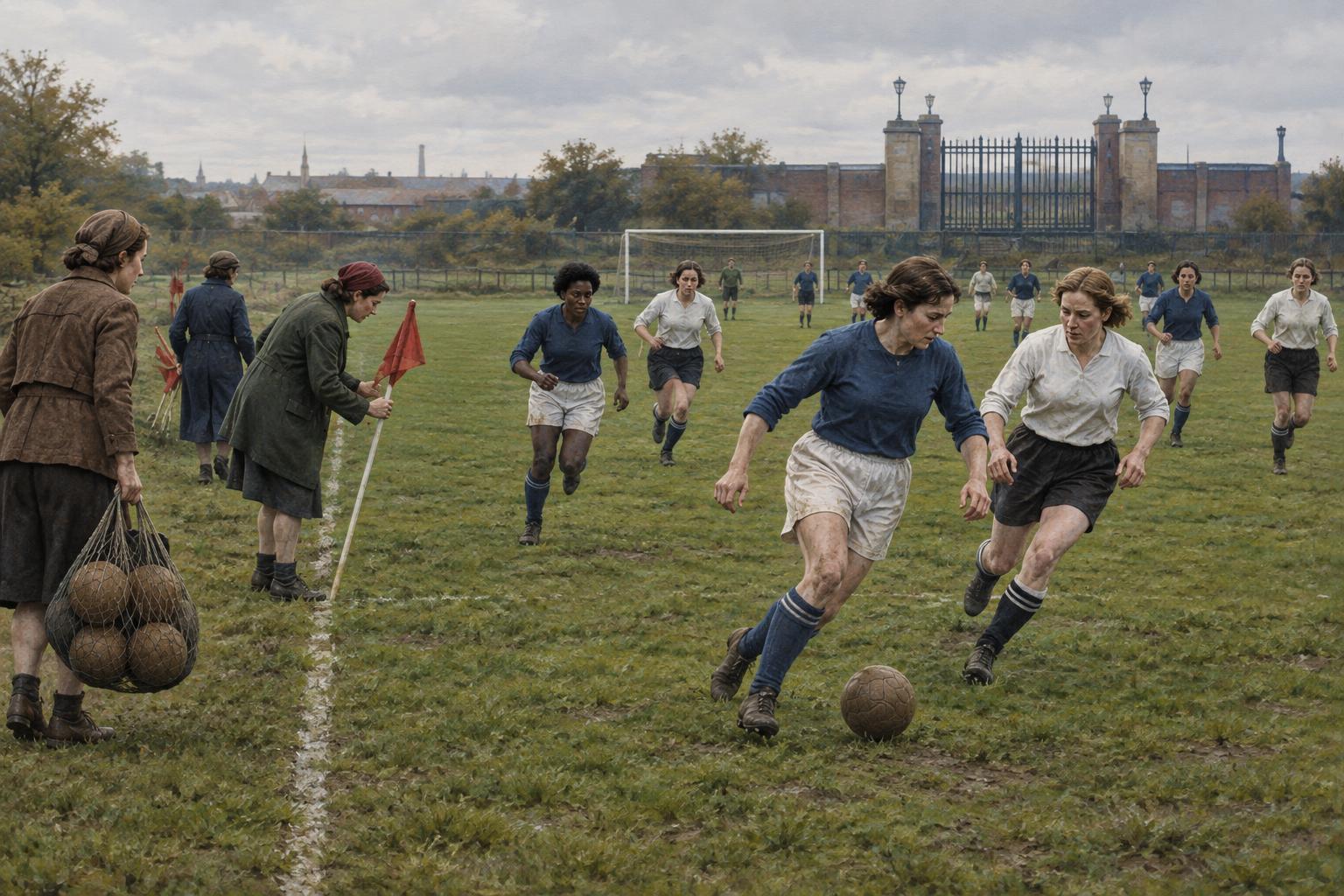
A league match can finish level without leaving anything unresolved: each side takes a point and the competition moves on. A knockout tie is different. One team must advance, even when neither has found a winning goal. For much of football’s history, organisers dealt with that problem through extra time and replays. If a match remained drawn, the teams could return on another day and try again.
Replays offered a satisfying idea: settle the tie through more football. They also required another venue, another journey and space in the calendar. Depending on the competition and its rules, a replay could itself end level. Other methods, including the drawing of lots or a coin toss, provided a definite answer but left qualification to chance rather than anything the players did on the pitch.
From the penalty kick to kicks from the mark
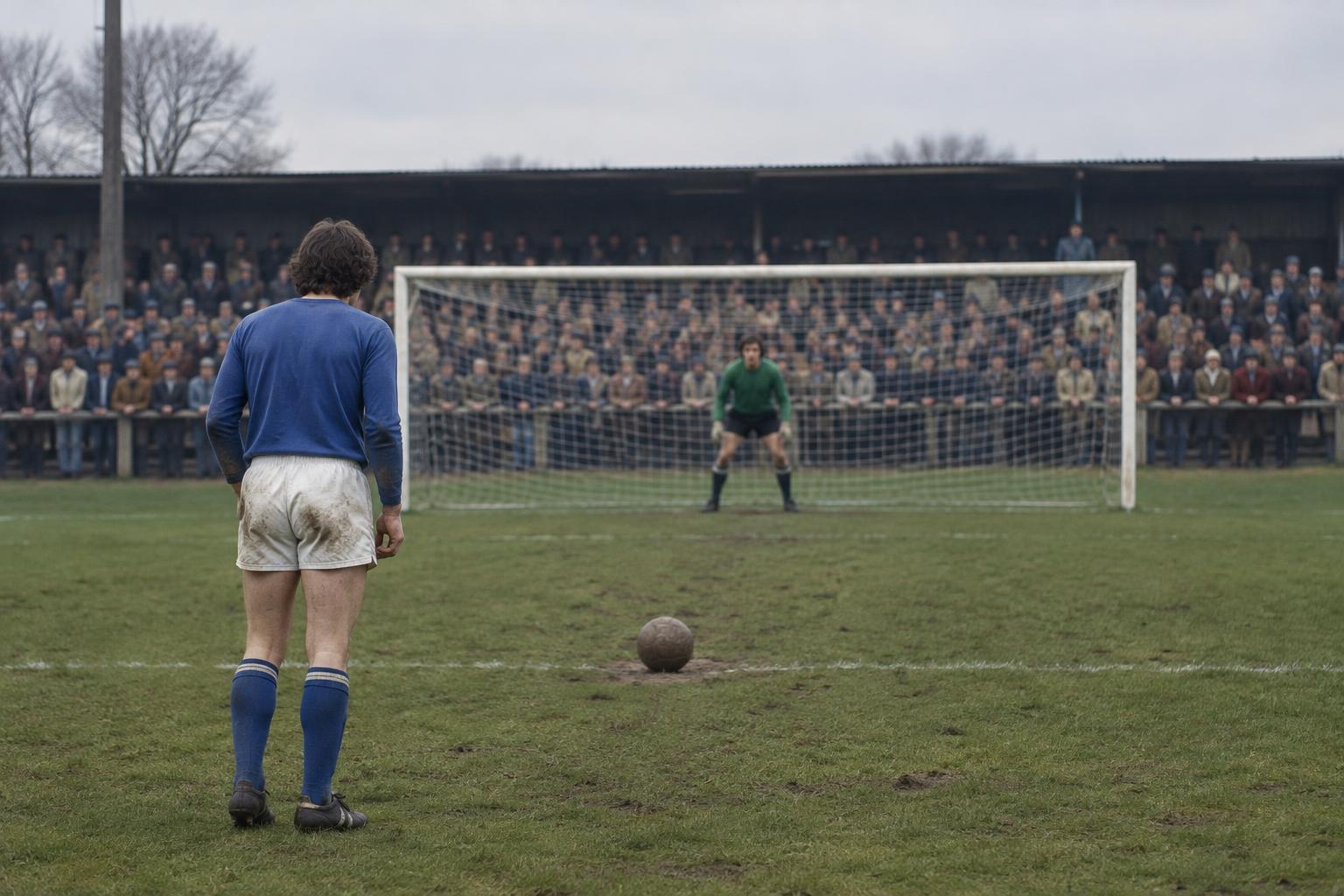
The penalty kick was already a long-established part of football before shootouts appeared. Awarded for certain offences during a match, it gave an attacking player a direct chance to score. A shootout used the same basic contest between kicker and goalkeeper for a different purpose: deciding the winner after the football itself had ended level.
That distinction matters. Goals scored in a shootout do not become goals in the match score; the kicks determine which team progresses. The format developed and gained official acceptance around the turn of the 1970s, as football sought a way to finish ties without repeatedly adding matches or relying on lots. Its appeal was practical. It could take place immediately, in the same stadium, with a clear outcome for players, organisers and spectators.
How the format spread
Adoption was not instant or identical across competitions. Different tournaments continued to use combinations of extra time, replays and other tie-breaking rules. Over time, though, shootouts became a familiar option when a knockout match needed a winner that day. Their use in major international competitions helped make the procedure recognisable well beyond the tournaments that first adopted it.
The 1976 European Championship final between Czechoslovakia and West Germany remains a defining early example, remembered in particular for Antonín Panenka’s chipped winning kick. The men’s World Cup finals first saw a shootout in 1982, when West Germany and France could not be separated in their semi-final. Those matches did not invent the method; they showed a vast audience how abruptly a long contest could narrow to a series of individual attempts.
The familiar procedure gives each team up to five alternating kicks, ending early if one side can no longer be caught. If the teams are still level, they continue in rounds until one scores and the other does not. The result is decisive without pretending that the shootout is simply another period of open play.
A practical answer, not a perfect one
Shootouts changed more than tournament administration. They created a distinctive kind of football drama: a team effort decided through repeated, visible one-on-one moments. Goalkeepers can become central figures, while a single miss may shape how a player’s performance is remembered. That focus makes shootouts compelling, but it can also seem harsh after a match in which many players contributed.
Critics argue that penalties reward a skill narrower than the range of qualities tested over 90 or 120 minutes. Supporters of the format can reasonably reply that taking and saving penalties are football skills, performed under pressure rather than determined by a coin toss. Neither view makes the underlying problem disappear. Once a competition requires one team to advance on a fixed day, every tie-breaker involves a compromise.
That is why the shootout endures. It is relatively simple to stage, gives both teams a structured chance and produces a winner without another fixture. Replays may allow more football, and extra time remains an important opportunity to win through normal play. When neither resolves the tie, kicks from the penalty mark provide the final answer—even if debate about whether it is the fairest answer continues.