A history with many starting points
There is no single origin story for women’s domestic league football. Women played organised matches in different places long before stable league structures became common, but the route from occasional fixtures to a regular season varied by country and region. Some clubs grew from workplaces or neighbourhood groups; others formed around schools, community organisations or existing football clubs. What linked them was the need for repeatable competition: opponents, pitches, officials and a way to arrange the next match.
A league does more than produce a table. It gives teams a reason to recruit, train and remain active between high-profile games. Even a modest local competition can make participation more dependable by setting fixtures and shared rules. That practical value helps explain why domestic leagues developed despite obstacles that might have stopped a less organised game.
When access to football infrastructure was restricted
One major barrier was control over the spaces and institutions needed to play. In England, the Football Association’s 1921 decision against women’s matches on grounds used by its affiliated clubs shut teams out of many established venues; the restriction was lifted in 1971. That history should not be treated as a template for every country. Elsewhere, barriers took different forms, including limited recognition, scarce facilities or a lack of support from governing bodies.
Access affected more than matchday crowds. A dependable pitch helps a league publish fixtures, accommodate spectators and avoid repeated cancellations. Training space, changing rooms and equipment matter too. When women’s teams could not rely on those basics, organisers often had to build relationships with independent grounds, local clubs or community groups. The work of securing a place to play was part of building the competition itself.
The organisers who made a season possible
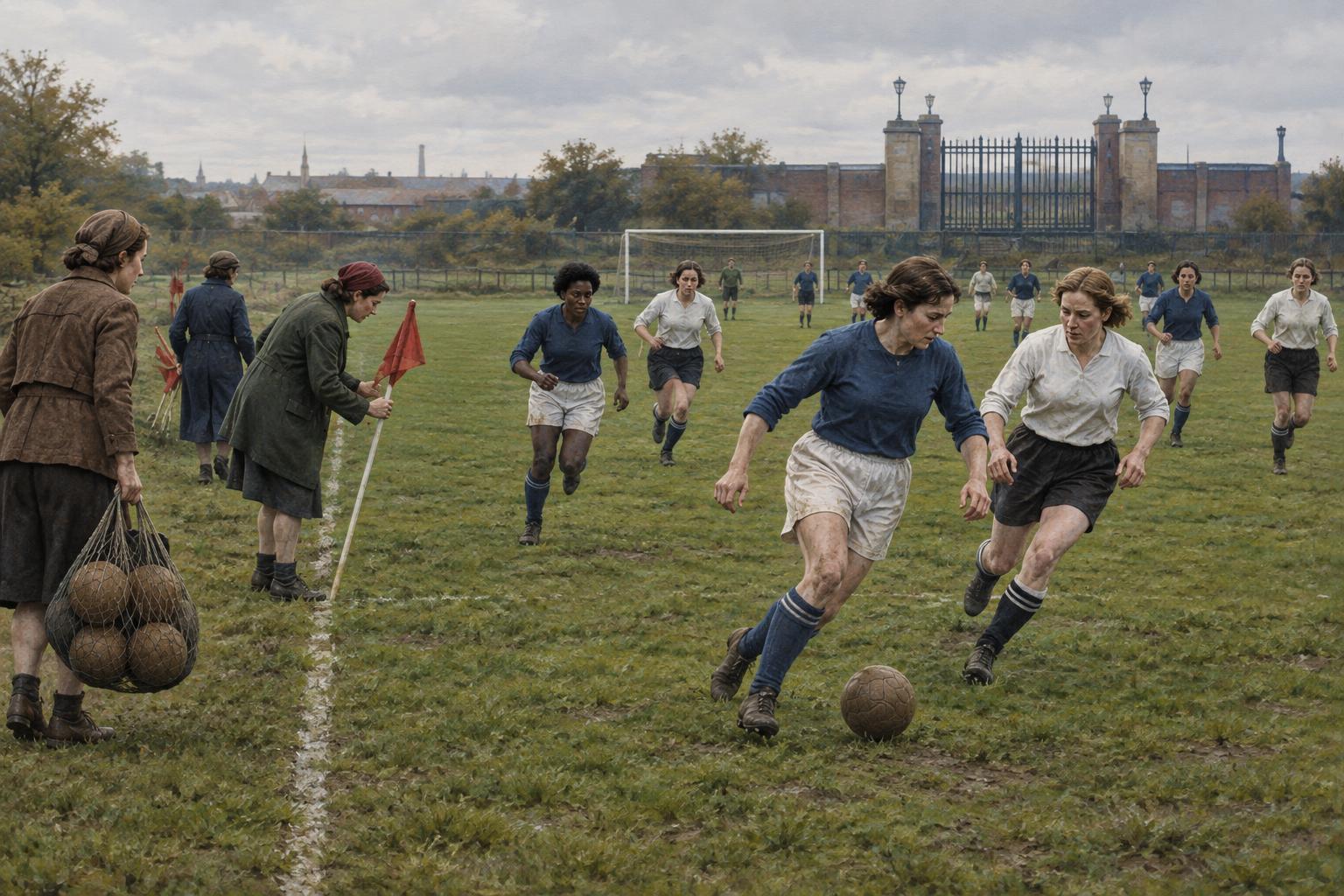
Domestic leagues depended on people doing work that rarely appears in accounts of famous matches. Players and volunteers contacted opponents, arranged travel, collected contributions and settled questions about eligibility and rules. A successful fixture required several groups to arrive at the same place with enough time and resources to play. Turning that effort into a season meant repeating it week after week.
These networks could be resilient, but they were also vulnerable. If a team lost a pitch, an organiser moved away or travel became too expensive, a fixture list could quickly change. Leagues often had to balance ambition with geography: a wider competition might offer stronger opponents, while a local one could be easier for clubs to sustain. Neither choice guaranteed stability. The durable structures were usually those that made participation manageable for the teams they served.
Recognition changed opportunities, but not overnight
As football authorities in different countries began to recognise and administer more women’s competitions, leagues gained opportunities for clearer rules, established pathways and greater visibility. Recognition could connect local clubs to regional and national structures. Yet joining an official system did not automatically provide equal access to funding, facilities or attention. The pace and effects of change differed from place to place.
This is why the history of women’s domestic football cannot be told only as a move from exclusion to acceptance. Community-run competitions and formal leagues often overlapped. Existing clubs brought experience into newer structures, while volunteers continued to handle much of the everyday work. A change in governance could open doors, but teams still needed opponents, affordable travel and somewhere to play.
Why the domestic game matters to the wider story
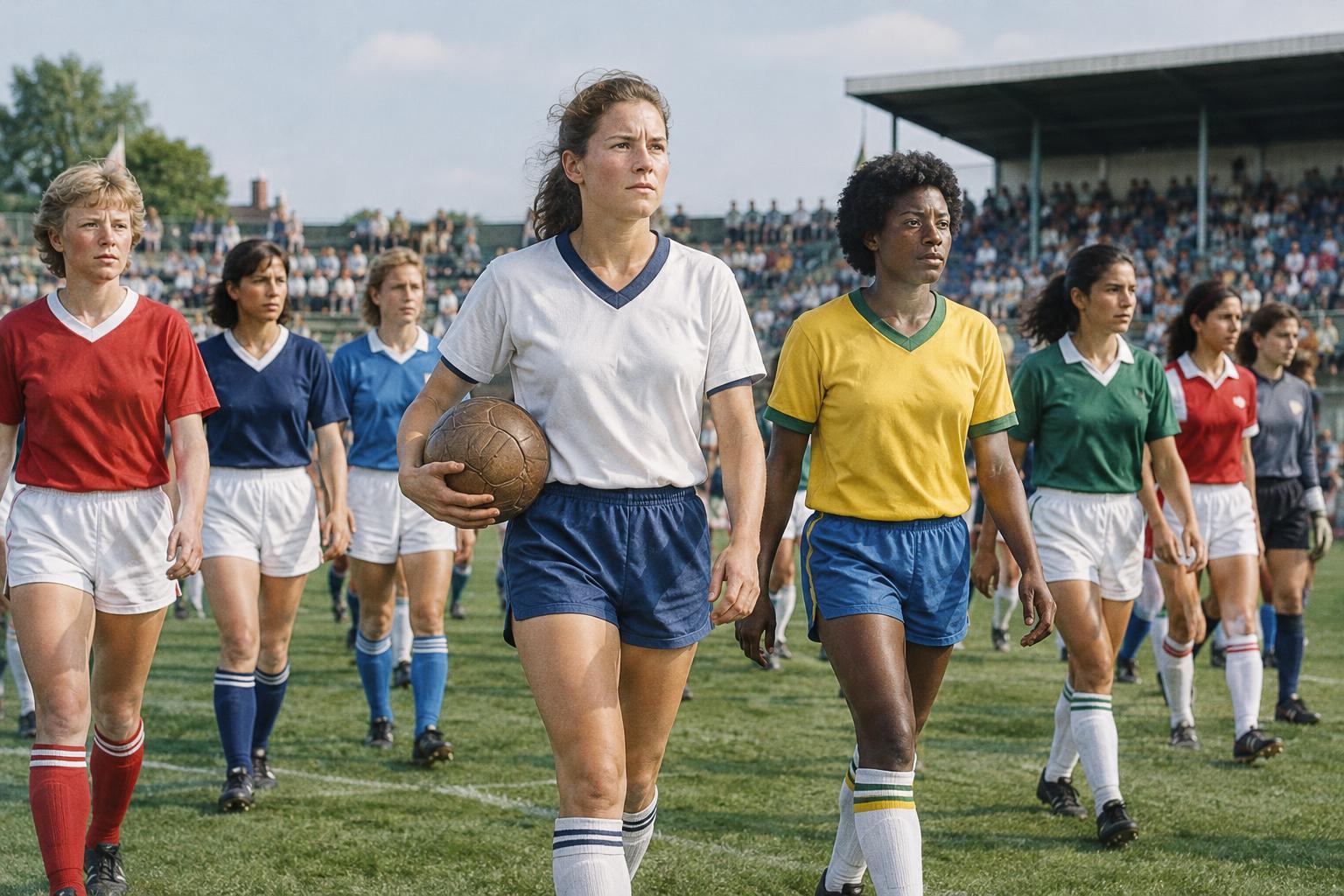
International tournaments can draw attention to women’s football, but domestic leagues are where much of the game is sustained. They offer regular matches in which players develop, coaches learn and supporters form habits around a club. They also preserve local football identities that a story focused only on national teams can miss.
The growth of women’s leagues was therefore not an inevitable result of the game’s popularity. It came from repeated decisions to form teams, arrange fixtures and keep competitions going under imperfect conditions. Looking at that work makes the history clearer: institutional barriers shaped what was possible, while players and organisers created ways to play anyway. The result was not one uniform path, but many domestic football cultures built season by season.