A game that existed before its World Cup
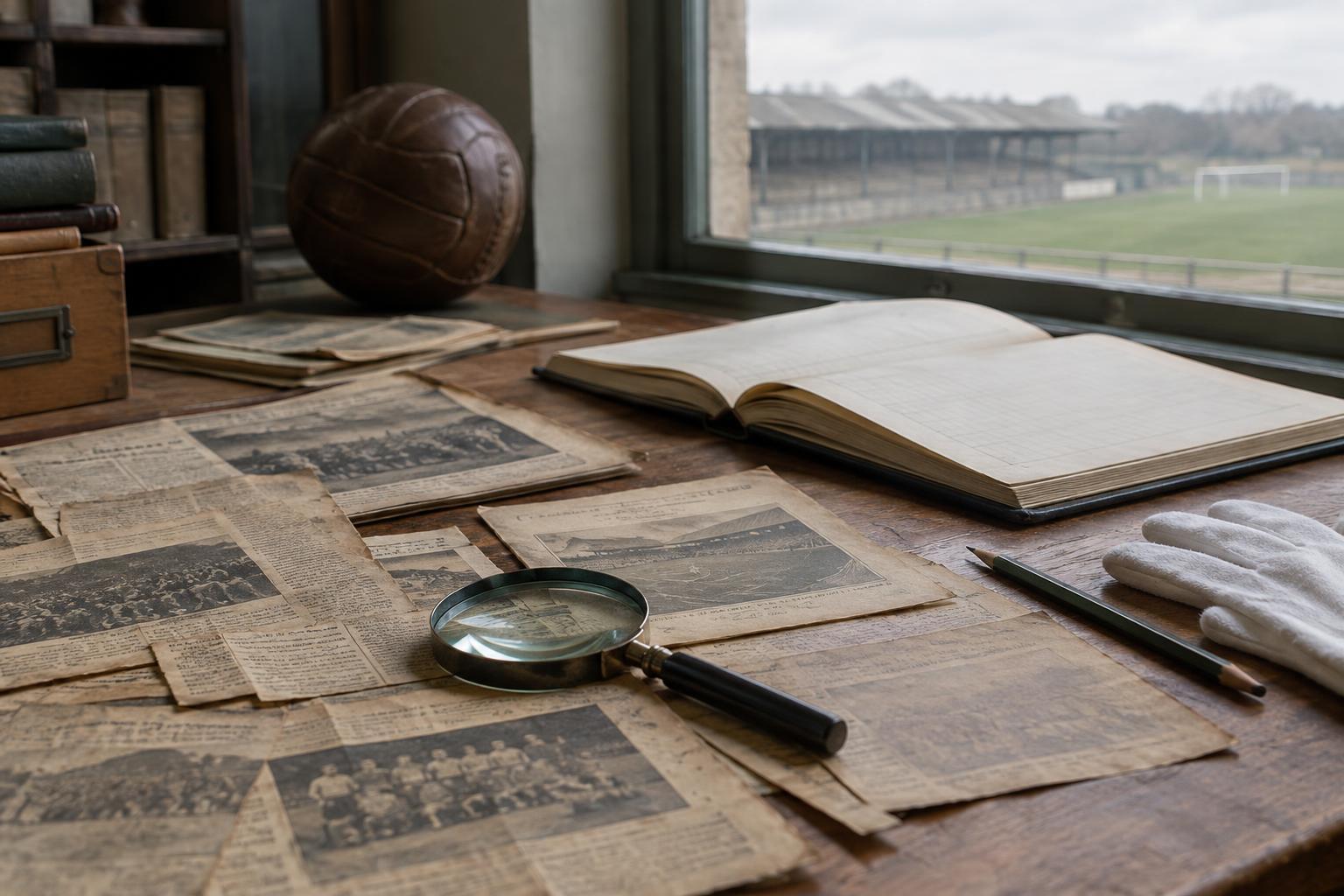
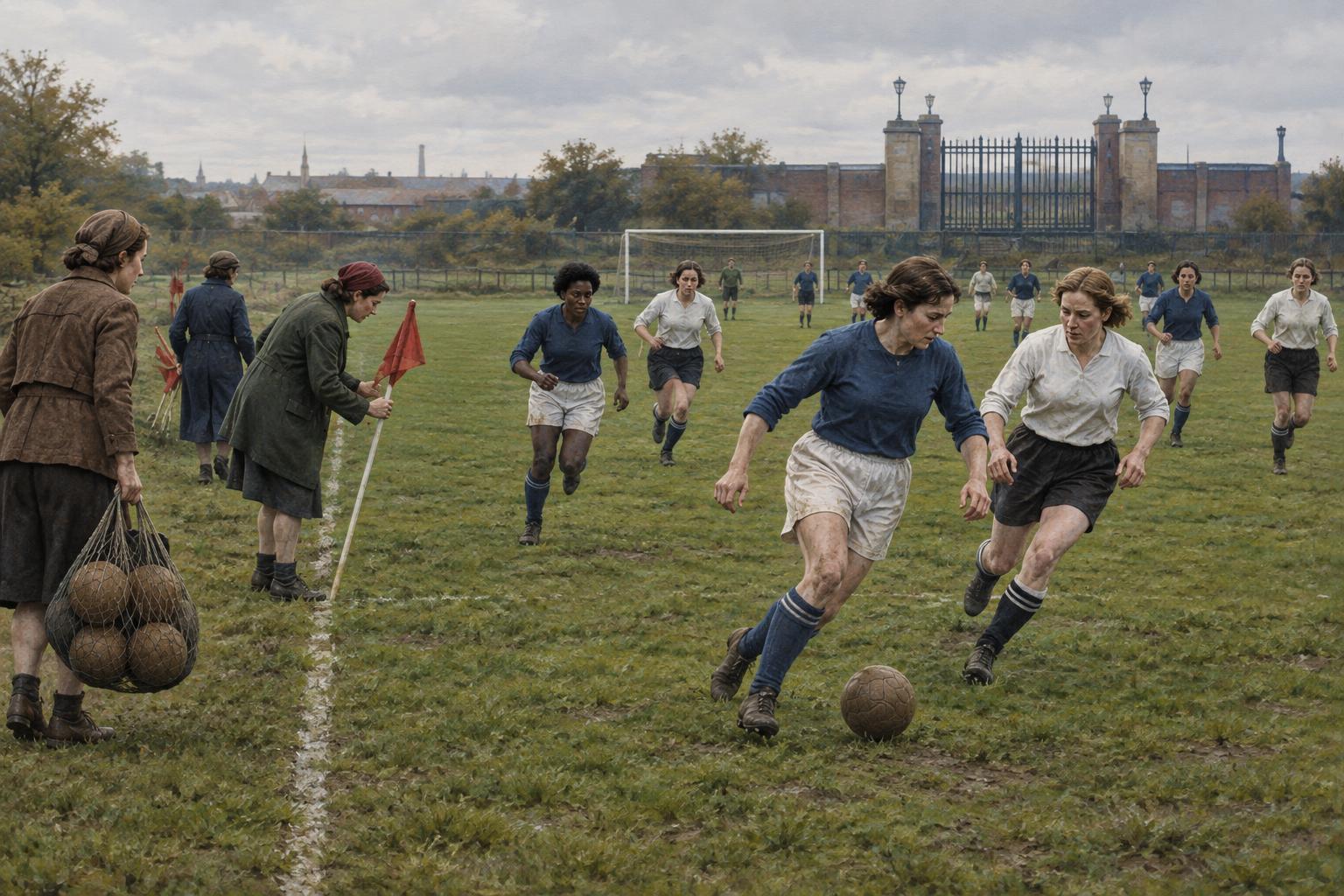
The Women’s World Cup is often introduced through its first FIFA edition, held in China in 1991. That is an important starting point for the official competition, but not for women’s international football. Women had formed clubs, played representative matches and attracted audiences long before FIFA created a world championship for them. The tournament was established because that existing game gradually gained a place within football’s international governing structures.
Progress was uneven. In some countries, women’s teams faced restrictions on access to pitches and support from football authorities. England’s Football Association, for example, barred women’s matches from grounds affiliated with it in 1921; the restriction was lifted in 1971. Such obstacles did not end participation, but they made it harder to build the regular leagues and national-team programmes on which international competitions depend. Other countries followed different paths, so there was no single moment when women’s football began worldwide.
International tournaments before FIFA’s championship
The absence of an official FIFA tournament did not mean teams were waiting to play one another. Women’s international competitions were organised outside FIFA’s World Cup framework, including tournaments in Italy in 1970 and Mexico in 1971 that are often described as unofficial women’s world championships. They demonstrated an appetite for international matches, even though their formats and recognition differed from the later FIFA competition.
Regional football also mattered. As national associations developed women’s teams, they gained more opportunities to arrange fixtures and compare standards. European national teams, for instance, contested a competition in the early 1980s that preceded the European championship as it is now known. These events helped make an international calendar more practical. They also raised a straightforward question: if women’s national teams were already competing, why should there not be a regular world tournament under the sport’s governing body?
From a trial event to the first World Cup
Calls for greater recognition reached FIFA as the women’s game became more visible. One notable intervention came at FIFA’s 1986 congress, when Norwegian delegate Ellen Wille argued for stronger support for women’s football. No single speech created the World Cup, but such advocacy helped press the governing body to act. FIFA then organised an invitational women’s tournament in China in 1988, commonly treated as a test of whether it could stage a global championship.
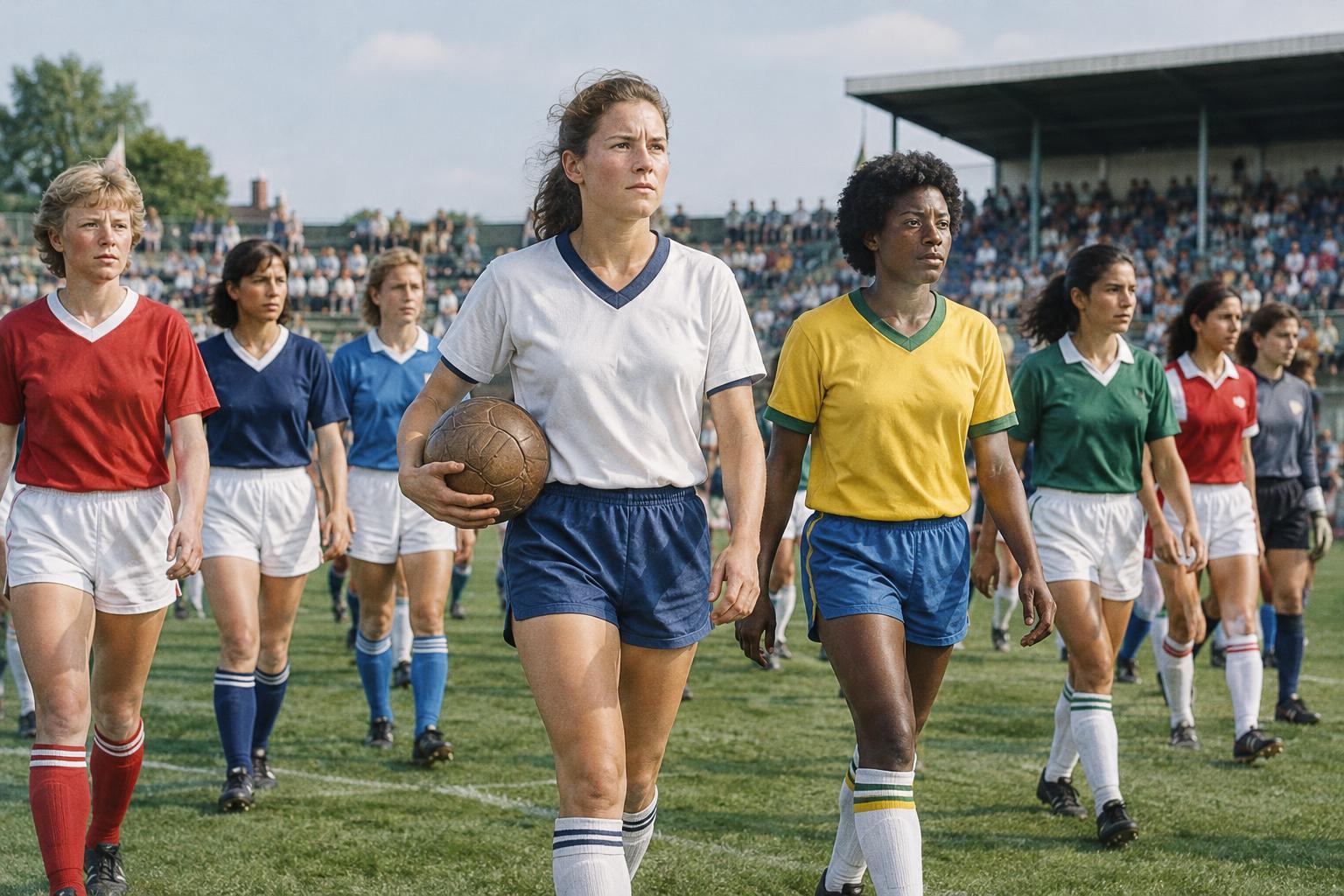
Three years later, China hosted the first FIFA Women’s World Championship. Twelve national teams took part in the 1991 tournament, and the United States won the final against Norway. The event established a formal international title, a route for teams to qualify and an expectation that the competition would return. It was the beginning of the FIFA tournament’s history, rather than the beginning of women’s international football itself.
The original name is a useful reminder that the competition’s identity was still being developed. It was later known as the FIFA Women’s World Cup, aligning its name with the championship familiar today. What mattered most at its establishment was the change in status: an international tournament for women had become a recurring part of FIFA’s competition structure.
Why its establishment mattered
A World Cup gives national teams a shared goal beyond occasional friendlies or regional events. Qualifying provides competitive matches for more countries than can appear at the finals, while a scheduled tournament gives associations a reason to plan squads, coaching and development over several years. Those benefits are not automatic or equally available everywhere, but the structure can help turn isolated opportunities into a more continuous international game.
The championship grew after 1991. A second edition followed in Sweden in 1995, and the finals later expanded beyond the original 12 teams. Growth brought new demands for facilities, funding and attention, alongside continuing questions about how fairly those resources are distributed. The Women’s World Cup’s establishment is therefore best understood as a milestone, not a finish line: it recognised a game that players and organisers had already sustained, while creating a stage on which more of its future could be built.