Belonging starts with shared routines
Supporting a football club is built from ordinary acts: arranging a journey, finding familiar faces before kick-off, discussing a lineup and checking in after a difficult result. Women take part in all of these rituals, whether they have followed a team for decades or are attending their first match. There is no single “women’s experience” of support. Age, background, disability, identity and access to time or money can all shape how someone participates.
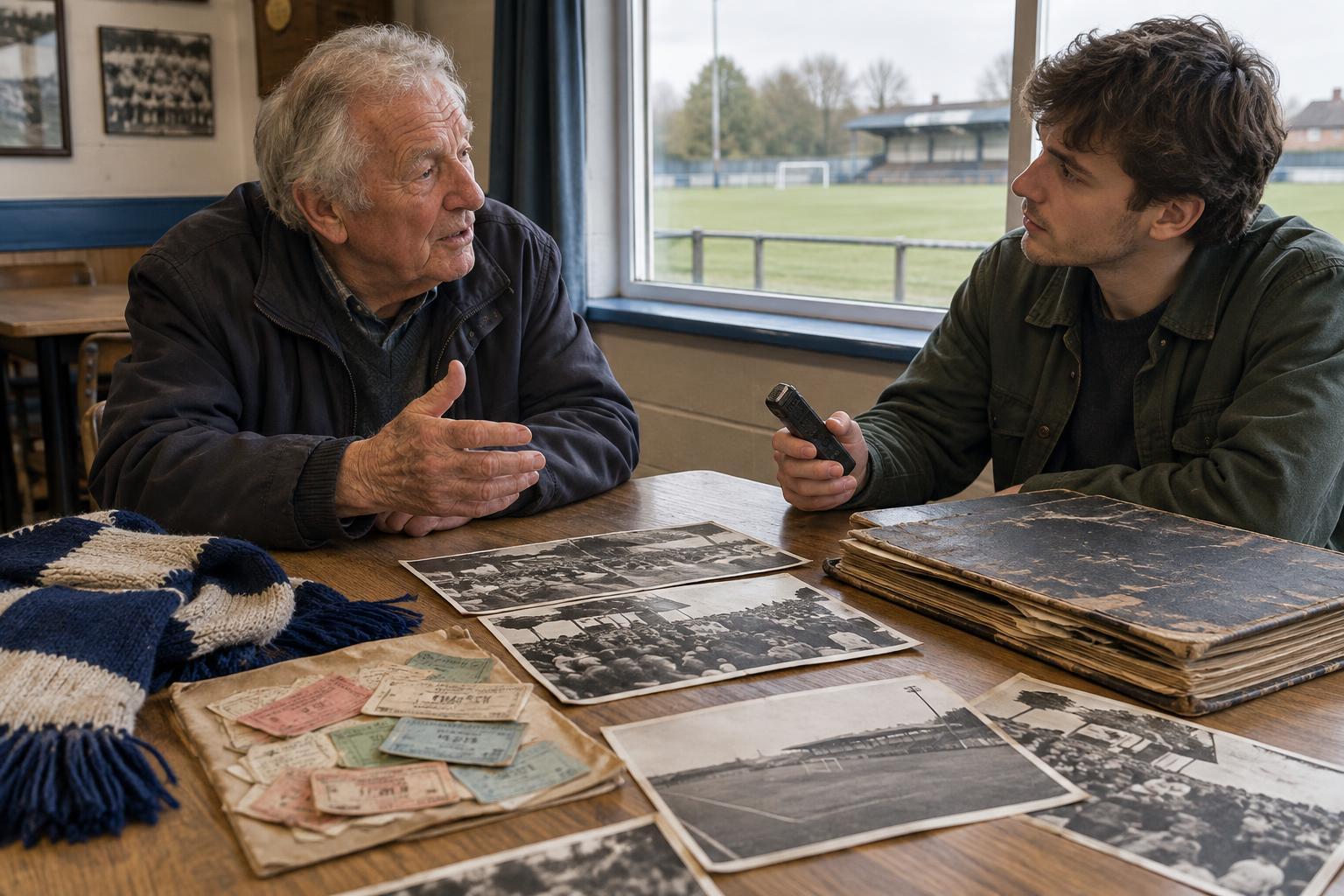
Friendships often make that participation easier to sustain. A supporter might invite a newcomer along, explain an unfamiliar chant or introduce them to people who travel to away matches. These gestures can seem small, but they help turn an intimidating crowd into a place of connection. They also pass on a club’s culture without insisting that everyone must support it in exactly the same way.
Making space on matchdays and beyond
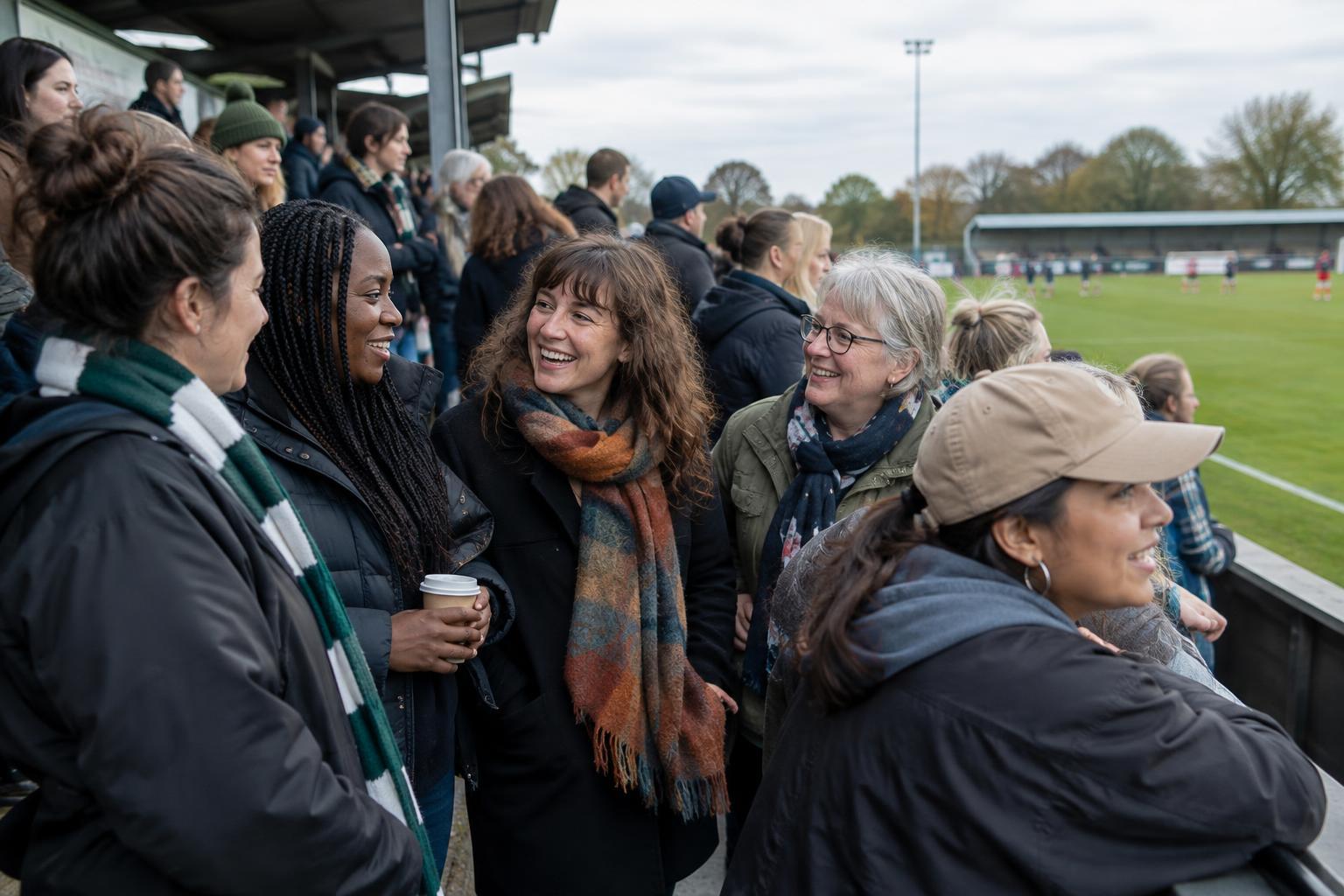
Women supporters build communities in many forms: informal groups of friends, local meetups, independent fan projects and conversations online. Some gather around a particular club; others connect over experiences shared across clubs. The aim is not always to create a separate space. Sometimes it is simply to make an existing one easier to enter, especially for someone who would rather attend a match with company.
Community also extends beyond the stands. People organise travel, share practical information about venues, make zines, host discussions or welcome new supporters at screenings. These activities give fans ways to contribute even when they cannot regularly buy tickets or travel. A group that values different levels of involvement is less likely to confuse visibility at matches with loyalty.
What exclusion can look like
Exclusion is not limited to an openly hostile remark. It can appear when a woman is repeatedly asked to prove that she knows the rules, when her view of a match is dismissed before she has finished speaking, or when people assume she is attending only because of someone else. Such habits make ordinary football conversation feel like a test. A supporter should be able to ask a question, disagree about a substitution or enjoy the atmosphere without having to justify her place there.
These experiences are not identical for everyone. Racism, homophobia, transphobia and other forms of prejudice may add further barriers, while some women encounter little direct hostility in the groups they know. Taking exclusion seriously does not require treating every terrace or fan forum as the same. It means listening when people describe a problem and considering what would make that particular setting more welcoming.
Challenging gatekeeping without setting a new test
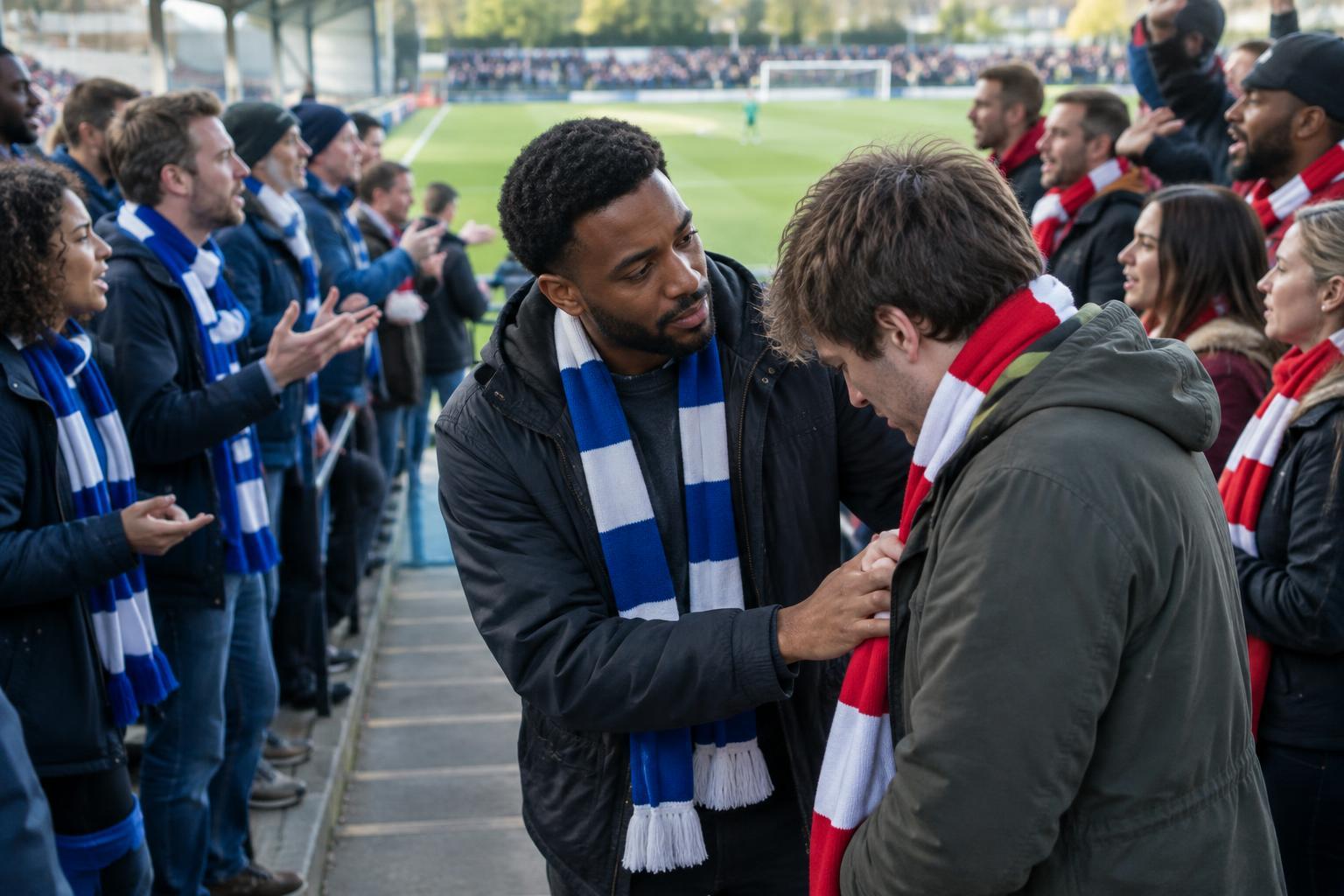
Women supporters challenge exclusion simply by being visible, knowledgeable and involved, but the burden should not rest on them alone. Other fans can interrupt a dismissive joke, credit someone’s contribution to a discussion and avoid treating football knowledge as a competition. Clubs and supporter groups can make participation easier by using clear information about events, considering accessibility and offering ways to raise concerns without turning every complaint into a public argument.
It is also worth resisting a different kind of gatekeeping: the idea that women must be exceptionally informed to deserve respect. Some fans study pressing patterns; others care most about family traditions, songs or the experience of going to a match. Most enjoy several parts of football at once. None of those interests needs defending as the “right” way to support a team.
A stronger culture leaves room for more people
Welcoming more supporters does not mean asking a crowd to abandon its character. Rivalry, debate and emotion are part of football’s appeal. The difference lies in whether those traditions invite people to join in or are used to tell them they do not belong. A lively disagreement about the game can coexist with a basic respect for the person having it.
Women-led friendships and fan groups show how belonging is made rather than granted. They create routes into matchdays, preserve supporter traditions and give people confidence to shape those traditions themselves. When the wider football community pays attention to that work, it gains more voices, more connections and more ways to care about the game.