Before the match: making a plan
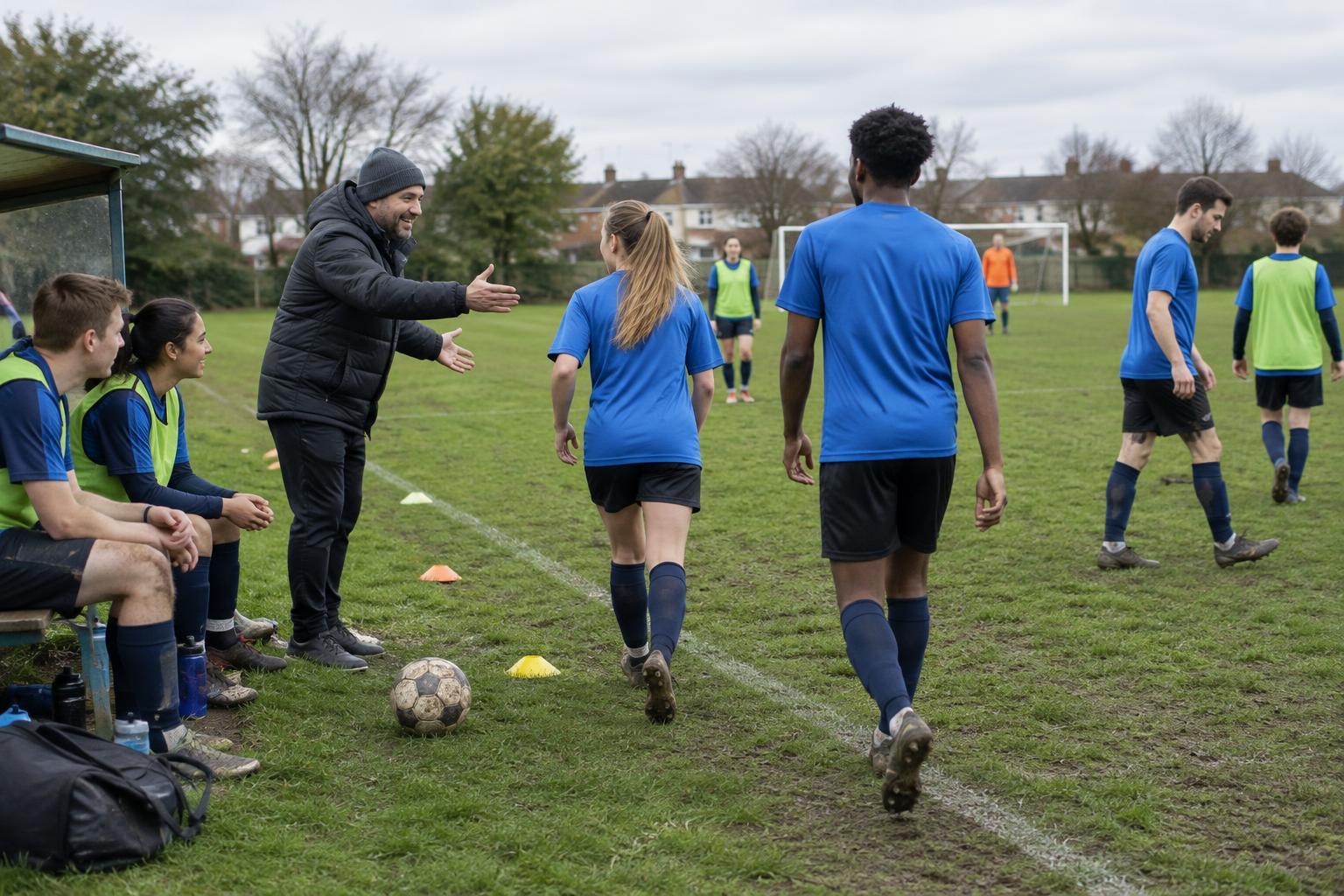
A grassroots match often begins well before anyone arrives at the pitch. A team volunteer may confirm the venue, kick-off time and meeting point with players and families, then check that the opposition and match official have the details they need. Depending on the club, someone may also organise a team list, collect availability or make sure the right kit is ready. Clear messages matter: a small change to an entrance or parking arrangement is much easier to handle when people hear about it in advance.
These tasks are usually shared rather than assigned to one person. A coach may focus on the team, while another volunteer handles communication or equipment. The exact division depends on the club and competition, but the aim is the same: to prevent avoidable confusion from taking time and attention away from the game.
At the ground: turning a space into a match venue
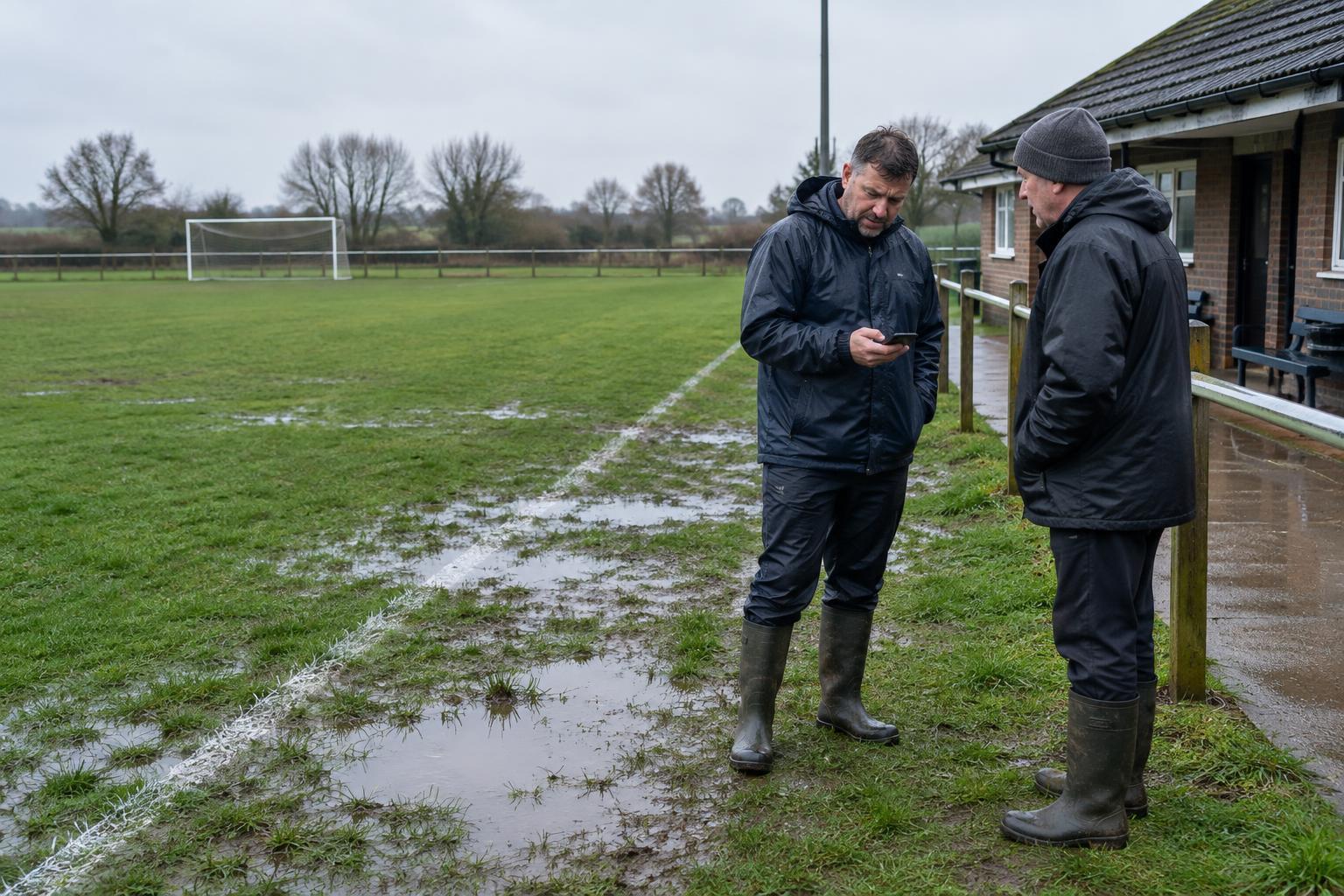
Early arrivals might put out goals where appropriate, check nets, mark or inspect the playing area, and lay out balls, bibs and water. They may also identify where teams should change or gather and where spectators can stand. A quick look around can reveal a loose goal fitting, an obstacle near the touchline or a surface concern that needs to be raised before play. Equipment and pitch checks should follow the club’s arrangements, with any decisions about whether conditions are suitable left to the appropriate people.
Volunteers also provide a welcome. They can point visiting teams towards the pitch, help the referee find the right contact and answer routine questions from families. At a busy community ground, that simple guidance makes a difference: people can settle in without interrupting the coach’s final preparations. For youth teams, clubs may have additional safeguarding and supervision procedures; volunteers should know their own role within those arrangements rather than improvising.
During the game: keeping things moving
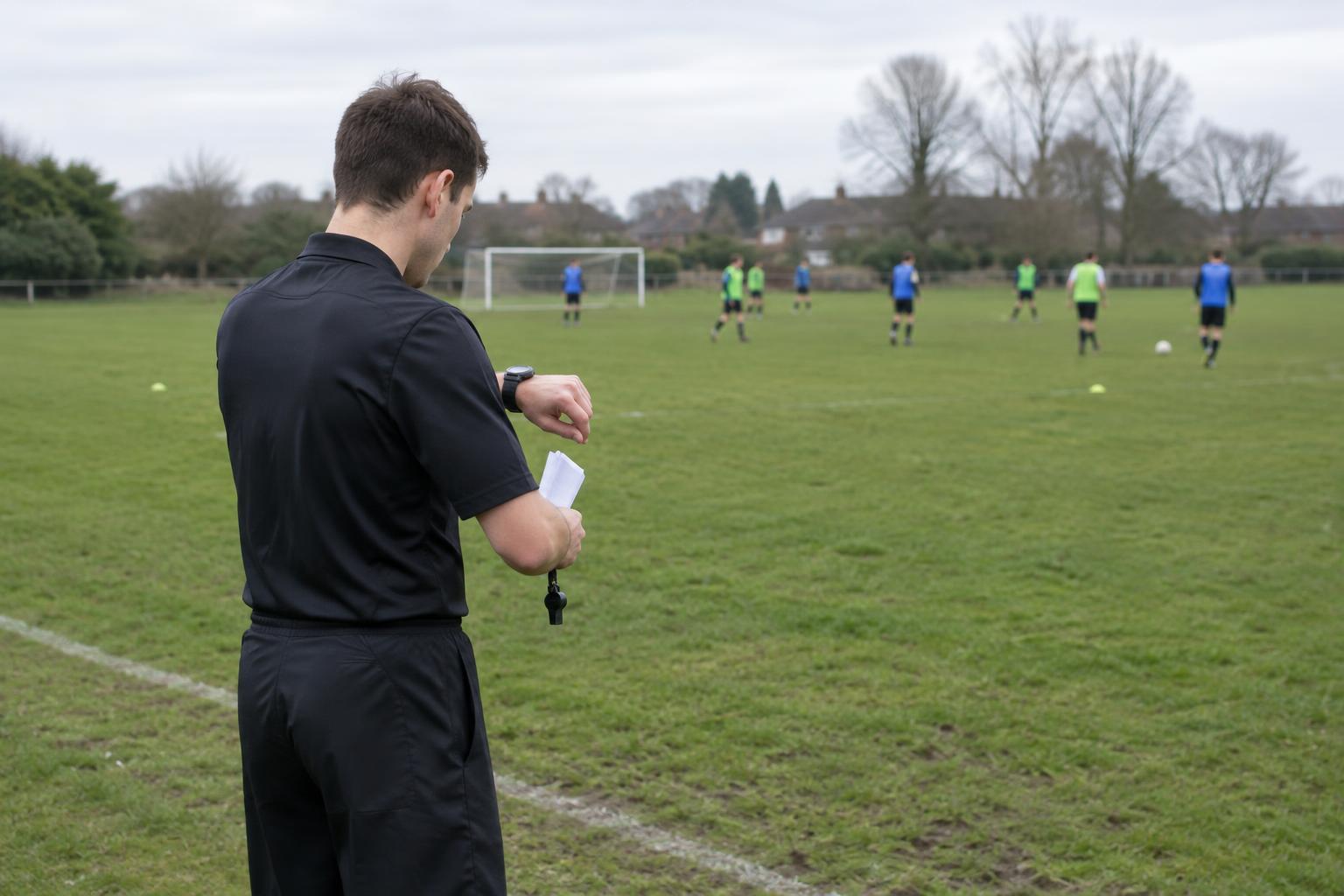
Once the match starts, much of the volunteer work becomes less visible. Someone may retrieve spare balls, keep track of substitutions when asked, help an arriving player find the team or make sure shared equipment stays out of the playing area. A designated person might also record the score or other details required by the competition. These jobs sound small, but they reduce interruptions and let players, coaches and officials concentrate on their responsibilities.
Volunteers can help set the tone on the touchline, too. Welcoming spectators, encouraging respectful support and avoiding arguments with officials all contribute to a better setting for the players. If a concern arises, the useful response is to follow the club’s agreed process and alert the right person. A volunteer does not need to solve every issue alone, and stepping beyond an assigned role can make a difficult moment harder.
After the whistle: leaving the ground ready
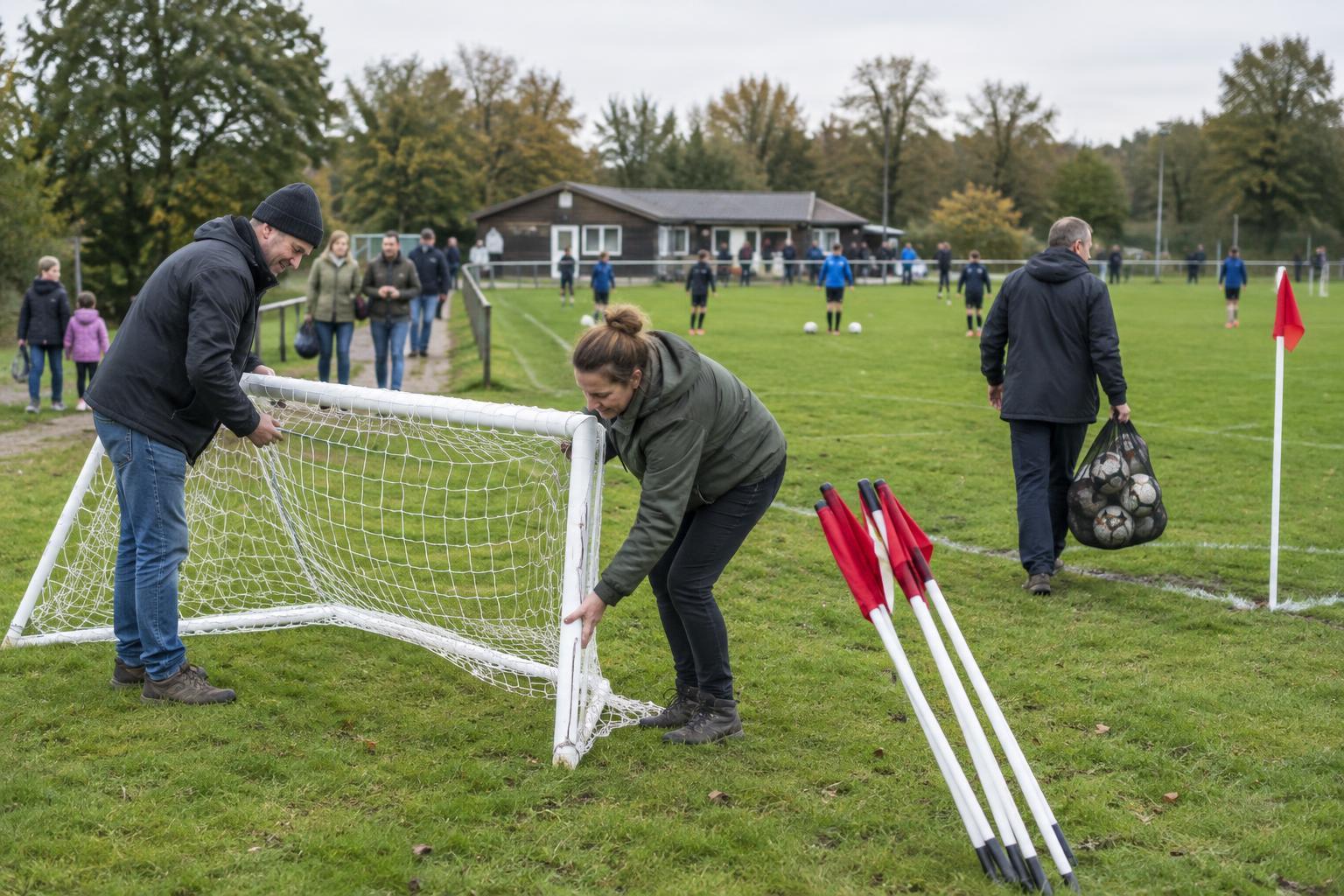
The final whistle does not finish the job. Balls, bibs, corner flags and other equipment need collecting; goals or nets may need securing or putting away according to local arrangements. Volunteers may check the bench and touchline areas for bottles, tape and litter, then make sure shared spaces are left as they were found. If a visiting team has questions about facilities or departure, someone may remain available to help.
There is often administration as well. A coach or designated volunteer may submit the result, confirm match details or pass on information about an equipment problem. Where an incident needs recording, it should go through the club’s established channels rather than becoming touchline gossip. Keeping a short note of what needs replacing or fixing can also spare the next group from discovering a problem just before their match.
Why sharing the work matters
Grassroots clubs rely on people who can give different amounts of time. Not everyone can coach, and not every useful task requires a season-long commitment. One person might manage messages during the week, another arrive early to set up, and a few others stay ten minutes to pack away. Naming those jobs clearly makes it easier for newcomers to offer help and less likely that the same person will do everything.
A simple match-day checklist can make that handover easier: who brings equipment, who welcomes visitors, who handles required records and who checks the area before leaving. It need not be elaborate. Its value is in making essential work visible and giving volunteers a clear point of contact when something changes. The match belongs to the players, but the steady, practical work around it helps give them a place to play.