Start with your local football organisation
The route into refereeing depends on where you live and the kind of football you hope to officiate. A local football association, league or community club can tell you what training is recognised, how new referees receive assignments and whether beginners start with youth, small-sided or adult matches. Ask about any registration, safeguarding or background-check requirements before committing to a game, especially if you hope to work in youth football.
Introductory training should give you a foundation in the laws of the game, but reading alone cannot recreate the pace of a match. Look for opportunities to practise signals, identify fouls and discuss ordinary match situations with an instructor or experienced referee. If a mentor scheme is available, use it. Your aim before the first appointment is not to have an instant answer to every unusual incident; it is to know the basics, recognise when play needs to stop and follow the procedures for the competition you are working in.
Learn the match you have actually been assigned
Grassroots football is not one uniform format. Age groups and competitions may differ in match length, substitutions, pitch size and other local provisions. Once you receive an assignment, check the competition rules rather than assuming they match a game you watched or played elsewhere. Confirm the venue, kick-off time, teams, age group and the contact person for practical questions. If you are unsure about a rule, ask the organiser or your referee contact before match day.
Choose an early assignment that suits your training and confidence. A familiar venue or a match with an available mentor can make it easier to concentrate on officiating rather than logistics. Tell the person allocating matches that you are new; that helps them understand what support you may need. If you are working alongside assistant referees, clarify responsibilities before kick-off. If you are working alone, plan to take positions that give you a useful view without trying to be everywhere at once.
Pack for decisions, weather and small delays
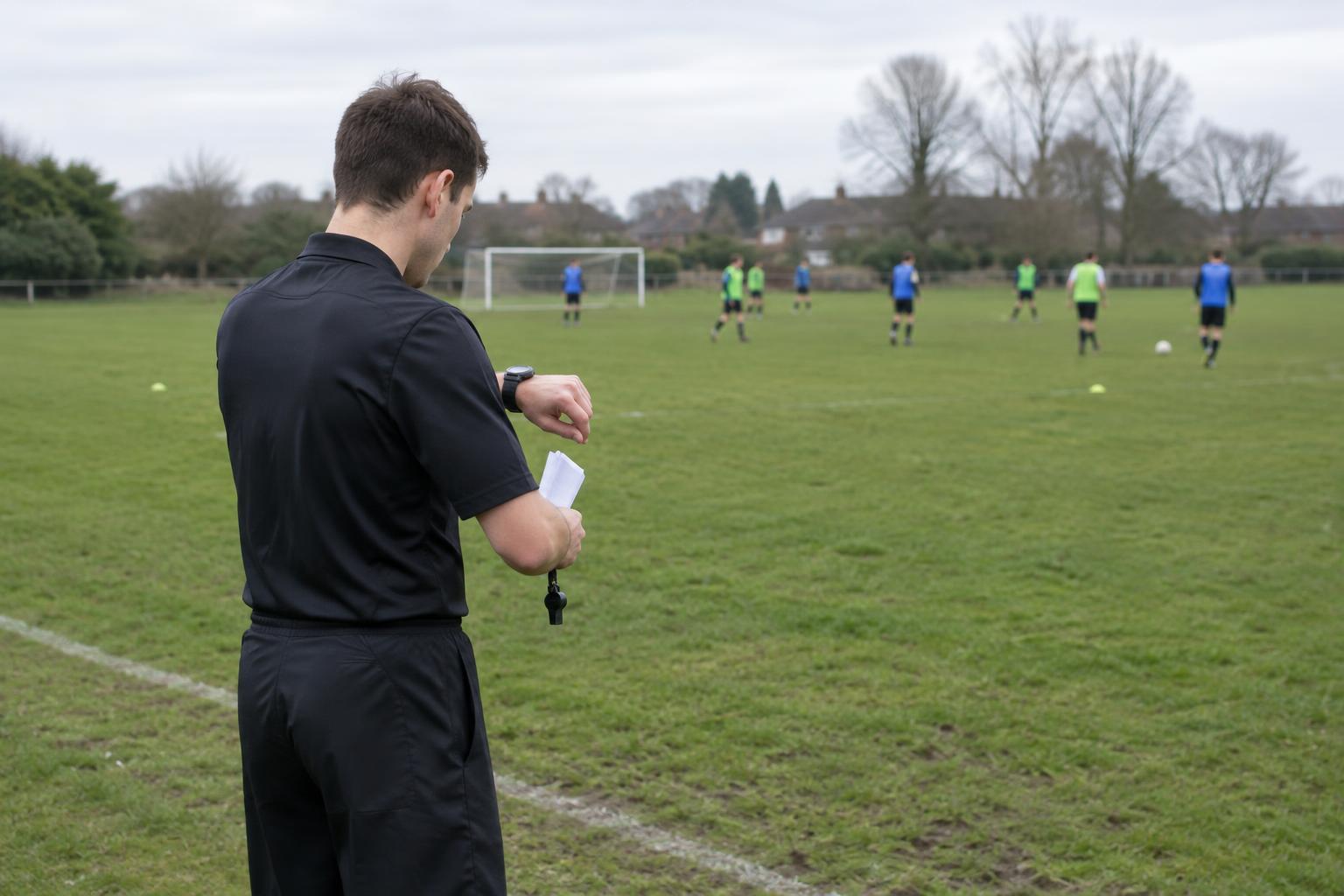
Prepare your kit the day before. Common essentials include a whistle, watch or reliable match timer, notebook or match card, pen, cards where required, and a coin or another approved way to conduct the pre-match choice. Bring suitable boots, a shirt that distinguishes you from the teams, and clothing appropriate for the conditions. Check what your competition provides and what it expects you to carry. A spare pen and whistle are simple backups when something disappears into wet grass.
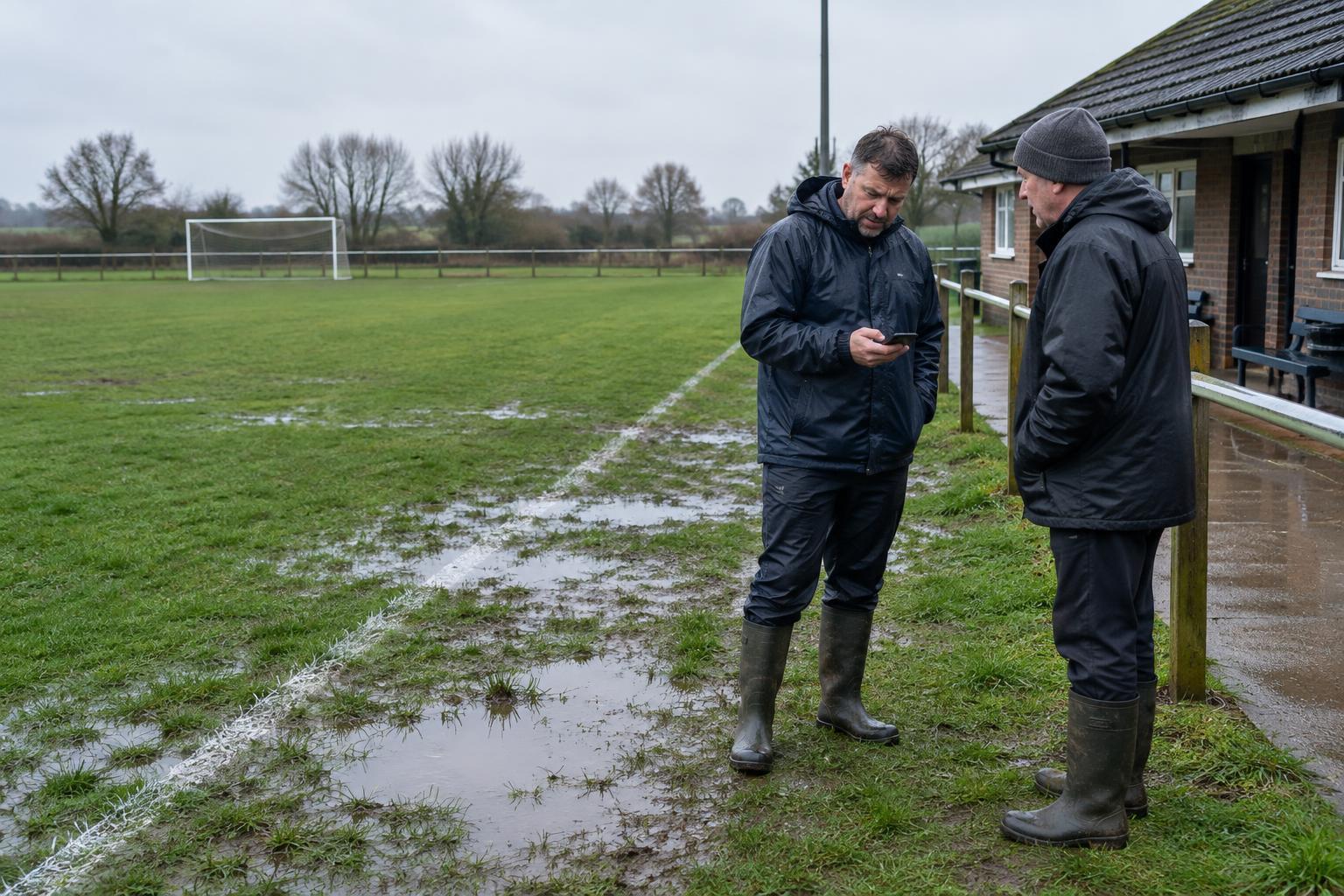
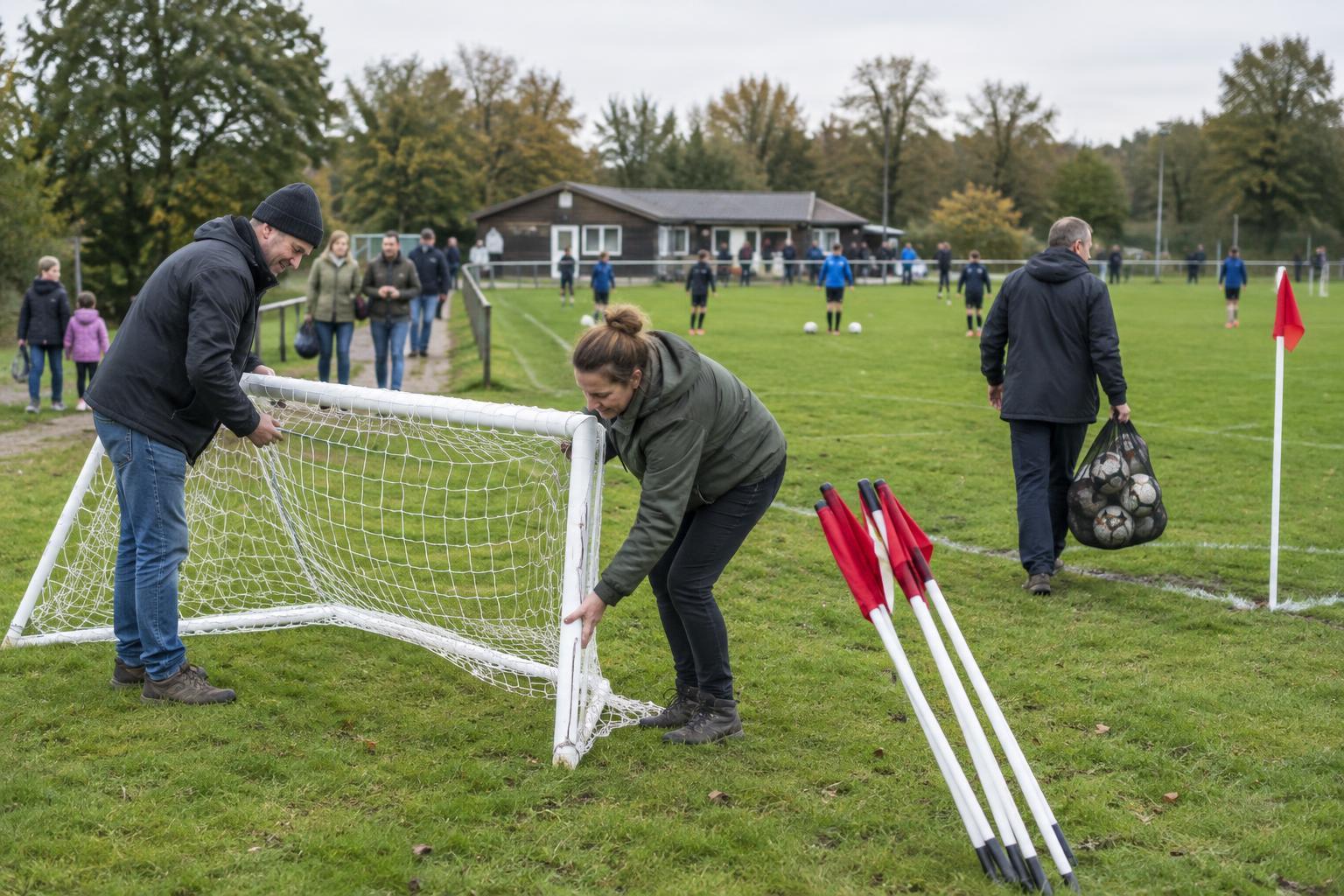
Allow enough travel time to find the pitch, meet the relevant team contacts and inspect the playing area. Look for obvious problems with the goals, markings or surface and raise concerns through the appropriate match procedure rather than improvising a fix you cannot verify. Complete any required team or equipment checks. A calm arrival matters: it leaves time to sort out practical issues before players are waiting for the whistle.
Keep your first match simple and clear
During play, work for an angle that lets you see challenges and the space around them. Keep moving, but do not chase the ball so closely that players block your view. Make decisions from what you can see, signal clearly and use a voice players can hear when an explanation will help. You do not need to give a running commentary. A short, calm statement is usually more useful than a debate that delays the restart.
Expect some decisions to be difficult. Apply the same standard to both teams and avoid trying to balance an earlier call with a later one. If players or coaches disagree, stay composed and use the competition’s procedures for managing behaviour. Do not treat persistent abuse as an ordinary part of learning the role. Know how to report incidents and whom to contact for support, particularly in youth matches where safeguarding procedures also matter.
Finish the job, then build experience
Your work may continue after the final whistle. Check the score and any notes you are required to record, then complete match reports or incident forms according to the league’s instructions. Write down important details while they are fresh, separating what you observed from what someone else told you. If a situation is unclear, seek guidance through the proper referee or competition contact instead of guessing at a reporting requirement.
Afterwards, choose one or two things to improve. Perhaps you were too far from play at a particular restart, or your signals were hard to see. Ask a mentor for specific feedback if one was present. Early matches are a chance to develop routines, not a test of whether you can officiate perfectly. Reliable preparation, fair decisions and a willingness to learn will give you a sound base for the next appointment.