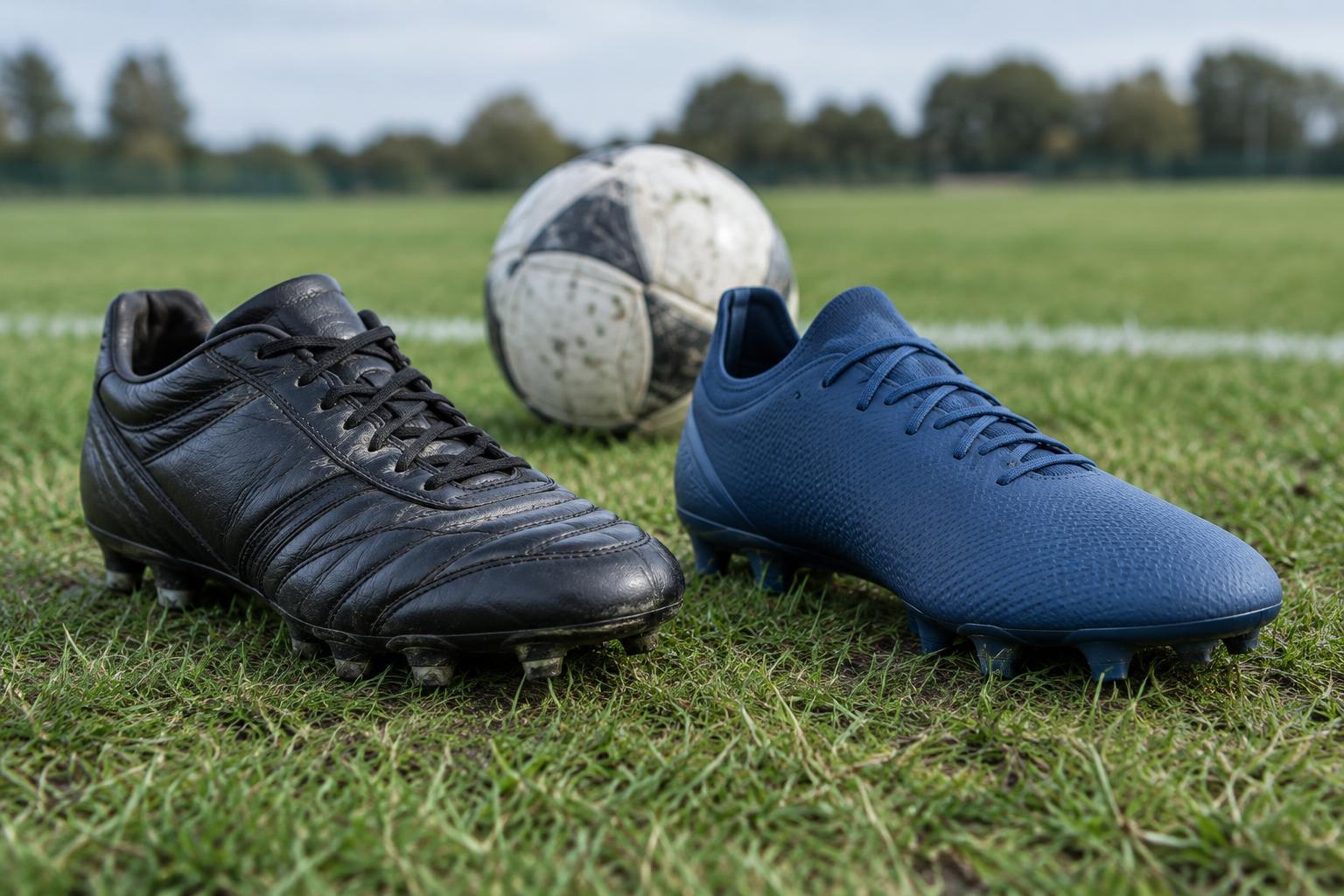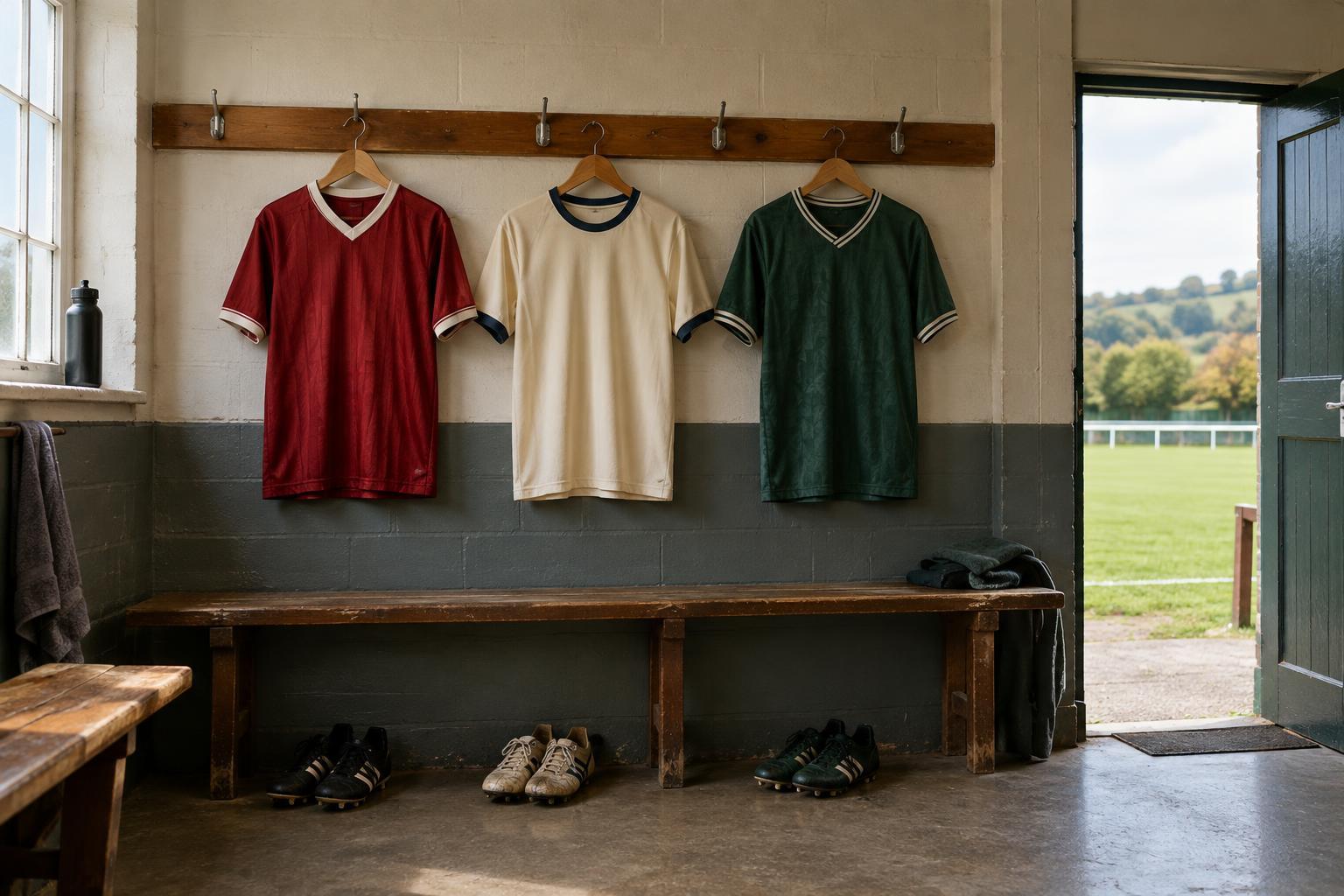
The first job of a kit is to make the game readable
Football moves quickly. Players need to recognise a teammate before passing, officials need to follow challenges, and spectators need to tell the sides apart. Shirts provide the most obvious distinction, but shorts and socks matter too. When two teams wear similar colours, or when one side’s socks are hard to distinguish in a crowded challenge, a change of clothing can make the match easier to follow.
A club’s home, away and third kits are therefore not simply three outfits for three kinds of occasion. They are a set of options. The colours chosen for a match depend on how the two teams’ clothing looks together, as well as the requirements of the competition. Goalkeepers need to be distinguishable from outfield players and officials, so their kit choices are part of the same practical puzzle.
Why the home kit carries the strongest identity
The home kit is usually the clearest expression of a club’s familiar look. Its main colours, stripes, hoops or other recurring features can become shorthand for the team, even as details change. For many supporters, a particular combination of shirt, shorts and socks feels as recognisable as the club badge.
“Home” does not mean that a team is guaranteed to wear that kit at its own ground, or that it can never wear it away. It describes the club’s primary design. If that design provides enough contrast with the opposition’s clothing, it may work wherever the match is played. If it does not, one side will need an alternative. Which side changes is not governed by a single universal rule; competition procedures can differ.
What an away kit solves
An away kit gives a club a planned alternative to its primary colours. Imagine a team whose home shirt is predominantly blue facing another team in a similar shade. A contrasting away shirt can prevent players from blending together at a glance. The change may also need to extend to shorts or socks if those items create a clash.
The name can be misleading. Teams do not necessarily wear their away kit for every away fixture. They may keep their home colours when there is no clash, and an away kit can sometimes be used at home if the available combinations call for it. Match organisers and kit staff consider the full appearance of each side rather than treating the venue as the only deciding factor.
Contrast is about more than naming two different colours. A light shirt and a dark shirt are often easier to separate than two shirts that differ in hue but look similar from a distance. Large panels, stripes and sleeve colours can also affect how a kit reads during play or on a screen.
Why a third kit can be useful
An away kit does not solve every possible clash. A club might have a dark home kit and a light away kit, yet face an opponent whose design makes both combinations awkward. A third kit offers another option, particularly when shirts, shorts and socks must be considered together. It can give the teams and organisers more room to find a clear, workable pairing.
The third kit also gives designers freedom to move beyond the club’s most familiar colours. Some designs draw on elements associated with a club or its local area; others take a more experimental approach. Those choices can appeal to supporters who enjoy football clothing as part of the game’s wider culture. They can also divide opinion when a design feels too far removed from what fans expect their team to wear.
Not every club needs three distinct outfield kits for the same reasons. League requirements, the colours of likely opponents, budgets and commercial priorities can all influence the decision. For a smaller club, a dependable change strip may be more useful than producing another full design.
Practical clothing, shared symbols and personal taste
Kits are functional equipment, but they are also things people remember and wear. Supporters may associate a shirt with their first visit to a ground, a favourite player or a period of following the team. A new home design often faces close scrutiny because it changes something familiar; an away or third design may be judged more freely as an alternative.
That mixture of function and feeling explains why clubs keep multiple kits. The home kit anchors a visual identity. The away kit provides an essential change when that identity would be hard to distinguish from an opponent. The third kit adds flexibility and another space for design. None is defined solely by where a match takes place: the best choice is the one that lets everyone recognise the teams while still looking like it belongs to the club wearing it.