A separate identity on the pitch
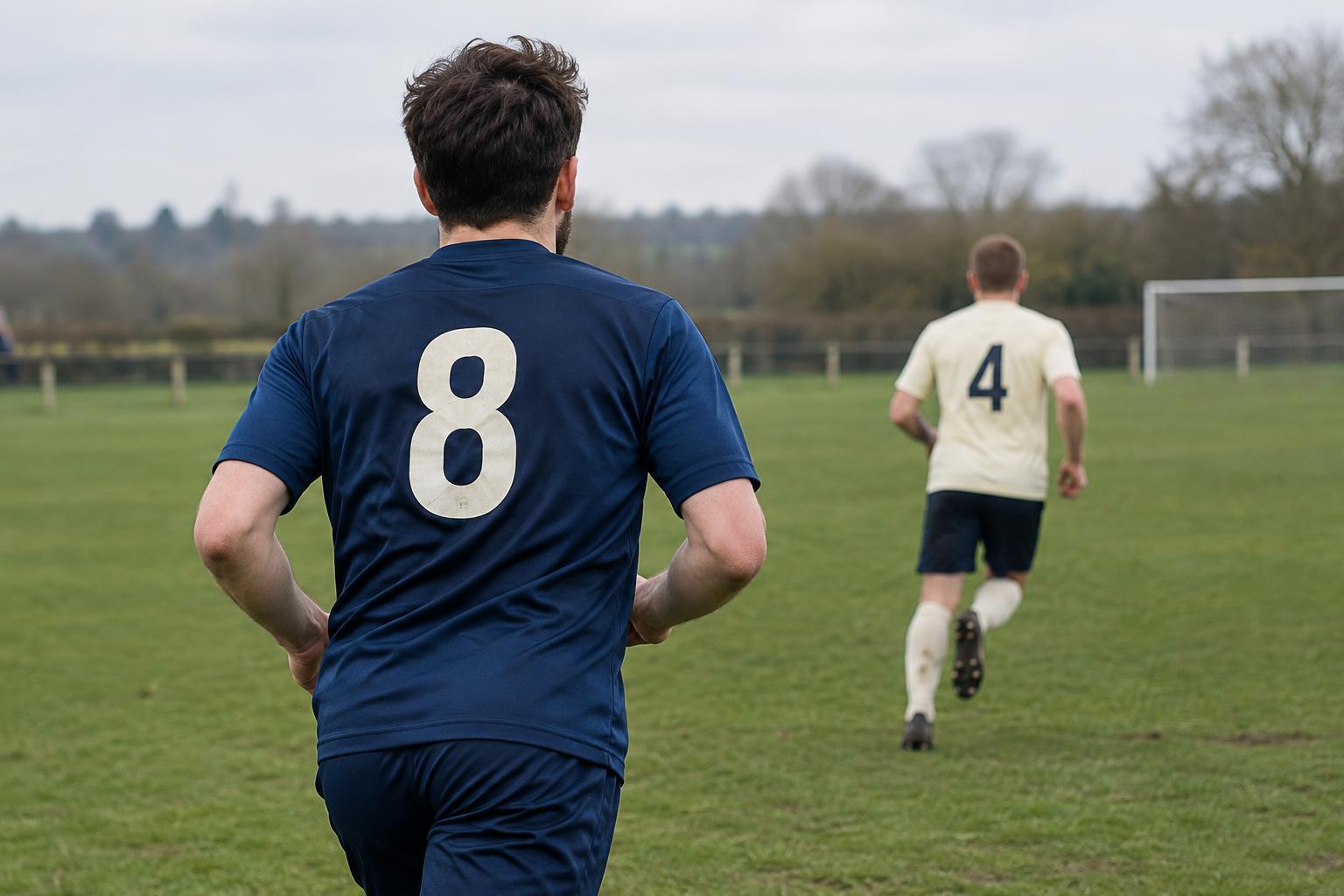
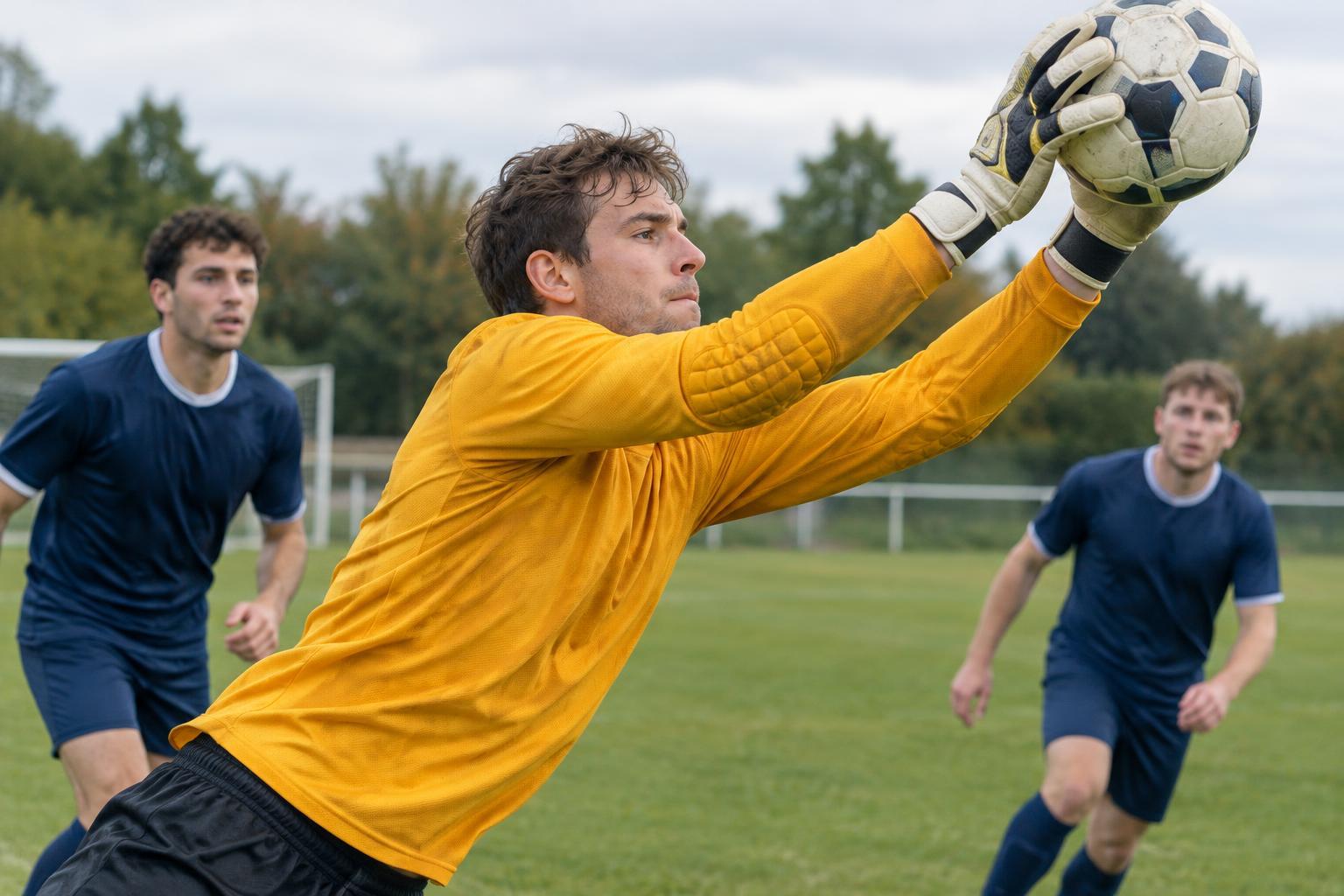
The most obvious difference between a goalkeeper kit and an outfield kit is colour. Outfield players wear a coordinated team strip so teammates and opponents can be identified quickly. The goalkeeper needs to stand apart from the players around them and, under the applicable rules, from match officials. A contrasting shirt makes it easier for players, referees and spectators to recognise who can handle the ball within the permitted area.
That distinction shapes the design process. An outfield shirt usually starts with a club’s established colours and visual identity. A goalkeeper shirt has more freedom to use an alternative palette, although it still has to work alongside the other kits likely to appear in a match. Colour alone is not a guarantee of clarity: two shirts that look different on a hanger can be difficult to tell apart from a distance, especially when their tones or patterns are similar.
Movement calls for a different fit
Outfield kit is designed around running, turning and repeated changes of pace. Goalkeepers do those things too, but they also stretch overhead, drop to the ground and move laterally across the goal. Their clothing needs to allow those actions without pulling tightly across the shoulders or restricting the arms. A goalkeeper may prefer a roomier cut than an outfield player, though modern fits vary widely.
Sleeve length is another visible choice. Long sleeves can provide a little more coverage when a goalkeeper lands or slides, while short sleeves may feel cooler or less restrictive. Neither choice defines the position. The useful test is whether the shirt stays comfortable through reaching, diving and getting back to the feet, rather than how it looks while standing still.
Fabric, contact and protection
Goalkeepers make frequent contact with the playing surface, so abrasion and durability can matter as much as lightness. A close-fitting outfield shirt may prioritise a streamlined feel over extra coverage. Goalkeeper garments may instead include reinforced areas or optional padding at the elbows, hips or knees. These features are not universal: the surface, level of play and player’s preference all influence what feels useful.
Padding also involves a trade-off. It can make repeated landings more comfortable, but added bulk may feel warm or limit movement if it is poorly placed. Fabric still needs to manage sweat and move with the body. For many keepers, a flexible base layer or padded undershorts are alternatives to a heavily padded outer kit. Gloves are the most distinctive piece of goalkeeper equipment, but their grip and fit are separate choices from the shirt’s design.
Patterns with a practical job
Because the goalkeeper does not have to wear the team’s main strip, designers often use the position to explore brighter colours, stronger contrasts or more elaborate patterns. That freedom has produced some of football’s most memorable shirts. Even so, a goalkeeper kit must work as playing clothing before it works as a statement piece. Numbers, badges and any other required details need to remain legible against the design.
Pattern can also affect how clearly a player stands out. A busy print may look distinctive up close yet merge into a single tone from the stands. Designers therefore have to consider the shirt as part of a complete outfit, including shorts and socks, and how that outfit appears against both teams’ colours. Outfield kits face similar questions, but goalkeeper kits solve them from a different starting point: they must belong to the team without blending into it.
Choosing a kit for the way you play
At grassroots level, the most useful goalkeeper kit is not necessarily the most specialised one. Start with a colour that clearly differs from the other players and meets the rules of the competition. Then check the fit by raising both arms, crouching and moving side to side. A shirt that looks right but catches at the shoulders can become distracting during a match.
Think about the surface and conditions before adding protective features. A player who regularly lands on a firm surface may value coverage or padding; another may prefer lighter layers and greater freedom of movement. Outfield and goalkeeper kits share the same basic purpose of keeping a player comfortable and identifiable. Their differences come from the goalkeeper’s unusual combination of visibility, movement and contact with the ground.