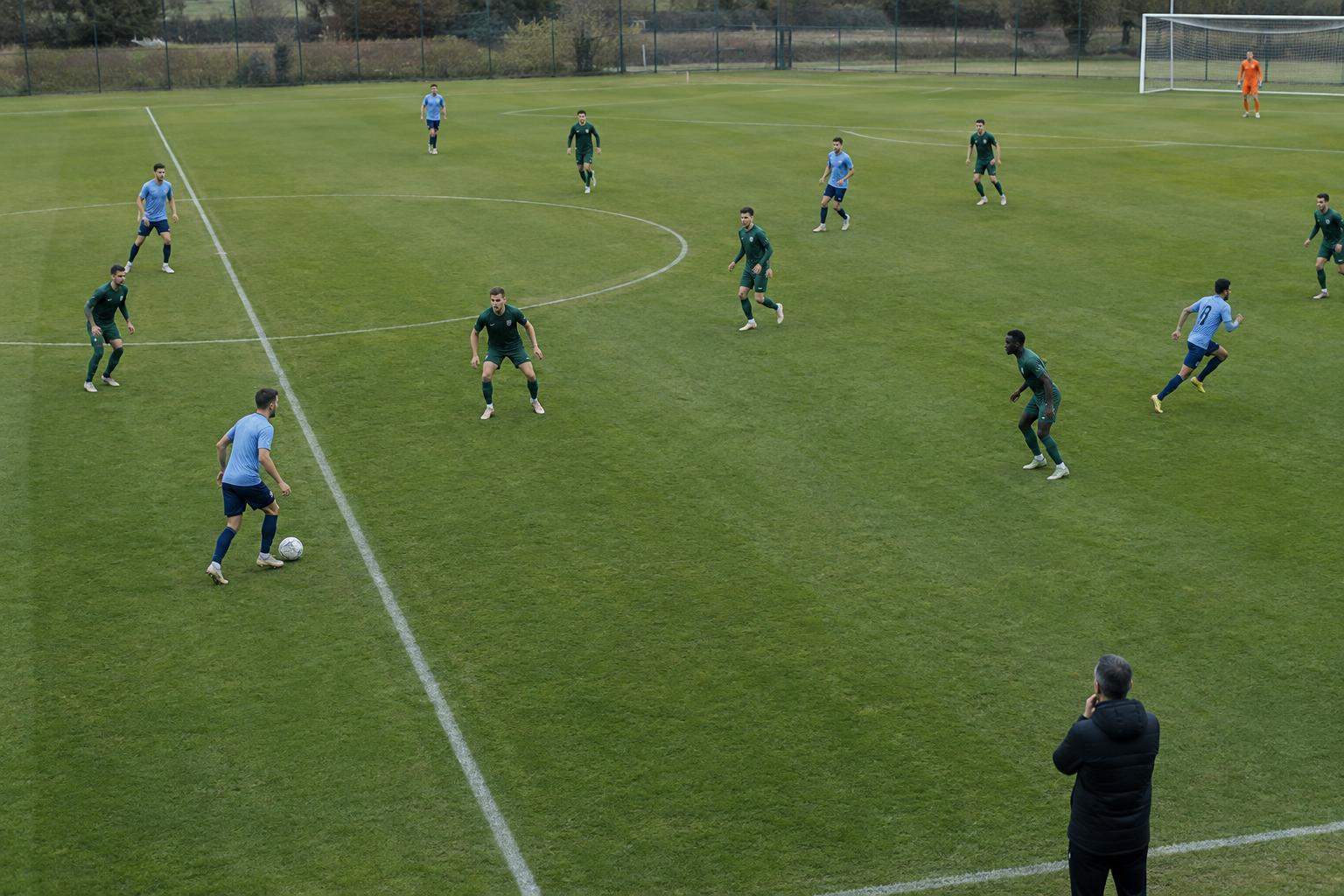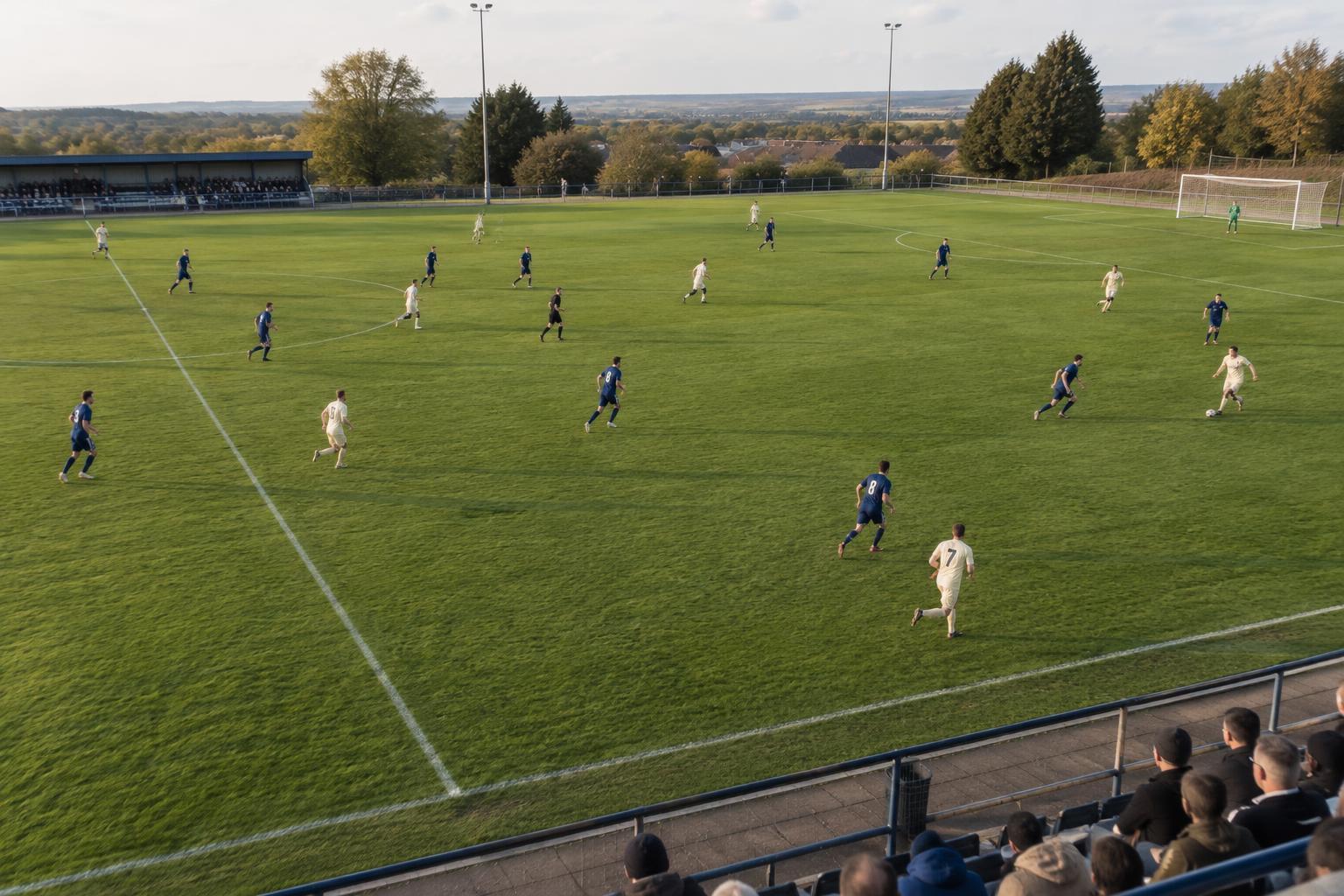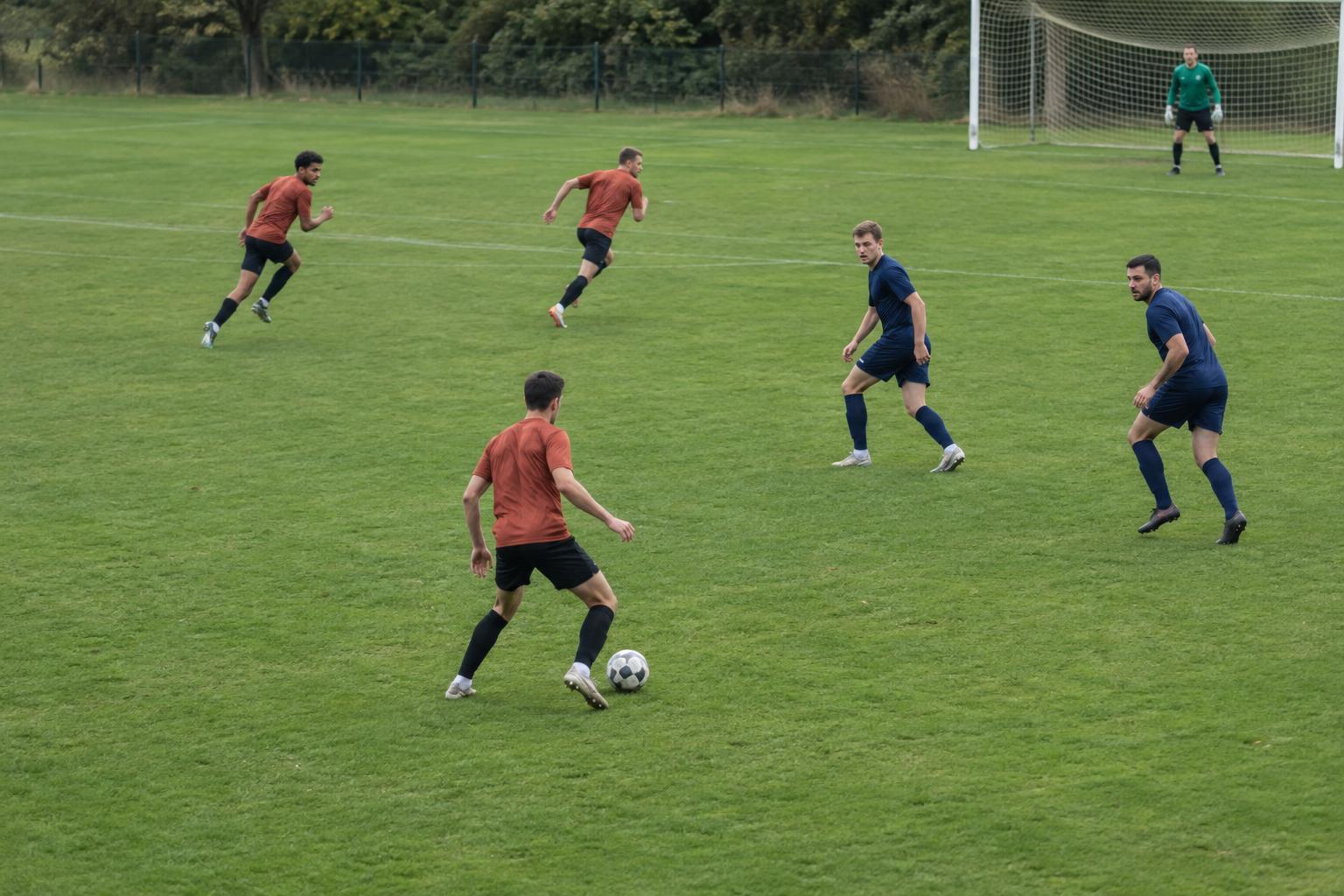
Two ways to lead the attack
A traditional centre-forward is usually the most advanced central attacker. Their positioning gives teammates a target for passes into the box, crosses and balls played behind the defence. They may hold off a defender, contest an aerial ball or make a run across the near post. Even when they move away from goal, they often return quickly to occupy the central finishing spaces.
A false nine begins from a similar position on the team sheet but uses it differently. Rather than staying close to the opposition centre-backs, they regularly drop toward midfield to receive the ball. The word “false” describes the movement, not a lack of attacking intent: the player appears to be a central striker, then vacates that area. A centre-forward can also drop deep, and a false nine can score from close range. The distinction is the role that movement plays in the team’s overall attacking plan.
Why dropping deep can unsettle a defence
When a false nine moves away from the defensive line, an opposing centre-back faces a choice. Following the attacker may leave room behind for a winger or midfielder to run into. Staying in place may allow the false nine to receive and turn between the lines. A defensive midfielder might take responsibility instead, but that can open space for someone else in midfield. None of these outcomes is automatic; a well-organised defence can pass the player on without losing its shape.
The false nine is most useful when the movement has a purpose beyond collecting touches. Receiving with room to face forward can create a chance to slip a pass through to a runner, combine quickly with a nearby teammate or carry the ball toward the defence. Even a short pass back to midfield can draw an opponent out and help the team move the ball into a more promising area.
The runs that make the role work
Dropping deep removes a player from the penalty area, at least temporarily. Teammates must be ready to attack the space the false nine leaves. A wide forward might make a diagonal run between full-back and centre-back; an attacking midfielder might arrive beyond the striker. If those runs are timed to the pass, the defence has to deal with both the player receiving between the lines and the threat behind it.
Consider a simple sequence: the false nine checks toward the ball, receives a pass and draws the attention of a centre-back. At the same moment, a wide attacker runs inside toward the gap. The false nine can turn and pass into the run, or lay the ball off to a midfielder who plays it forward. In the second version, the midfielder is often called the third player in the move: they receive from one teammate and find another who is already on the move.
If nobody runs beyond, the attack may become crowded in front of the defence. The false nine can still help retain possession, but there may be no immediate route to goal. This is why the role describes a relationship between players, not simply a striker’s habit of coming short.
What a team gains and gives up
Compared with a side built around a traditional centre-forward, a team using a false nine may have an extra passing option in midfield. That can help it play through pressure and combine in central areas. It may also make it harder for defenders to decide who should mark whom, especially when wide attackers are willing to move inside.
The trade-off is that the team may have fewer players waiting to meet a cross or hold the ball up near goal. A long clearance toward the centre of the attack can be less effective if the false nine has dropped deep and nobody has taken their place. The approach also asks a great deal of the player in the role: they need to receive under pressure, judge when to turn or release the ball, and know when to sprint back into finishing positions. A conventional centre-forward offers a different kind of reliability by repeatedly occupying defenders and threatening the box.
How to recognise a false nine while watching
Watch the central attacker before their team receives the ball, not just after. Do they repeatedly move away from the centre-backs to offer a passing angle between midfield and defence? When they drop, do wide players or midfielders run beyond them? And does the team use those movements to progress toward goal? These patterns tell you more than a formation graphic, which shows a starting position rather than every decision made during play.
Also watch how the opposition responds. A centre-back stepping into midfield, a defensive midfielder tracking the drop or defenders holding their line can each change what space is available next. If the striker only comes short occasionally, that does not necessarily make them a false nine. The clearest sign is a repeated exchange: the nominal striker leaves the front line, teammates attack it, and the team uses that rotation to create its chances.