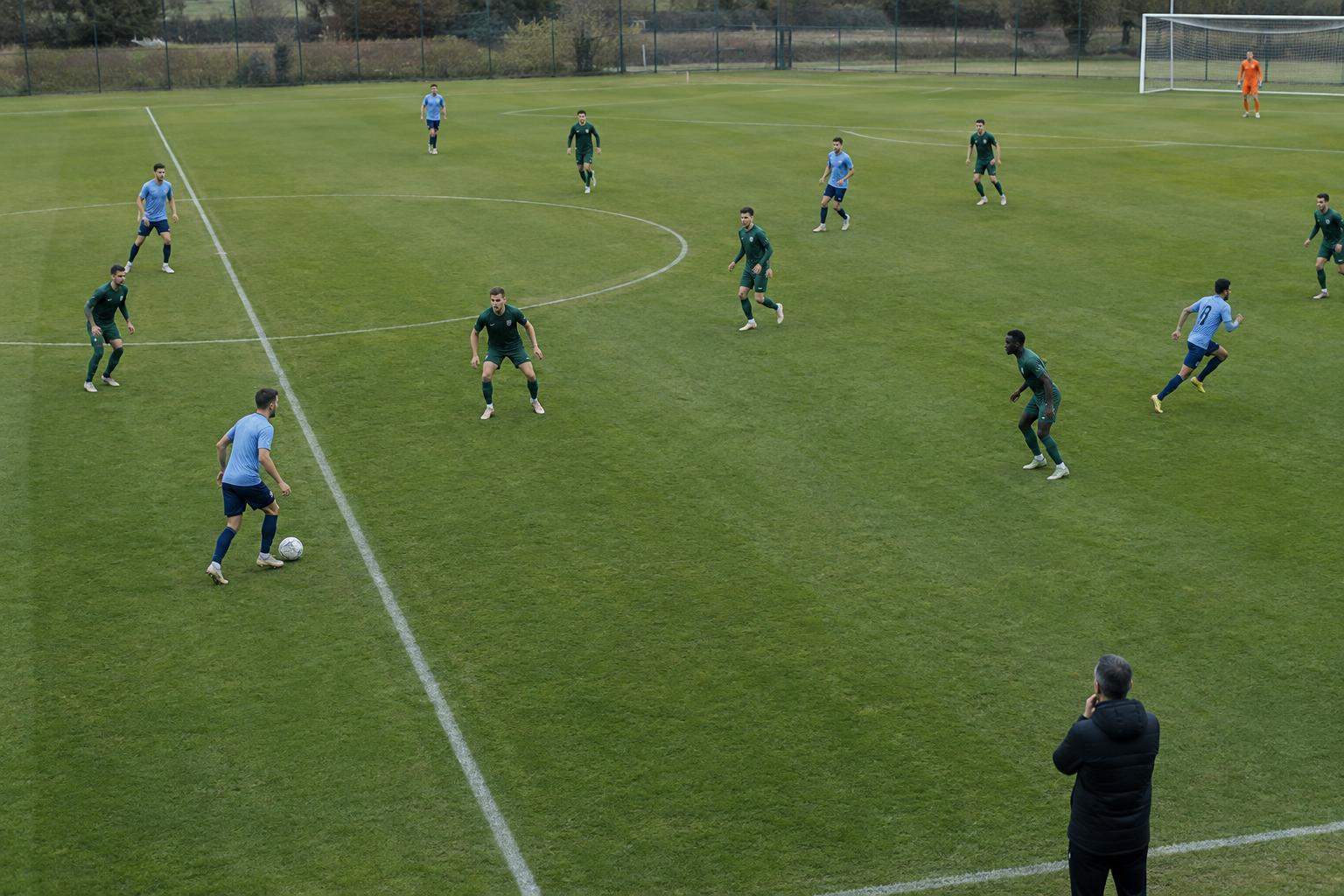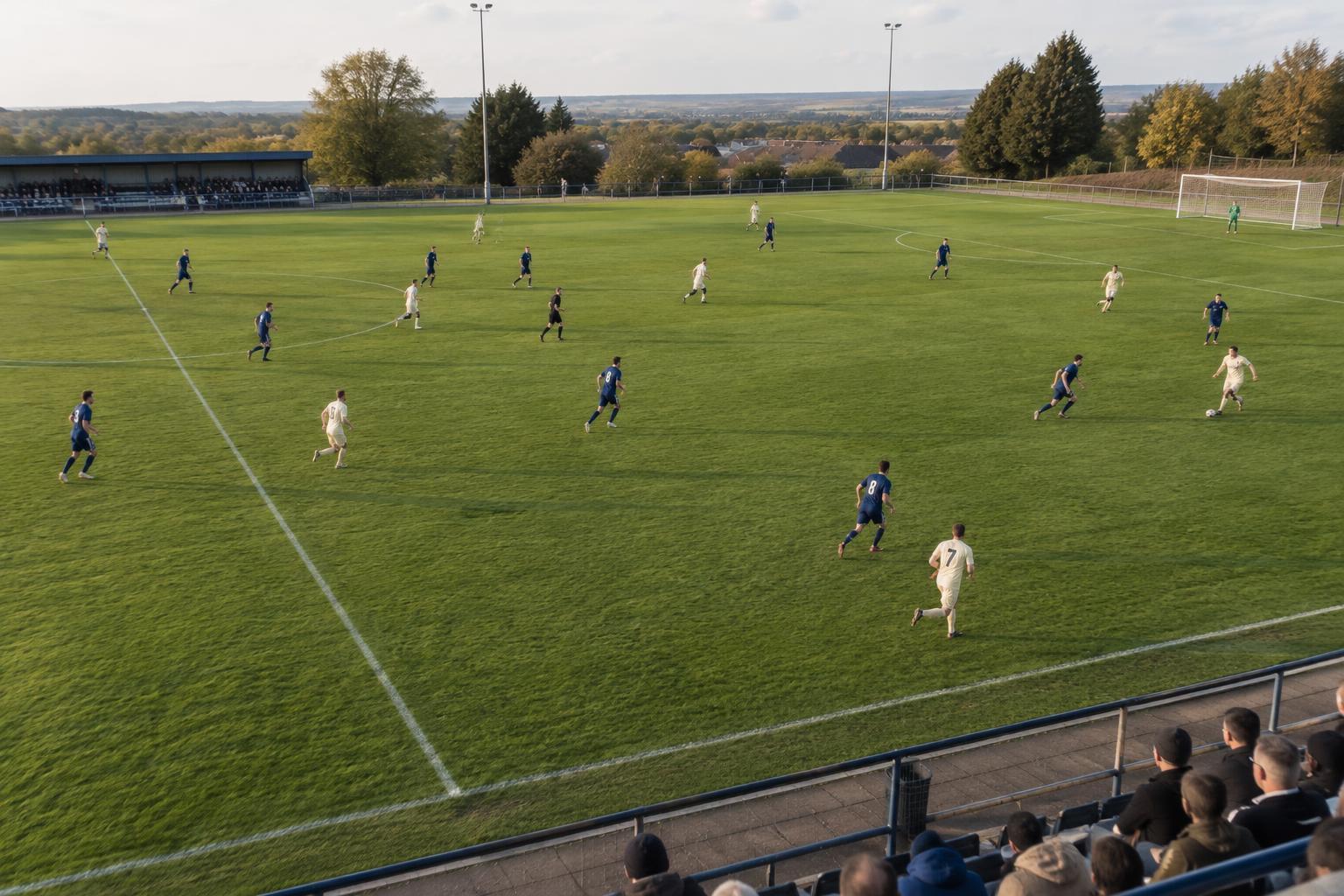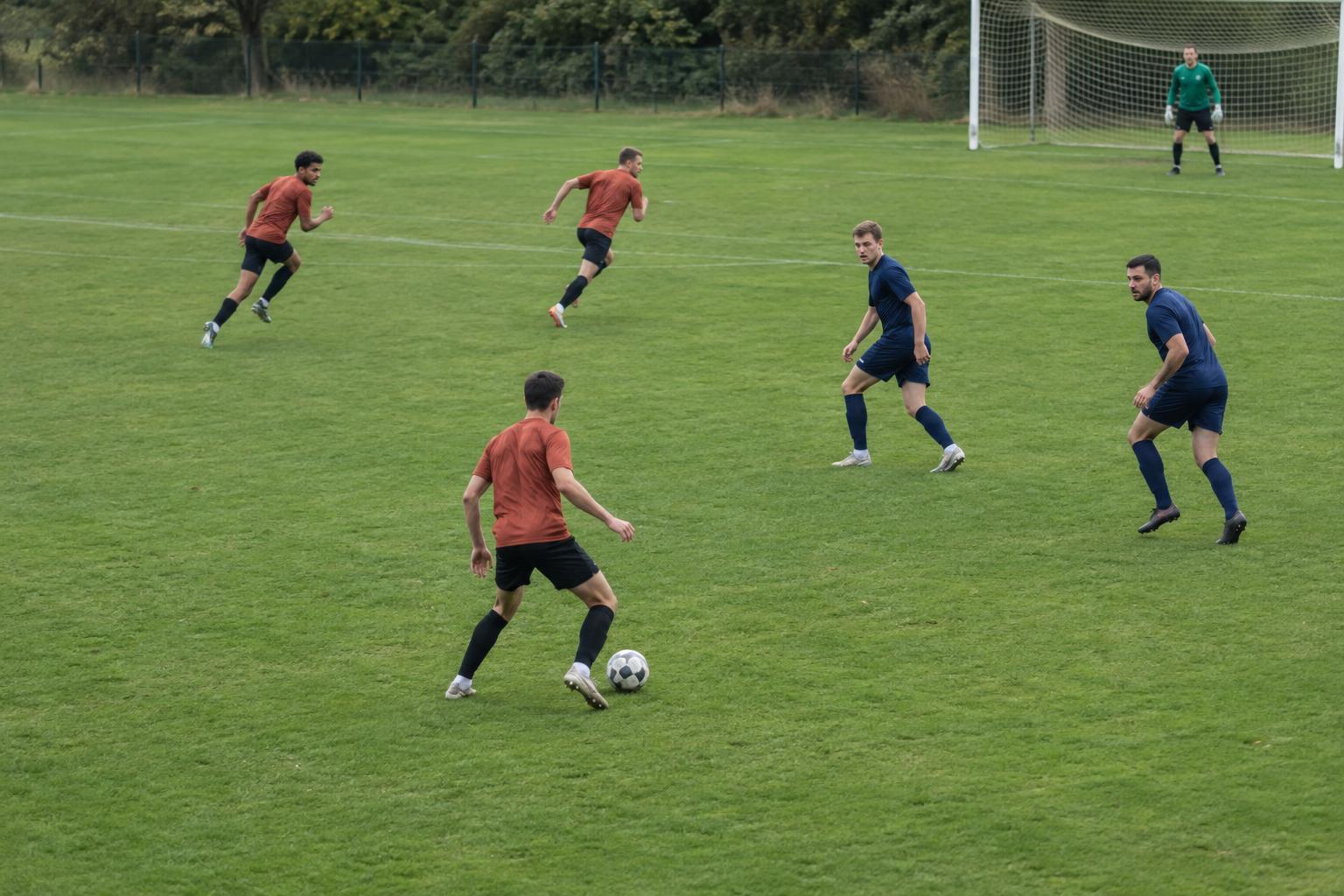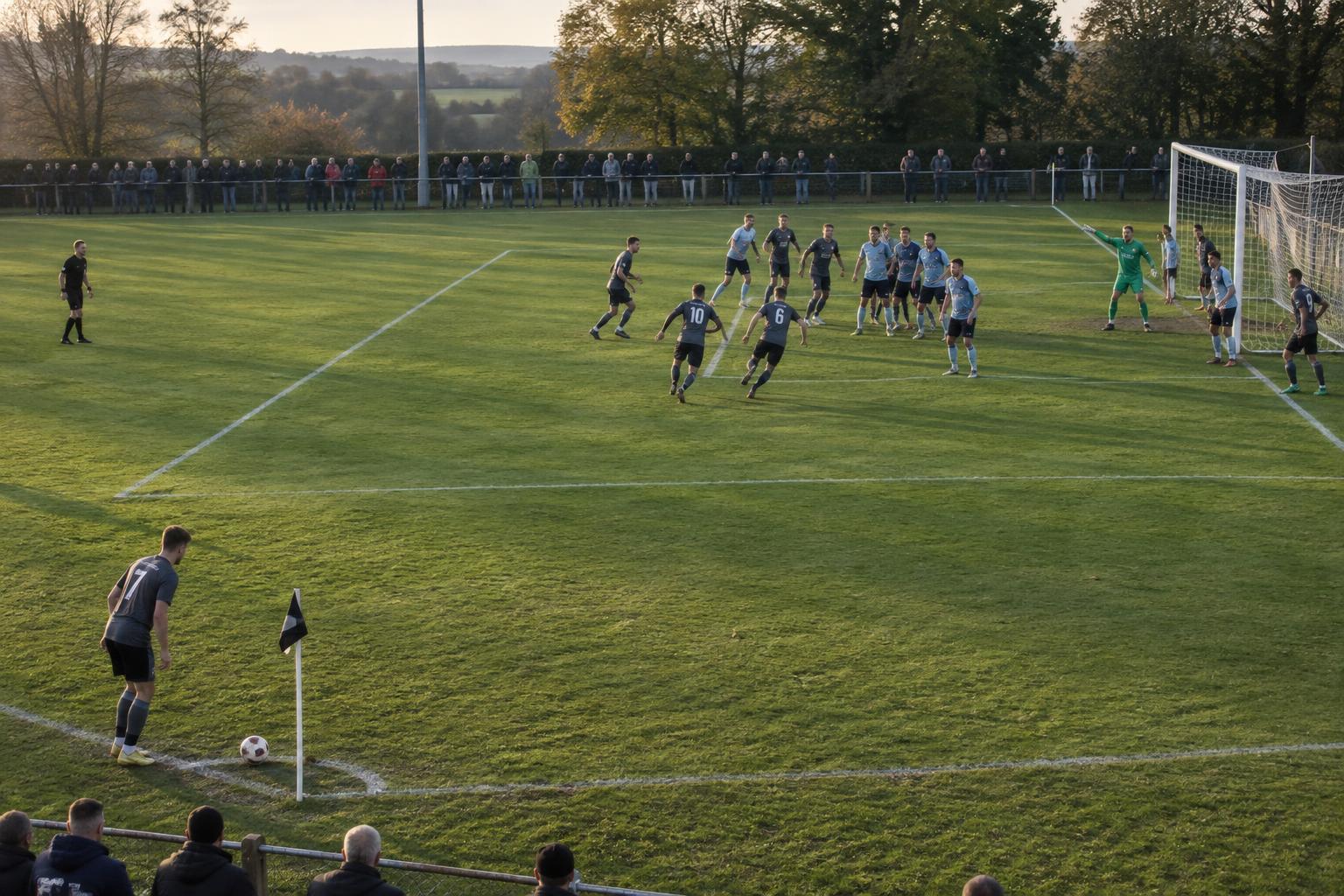
What makes a set piece a routine?
A corner or free kick becomes a recognizable routine when several players coordinate their positions, movements and timing to create a particular chance. The plan might be to free a header at the near post, find a player arriving late at the edge of the area, or draw defenders away from a short passing option. A successful shot is not required: you can often see what a team intended even when the pass is intercepted.
Start watching before the ball is struck. Where are the attackers gathered? Is one player standing away from the group? Who is positioned to take the kick, and is a teammate close enough to receive a short pass? These starting positions are clues, not proof. A team may use the same shape to disguise several options, so the revealing detail is often what happens as the taker begins the run-up.
Read the runs at corners
At a corner, watch the attackers rather than following only the ball. A group may begin together and split in different directions: one player darts toward the near post, another moves toward the far post, and a third holds back for a loose ball. Look for an attacker who changes direction just as the corner is taken. That change may be designed to gain a step on a marker or enter space a teammate has just vacated.
Next, connect those runs to the delivery. A ball driven low toward the near post asks for a different movement from a high cross aimed beyond the far post. A short corner may bring a second attacker into play to change the angle of the cross or draw a defender out of the box. If several players move in a way that opens the same target area, you are probably seeing a coordinated idea rather than unrelated runs.
Pay attention to where defenders are looking, too. Against player-to-player marking, an attacker may try to separate from a specific opponent. Against a defense that guards areas of the box, attackers may try to arrive between those areas at the moment of delivery. You do not need to identify every marking assignment. Ask which attacker gets free, which defender has to make a choice, and what movement caused that choice.
Spot the plan at free kicks
Free kicks offer different clues depending on distance and angle. Close to goal, several players may stand over the ball, leaving the goalkeeper uncertain about who will strike it. One player might run over the ball while another shoots, or a short pass might change the shooting angle. From wider positions, the kick often resembles a corner: attackers time runs into the area while the taker aims for a chosen space.
For a wide free kick, notice the line of attackers before the delivery. Some hold their position and then sprint forward; others begin near defenders and peel away toward the far post. If the ball is played short, look beyond the receiver. The first pass may be a way to shift the defense before a cross, rather than the final action of the routine. The key question is not simply who touches the ball first, but where the team wants its next touch to happen.
Separate a planned move from a reaction
A useful test is timing. In a planned routine, several actions tend to fit together: the taker delays, runners start, a teammate creates space and the ball is delivered into that space. By contrast, a player chasing an overhit cross or reacting to a rebound is usually improvising. The distinction is not always clear. Good teams prepare options, but players still adapt when defenders block the intended route.
Signals can help, but treat them cautiously. A raised arm, a glance toward a teammate or a change in the taker’s approach may be a cue. It might also be a distraction or simply part of a player’s normal preparation. Rather than trying to decode one gesture, compare the gesture with the runs and the delivery. If the same sequence appears on another set piece, your reading becomes more convincing.
A simple way to watch and learn
On the next corner or free kick, choose three things to track: the intended target area, the first coordinated movement and the player who benefits from it. After the kick, ask whether the delivery reached that area and whether a defender disrupted the plan. A routine can be well designed but poorly executed; an ordinary delivery can also produce a chance through a fortunate bounce.
If you can watch a replay, look once at the taker and once at the players away from the ball. This makes it easier to see a late run or a defender being drawn out of position. Over several set pieces, notice what a team repeats and what it changes. That habit turns a brief pause in play into a chance to understand how attackers try to manufacture space.