Start with one question, not every player
Watching football tactically does not mean tracking all 22 players at once. That is difficult even with a clear view of the whole pitch. A better starting point is to choose one question for a few minutes: Where does a team try to move the ball forward? Who provides width? What happens when it loses possession? A question gives your attention a purpose without turning the match into homework.
Try glancing away from the ball during slower passages of play, such as when a goalkeeper has possession or a defender is looking for a pass. Notice where teammates stand before the pass is made. Then follow the ball to see which option the player chose. Repeating this simple cycle helps you connect off-ball positioning with the action you would normally watch.
Look at the spaces between players
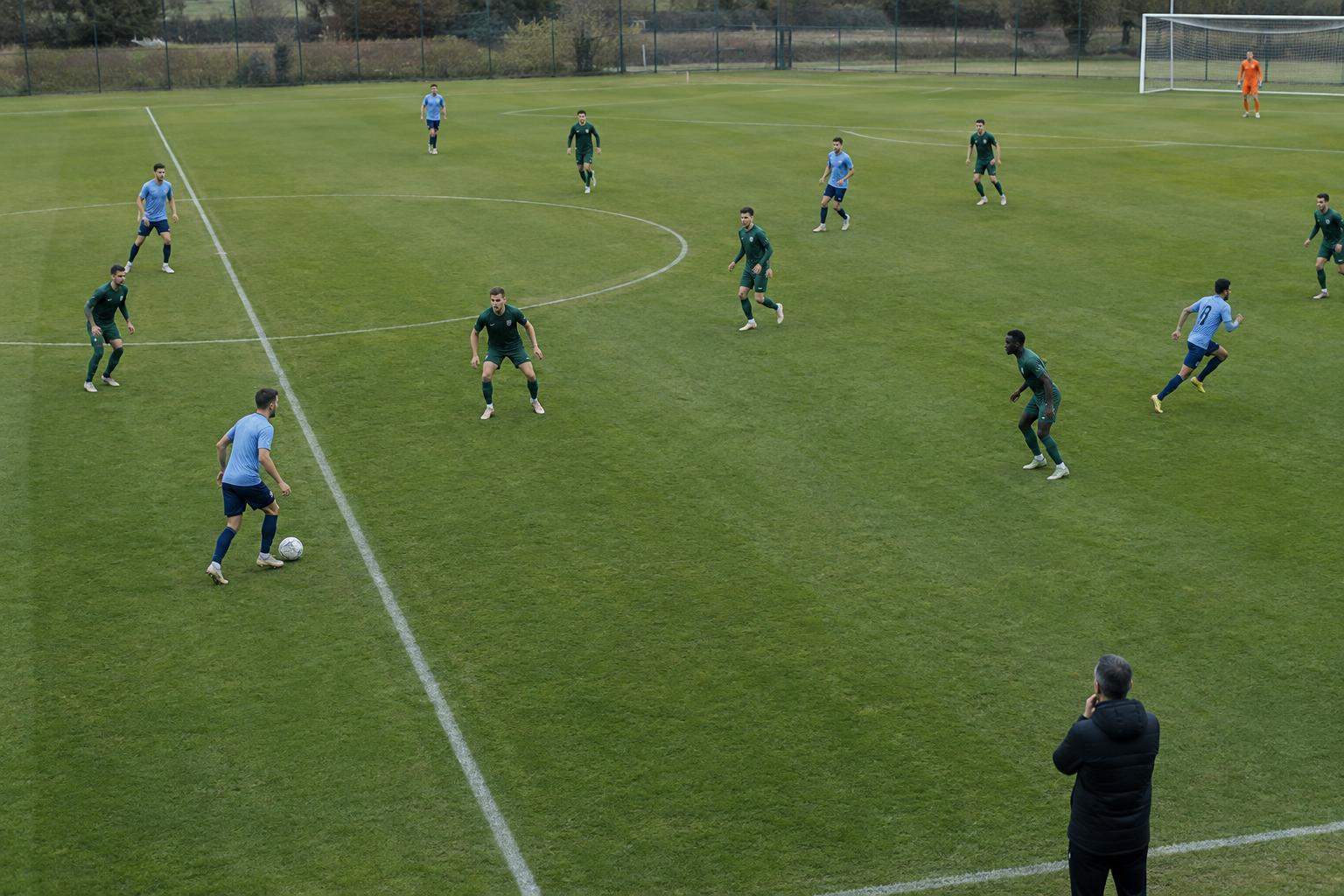
A formation is a useful starting map, but players rarely stay in fixed positions. Rather than trying to label every shape, look at the distances between teammates. Are the defenders close enough to offer short passing options? Are the wide players near the touchlines, or have they moved inside? Is there a player finding room between the opposition’s midfield and defence?
Space also explains why a pass that looks ordinary can matter. A midfielder may pass sideways to draw an opponent across, creating room for the next player to receive facing forward. Watch where defenders move in response to a pass, not just where the ball ends up. If an opponent steps out to challenge one player, someone else may become free behind them. Not every movement creates an opening, but this habit makes the contest for space easier to see.
Watch the team that does not have the ball
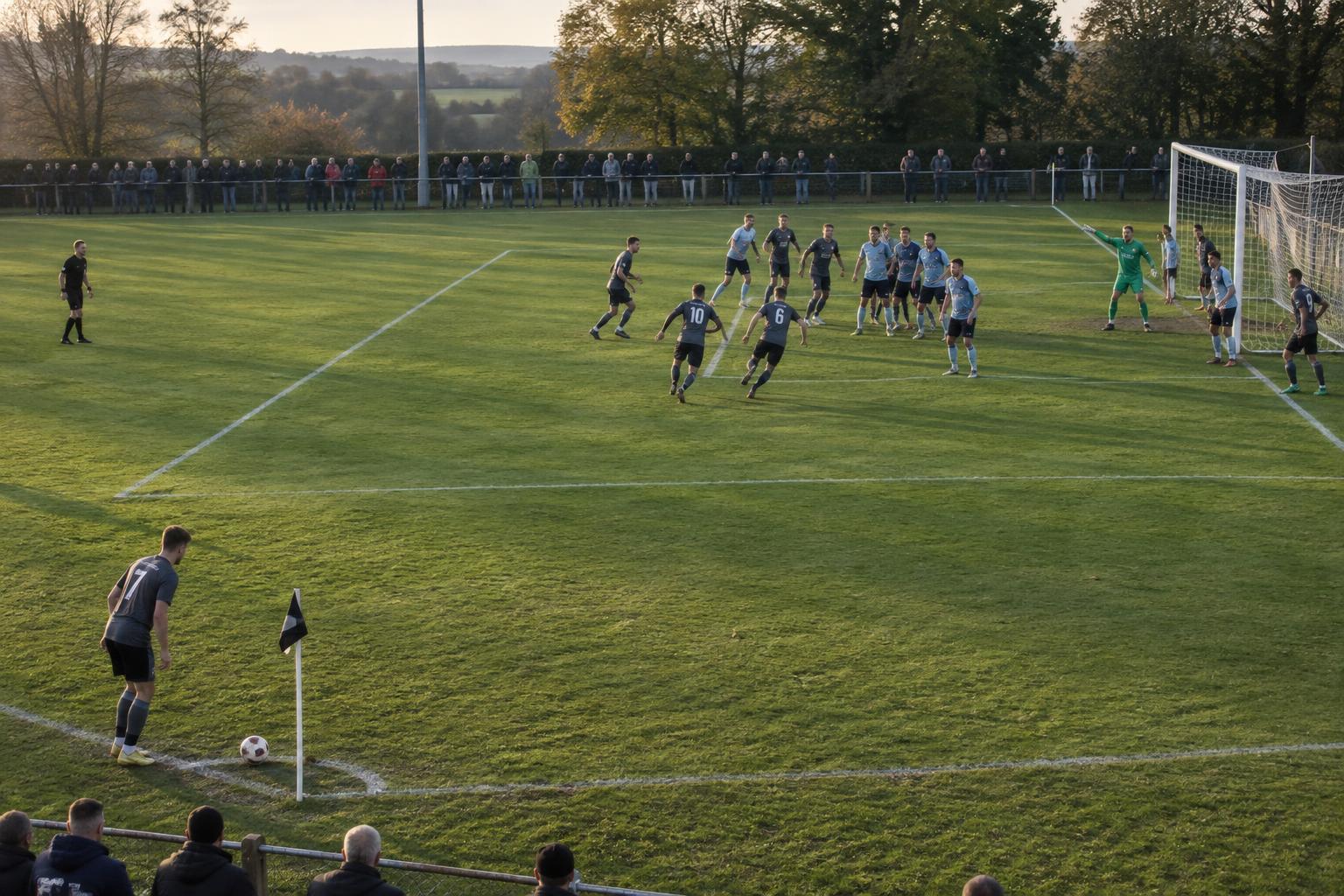
When one side builds an attack, spend a short spell watching the defending team instead. Does it press high up the pitch or retreat into a compact shape? Which passing routes does it appear to leave open, and which does it try to block? The nearest defender may not be trying to win the ball immediately; moving toward the ball carrier can also encourage a pass into an area where teammates are ready to challenge.
Look for the moment that prompts several defenders to act together. A backward pass, an awkward first touch or a pass toward the touchline may be followed by a coordinated press. You do not need to know whether that reaction was planned to describe what you see. Ask whether players move as a unit and whether gaps appear when one of them steps forward. Those gaps help explain both successful presses and the attacks that escape them.
Pay attention when possession changes
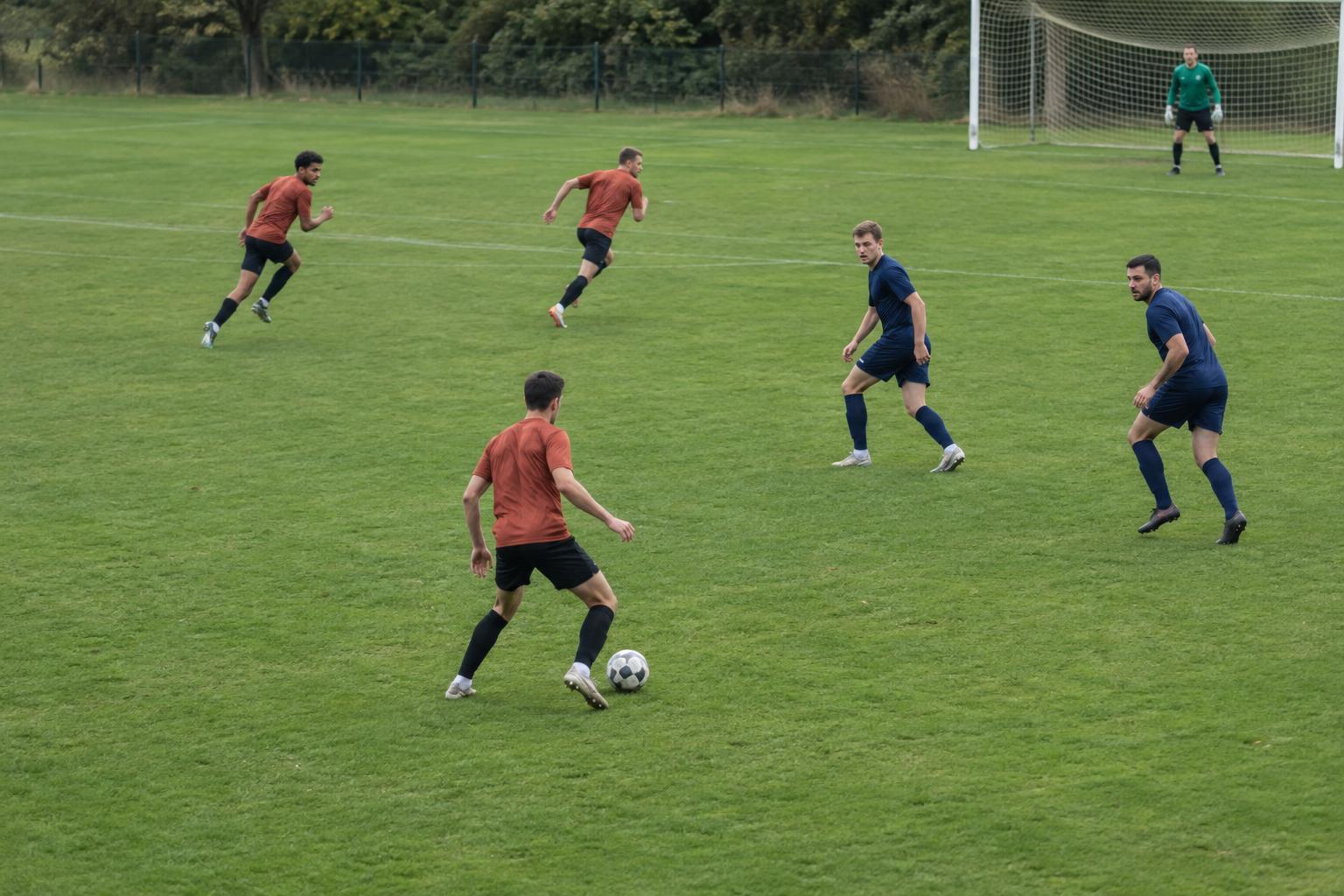
Some of the clearest tactical clues appear in the seconds after a team wins or loses the ball. When possession changes, notice the first choice. Does the new attacking side play forward quickly, or take a safer pass to settle into possession? Do nearby opponents try to regain the ball at once, or run back to protect space behind them?
To make this manageable, pick one player whose response you will follow through several turnovers. A full-back, for example, may be high up the pitch during an attack. If the ball is lost, watch whether they can recover and who covers the space they left. On the next turnover, compare what happens. A single sequence can be misleading; repeated situations give you a better sense of a team’s habits.
Build a viewing routine you can enjoy
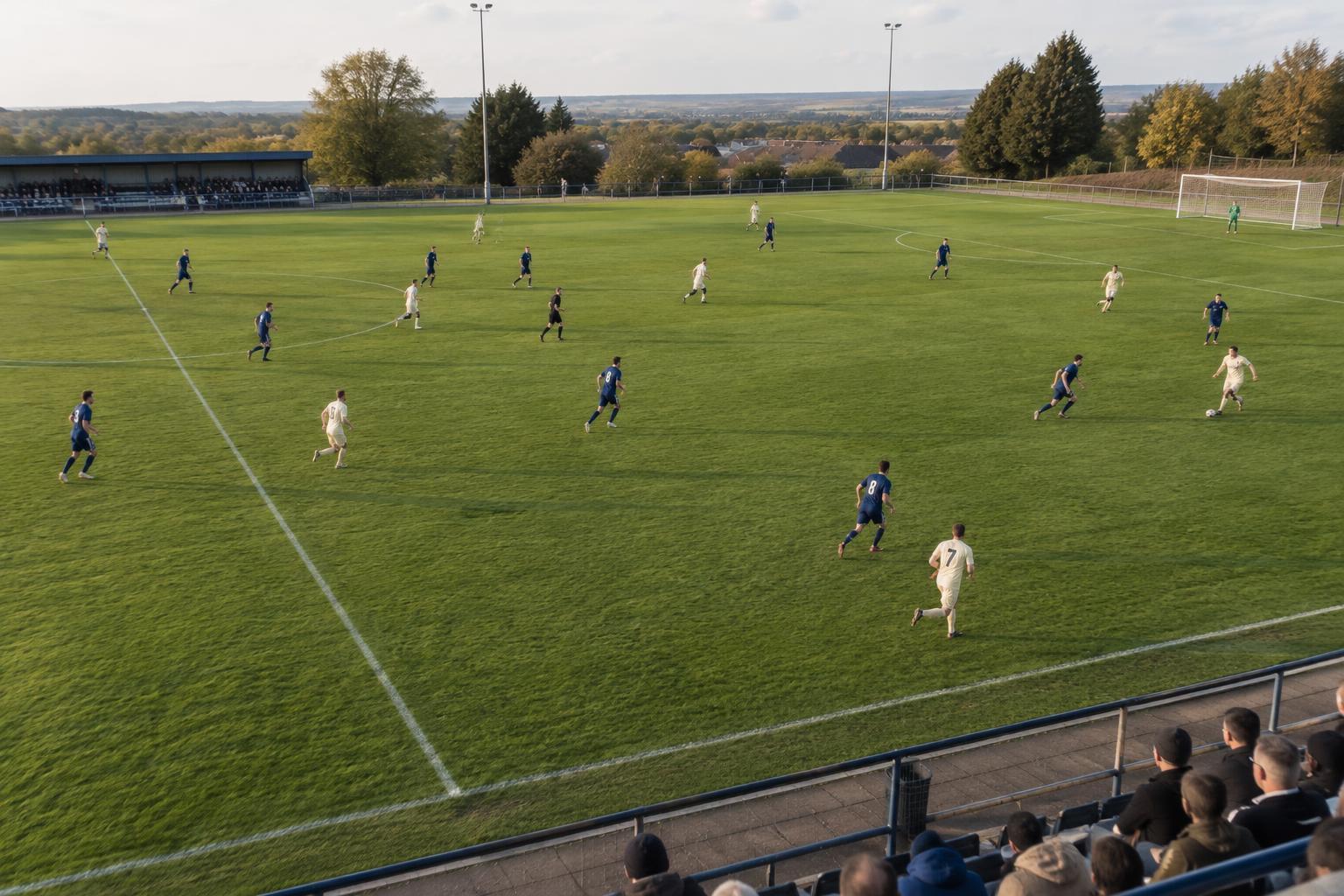
You can combine these observations without trying to make them all at once. Spend a few minutes watching one team’s shape in possession, then a few minutes watching the other side defend. During breaks in play, briefly ask yourself what each team seems to be seeking: space out wide, a pass through the middle, a quick recovery of the ball or a slower build-up. Treat your answers as provisional. The next passage of play may change them.
Your view matters, too. A camera angle may hide movement away from the ball, while a seat close to the pitch can make it harder to judge distances across the full field. Work with what you can see rather than filling gaps with guesses. Keep following the ball when the moment demands it, then look outward again. Tactical watching is not a replacement for the excitement of a chance or a goal; it is another way to understand how that moment became possible.