Why a change of possession matters
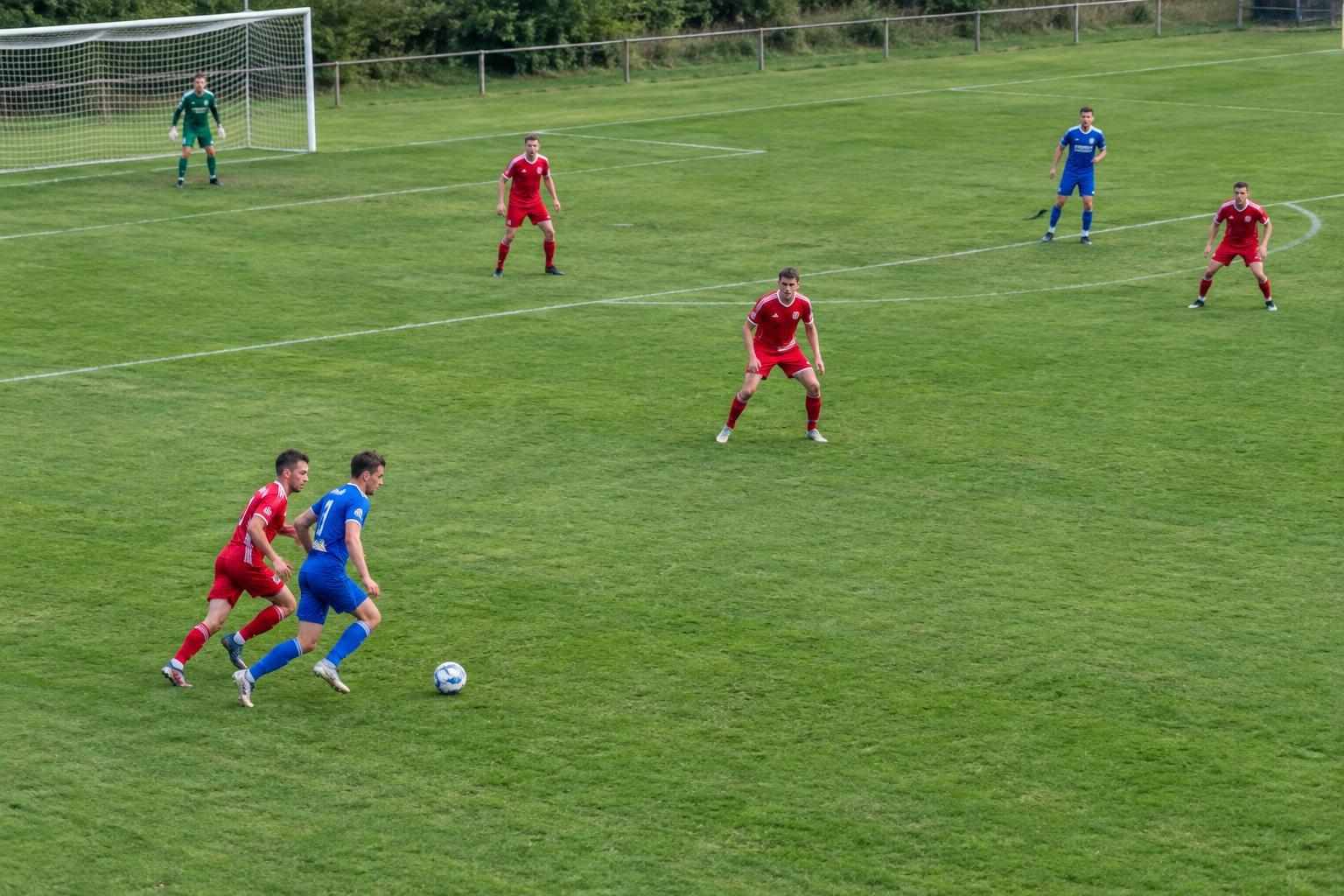
A transition is the period in which a team adjusts after possession changes. The team that wins the ball moves from defending to attacking; the team that loses it moves from attacking to defending. Neither side can always switch instantly into its preferred shape. A full-back may still be high up the pitch, a forward may be facing away from goal, and midfielders may be spread out to support the previous phase of play.
That temporary disorder creates both opportunity and risk. An opponent caught moving forward might leave space behind its defence. Equally, a player who has just won the ball may have limited passing options and pressure arriving from several directions. The key question in either transition is not simply whether a team should play quickly. It is what the players can see, how much space is available, and whether teammates are positioned to help.
Attacking transition: the first decision after winning the ball
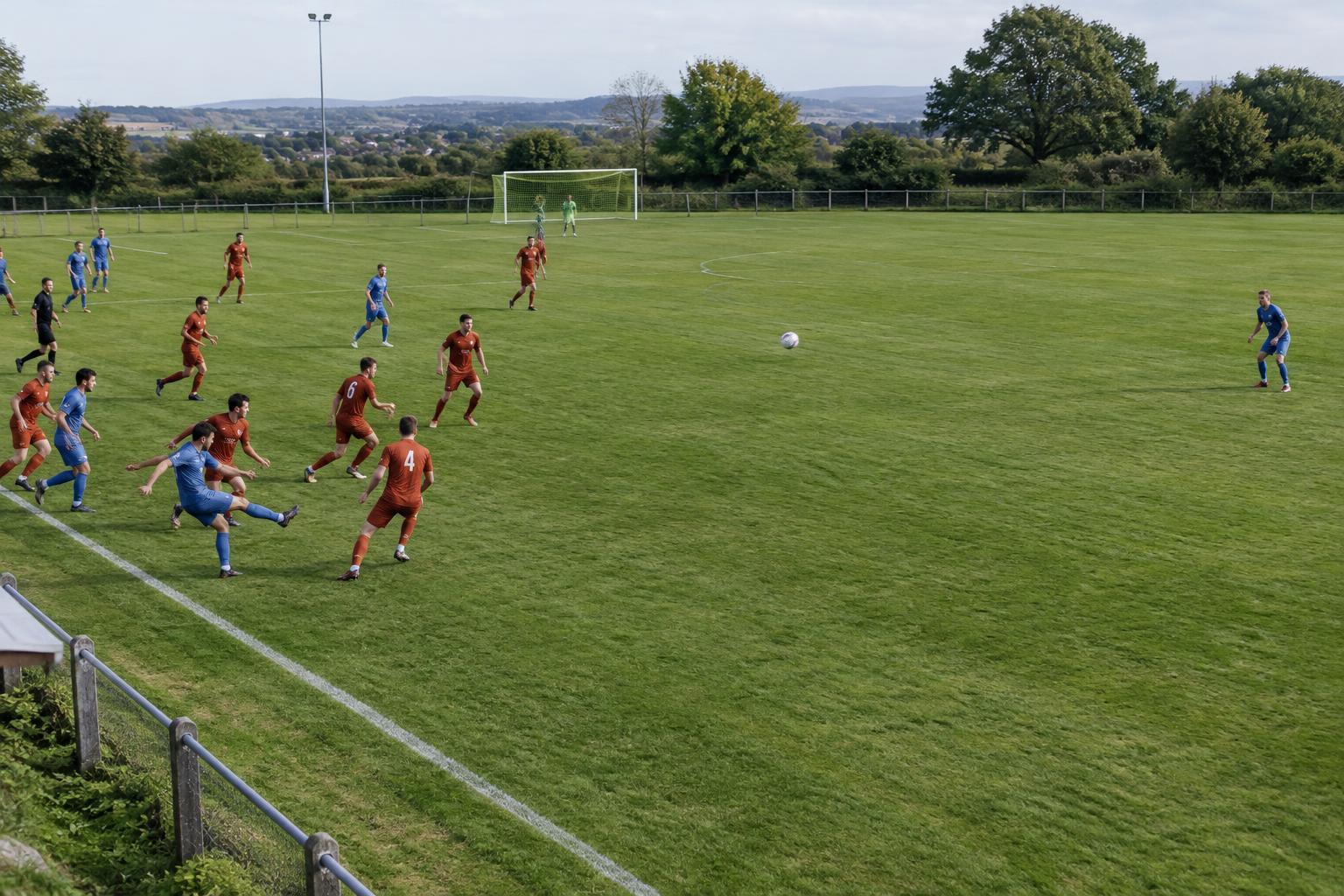
When a team regains possession, the ball carrier usually has two broad choices: attack the unsettled opponent or secure the ball and build a more controlled attack. A quick counterattack might begin with a forward pass into space, a carry through midfield, or a switch toward a less crowded side. Teammates can help by running ahead of the ball, offering a shorter pass, and stretching defenders so the ball carrier has more than one option.
Speed is useful when it serves a purpose. A rushed pass into a marked striker can end the attack immediately, while one safe pass may draw pressure and open a clearer route forward. The position of the turnover also matters. Winning the ball near the opponent’s goal may present a direct shooting chance; winning it close to your own penalty area may call for an escape pass before anyone can accelerate. Teams often look for the best available opening rather than treating every regain as a command to sprint.
Defensive transition: respond to the loss
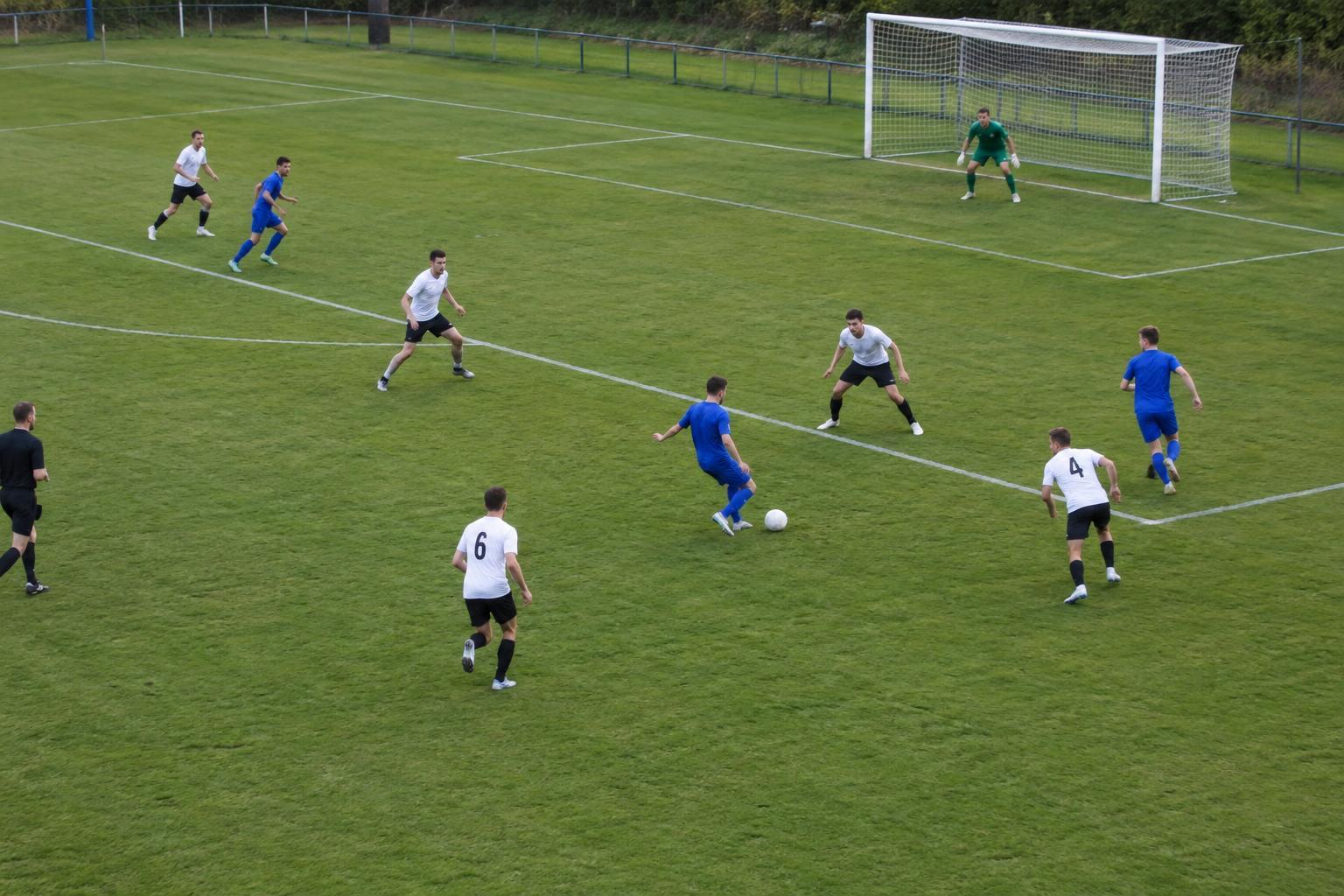
For the side that has lost possession, the first task is to make the opponent’s next action difficult. Nearby players might press the ball carrier, block a forward passing lane or delay an advancing runner. If several players can act together and the ball is in a favourable area, this immediate pressure is often called counter-pressing. Its aim may be to win the ball back, but forcing a backward pass or buying time for teammates can also count as a useful response.
Pressing immediately is not always the safest option. If opponents can play beyond the pressure, defenders may need to retreat, protect the central route to goal and track runners into space. Communication helps players decide who engages the ball and who provides cover. A team that sends everyone toward the ball can leave an easy pass behind them; a team that drops without slowing the ball carrier may allow an unchallenged run. Good defensive transition balances pressure with protection.
The work done before the turnover
Transitions may look spontaneous, but preparation often begins while a team still has the ball. Defenders and midfielders who hold positions behind or alongside an attack can be ready to challenge if a pass is intercepted. This positioning is sometimes called rest defence: the structure a team keeps to guard against a counterattack while it attacks. It does not require every player to stay back. It means considering which spaces would become dangerous if possession were lost.
The defending team can prepare for its own attacking transition, too. A forward might stay in a position to receive an outlet pass, while another player watches for space on the far side. These choices involve trade-offs. Leaving a player high may offer a counterattacking route but reduce the numbers available to defend. Keeping everyone deep may make regaining the ball easier yet leave the new ball carrier isolated. A team’s approach depends on its players, its shape and the situation on the pitch.
How to spot transitions while watching a match
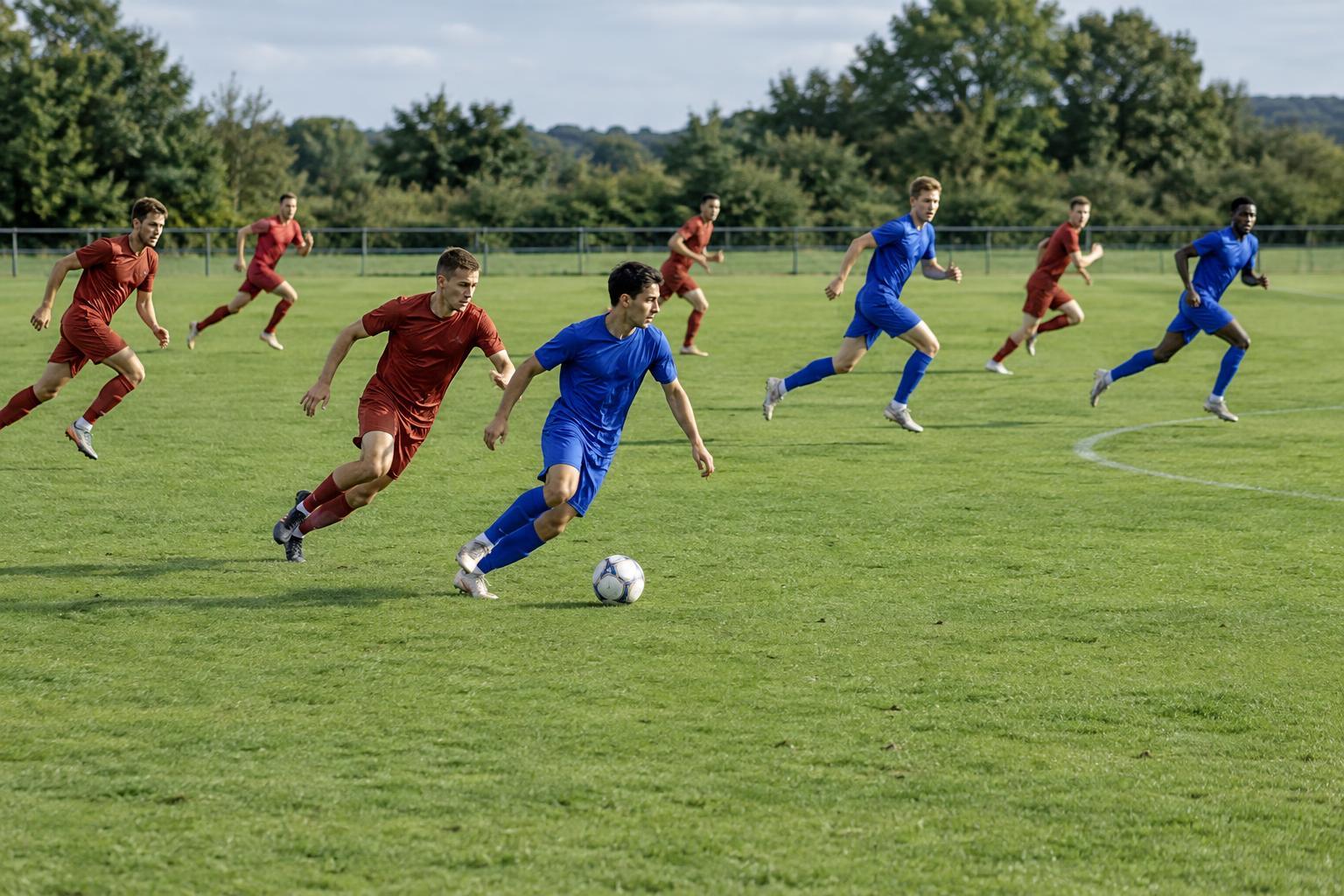
To read a transition, start with the moment possession changes and follow the next few actions. Does the player who wins the ball have time to look up? Is there space ahead, or is a defender already closing it? Watch the nearest teammates as well as the ball: one may make a forward run, another may offer a safe passing angle, and a third may stay behind the play in case possession is lost again.
Then look at the team that has just lost the ball. Notice whether its closest players press, whether others block passing lanes, and how quickly its defenders recover useful positions. The outcome of an attack does not tell the whole story. A counterattack can fail despite a sensible decision, and a risky pass can succeed. Following the available options on both sides makes transitions easier to understand—and reveals why the seconds after a turnover can shape the next passage of play.