Two approaches to the same question
Every attack asks a basic question: is the opponent easier to break down now, or after the ball has been secured? Counterattacking looks for the moment just after possession changes, when opponents may be moving forward and their defensive shape has not yet recovered. Patient possession places more emphasis on keeping the ball, moving the opposition and waiting for a promising route through.
These are not fixed identities. A team that usually builds slowly may break forward when it wins the ball in open space. A team known for counterattacks may circulate possession when no quick opening exists. The difference lies less in whether a side can play fast or slow than in the attacking choices it tends to favour.
What a counterattack tries to exploit
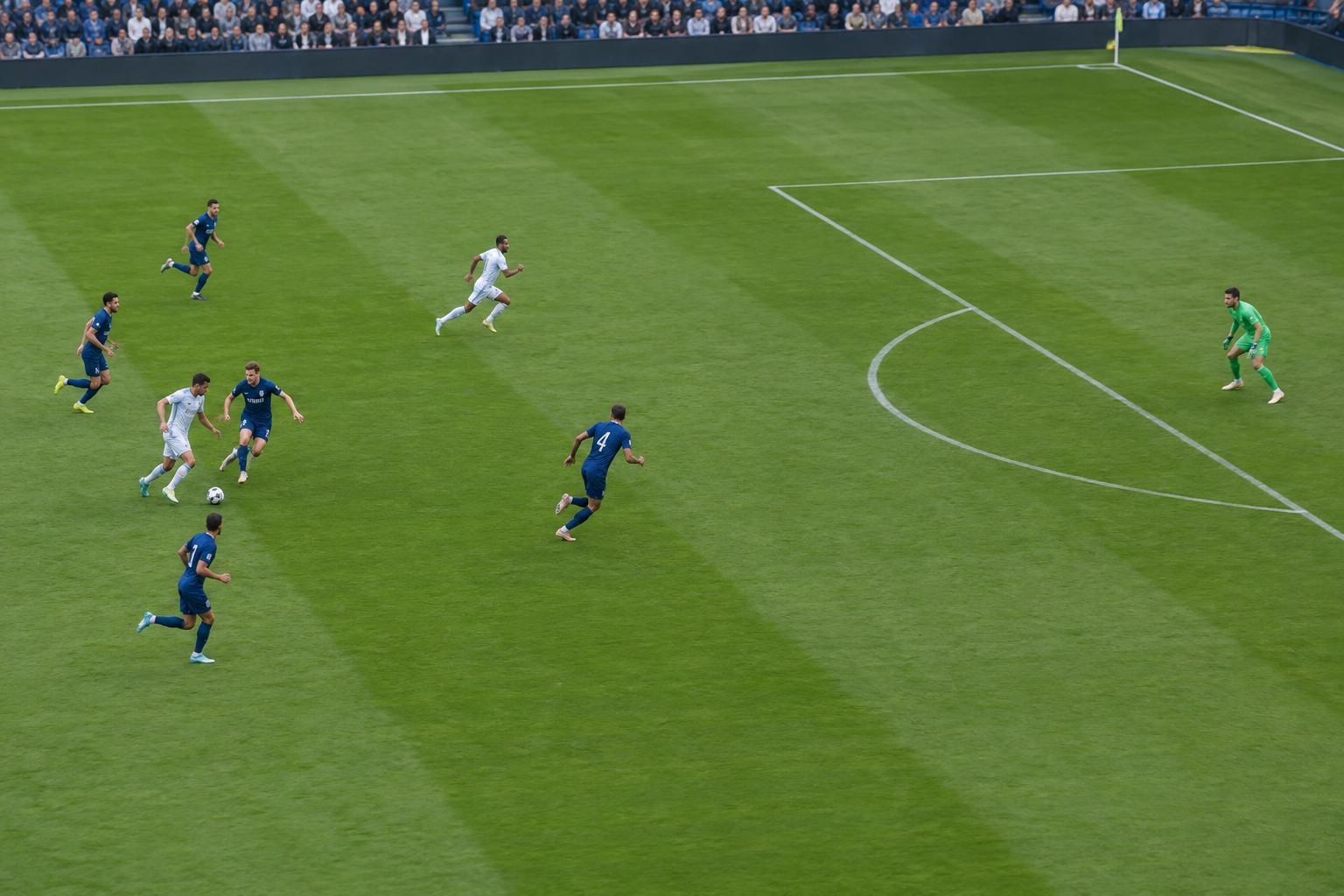
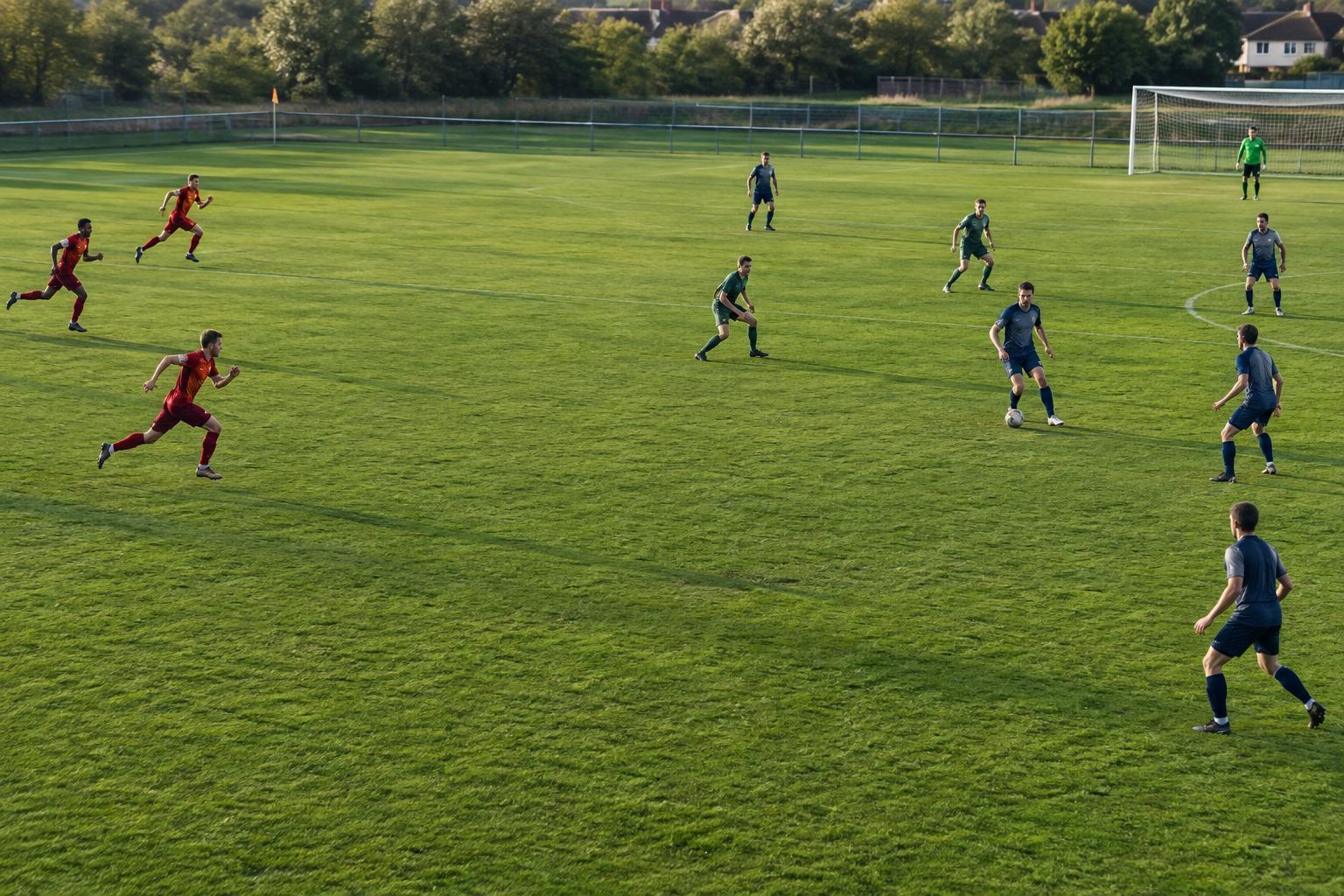
A counterattack begins with a change of possession and an assessment of what is immediately available. If the other team has pushed players ahead of the ball, there may be space behind its defenders or room to run through midfield. The first pass might go forward to a runner, into a striker who can hold the ball up, or out to a wide player with space to carry it. The aim is to threaten before defenders can retreat and organise.
Speed matters, but speed alone does not make an attack effective. A player who rushes a difficult forward pass may surrender the ball when a short pass would have kept the move alive. Good counterattacking involves recognising when to accelerate, how to support the ball carrier and when the opening has closed. Once the defence is set, a team can still keep possession rather than forcing a shot.
This approach also depends on decisions made before the ball is won. Players need positions from which they can defend and then offer an outlet. If everyone drops too deep, the ball winner may have no nearby option; if too many players wait high up the pitch, the team may struggle to regain possession in the first place.
What patient possession tries to create
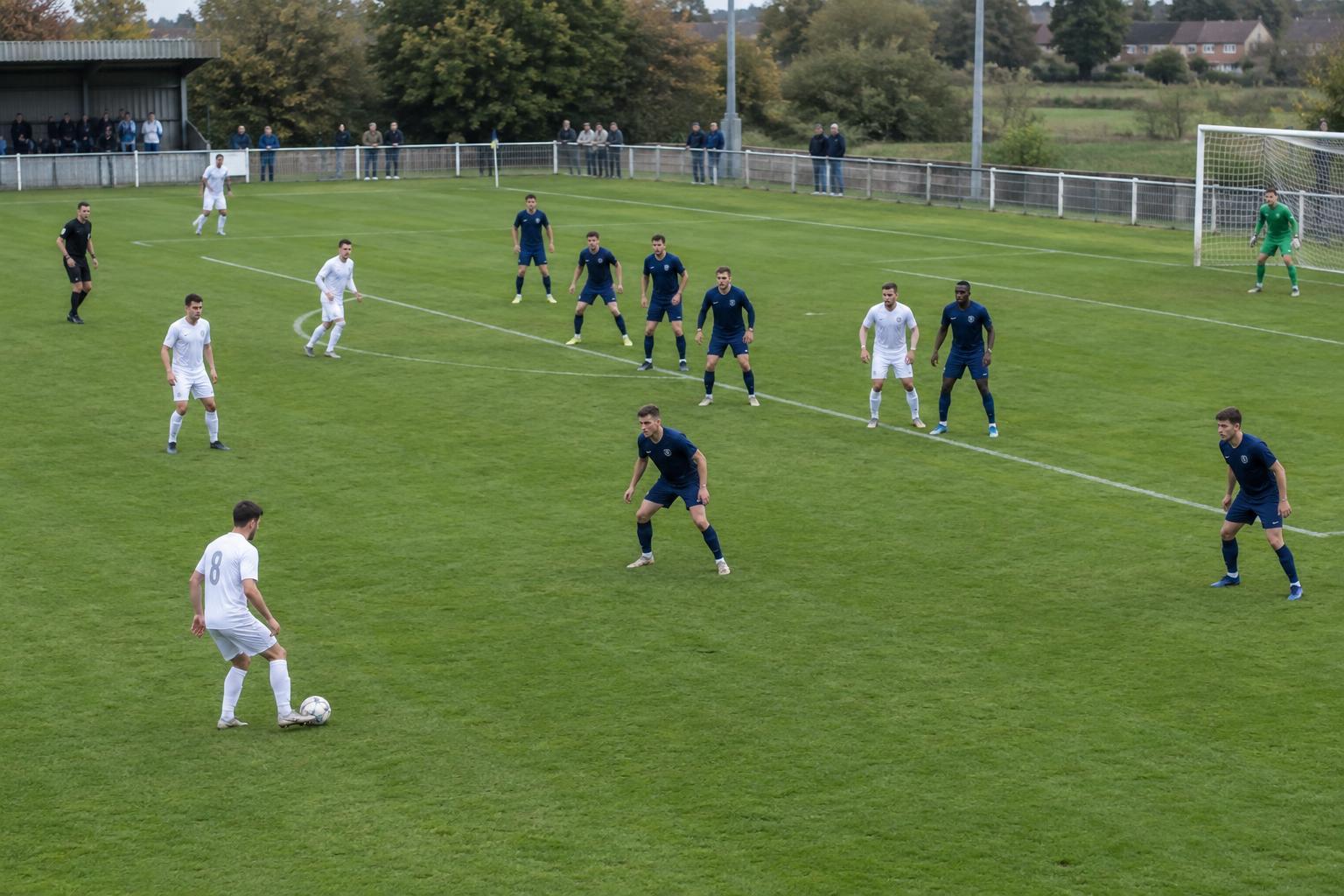
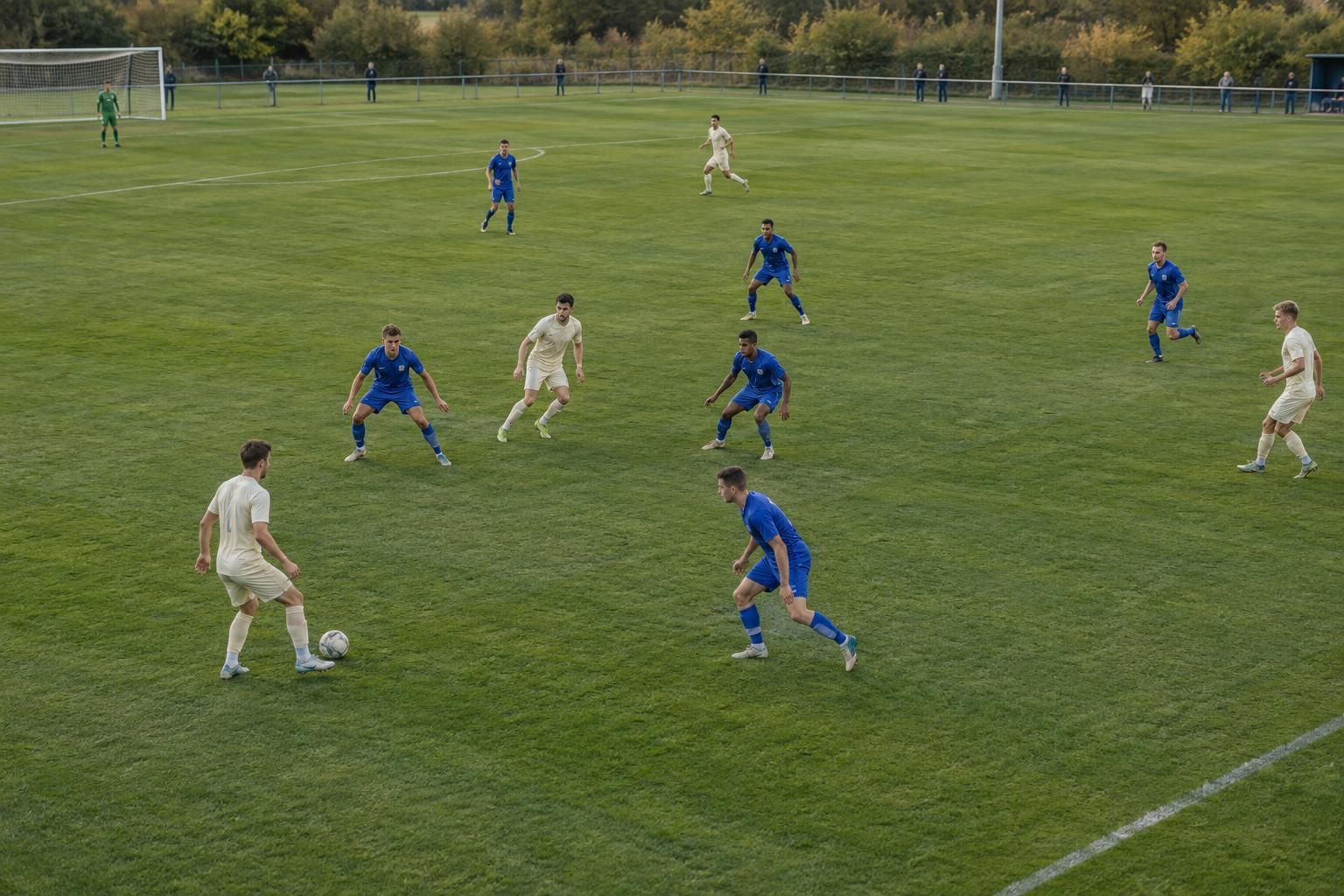
Patient possession starts from a different problem: the opposition is ready to defend. Instead of trying to beat that shape with the earliest possible forward ball, the attacking team keeps passing options available and looks to change the defenders’ positions. Moving the ball from one side to the other can draw players across the pitch. A midfielder receiving between defensive lines, or a full-back advancing into space, may then offer a better route toward goal.
Patience does not mean passing for its own sake. A useful possession sequence has a purpose, even when several passes go sideways or backward. Those passes might invite an opponent to press, create a new angle or allow a teammate to move into a dangerous position. When a gap appears, the final action may be sudden: a forward pass, a run behind the defence or a quick combination near the penalty area.
Keeping the ball also changes the risks a team faces. It can limit the opponent’s opportunities to attack while possession is secure, but losing the ball with many players advanced can expose space in the other direction. Teams therefore need support around the ball and a plan for reacting immediately if a pass is intercepted.
The key difference is when teams commit
Counterattacking teams often commit to a forward move while the opponent is still recovering from its own attack. They may accept a smaller number of passes and a less settled attacking shape because the available space could disappear quickly. Patient-possession teams are more willing to delay that commitment until their passing and movement have improved the angle or drawn a defender out of position.
Neither choice guarantees better chances. A direct pass is valuable if a runner can reach it with room to act; the same pass is wasteful if defenders have already covered the space. A long spell on the ball can produce a clear opening, but it can also end without troubling a compact defence. The quality of the decision depends on what the players can see, where their teammates are and how the opponents respond.
How to spot the difference while watching
Watch what happens in the first few seconds after a team wins possession. Do nearby players sprint beyond the ball and ask for an early forward pass? Does the ball carrier look into open space before the defence can retreat? Those are signs of a counterattacking opportunity, whether or not the move ends in a shot.
When a team has the ball against an organised defence, notice how it tries to change the picture. Players may spread out to stretch the defensive line, move closer together for short combinations or switch the ball to the far side. Patient possession is visible in those repeated adjustments, not simply in the number of passes.
The most revealing moment may be the switch between approaches. If a fast break is blocked, does the attacking side protect the ball and begin building again? If a patient passing move draws defenders forward, does it suddenly play into the space they have left? Seeing those choices makes both styles easier to understand: each is a way of judging when an attack has its best opening.