The idea behind the trap
An offside trap is a coordinated movement by defenders to leave an attacker in an offside position when a teammate plays the ball forward. Instead of following a runner toward their own goal, the defenders hold or advance their line. If the timing is right, the runner may appear to have space behind them but cannot legally benefit from the pass.
The trap relies on the offside law, but being in an offside position is not itself an offence. A player is generally in an offside position if they are in the opponents’ half and nearer the opponents’ goal line than both the ball and the second-last opponent when a teammate plays or touches the ball. Being level is onside. An offence occurs only if the player then becomes involved in active play, such as by playing the ball or interfering with an opponent.
What defenders have to do together
The key word is together. If one defender steps forward while another stays deep, the deeper player may keep the attacker onside. A functioning trap therefore depends on a shared line, clear communication and an agreed response to a likely forward pass. Centre-backs often help organise the movement, but full-backs and any covering defenders must read the same cue.
Imagine an attacker starting a run behind the defence as a midfielder prepares a through ball. The defenders see the midfielder shape to pass and move up as a unit. If the attacker is beyond the second-last opponent at the instant the ball is played, the trap may succeed. Stepping forward after the pass has already been played cannot change the attacker’s position at that earlier moment.
Why pressure on the ball matters
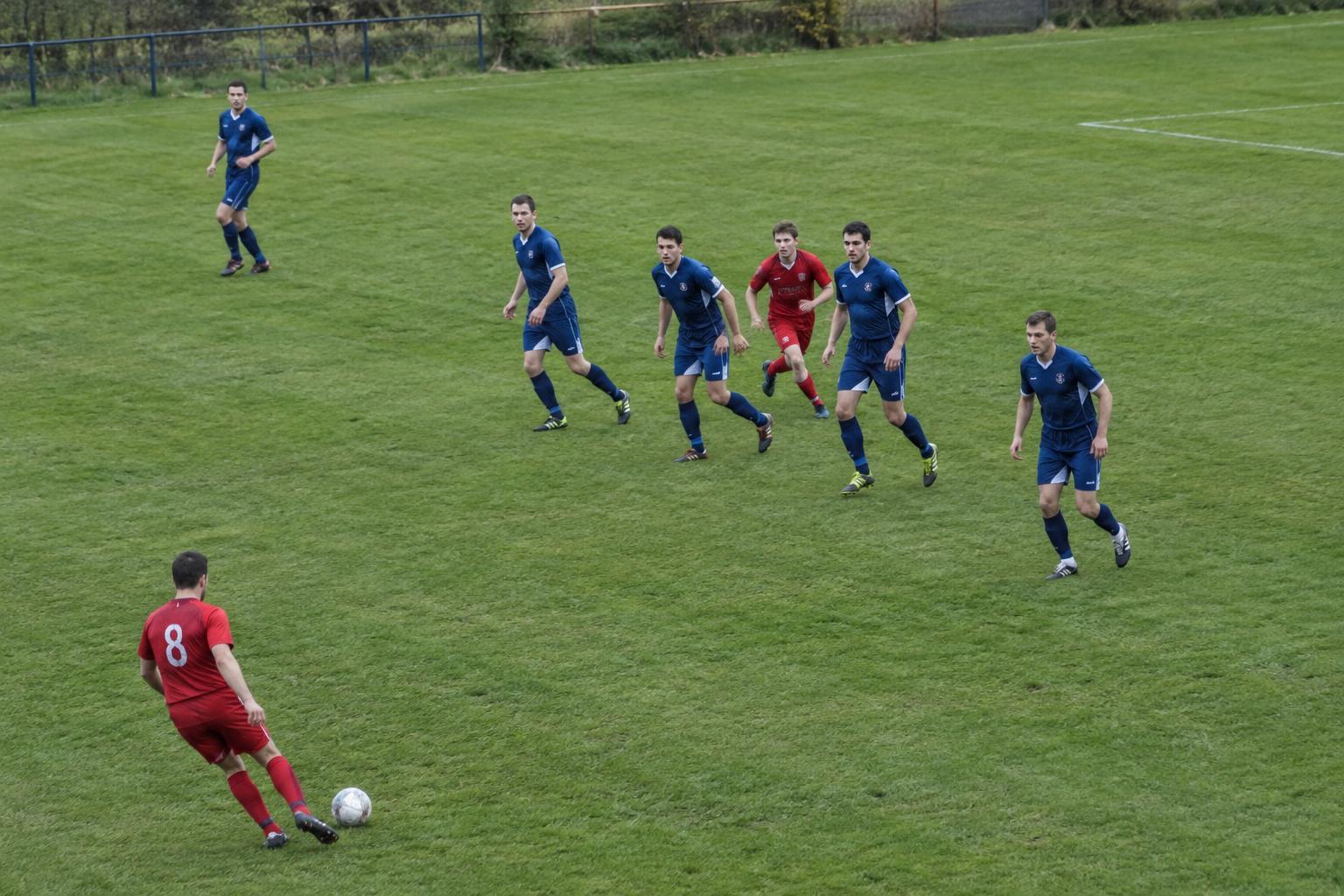
Defensive-line movement is only half the tactic. A passer with time and a clear view can delay the ball, choose a different runner or play into space before the defenders are ready. Pressure on the ball carrier makes those choices harder. It can also create a more predictable passing moment for the line to read.
That is why the trap often works best as part of a wider defensive plan rather than as a last-second trick. Midfielders may close passing lanes while a forward presses the player in possession. Behind them, defenders keep their distances consistent and watch both the ball and the runners. If pressure fails and the passer can lift their head, the line may need to drop and protect the space behind instead.
The risks of getting it wrong
A mistimed trap can turn a routine pass into a clear route toward goal. One defender might hesitate, be pulled back by a runner or fail to hear a call. An attacker can also avoid the trap by delaying their run, starting from a deeper position or receiving a pass played while they are level with the relevant defender.
The tactic demands judgment as well as discipline. Defenders must recognise when to step and when to retreat. A ball carrier under pressure is a different threat from one who has time to deliver a precise pass. Teams also need a recovery plan: if a runner breaks through onside, defenders must turn, chase and cover the central route rather than assume an offside decision will rescue them.
How to spot a trap while watching
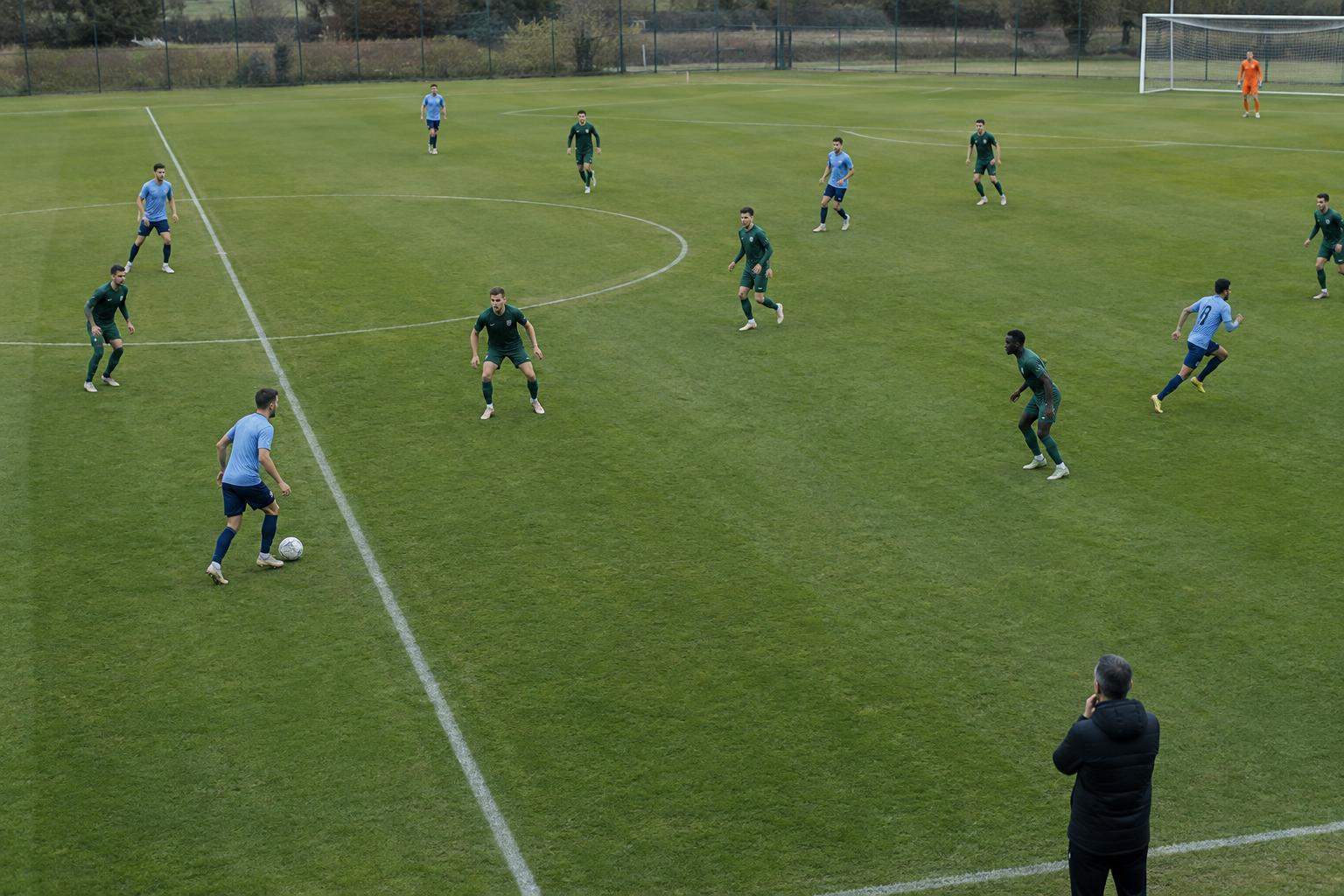
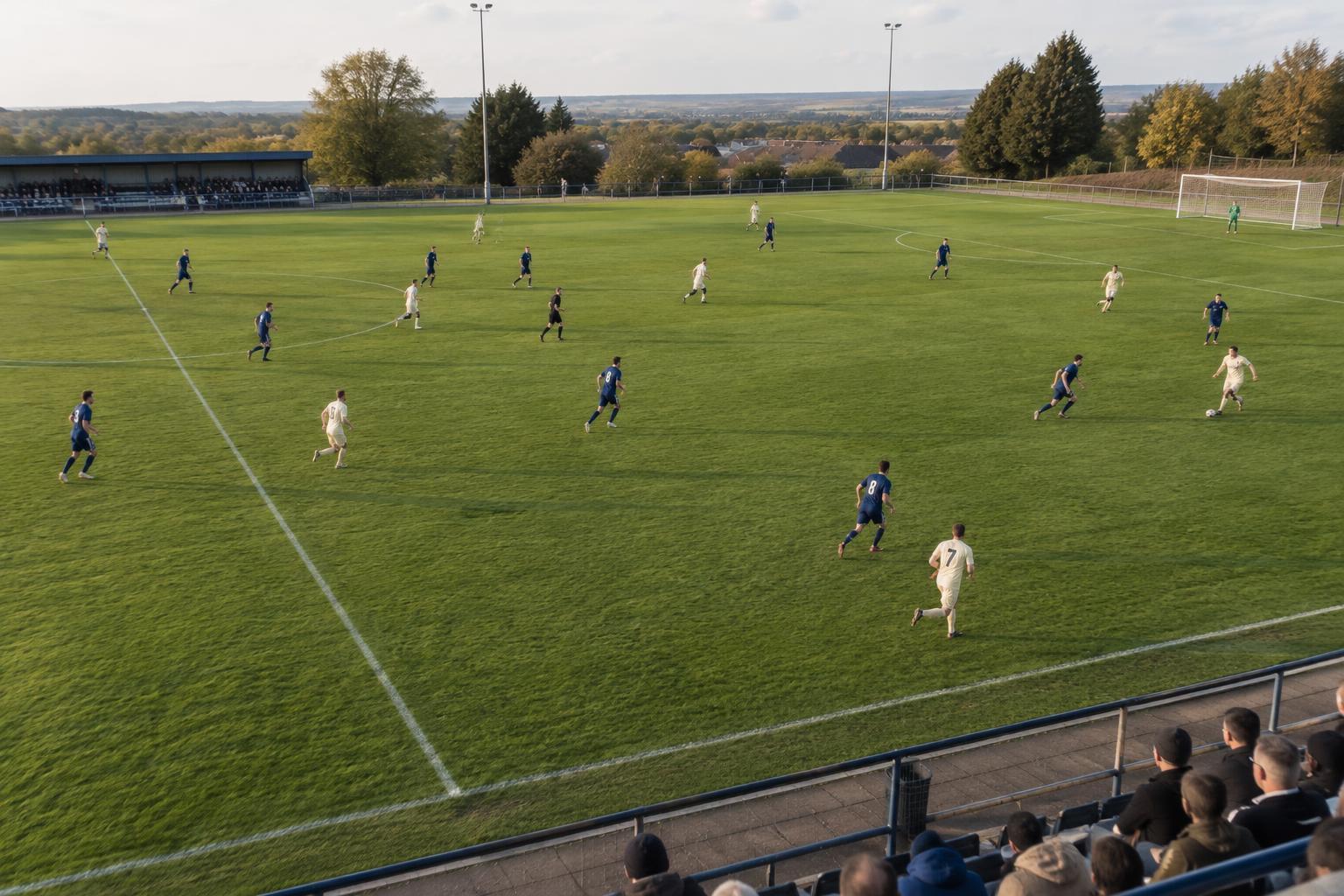
Watch the defenders before the pass, not just the attacker after it. Are they forming a line? Do they step forward at the same time? Is someone pressuring the passer? These details reveal whether an offside position was created through coordinated defending or whether the attacker simply started their run too early.
Then note the moment the teammate plays the ball. That is the crucial reference point for the attacker’s position; where the players stand when the pass arrives can look very different. The offside trap is effective when coordinated timing narrows an opponent’s options. It is vulnerable when even one part of that coordination breaks down.