Two ways of watching on your feet
For many supporters, standing feels like a natural way to watch football. People rise for an attack, lean toward the pitch during a tense passage of play and turn to celebrate with those around them. A designated standing area makes that posture part of the matchday plan rather than an interruption to the people seated behind.
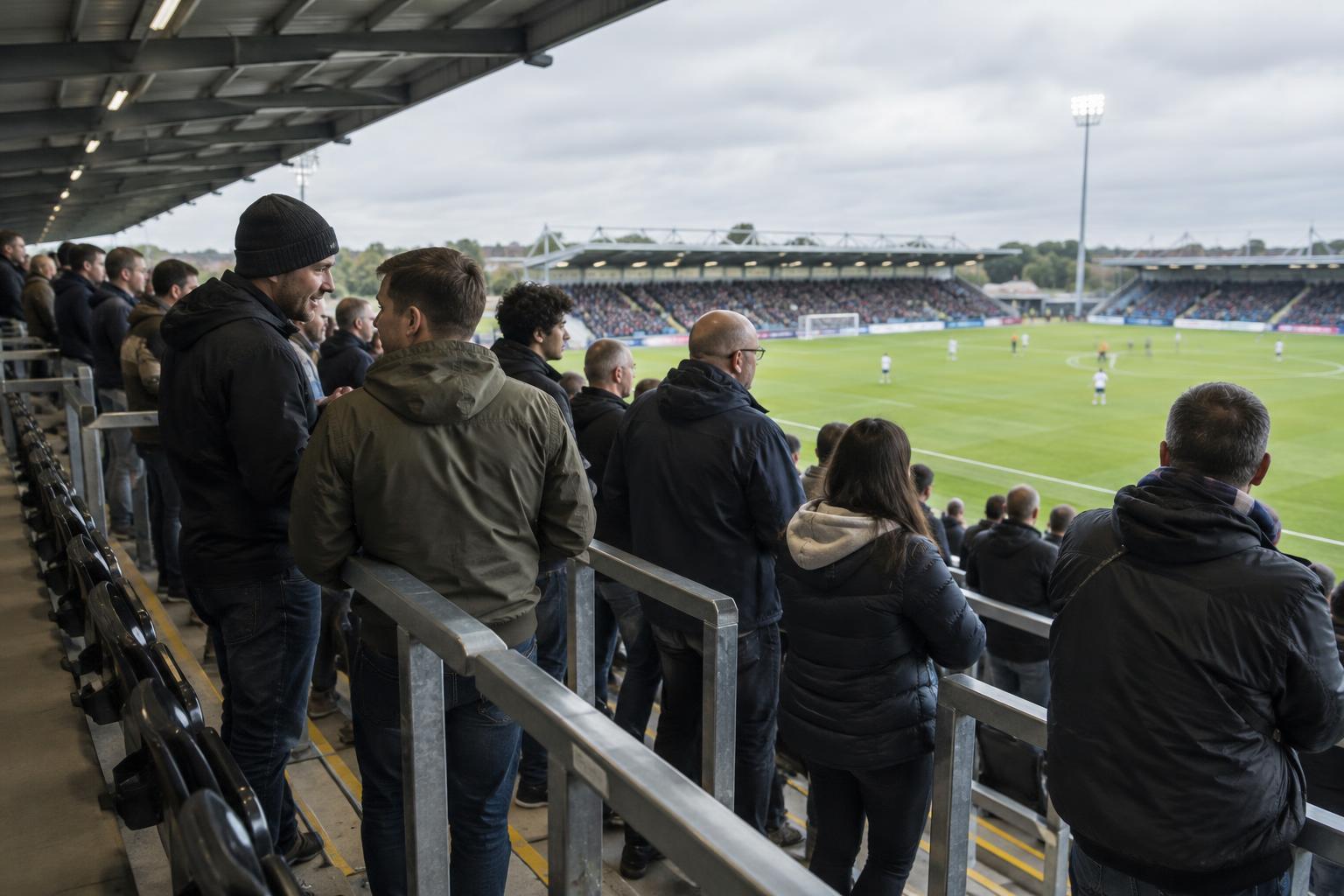
It helps to distinguish a traditional terrace from a modern safe-standing area. A terrace is usually an open standing section with steps or tiers, where supporters have more freedom to choose a place within the space permitted by the venue. Safe standing commonly uses individual places with rails or barriers, often alongside seats that can be used when the area operates as seated accommodation. The details vary between grounds, and local rules determine what a club may provide.
Neither layout produces a particular atmosphere on its own. The size and position of the section, the supporters who use it and the way the ground is managed all affect what the experience feels like. A standing area can invite participation, but it still needs to function as a place where people can see the game and move safely.
Why standing can feel more collective
Standing changes the small social habits of a match. Supporters can more easily face a song leader, clap along or turn to share a reaction with a friend. In a well-used section, chants can travel through a group because people are already alert to what their neighbours are doing. That shared rhythm is one reason some fans seek out standing areas, even when they could watch from a seat.
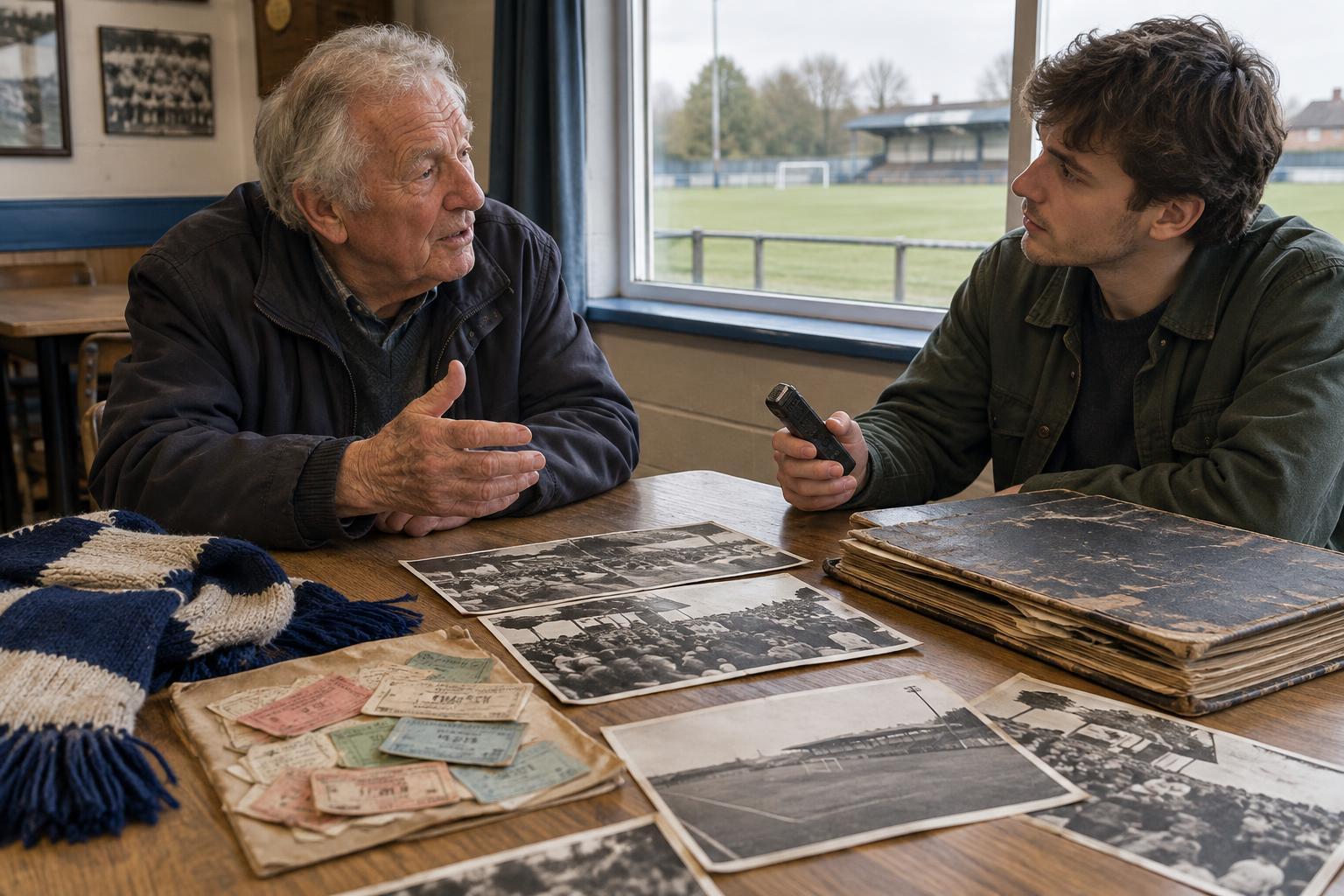
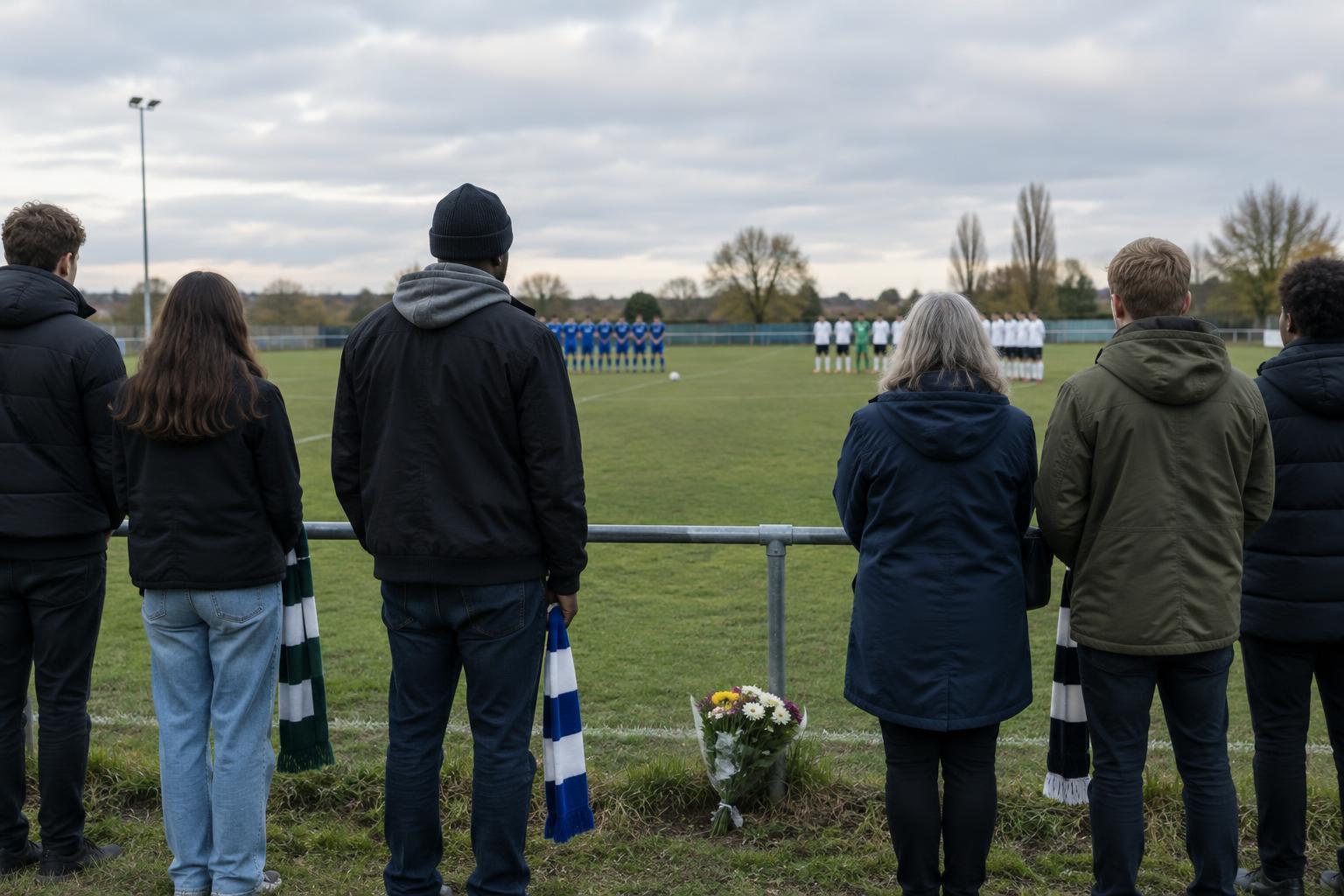
Terraces can also develop familiar meeting points. Friends may return to roughly the same part of a section, while regulars learn where the louder groups tend to gather. These informal patterns can make a large ground feel more like a community. They should not, however, be treated as a claim on space that excludes someone with a valid ticket. A welcoming section leaves room for newcomers and for supporters who enjoy the atmosphere without wanting to sing throughout the match.
Noise is not a reliable measure of every fan’s commitment. Some people prefer to follow the tactics closely or take a quieter child to their first game. Others may find constant standing tiring or difficult. A good matchday offers different ways to belong, rather than asking every supporter to express loyalty in the same way.
Sightlines, movement and the design of the space
The physical layout matters as much as the mood. On a conventional seated row, one person standing can block the view of someone behind them. A designated standing section sets clearer expectations, while rails or barriers can help define positions and limit forward movement. That does not mean every standing place has an equally good view: the slope of the stand, the height of people in front and the location of barriers still matter.
Safe standing is best understood as one part of crowd management, not a safety guarantee supplied by a rail. Clear routes, appropriate capacity, attentive staff and supporters respecting the space all remain important. Bags left in walkways, people crowding into a single row or movement that blocks an exit can cause problems in any type of stand.
Choice also depends on access. A standing section should not be the only place to find lively support or a good view. Supporters who use wheelchairs, need to sit, have limited stamina or attend with young children may need other options nearby. Clubs and ground operators can make those choices easier to understand by clearly explaining what a ticketed area is like and where accessible viewing options are located.
Finding the right place for your matchday
If you are considering a standing area for the first time, check the ground’s description before buying a ticket. Look for whether the section is a terrace or an allocated safe-standing place, whether a seat is available, and how to enter and leave the area. Expectations can differ from one venue to another, so the name of the section alone may not tell you enough.
Once inside, take a moment to notice the local rhythm. Some parts may be especially vocal; others may give you more space to watch. Keep routes clear, follow staff directions and be considerate of the view and comfort of those around you. Joining a chant can be a memorable part of the day, but listening and watching are equally valid ways to participate.
Terraces and safe-standing sections offer supporters a different relationship with the match and with one another. Their appeal lies partly in the freedom to react together. Their lasting value depends on pairing that energy with thoughtful design, clear expectations and genuine choice across the ground.