Choose a match that suits the child
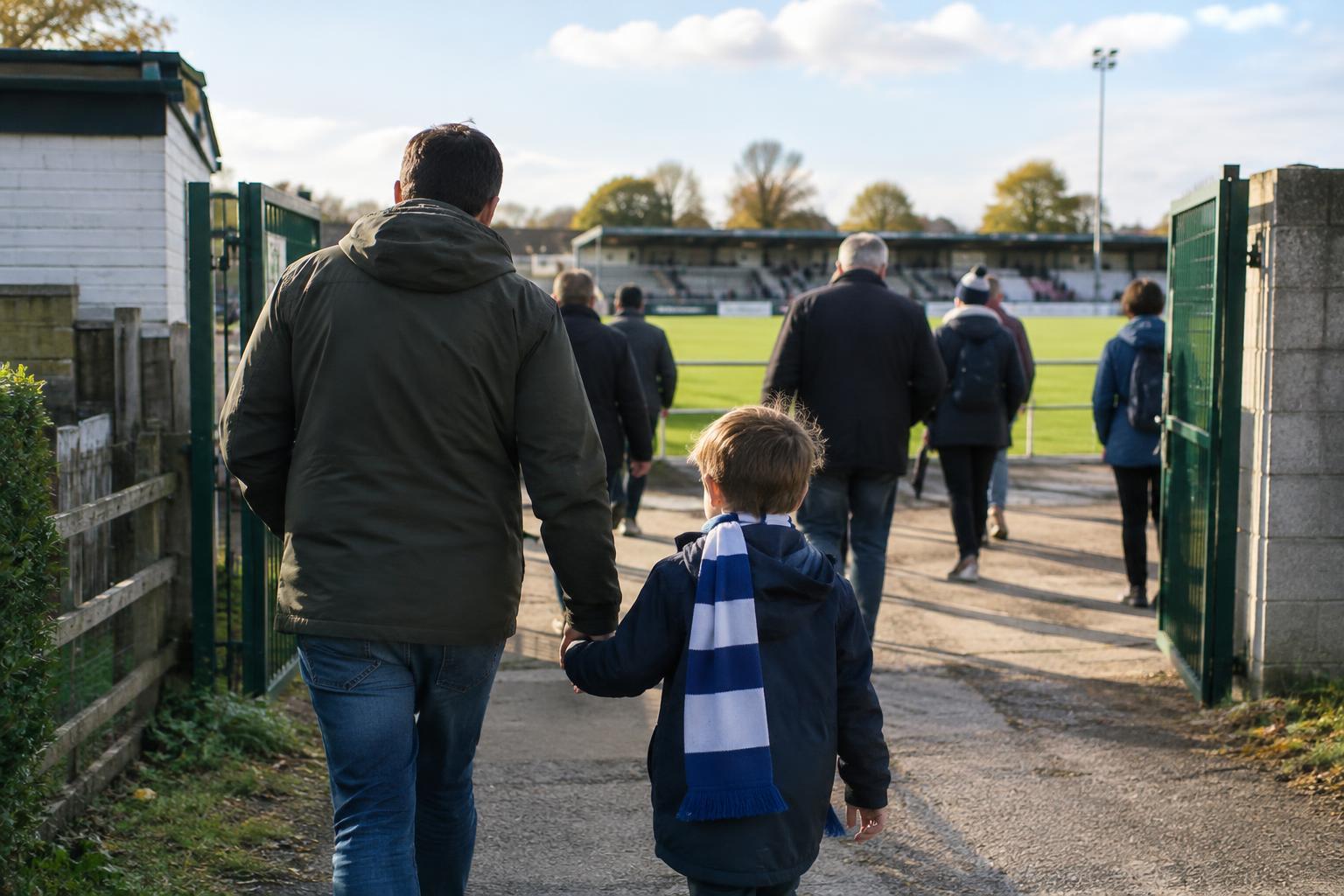
A first match does not have to be a major occasion. A local club, a smaller ground or a familiar venue may offer a gentler introduction than a packed stadium. Think about what the child enjoys: watching players up close, joining in with songs, spotting the scoreboard or simply spending time with you. The best choice is a match they can experience without feeling that they must sit still and follow every minute.
Before buying tickets, check the club’s information on family seating, age-related ticket rules, entry times and what you can bring inside. If you have a choice of seats, consider the view as well as the atmosphere. Being close to a lively section can be exciting, but it may also mean more noise and less room to take a break. A seat near an aisle can make toilet trips or a short walk around the concourse simpler.
Explain what the day might feel like
Children often find a match more enjoyable when they know what to expect. Talk through the day in a few clear steps: travelling to the ground, finding the entrance, going through any checks, locating your seats and waiting for kick-off. Explain that people may cheer, shout or stand up suddenly. Supporters usually react to much more than goals, so a burst of noise does not always mean something is wrong.
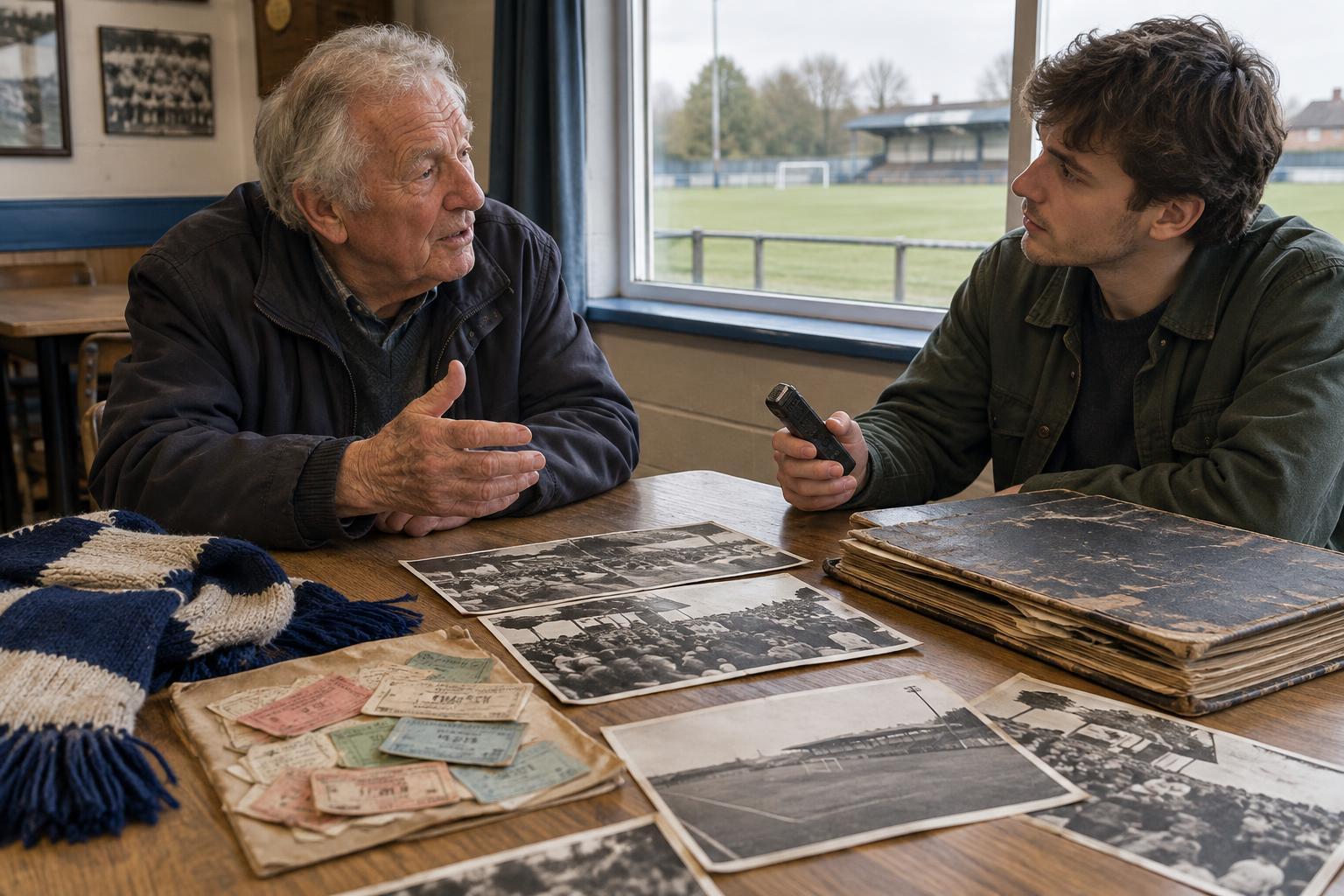
You can introduce a few simple things to watch for, such as which team is attacking each goal or how players try to win the ball back. There is no need to teach every rule beforehand. If the child asks questions, answer what you can and let them know it is fine to learn as the game goes on. Supporter culture is part of the experience too: scarves, songs and shared routines can be fun to notice without any pressure to join in.
Pack for comfort, not for every possibility
Football grounds can feel colder than expected when you are sitting outside, so comfortable layers are useful even when the journey there feels mild. Choose shoes suitable for walking and standing in queues. Depending on the venue’s rules, a drink, a small snack and something quiet to do before kick-off or at half-time may help. Check bag restrictions before packing; what is allowed varies between grounds.
Think about noise as well as weather. Ear defenders may help a child who is sensitive to loud sounds, but it is worth letting them try them on before match day. Agree on a simple way for the child to say they need a break, especially if conversation becomes difficult in the crowd. It can also help to make sure they know your name and what to do if you become separated. Point out stewards when you arrive so they know who to approach for help.
Leave time for the unfamiliar parts
Arriving with time to spare can turn a series of queues into part of the outing rather than a rush. Allow for the journey, finding the correct entrance and a toilet visit before taking your seats. Once inside, show the child a nearby landmark that will help them recognise where you are sitting. If the venue has a programme, food stall or space to look around, you can explore it without trying to fit everything in.
During the match, follow the child’s attention rather than demanding constant focus. They may be fascinated by the goalkeeper for ten minutes and then want to know what is for dinner. A short walk at half-time, or at another suitable moment, can reset the day. Keep your own reactions in mind as well: children learn how to behave among supporters partly by watching the adults with them. You can be passionate while still treating other fans, officials and players with respect.
Make a flexible plan for going home
The final whistle can bring another busy spell, with crowds heading for exits and transport at the same time. Decide in advance where you will meet anyone in your group and how you plan to get home. Keep hold of the child’s hand or stay close in crowded areas, and follow any directions from ground staff. If leaving a little before the end would make the journey easier for your family, that is a reasonable choice.
A successful first match is not measured by whether the child lasts the full game or remembers the score. They might love the singing, dislike the noise, or care most about a snack at half-time. Ask what they enjoyed and what they would change next time. That conversation helps you plan another visit that suits them—and gives their first match a place in their own football story.