More than a way through the turnstile
A season ticket usually gives a supporter access to a set of home matches, often from the same seat or standing area. A membership may offer a different mix of benefits, such as eligibility to buy tickets, access to club activities or a way to stay connected from afar. The details vary between clubs, but both arrangements can give supporters a more regular place in the life of a team.
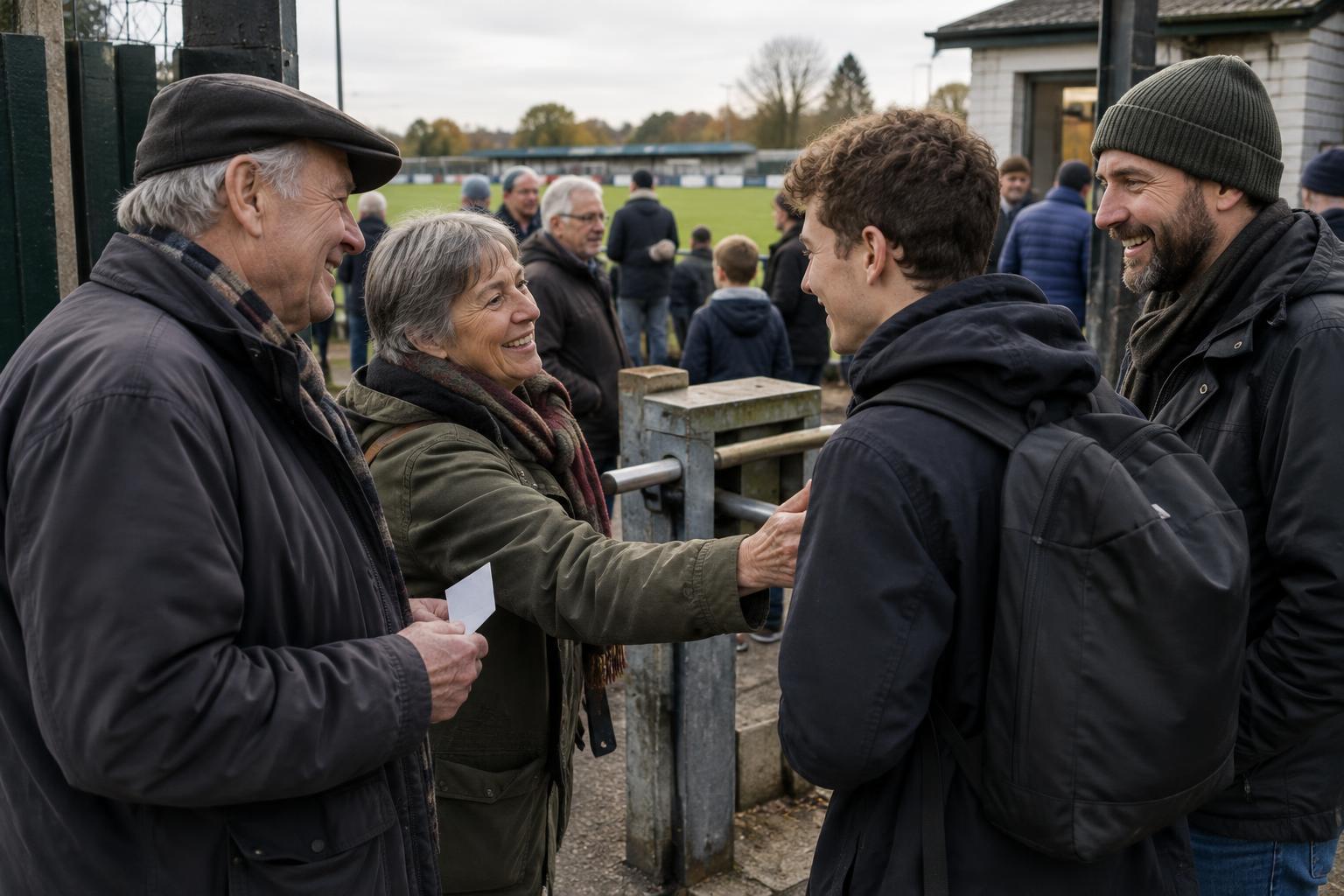
That regularity matters because football community is built through repeated encounters. Familiar faces on the journey to the ground, the people nearby in the stand and a shared post-match routine can turn strangers into acquaintances. A ticket does not create friendship by itself. It does, however, make it easier for the same people to meet often enough for friendships and informal groups to grow.
How routines become traditions
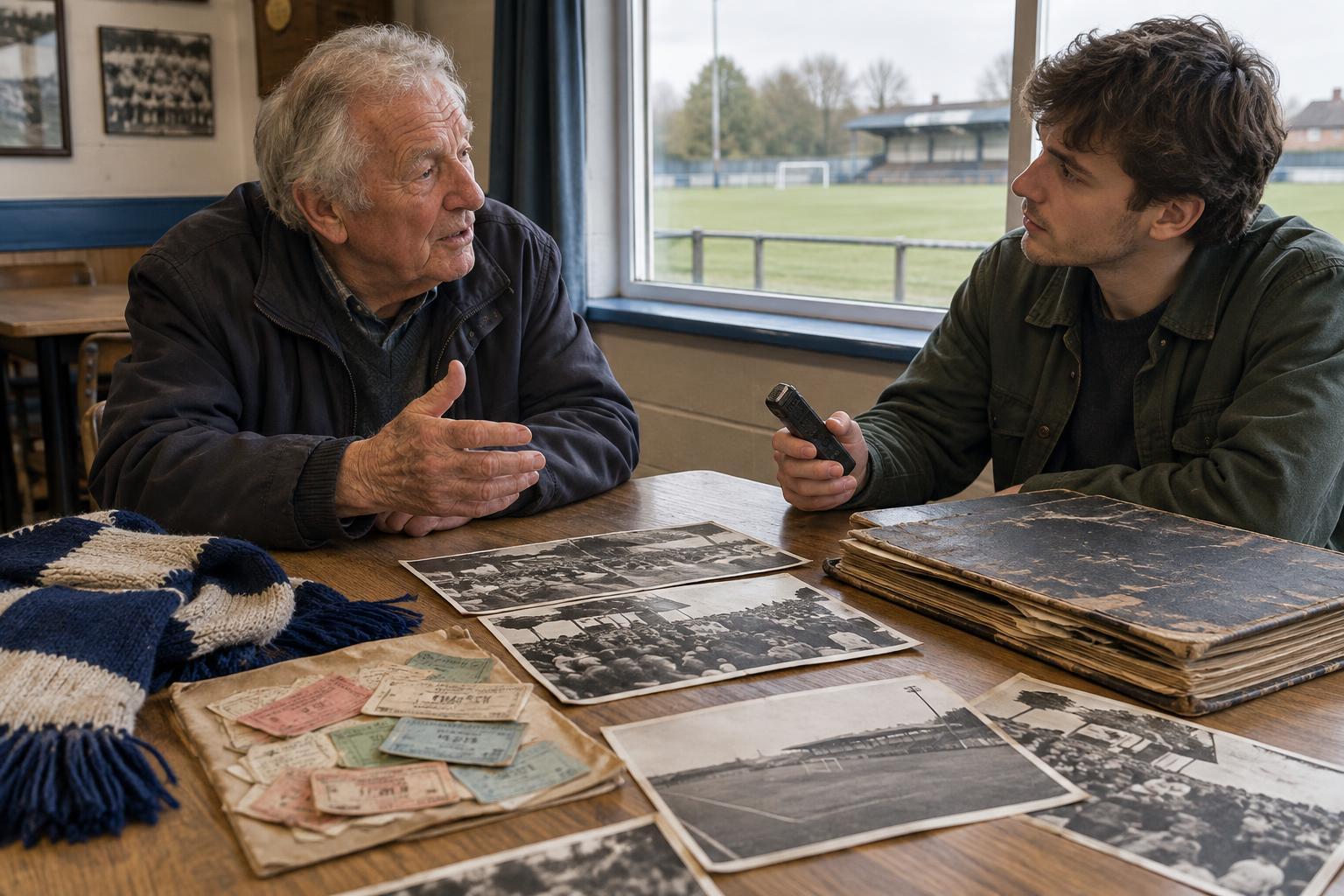
When supporters return to the same part of a ground, they help establish its habits. They learn when a chant begins, how their section responds to a setback and which matchday rituals matter to the people around them. Newer fans can pick up these customs simply by being there. In this way, season tickets can help pass on a stand’s character without anyone formally teaching it.
Memberships can support traditions beyond the stadium. A supporter who cannot attend every match might still join a local viewing group, travel to an occasional game or take part in club-related gatherings. These forms of involvement are not identical to being in the ground each week, but they can sustain a sense of connection. Fan culture is strongest when it leaves room for different ways of showing up.
The value and limits of a regular place
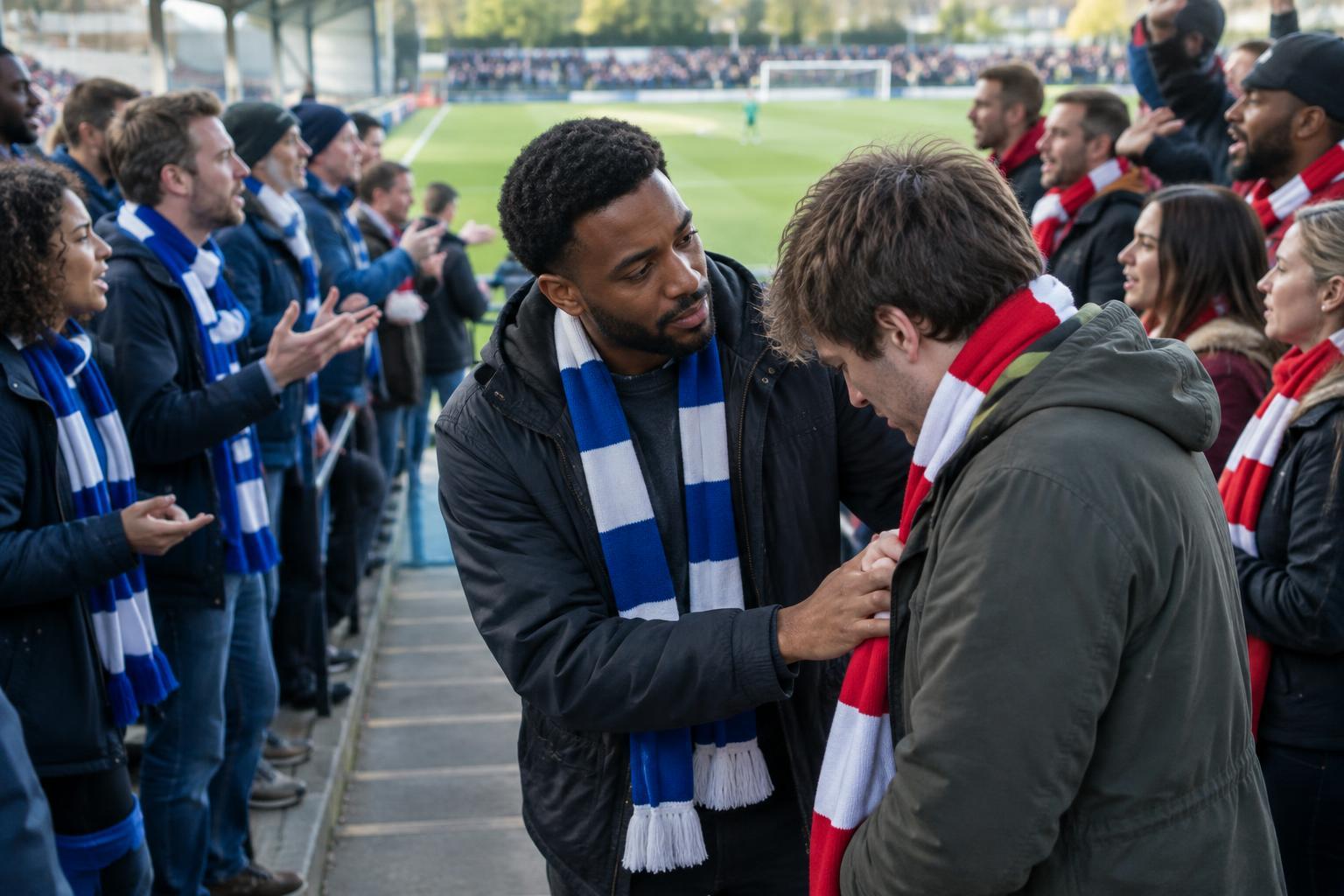
For some supporters, a season ticket makes attending simpler: they know where they will be and can plan matches as part of ordinary life. Sitting or standing near the same people can also create a sense of mutual care. Regulars may notice when someone has been absent or help a newcomer understand the rhythms of a matchday. These small acts often matter as much as organized displays of support.
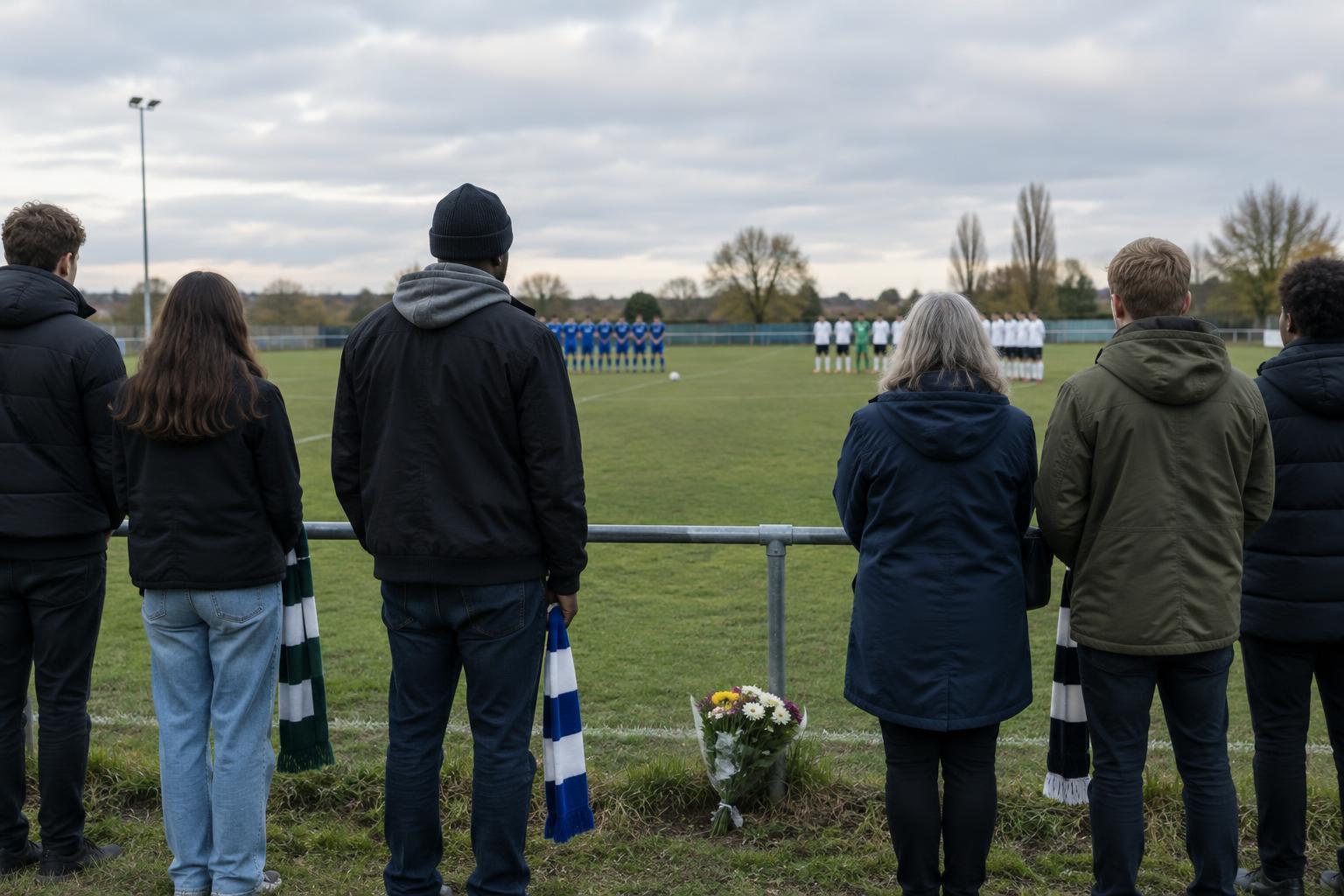
Yet a regular place can become difficult to give up. Supporters may feel attached to a seat because of the people around it, not just its view of the pitch. If life changes and they can no longer attend regularly, losing that place may also mean losing a familiar social circle. It helps to remember that community should not depend entirely on holding the same ticket year after year.
Who gets to belong?
Season tickets and memberships can also shape the boundaries of a fan community. Costs, travel, work schedules, caring responsibilities and ticket availability can all affect who is able to join or attend. Where membership is needed for a chance to buy certain tickets, it may be useful to some supporters while adding another step for others. The effect depends on how a club organizes access and on each person’s circumstances.
Attendance should not be treated as a simple measure of loyalty. Someone who follows a team from another town, shares a ticket with family or can afford only a few matches may care just as deeply as a weekly regular. Welcoming fan spaces make that distinction clear. They can value the knowledge and continuity that regular attendance brings without dismissing supporters whose participation looks different.
Keeping community wider than the ticket
Supporter groups, informal meetups and grassroots activities can give people ways to connect that do not require a fixed seat. A regular might invite a first-time visitor into a conversation; a membership group might make its gatherings open to non-members where possible. Simple habits like explaining a chant rather than testing whether someone already knows it can make established traditions easier to enter.
Season tickets and memberships are useful structures, not complete definitions of fandom. They help some people build lasting routines and relationships around a club. Their healthiest contribution is to provide a starting point for connection, while leaving the wider community open to those who watch, travel and participate in other ways.