Football HistoryFrom a tournament for national champions to a continent-wide stage, the Copa Libertadores grew through rivalry, demanding travel and the prestige of its winners. Its history helps explain why lifting the trophy means so much to South American clubs and supporters.
Read article · 4 min↗

Football HistoryFor nearly four decades, domestic cup winners had a European competition of their own. Here is how the Cup Winners’ Cup worked, what made it distinctive, and why UEFA retired it in 1999.
Read article · 3 min↗

Football HistoryThe UEFA Cup began as a knockout tournament for clubs that had earned a place in Europe without winning their domestic league. Its later evolution into the Europa League reflects changes in qualification, tournament formats and the wider European football calendar.
Read article · 3 min↗

Football HistoryThe European Cup became the Champions League in the early 1990s, but the change was more than a new name. Here is how qualification, the format and the competition’s place in football culture evolved.
Read article · 4 min↗
Football HistoryFrom a four-team final tournament to a larger competition spanning a diverse continent, the AFC Asian Cup has changed in format, reach and significance. Its history shows how a continental championship can grow while balancing qualification, travel and national football traditions.
Read article · 4 min↗
Football HistoryThe Africa Cup of Nations began in 1957 with three teams on the pitch and a larger ambition: a continental competition run by African football associations. Its early history reflects both the growth of the game and the political realities of the era.
Read article · 3 min↗
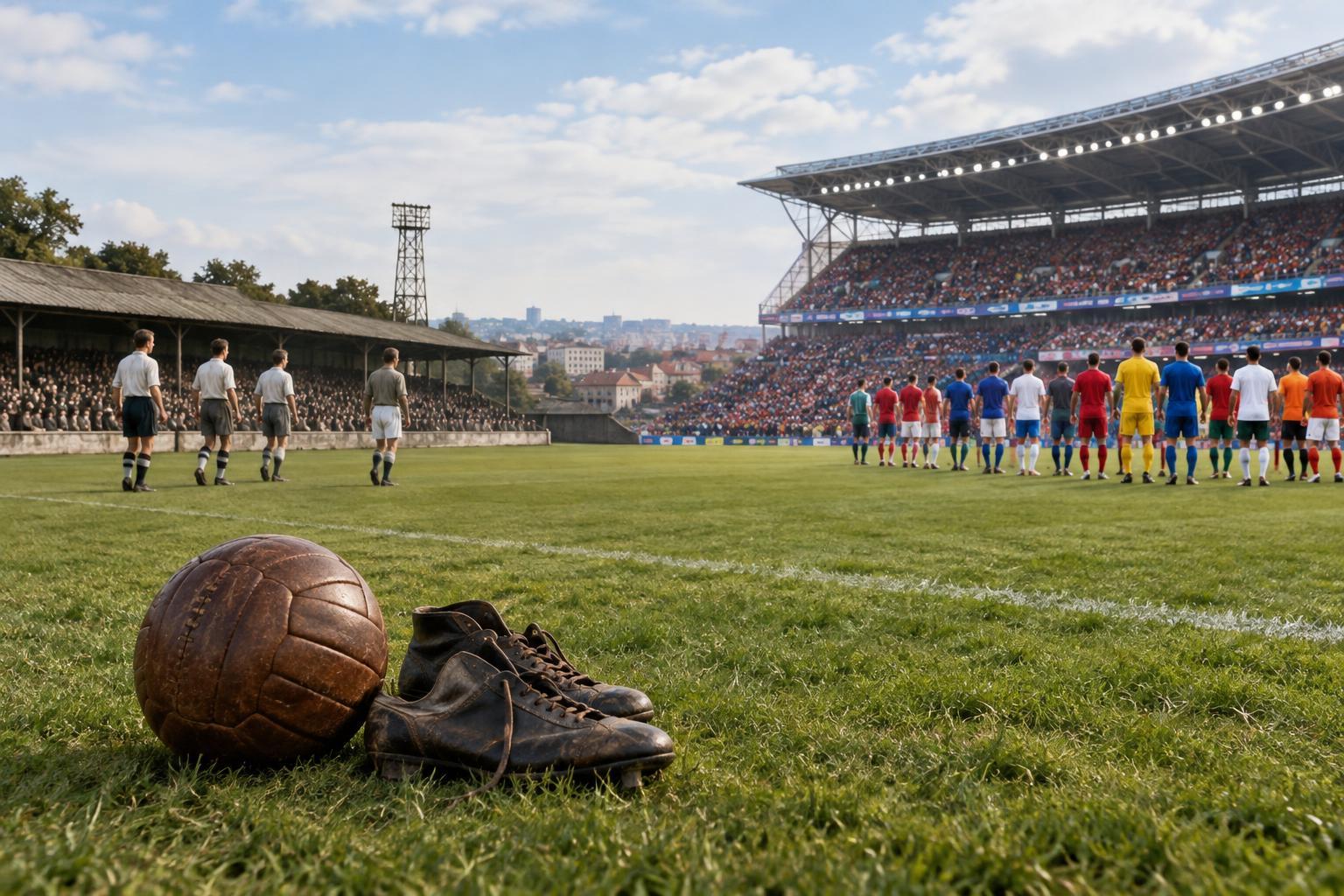
Football HistoryThe European Championship began as a knockout competition with just four teams at its final tournament. Its path to a 24-team event shows how European football changed its approach to qualifying, group play and the balance between inclusion and simplicity.
Read article · 4 min↗
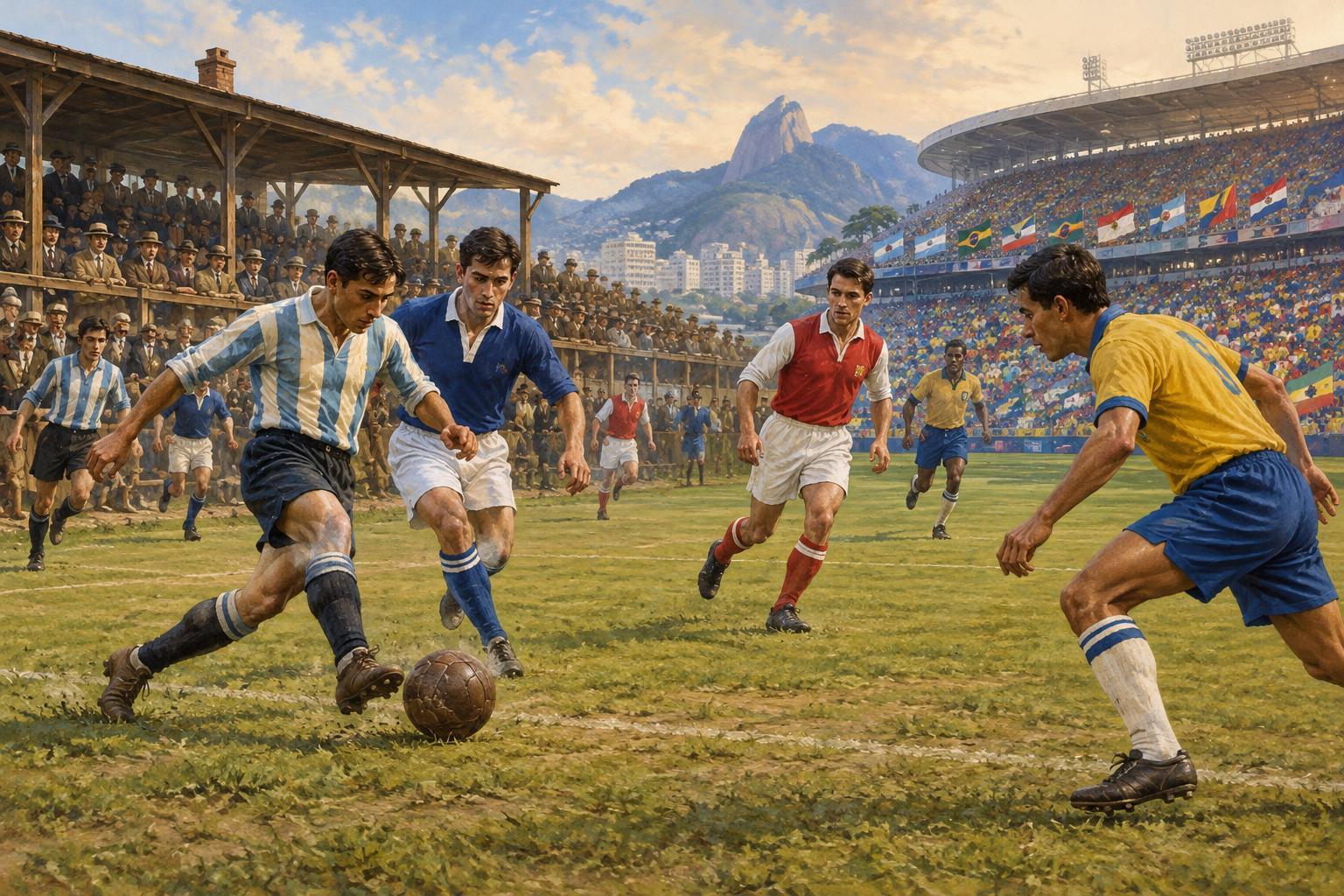
Football HistoryThe Copa América began as a four-team South American tournament in 1916. Its path to becoming a continental championship runs through the founding of CONMEBOL, an expanding field of national teams and changes to the competition’s format.
Read article · 3 min↗
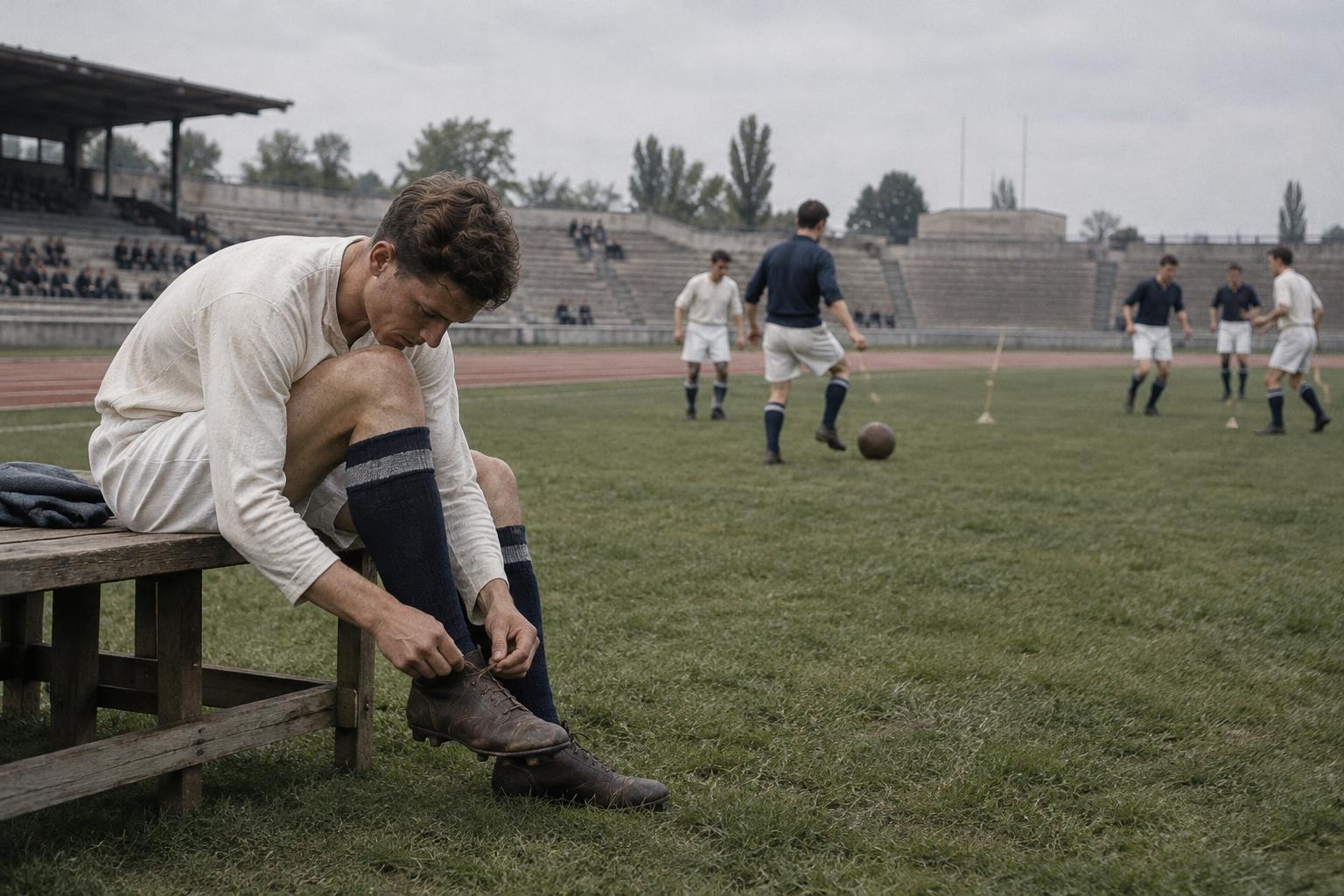
Football HistoryOlympic football was long defined by a question that sounds simple but proved difficult to answer: who counted as an amateur? Eligibility rules affected which players could take part, how nations built their teams, and why the tournament developed a different identity from the World Cup.
Read article · 4 min↗
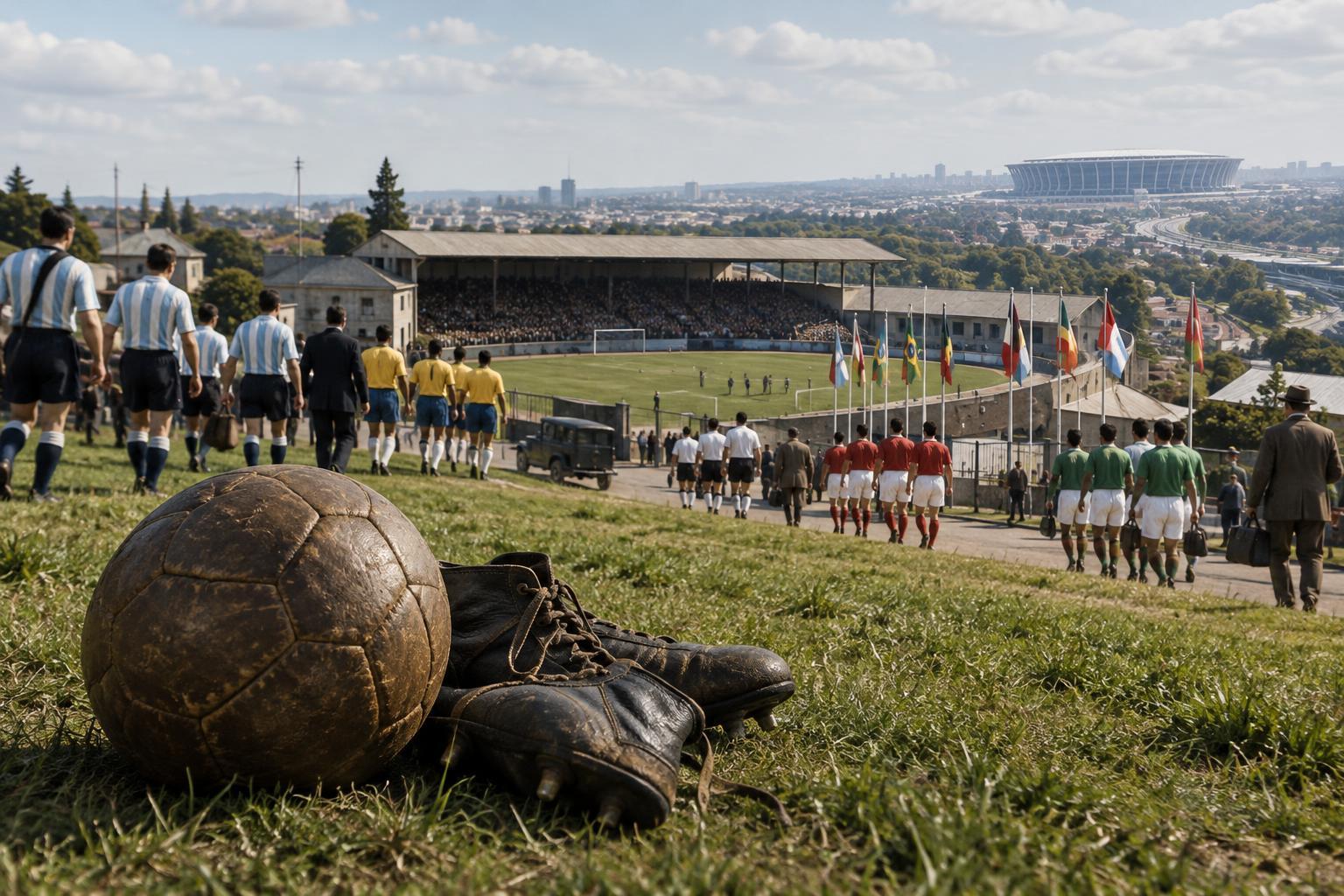
Football HistoryThe men’s FIFA World Cup began in 1930 as a small invitation tournament. Its growth into a global competition reflects changes in travel, qualification, football governance and the number of places available to teams from each region.
Read article · 4 min↗
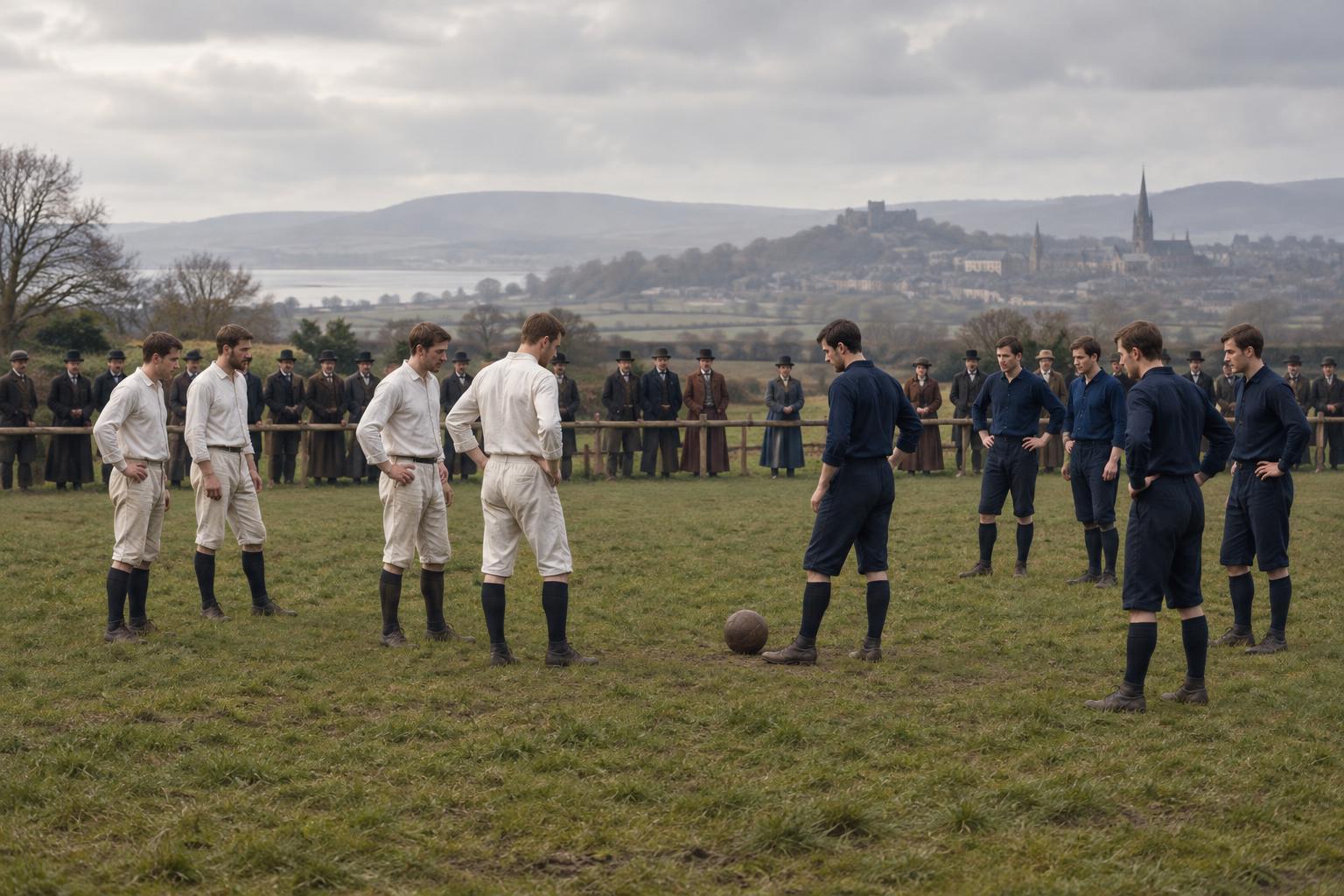
Football HistoryThe earliest England–Scotland matches turned a club-based game into a contest between representative sides. Their lasting influence lies not in one result, but in the habits they established: selecting teams, arranging return fixtures and treating national rivalry as part of football’s appeal.
Read article · 3 min↗
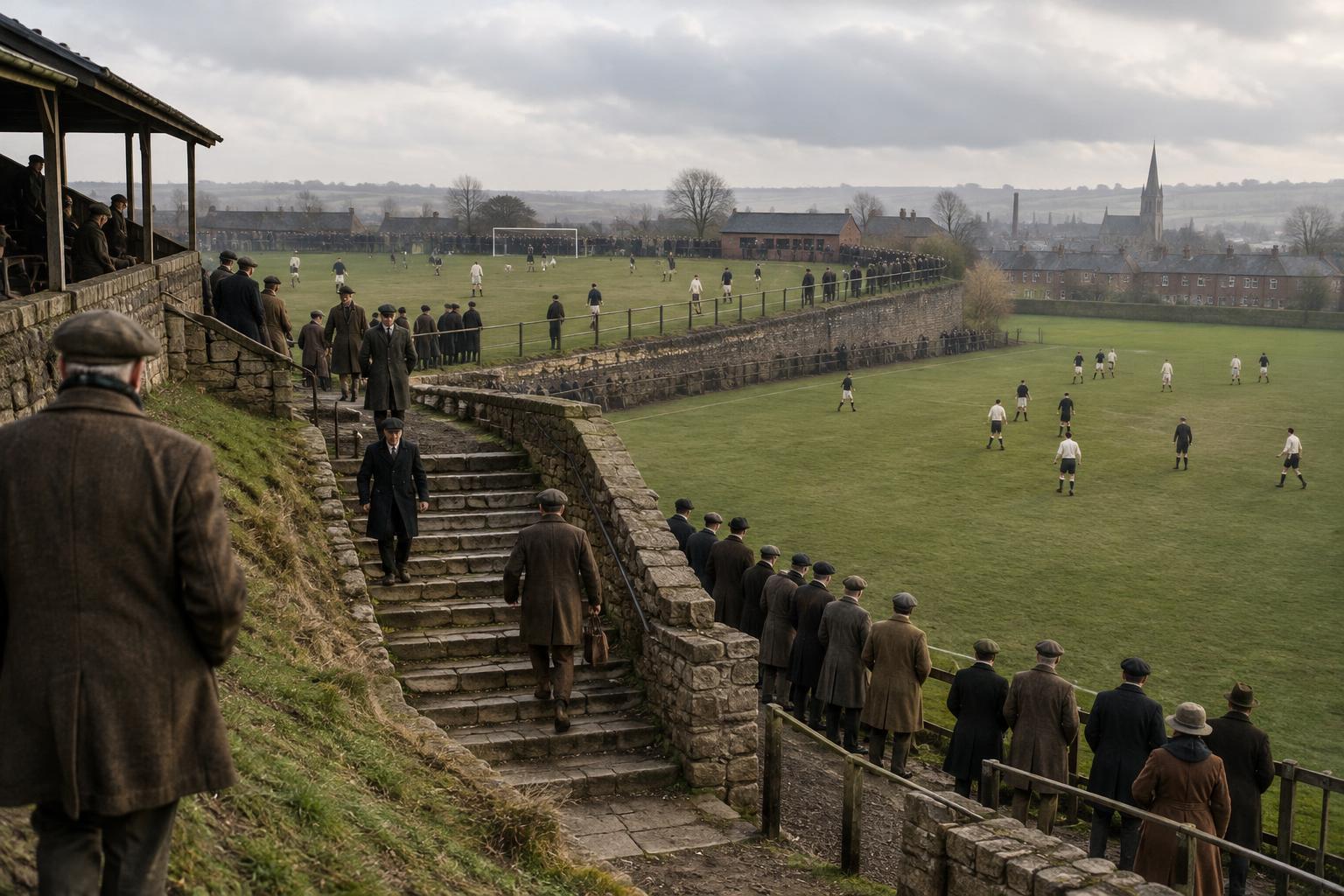
Football HistoryPromotion and relegation can feel inseparable from league football, but the earliest competitions did not have a ladder of divisions. As leagues grew, they developed ways to move clubs between levels. The result changed not only how competitions worked, but what supporters could hope for and fear each season.
Read article · 4 min↗
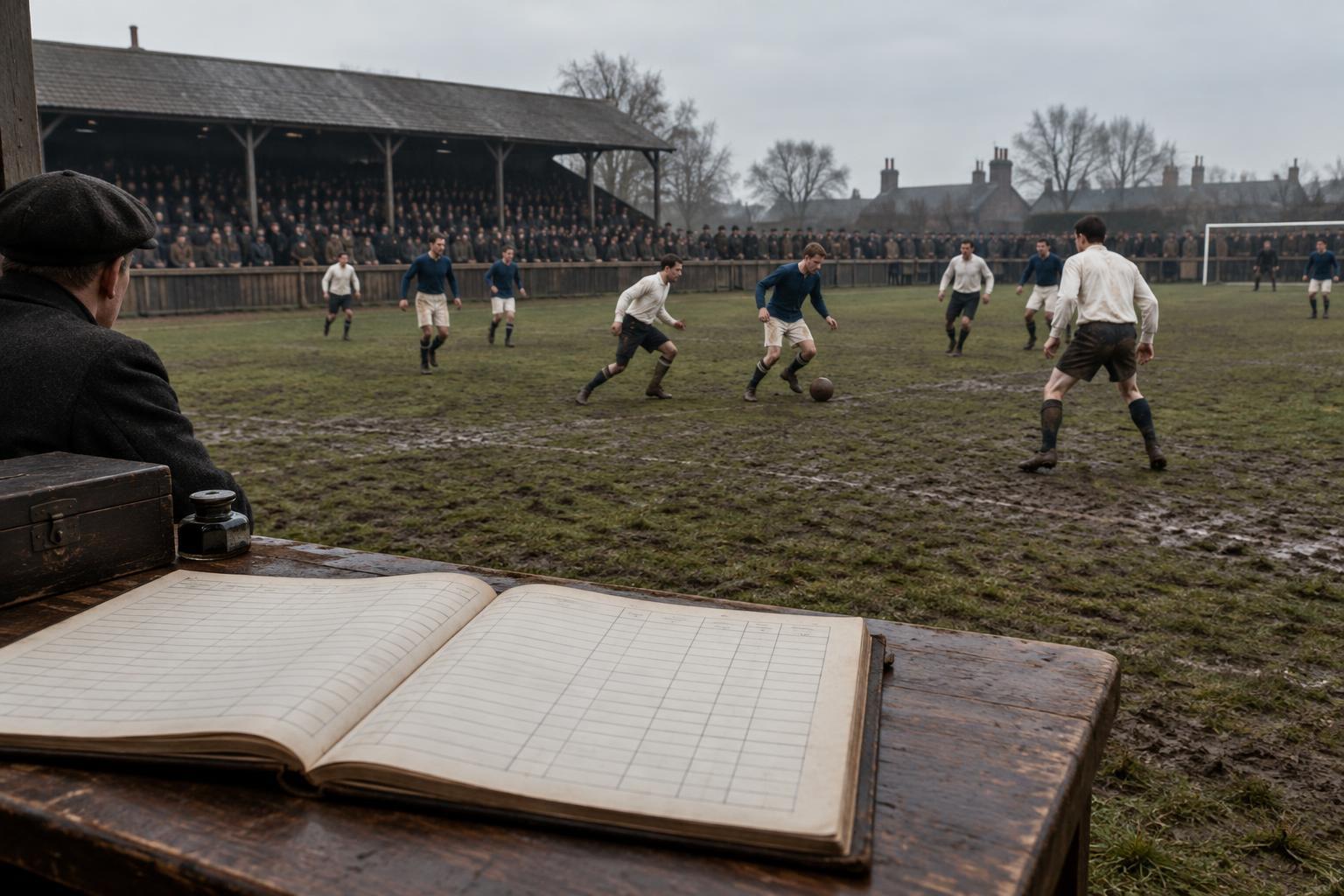
Football HistoryThe Football League’s first season gave clubs a shared schedule and a way to measure success across many matches. Its points table turned individual results into a season-long story, while goal average helped separate teams level on points.
Read article · 3 min↗
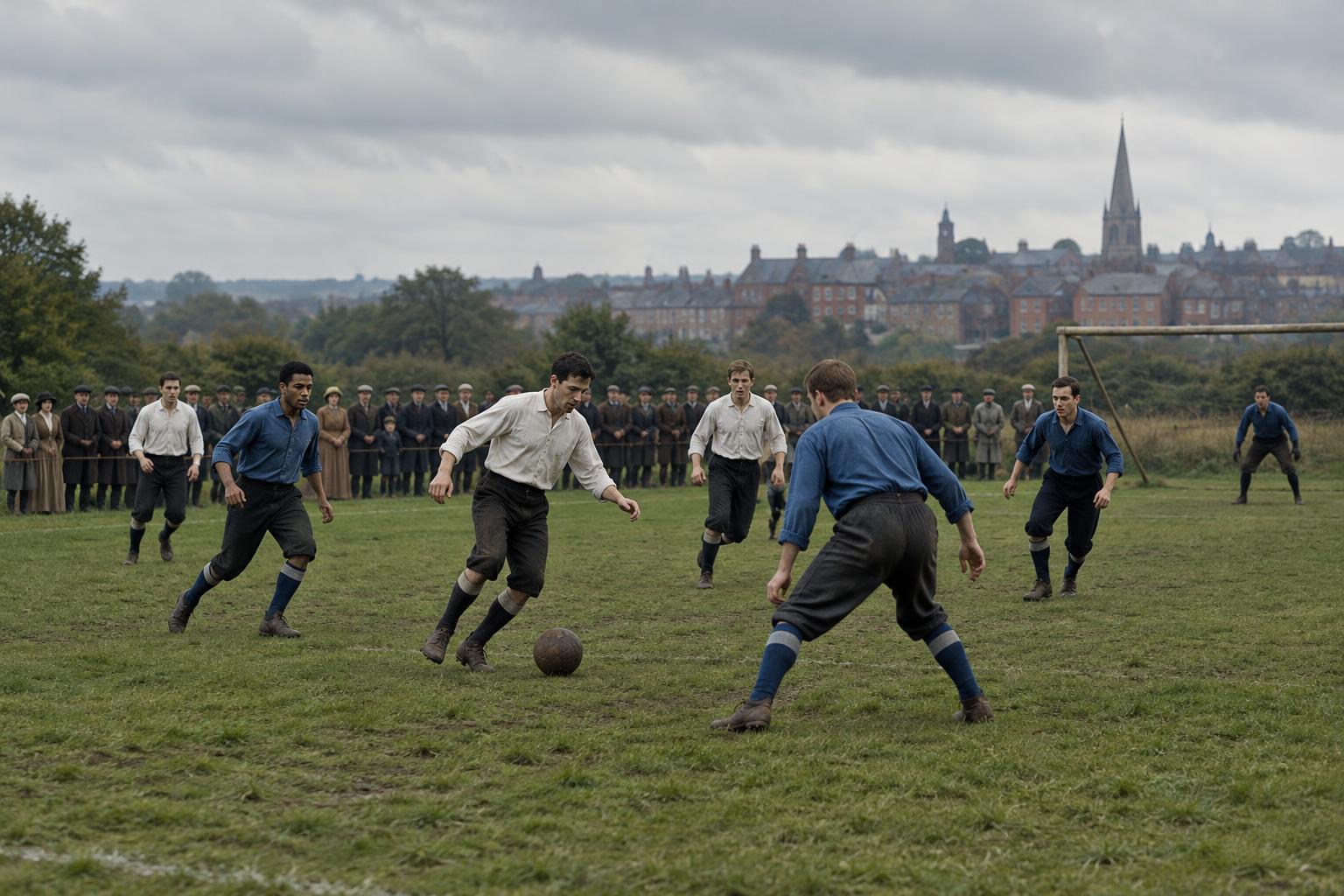
Football HistoryThe FA Cup did not invent the knockout tournament. But its early use of a shared rulebook, open entry and an elimination format showed how clubs from different places could compete for one prize. Its lasting influence lies in both that practical structure and the stories it makes possible.
Read article · 4 min↗
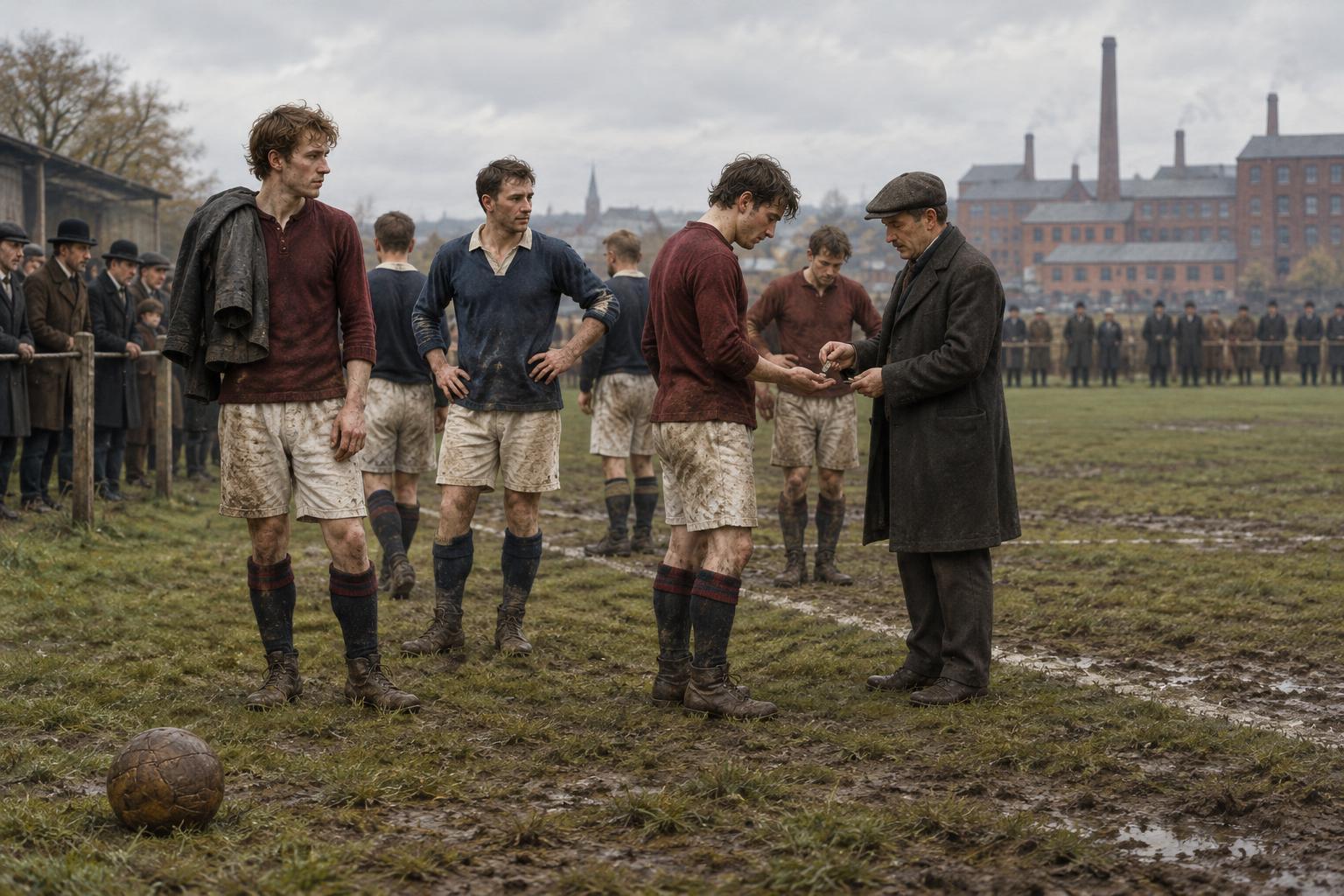
Football HistoryEarly football’s amateur ideal left little room for players who could not afford to miss work. In England, disputes over expenses and wages led to the acceptance of professional players in 1885, helping clubs build more regular teams and competitions.
Read article · 4 min↗
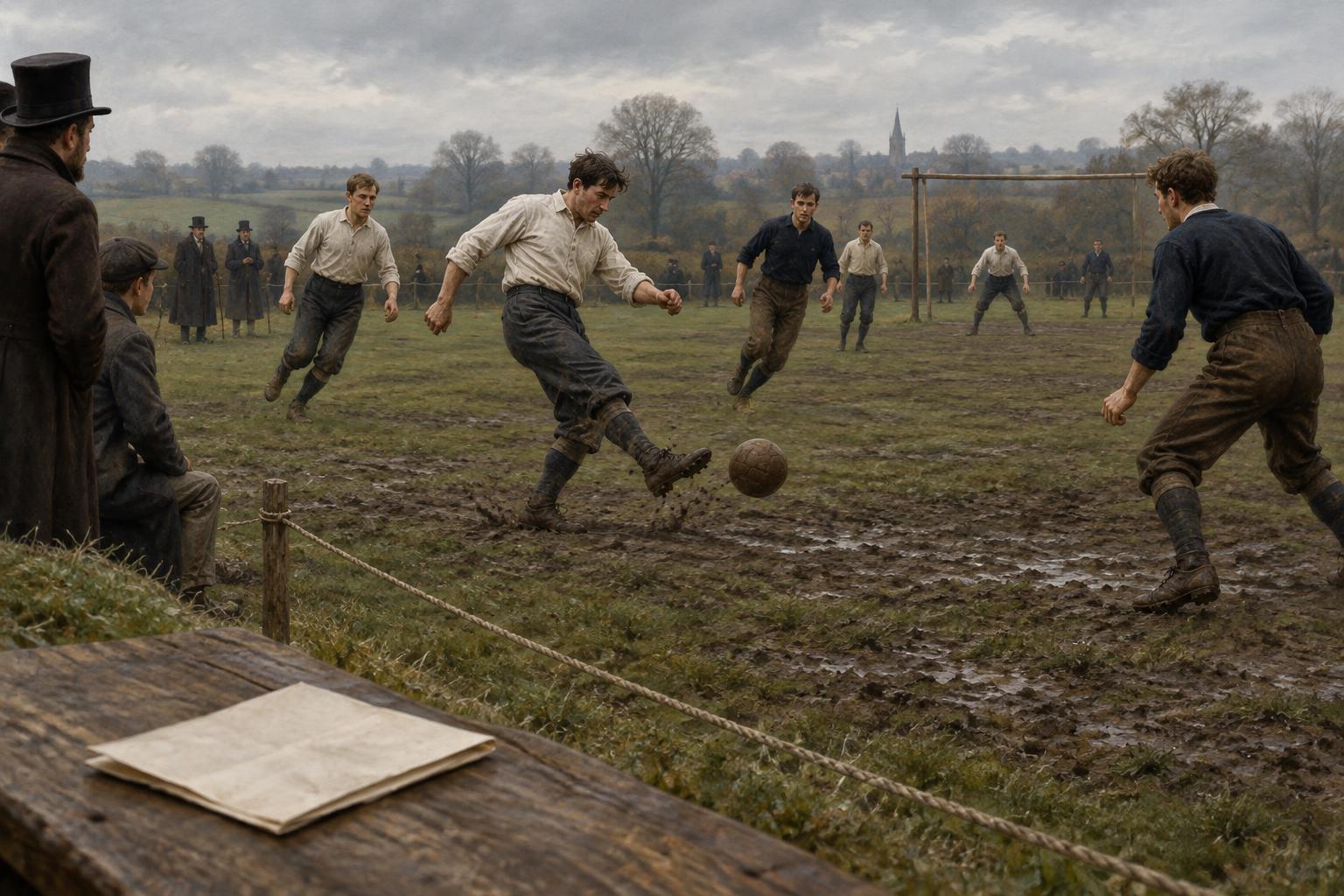
Football HistoryThe Football Association’s 1863 laws did not create football from nothing. They gave clubs a shared framework for a kicking game, while leaving room for rules such as offside, throw-ins and goalkeeping to change. Here is how that early agreement still shapes football.
Read article · 3 min↗
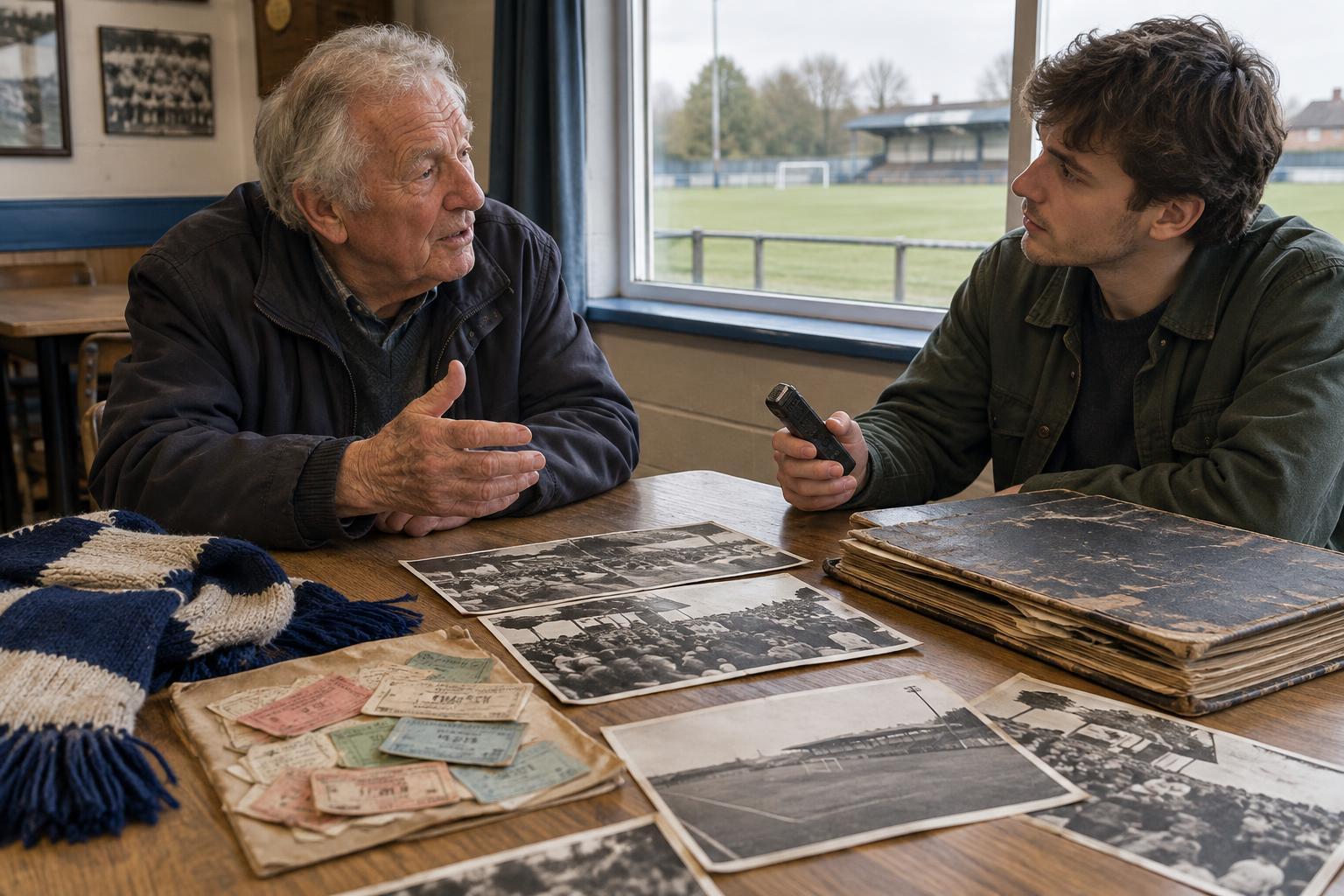
Fan CultureA club’s history lives in more than match reports. Supporters preserve the sounds, routines and relationships around football by recording memories and caring for tickets, photographs and other everyday objects. Here is how a fan-led archive can begin—and how to make it useful to future generations.
Read article · 4 min↗
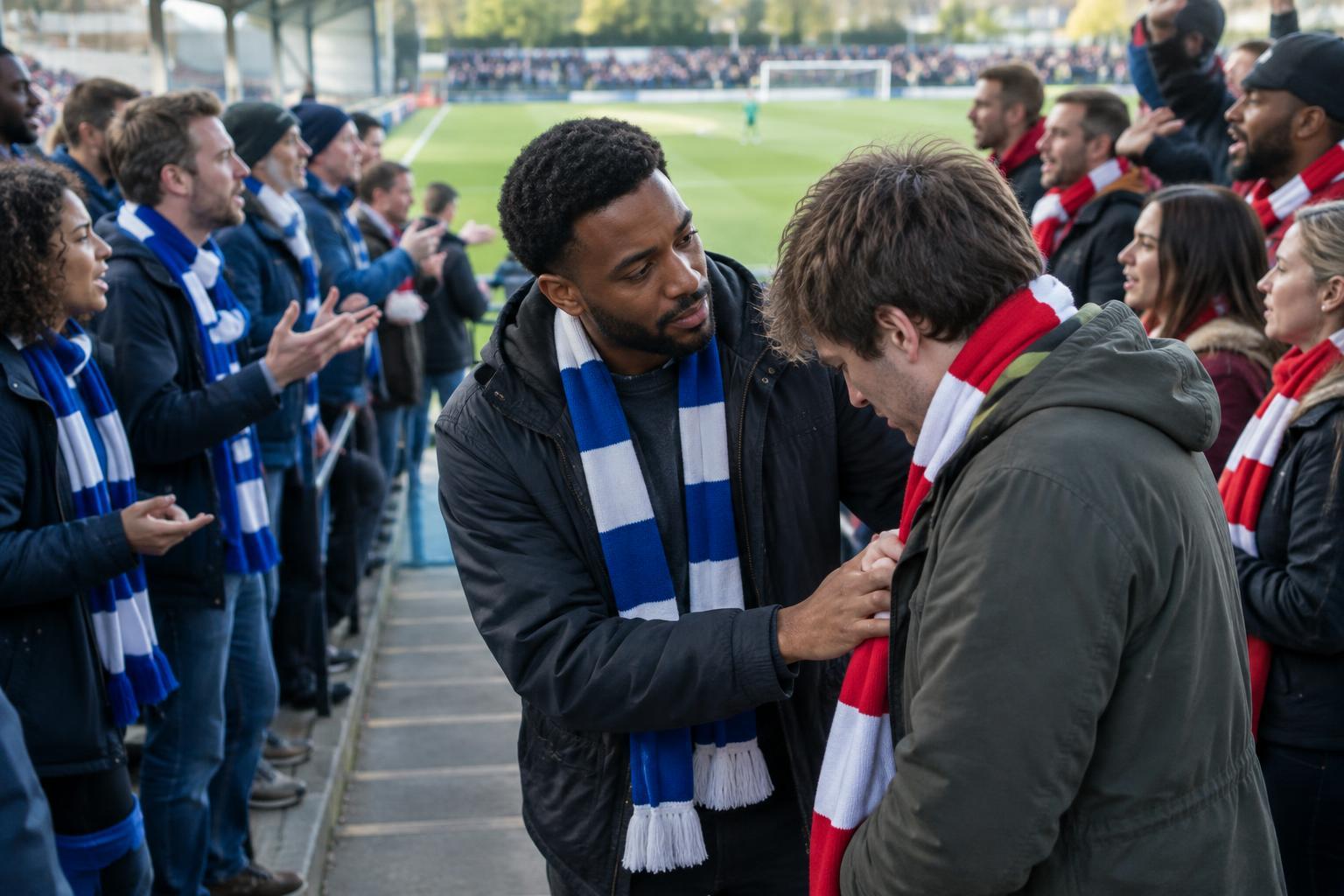
Fan CultureRivalry gives football much of its noise, colour and character. But a chant, joke or online post can stop being part of the contest and start targeting someone’s safety or dignity. Here is a practical guide to recognising the difference and responding without escalating the situation.
Read article · 4 min↗
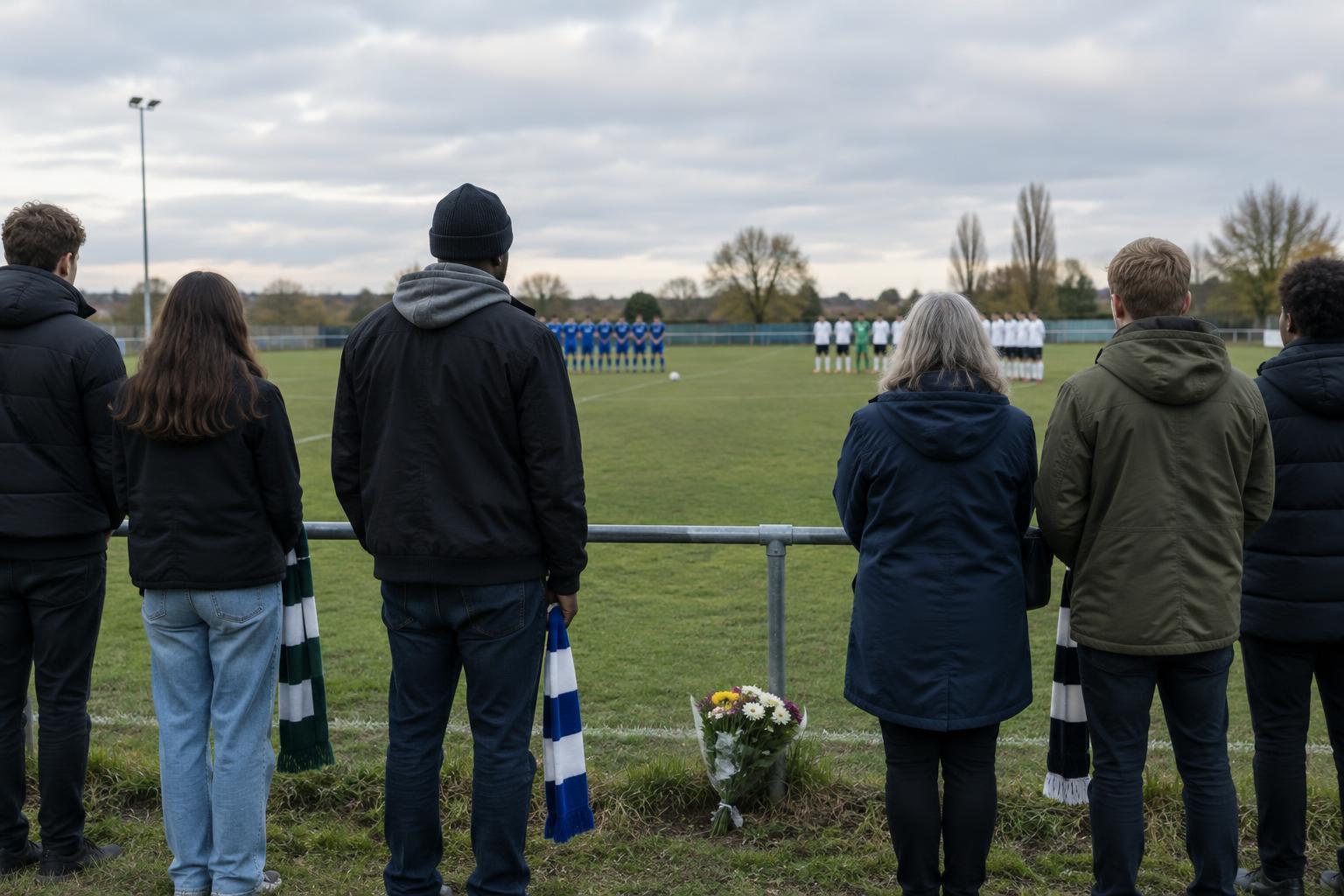
Fan CultureFrom a minute’s silence to a shared song, memorial tributes give football communities space to remember. Learn what common customs mean and how to take part respectfully, whether you are a regular supporter or attending for the first time.
Read article · 4 min↗
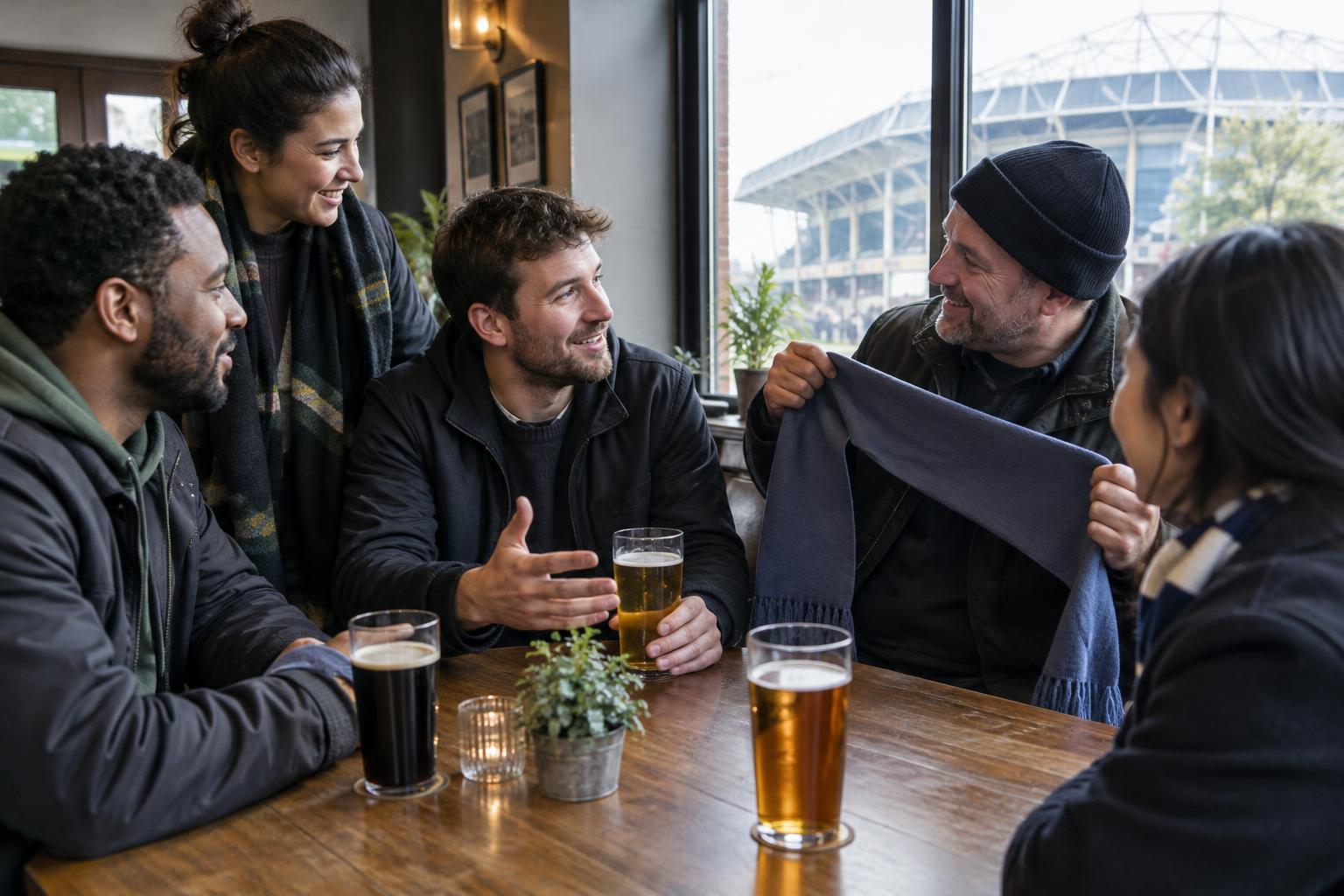
Fan CultureDistance need not make supporting a football club a solitary experience. Learn how to meet fellow supporters, understand matchday traditions and build respectful connections with fans who live near the club.
Read article · 4 min↗
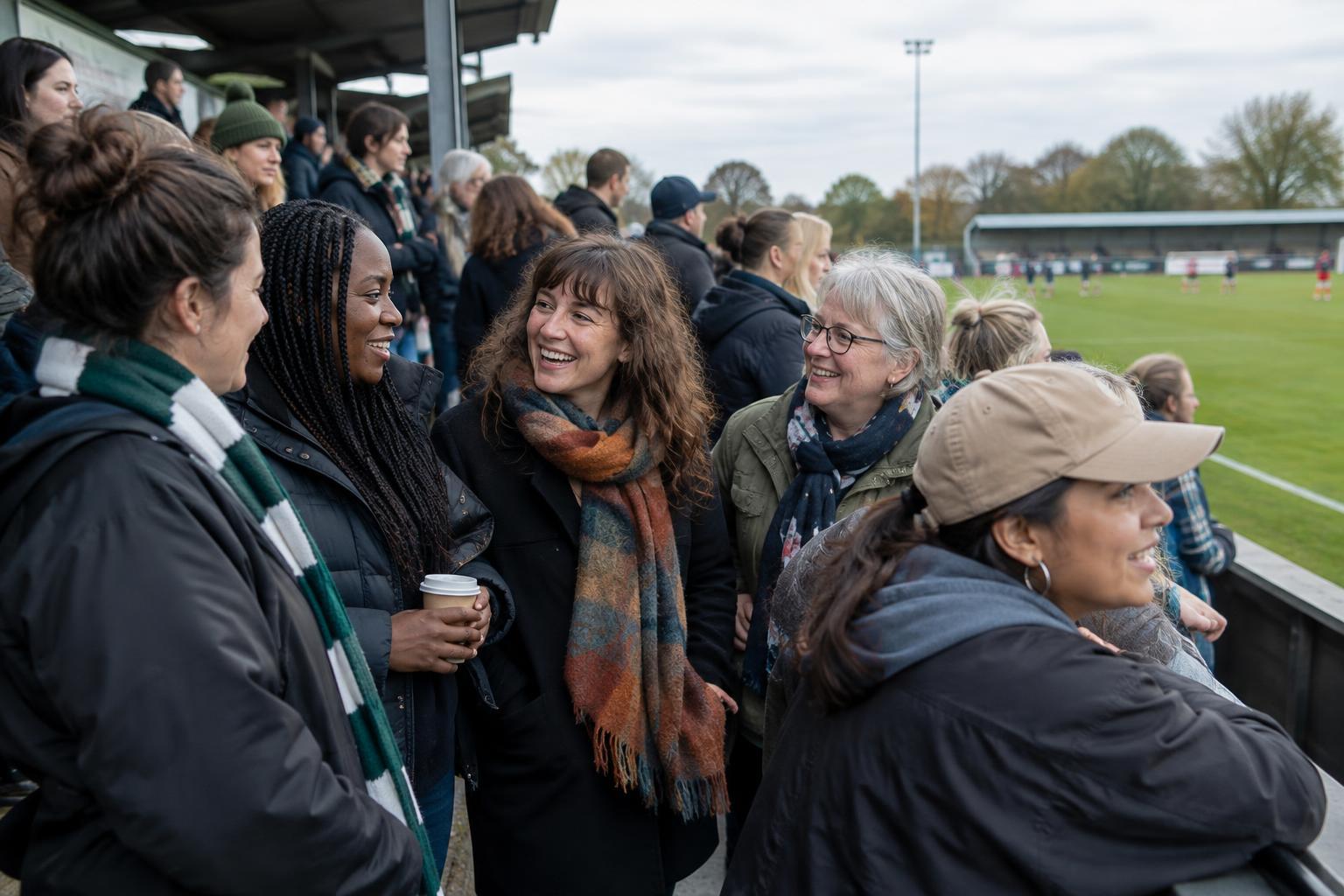
Fan CultureWomen have always been part of football’s supporter culture, yet their presence is sometimes treated as an exception. From matchday friendships to independent fan groups, women create spaces where people can enjoy the game, learn its traditions and question who gets to feel at home.
Read article · 3 min↗

Fan CultureAn accessible matchday is about more than a place to sit. Clear information, workable journeys, suitable facilities, inclusive ways to follow the game and staff who listen all shape whether disabled supporters can enjoy football on their own terms.
Read article · 4 min↗

Fan CultureA child’s first football match is about more than the score. From choosing a suitable game to preparing for noise, queues and the trip home, a little planning can make the day easier for everyone.
Read article · 4 min↗
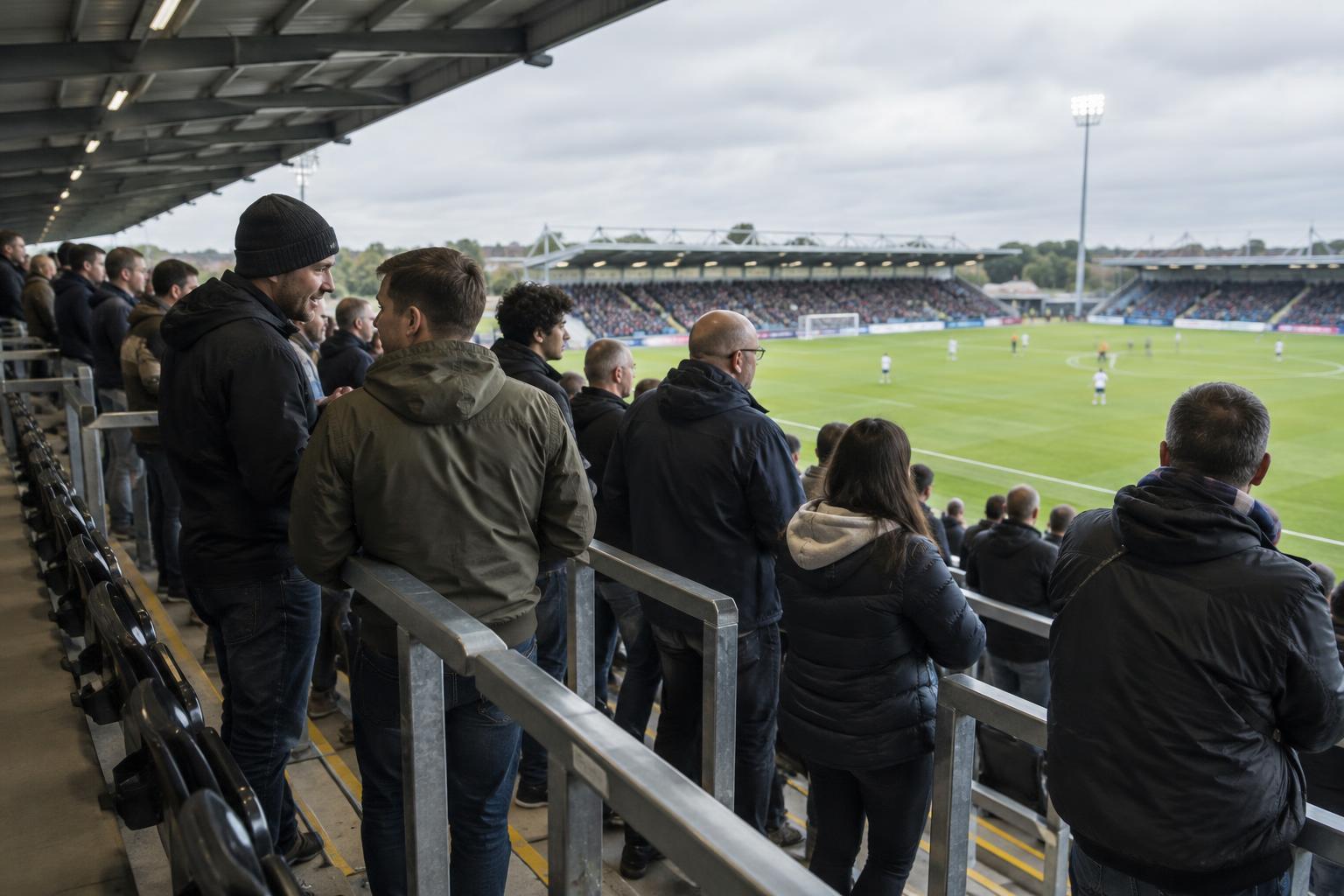
Fan CultureStanding areas can make football feel more communal, but the experience depends on far more than whether a seat is folded away. Here is how terraces and modern safe-standing areas shape atmosphere, sightlines, movement and supporter choice.
Read article · 4 min↗
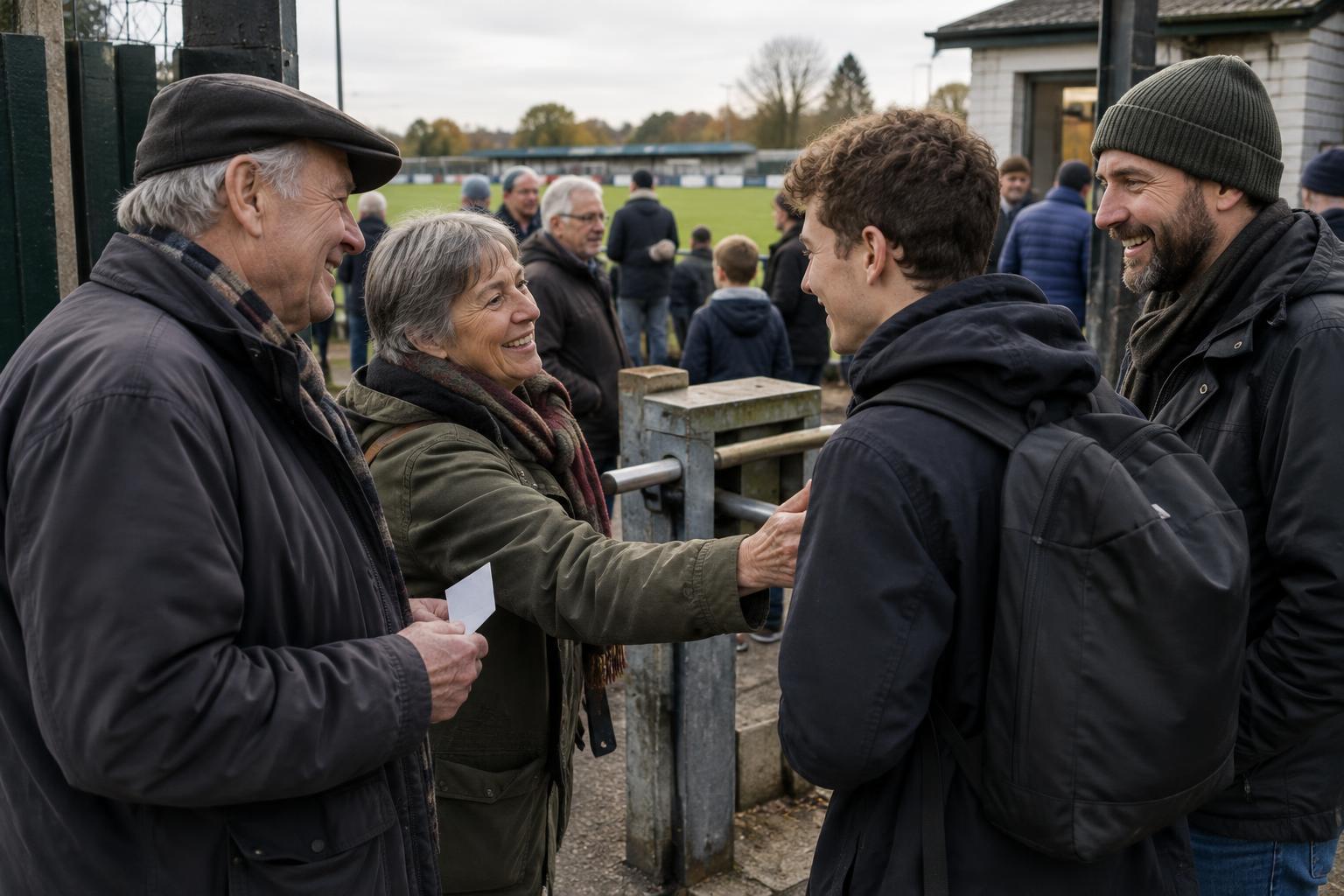
Fan CultureSeason tickets and club memberships do more than organize access to matches. They influence who sees one another each week, how traditions are passed on, and who feels able to take part. Understanding both their benefits and their limits offers a fuller picture of football community.
Read article · 3 min↗

Fan CultureA supporters’ trust gives fans a way to organize beyond matchday. Here is how trusts are run, what owning a stake in a club can mean, and why a voice in decisions is not always the same as control.
Read article · 4 min↗
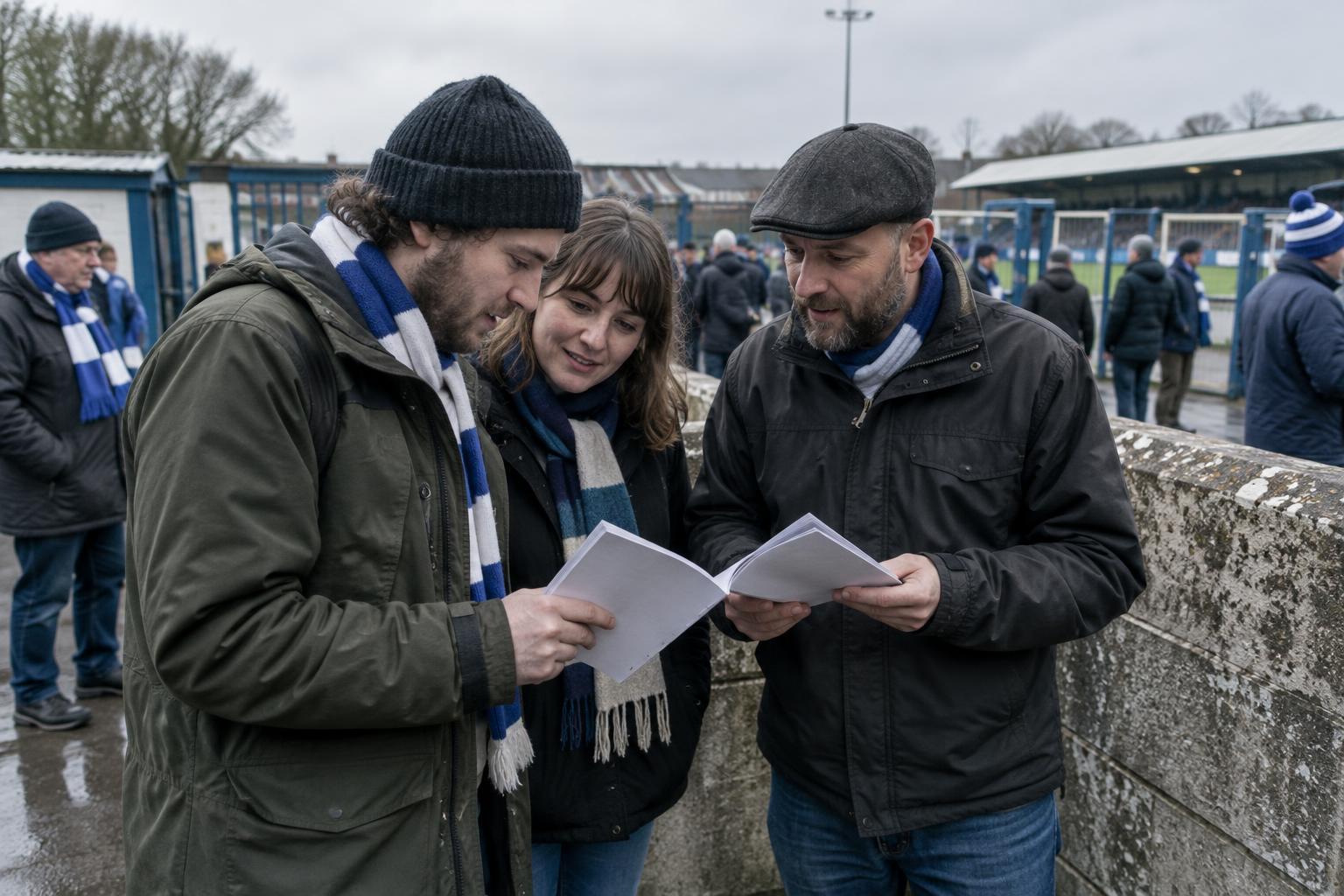
Fan CultureOfficial club media brings supporters close to the team, but a fanzine starts from a different place: the stands. Its independent voice can make room for criticism, humour, local memory and the everyday experience of following a club.
Read article · 3 min↗
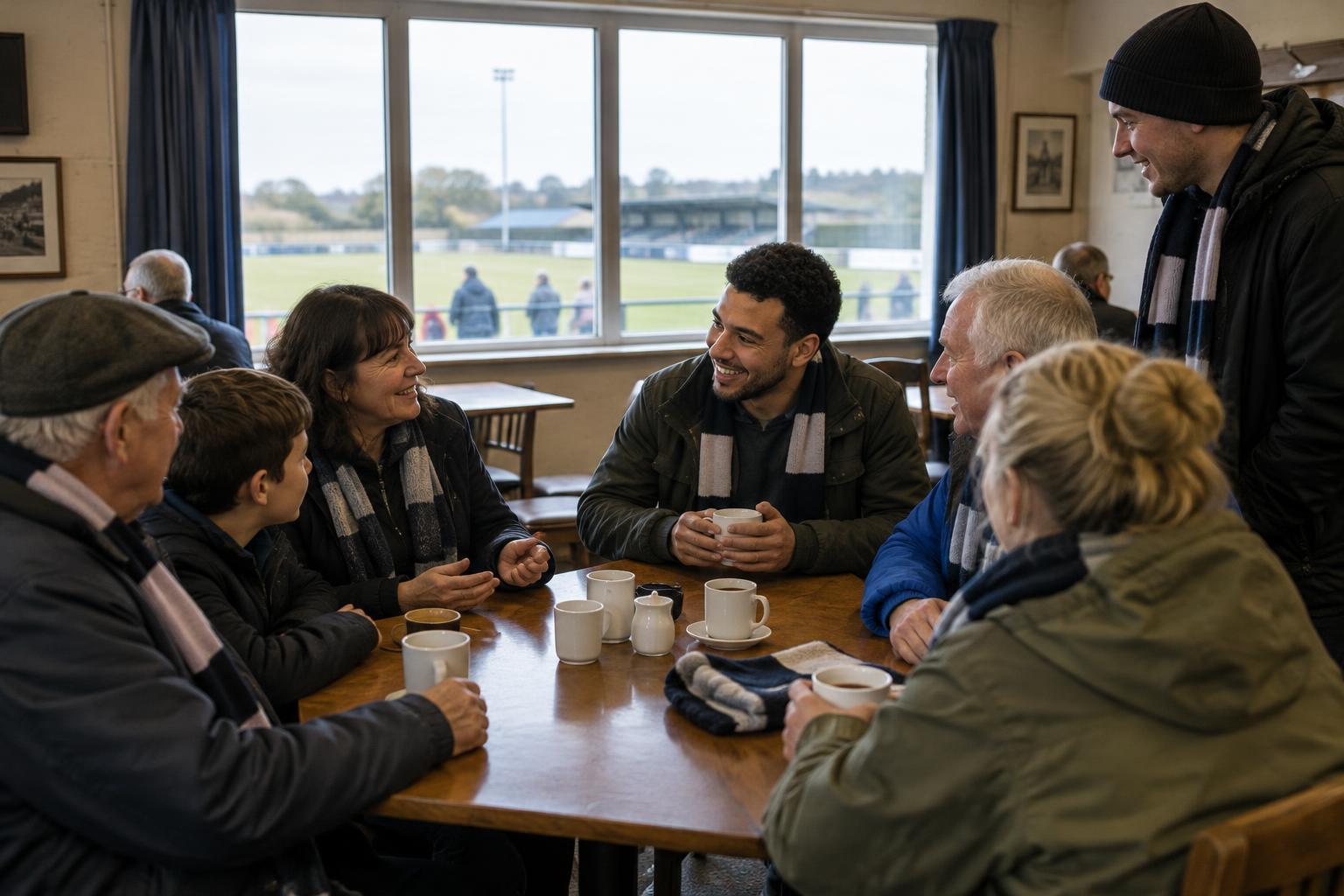
Fan CultureA match is more than the time spent inside a ground. Pubs, cafés, clubhouses and other familiar meeting places give supporters room to share routines, welcome newcomers and keep a sense of community alive between games.
Read article · 3 min↗
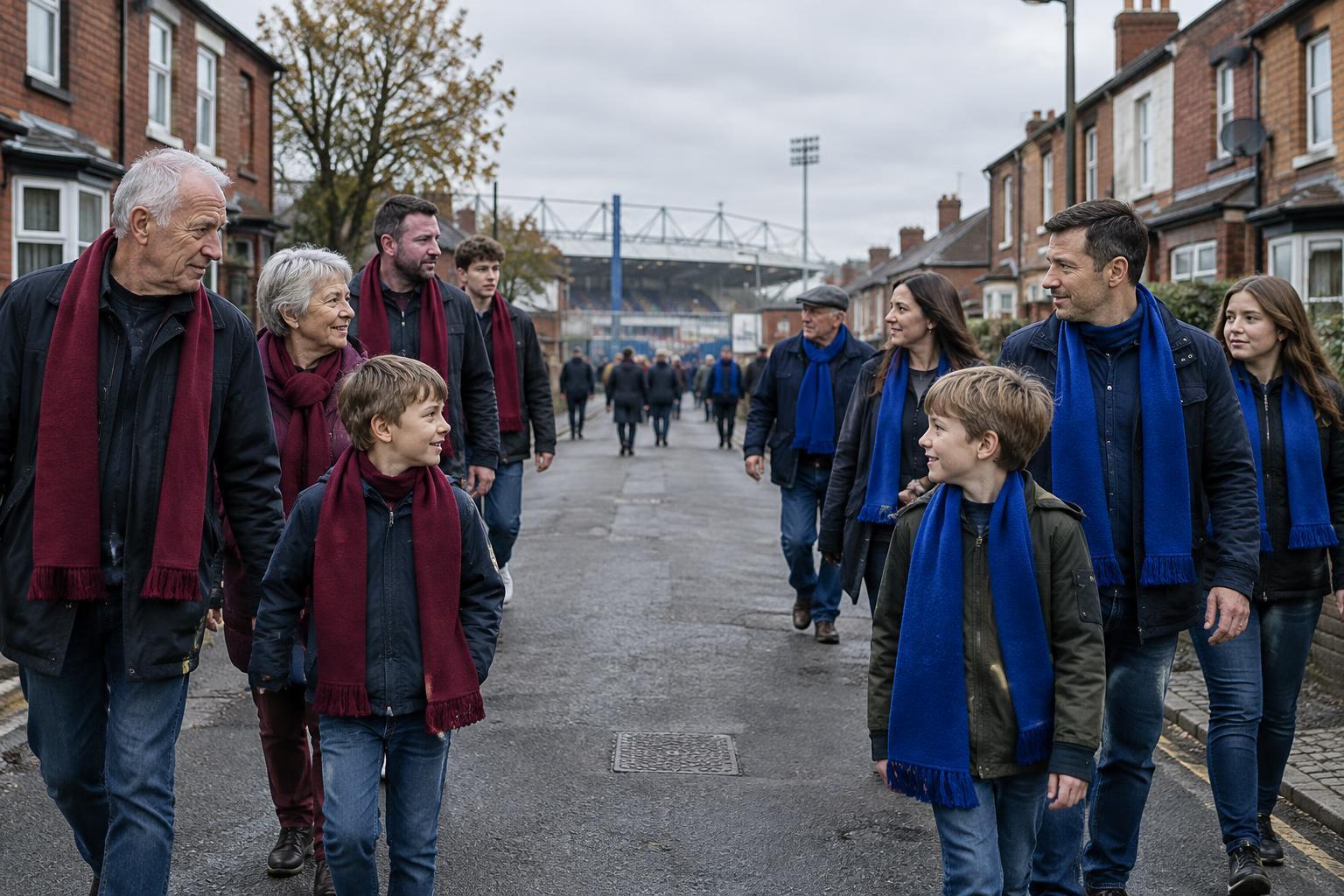
Fan CultureA derby is more than a match between nearby clubs. Shared streets, competing identities, family stories and repeated meetings give these fixtures their meaning. Here is how a local contest becomes a rivalry that lasts across generations.
Read article · 4 min↗

Fan CultureA home supporters’ stand can be one of the most welcoming places to experience football, but its customs may be unfamiliar at first. Here is how to prepare, join in comfortably and respect the people around you.
Read article · 4 min↗
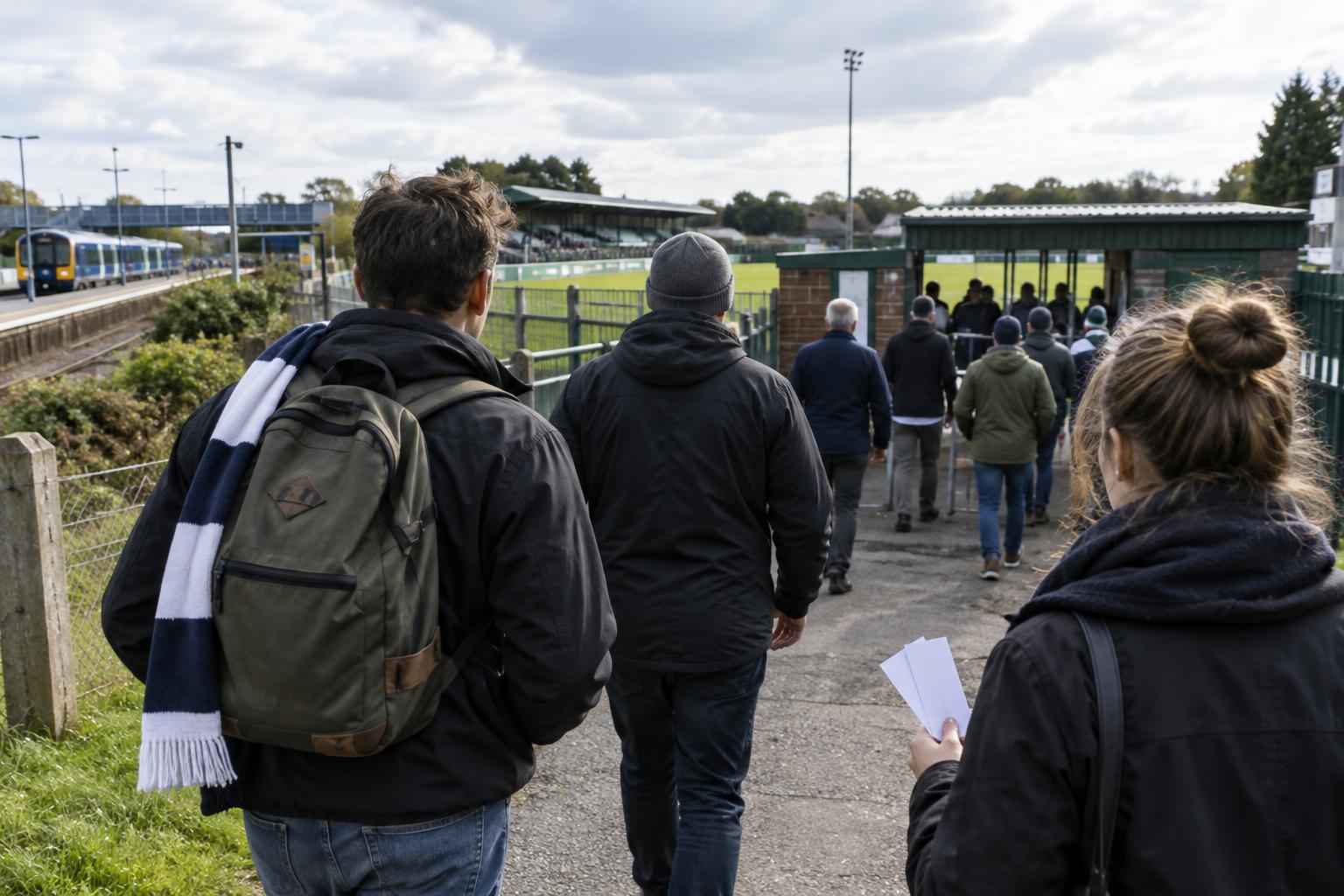
Fan CultureAn away day is more than ninety minutes in another stadium. This guide covers how to check ticket rules, build a realistic travel plan, understand local customs and make the trip enjoyable without losing sight of the match.
Read article · 4 min↗
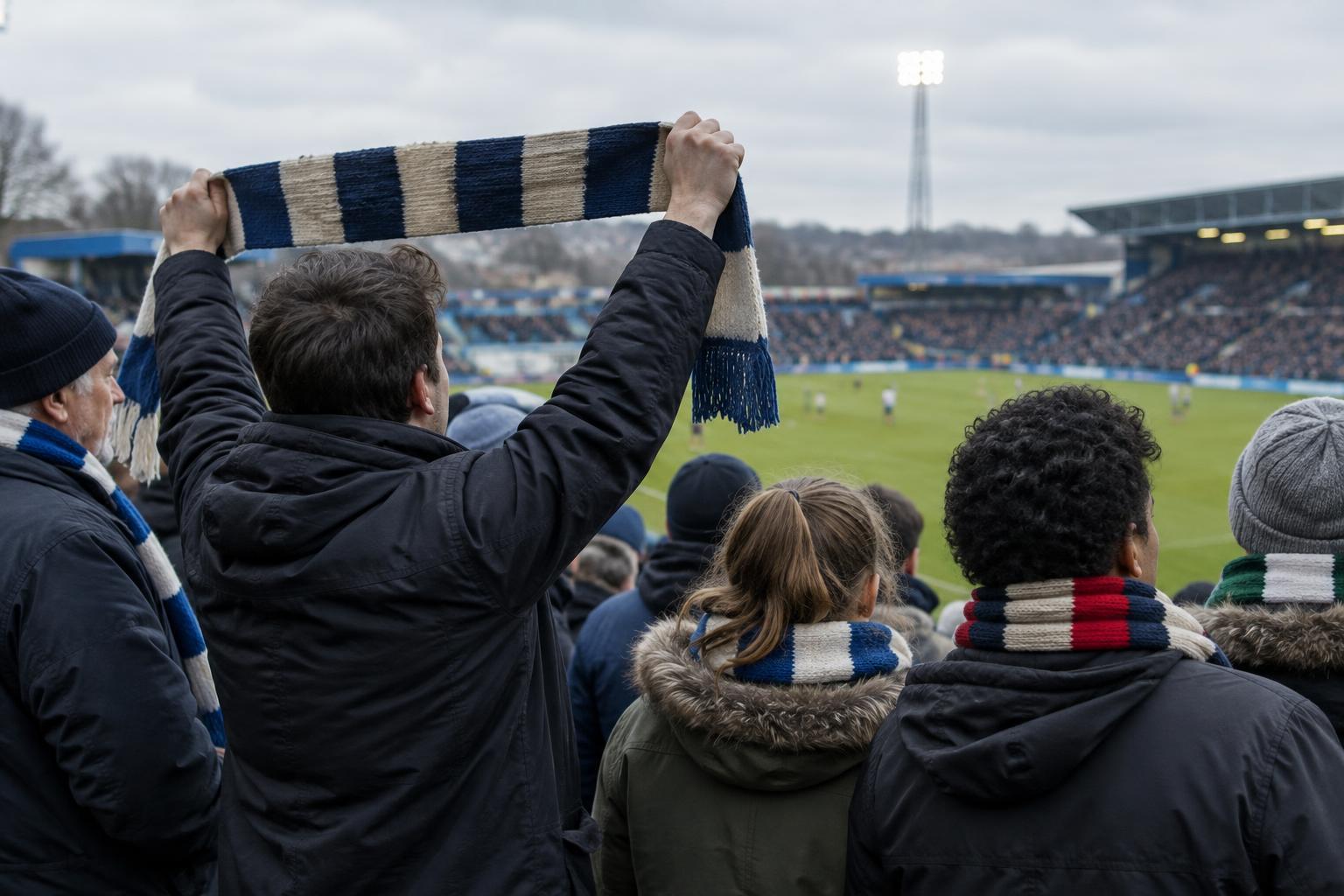
Fan CultureA football scarf can keep out the cold, but its meaning goes further. From shared matchday rituals to memories of particular places and people, scarves give supporters a visible way to express belonging.
Read article · 4 min↗
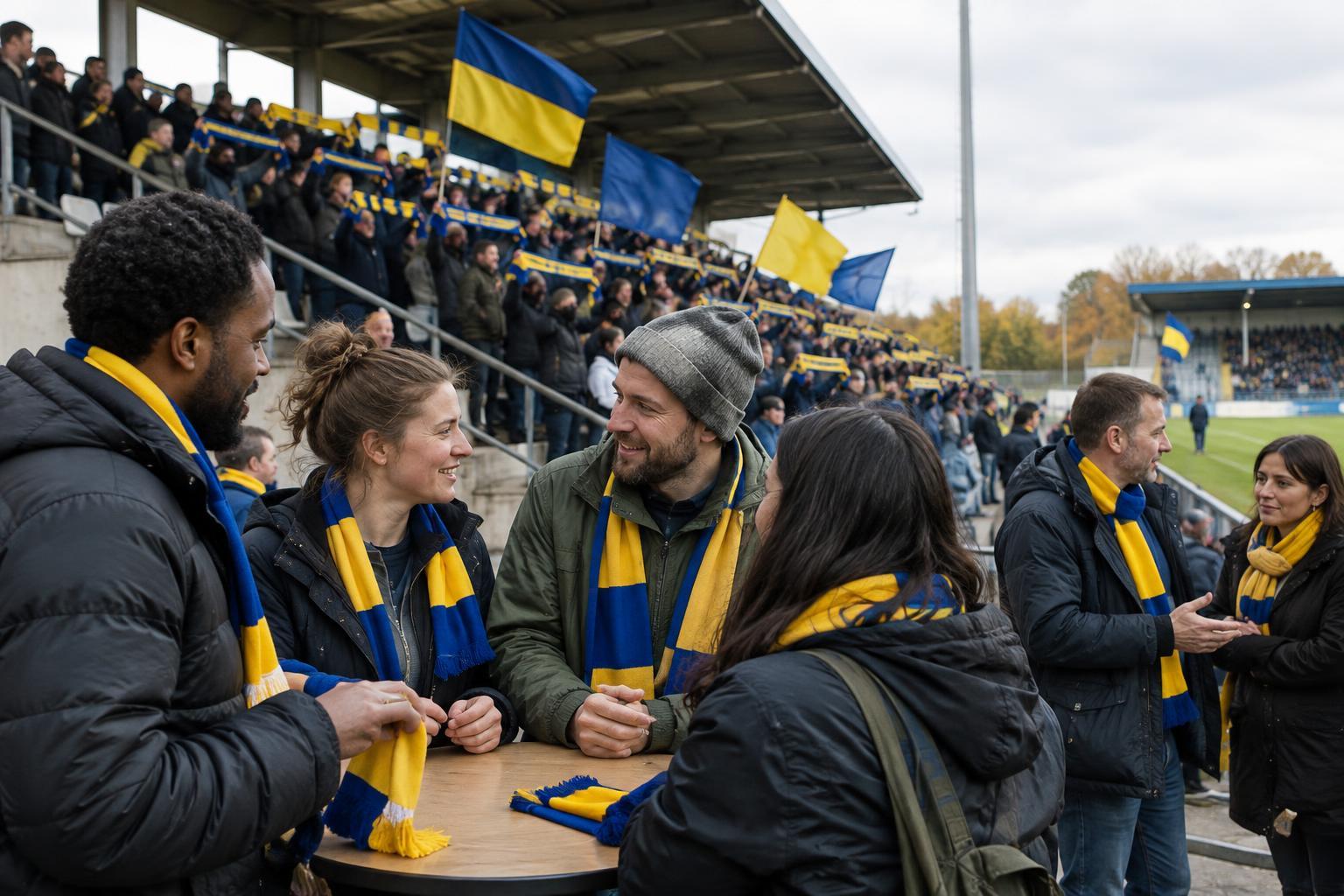
Fan CultureFootball fans organise in many ways, from local supporters’ clubs to ultras groups and associations that represent fans’ interests. The names can overlap, but each usually has a different purpose, relationship with the club and way of participating.
Read article · 4 min↗
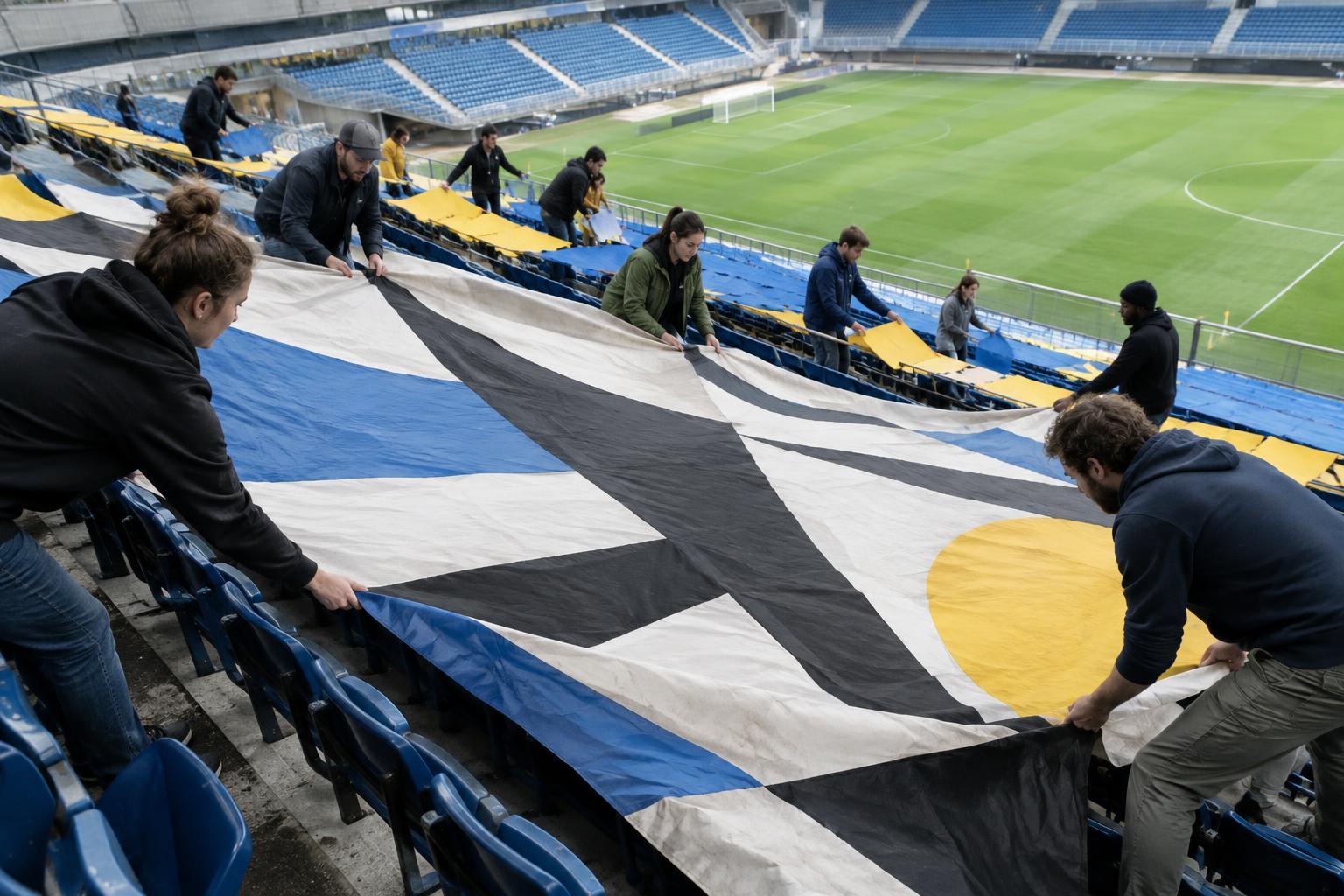
Fan CultureA stadium tifo is more than a large image unveiled before kick-off. It takes a clear idea, patient making, coordination across a stand and an understanding of what the venue allows. Here is how supporters turn a shared message into a display that works on matchday.
Read article · 4 min↗
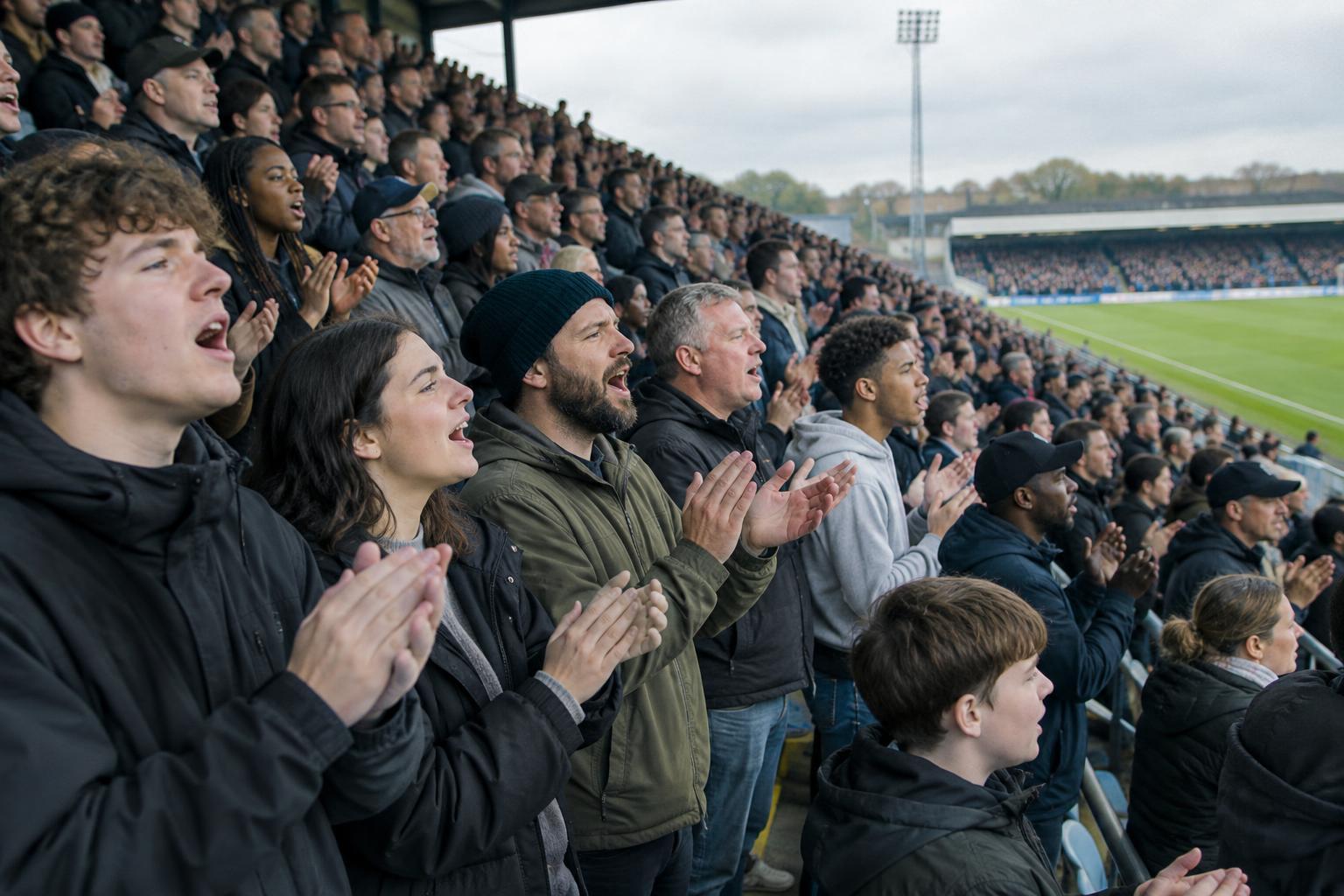
Fan CultureA football chant can begin with a familiar tune, a shared joke or a response to something on the pitch. Its journey through the stands depends on rhythm, repetition and whether other supporters want to make it their own.
Read article · 3 min↗
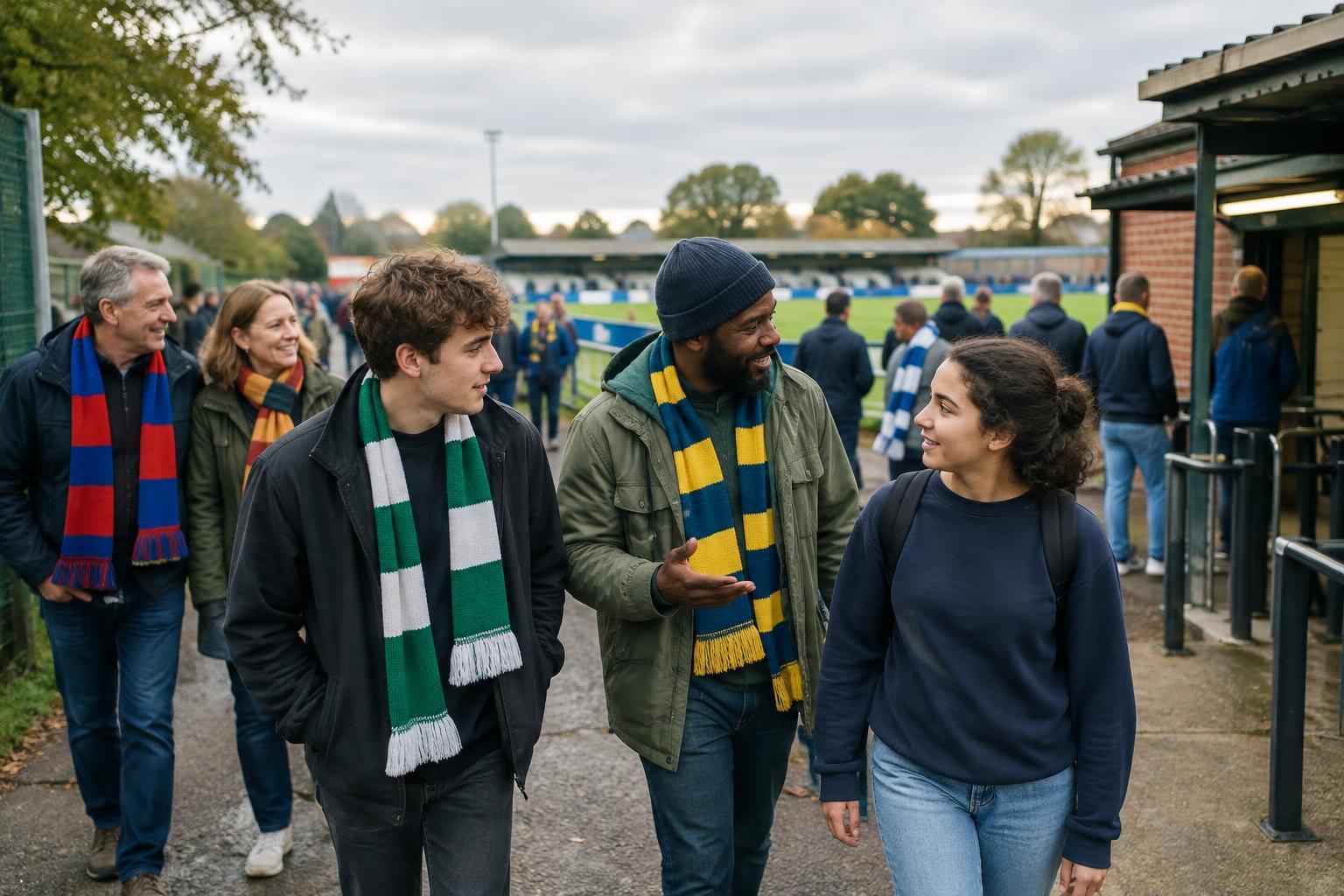
Fan CultureFrom the journey to the ground to the walk home, matchday is shaped by habits that supporters share and make their own. This guide explains common rituals, why they matter, and how to join in without feeling you must know every word or custom.
Read article · 4 min↗