
Football HistorySubstitutions began as a way to deal with a player who could not continue. As competitions allowed more replacements, the bench became part of match planning, changing how teams manage tactics, energy and playing time.
Read article · 4 min↗
Football HistoryAn old scoreline can be easy to find but difficult to verify. This guide explains how to compare contemporary reports with competition records, identify matches precisely, and document uncertainty without turning a provisional result into a settled fact.
Read article · 4 min↗
Football HistoryBefore penalty shootouts became familiar, football relied on extra time, replays and sometimes the drawing of lots to separate teams. Here is how kicks from the penalty mark became a practical, if still controversial, answer.
Read article · 3 min↗
Football HistoryWomen’s domestic leagues did not emerge through one straightforward path. Players, clubs and volunteers built competitions while facing restrictions on facilities, limited funding and uneven recognition. Their history shows how local organising kept the game alive and created the foundations for more established leagues.
Read article · 3 min↗
Football HistoryThe first FIFA Women’s World Cup took place in 1991, but the competition did not begin from nothing. Earlier international tournaments, growing national teams and pressure for recognition helped turn an established women’s game into a global championship.
Read article · 3 min↗
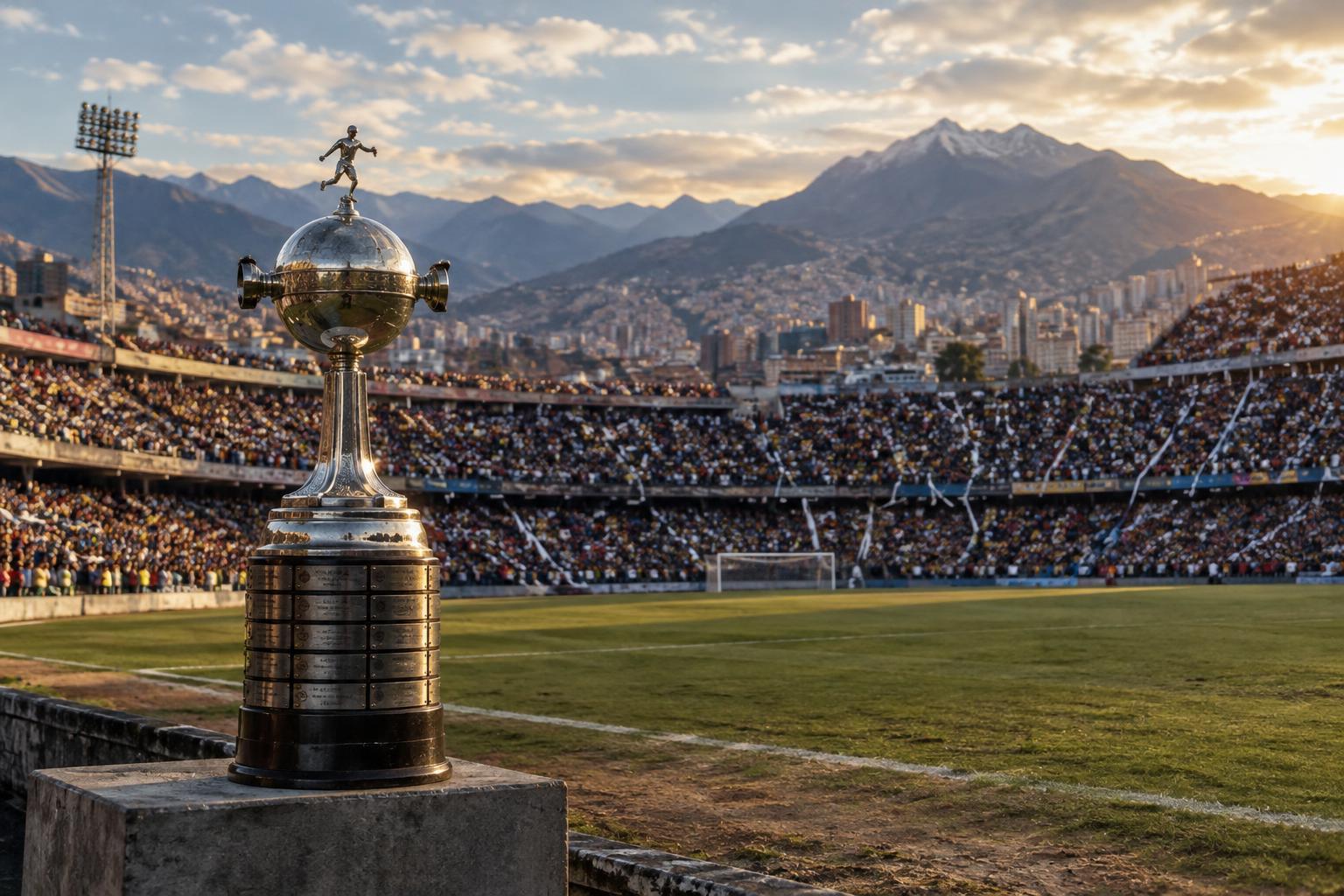
Football HistoryFrom a tournament for national champions to a continent-wide stage, the Copa Libertadores grew through rivalry, demanding travel and the prestige of its winners. Its history helps explain why lifting the trophy means so much to South American clubs and supporters.
Read article · 4 min↗
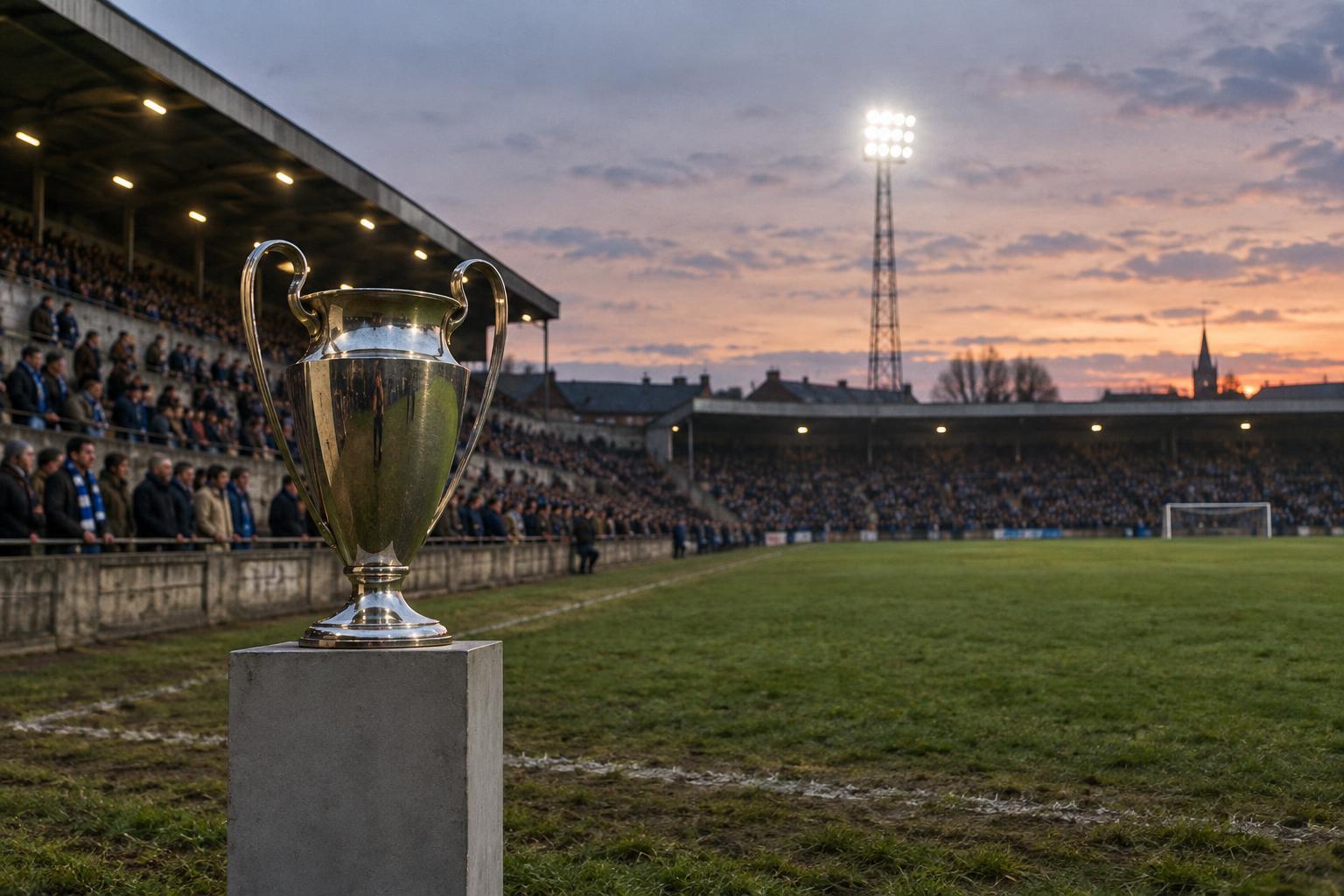
Football HistoryFor nearly four decades, domestic cup winners had a European competition of their own. Here is how the Cup Winners’ Cup worked, what made it distinctive, and why UEFA retired it in 1999.
Read article · 3 min↗

Football HistoryThe UEFA Cup began as a knockout tournament for clubs that had earned a place in Europe without winning their domestic league. Its later evolution into the Europa League reflects changes in qualification, tournament formats and the wider European football calendar.
Read article · 3 min↗
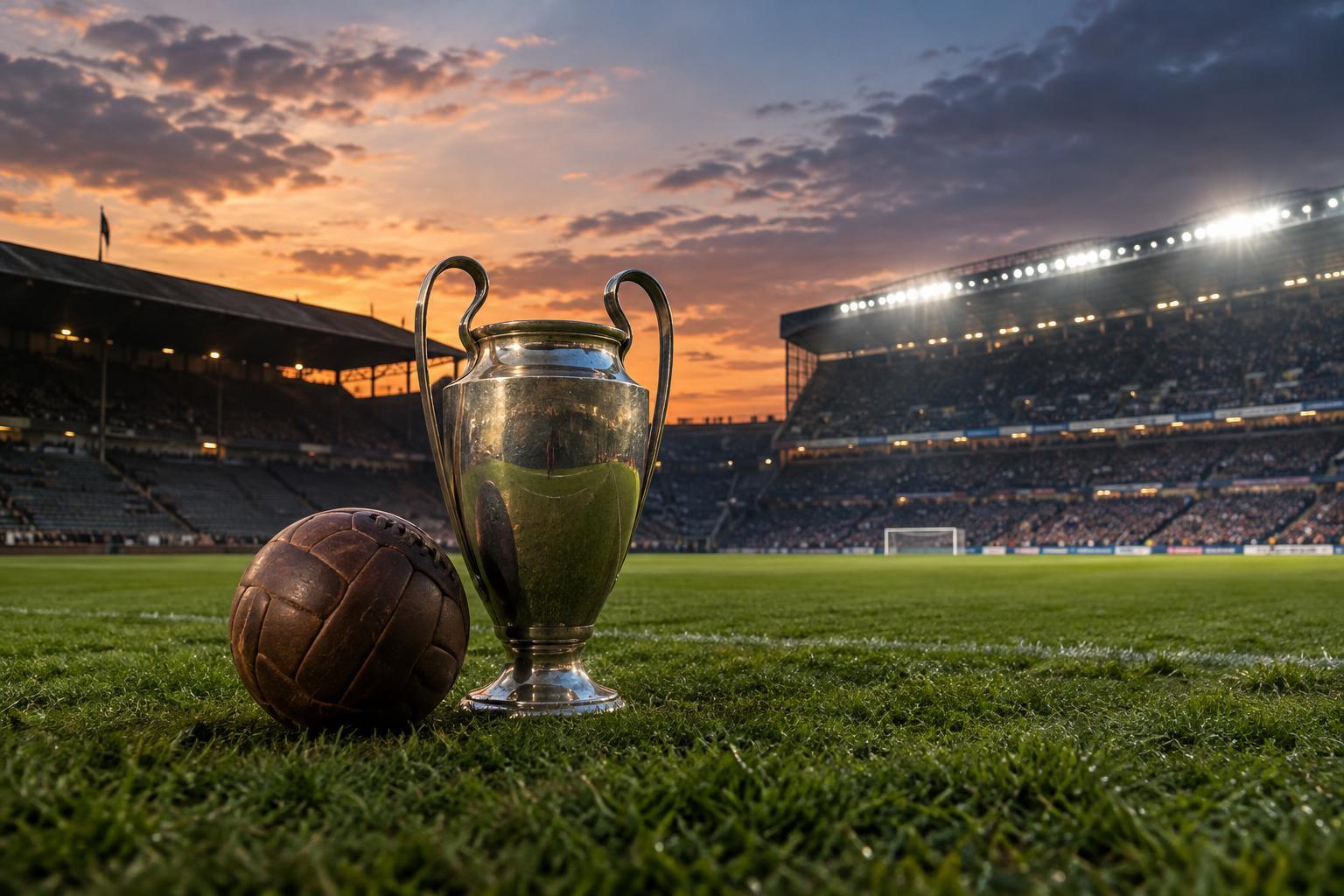
Football HistoryThe European Cup became the Champions League in the early 1990s, but the change was more than a new name. Here is how qualification, the format and the competition’s place in football culture evolved.
Read article · 4 min↗
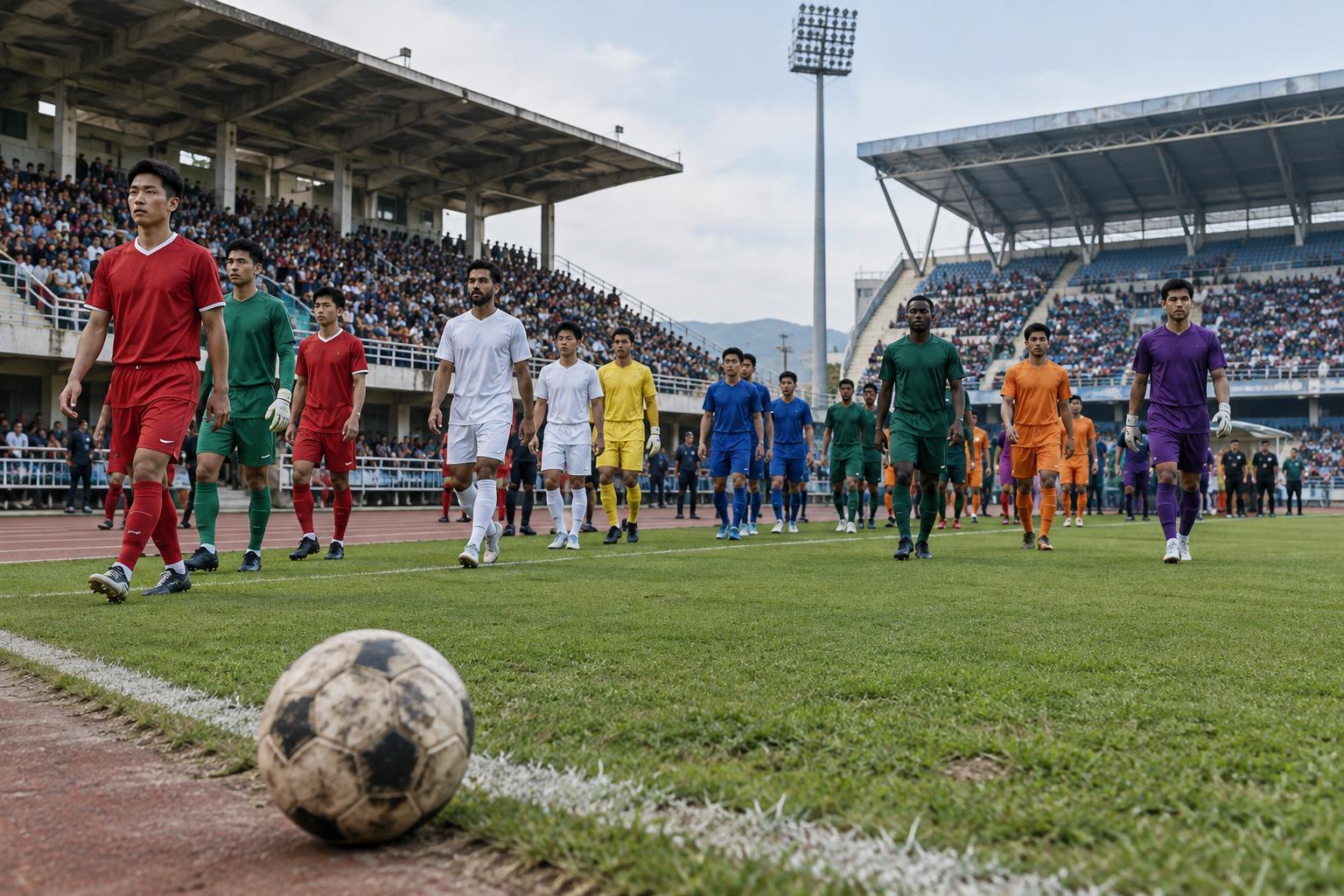
Football HistoryFrom a four-team final tournament to a larger competition spanning a diverse continent, the AFC Asian Cup has changed in format, reach and significance. Its history shows how a continental championship can grow while balancing qualification, travel and national football traditions.
Read article · 4 min↗
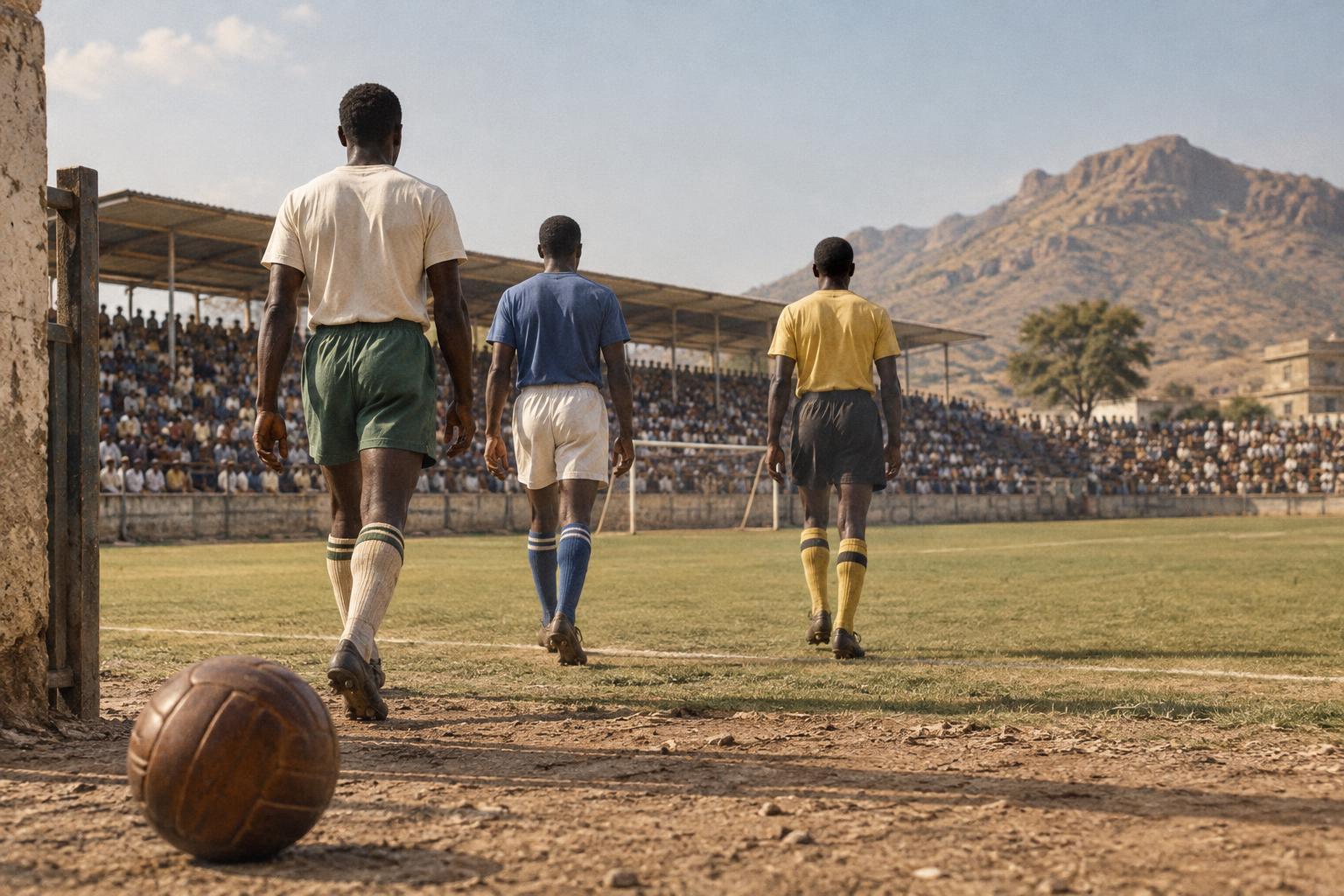
Football HistoryThe Africa Cup of Nations began in 1957 with three teams on the pitch and a larger ambition: a continental competition run by African football associations. Its early history reflects both the growth of the game and the political realities of the era.
Read article · 3 min↗
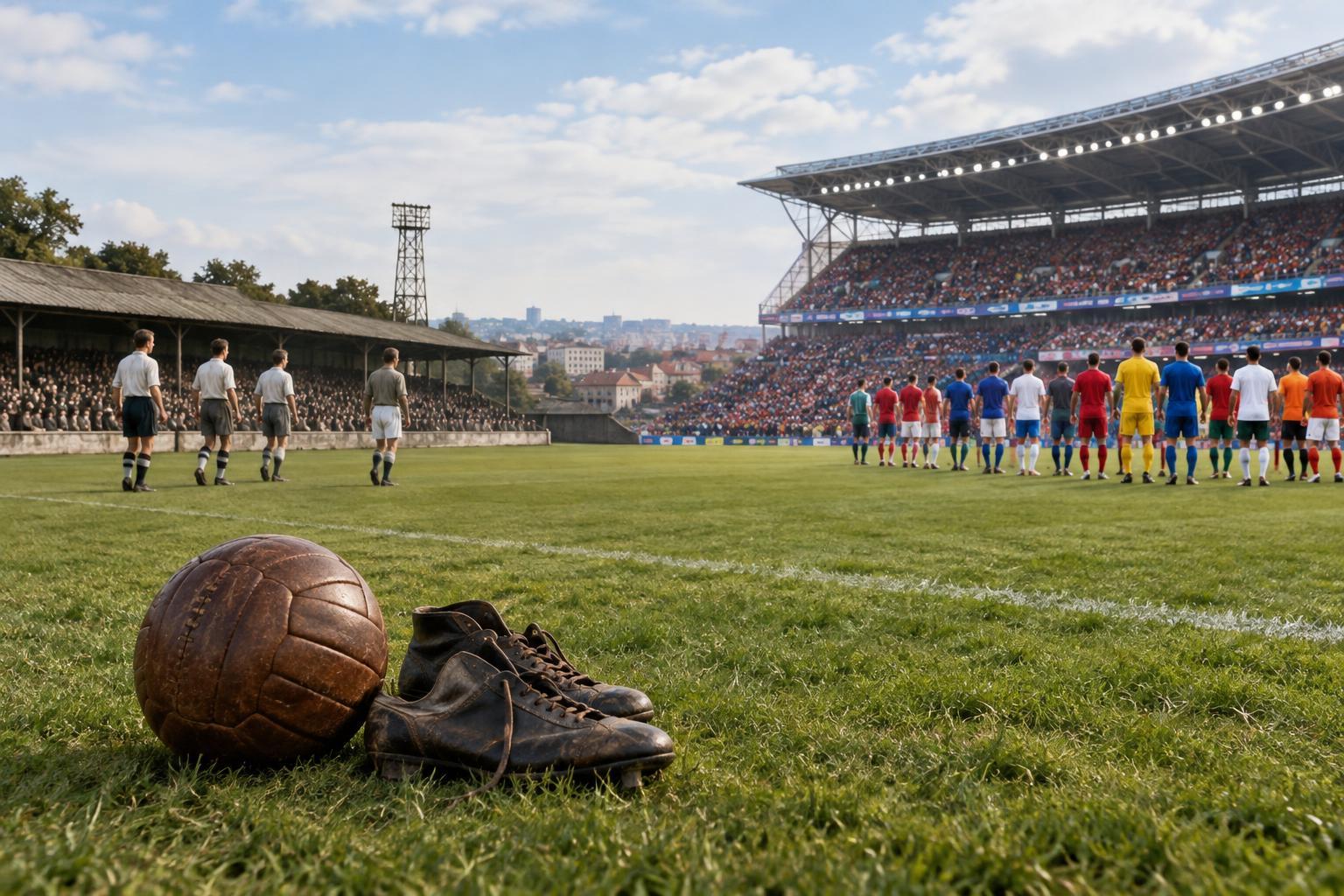
Football HistoryThe European Championship began as a knockout competition with just four teams at its final tournament. Its path to a 24-team event shows how European football changed its approach to qualifying, group play and the balance between inclusion and simplicity.
Read article · 4 min↗
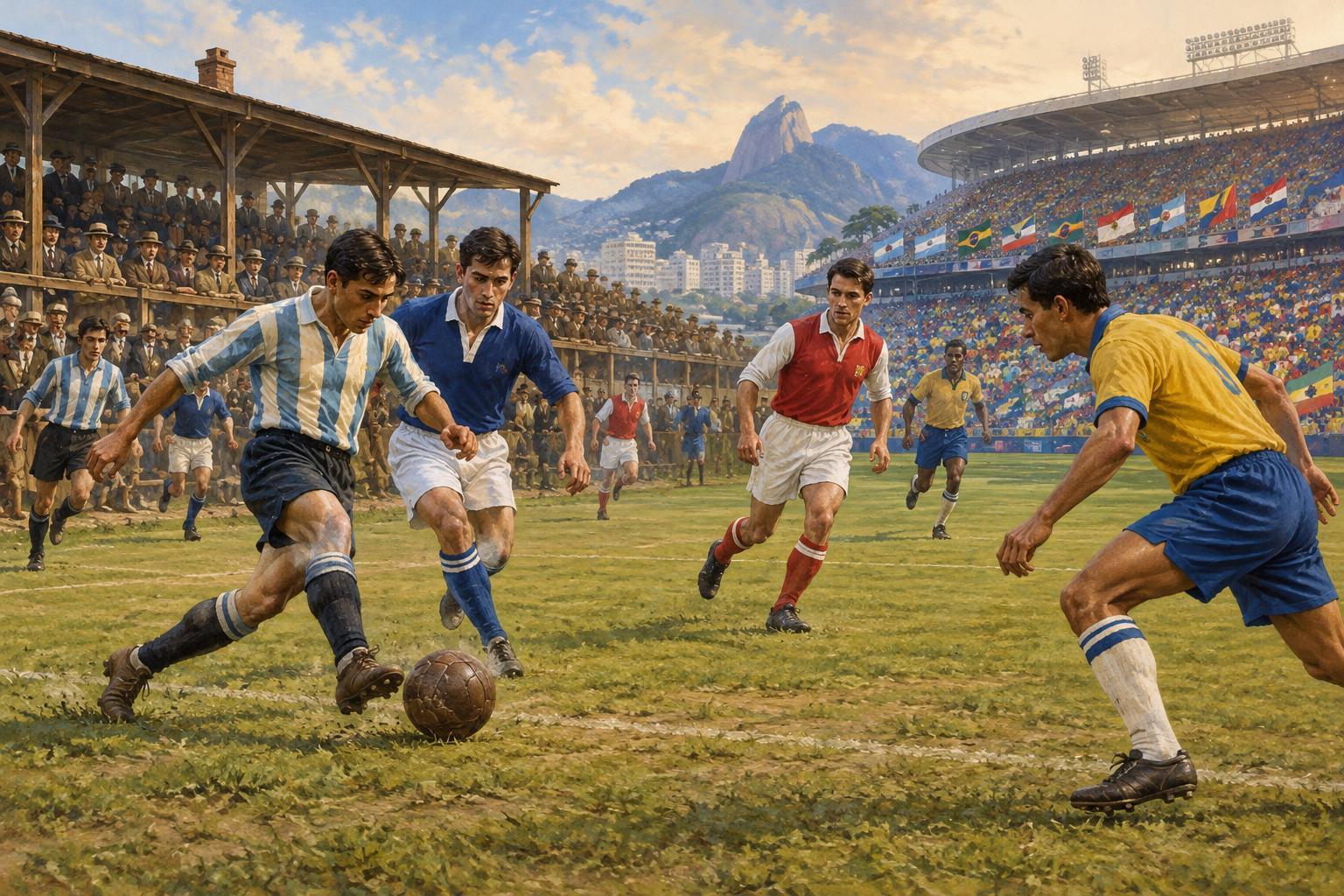
Football HistoryThe Copa América began as a four-team South American tournament in 1916. Its path to becoming a continental championship runs through the founding of CONMEBOL, an expanding field of national teams and changes to the competition’s format.
Read article · 3 min↗
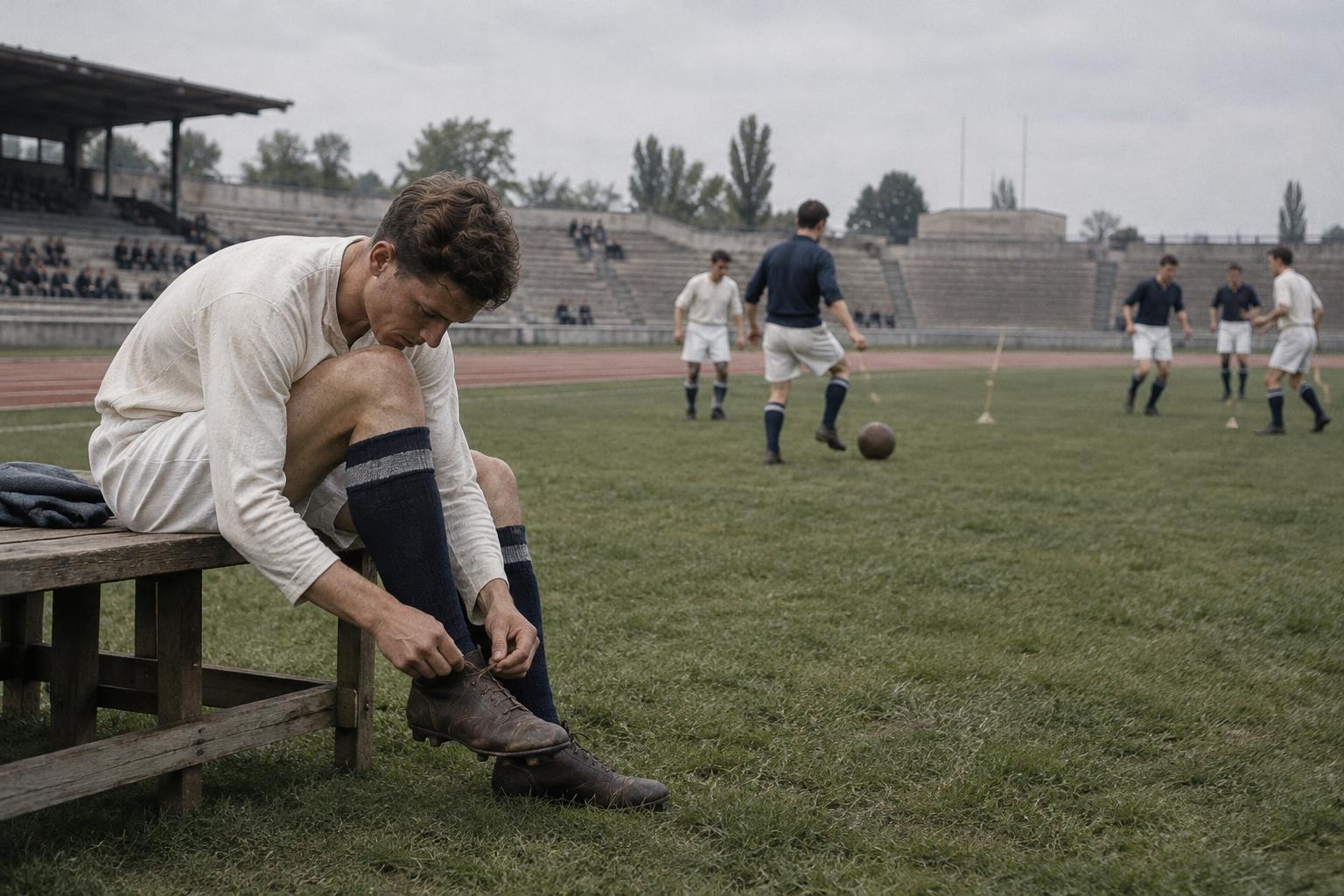
Football HistoryOlympic football was long defined by a question that sounds simple but proved difficult to answer: who counted as an amateur? Eligibility rules affected which players could take part, how nations built their teams, and why the tournament developed a different identity from the World Cup.
Read article · 4 min↗
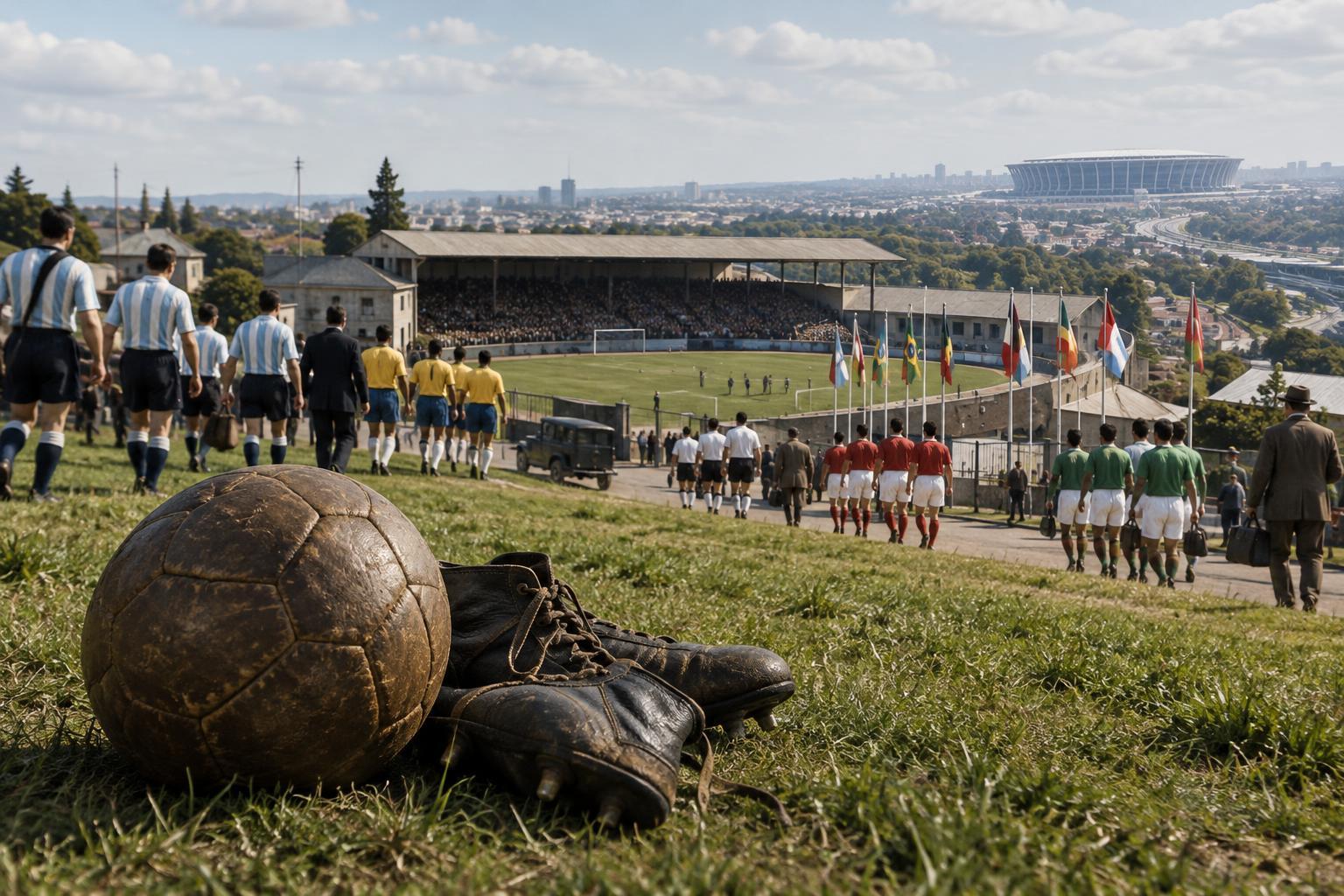
Football HistoryThe men’s FIFA World Cup began in 1930 as a small invitation tournament. Its growth into a global competition reflects changes in travel, qualification, football governance and the number of places available to teams from each region.
Read article · 4 min↗
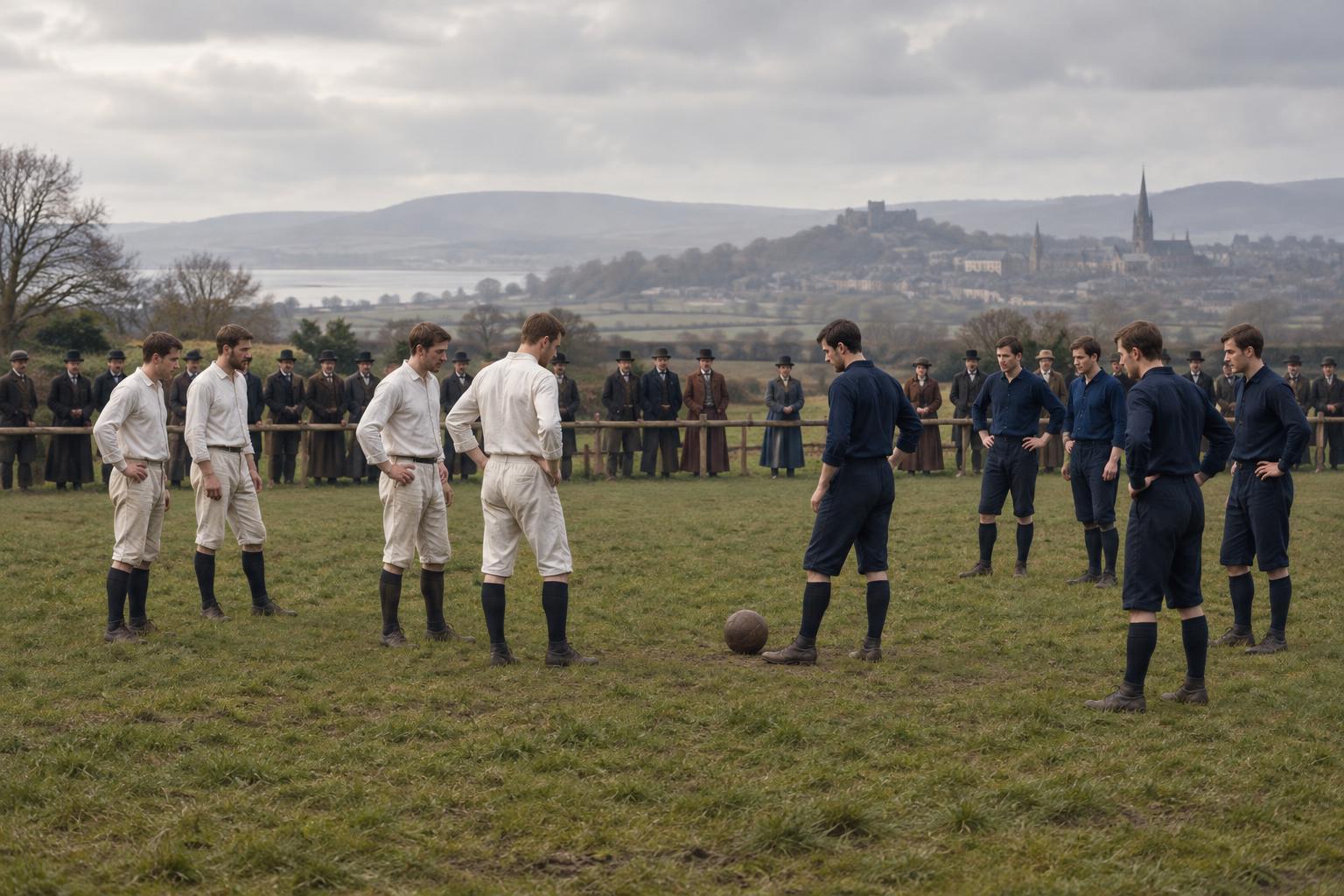
Football HistoryThe earliest England–Scotland matches turned a club-based game into a contest between representative sides. Their lasting influence lies not in one result, but in the habits they established: selecting teams, arranging return fixtures and treating national rivalry as part of football’s appeal.
Read article · 3 min↗
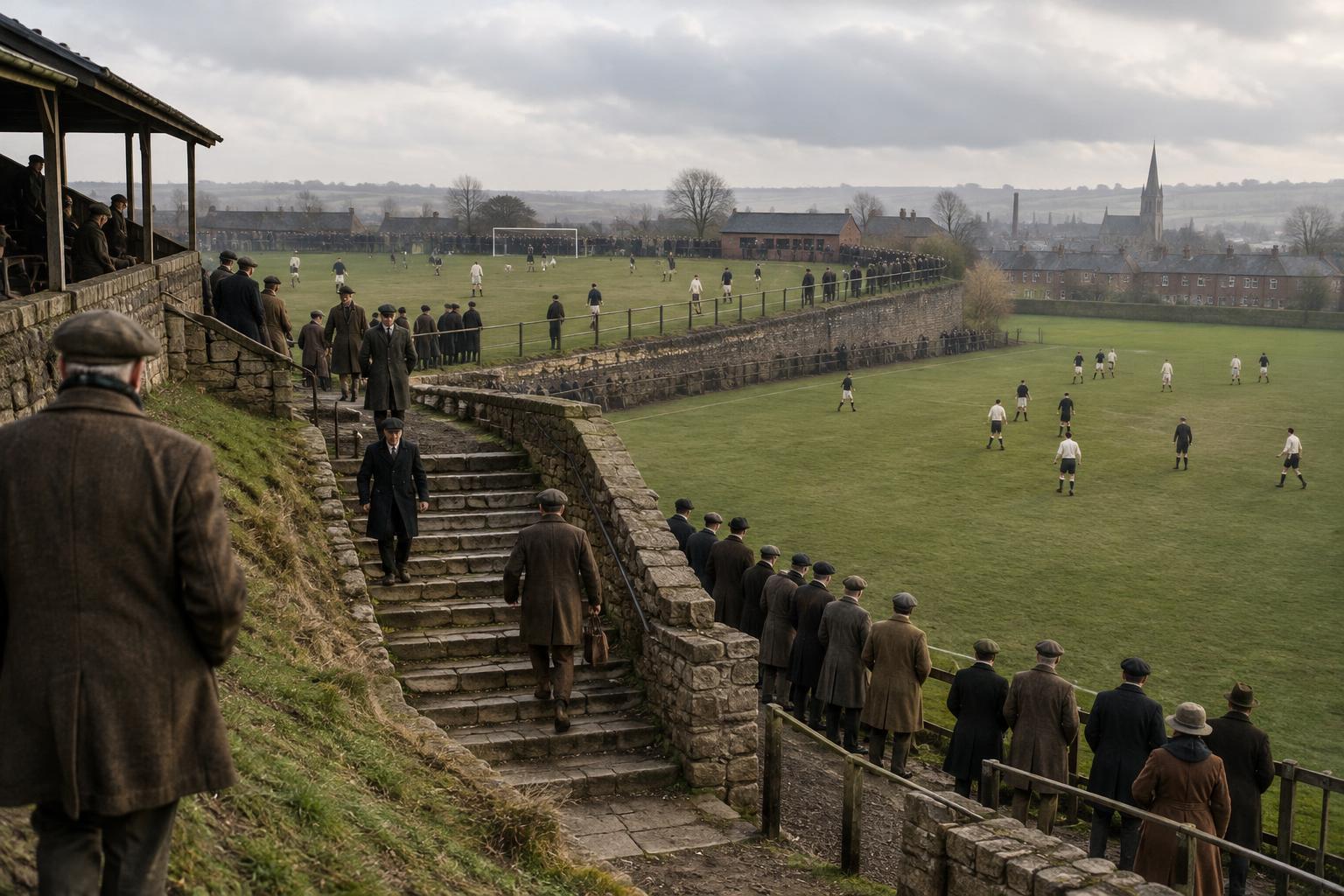
Football HistoryPromotion and relegation can feel inseparable from league football, but the earliest competitions did not have a ladder of divisions. As leagues grew, they developed ways to move clubs between levels. The result changed not only how competitions worked, but what supporters could hope for and fear each season.
Read article · 4 min↗
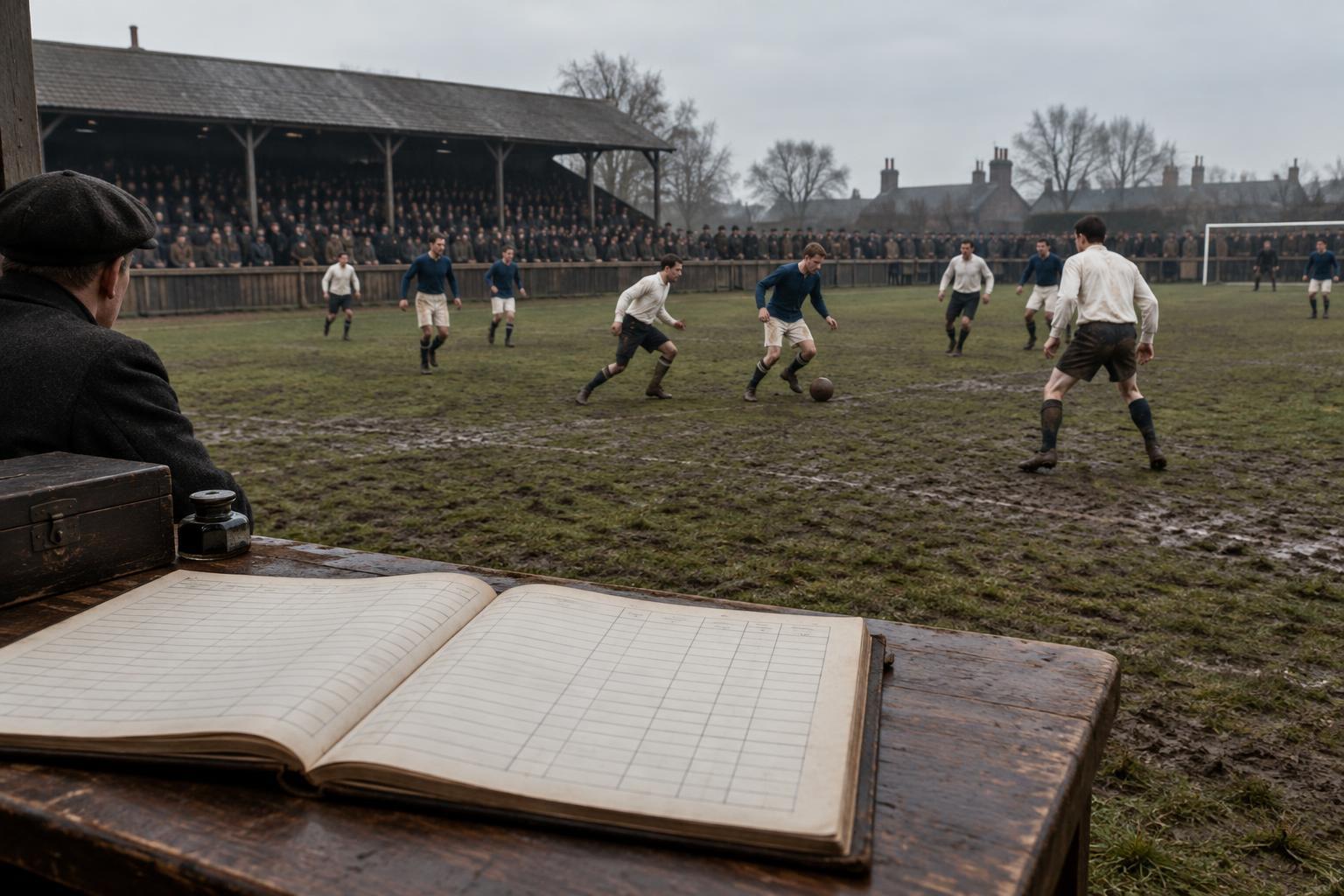
Football HistoryThe Football League’s first season gave clubs a shared schedule and a way to measure success across many matches. Its points table turned individual results into a season-long story, while goal average helped separate teams level on points.
Read article · 3 min↗
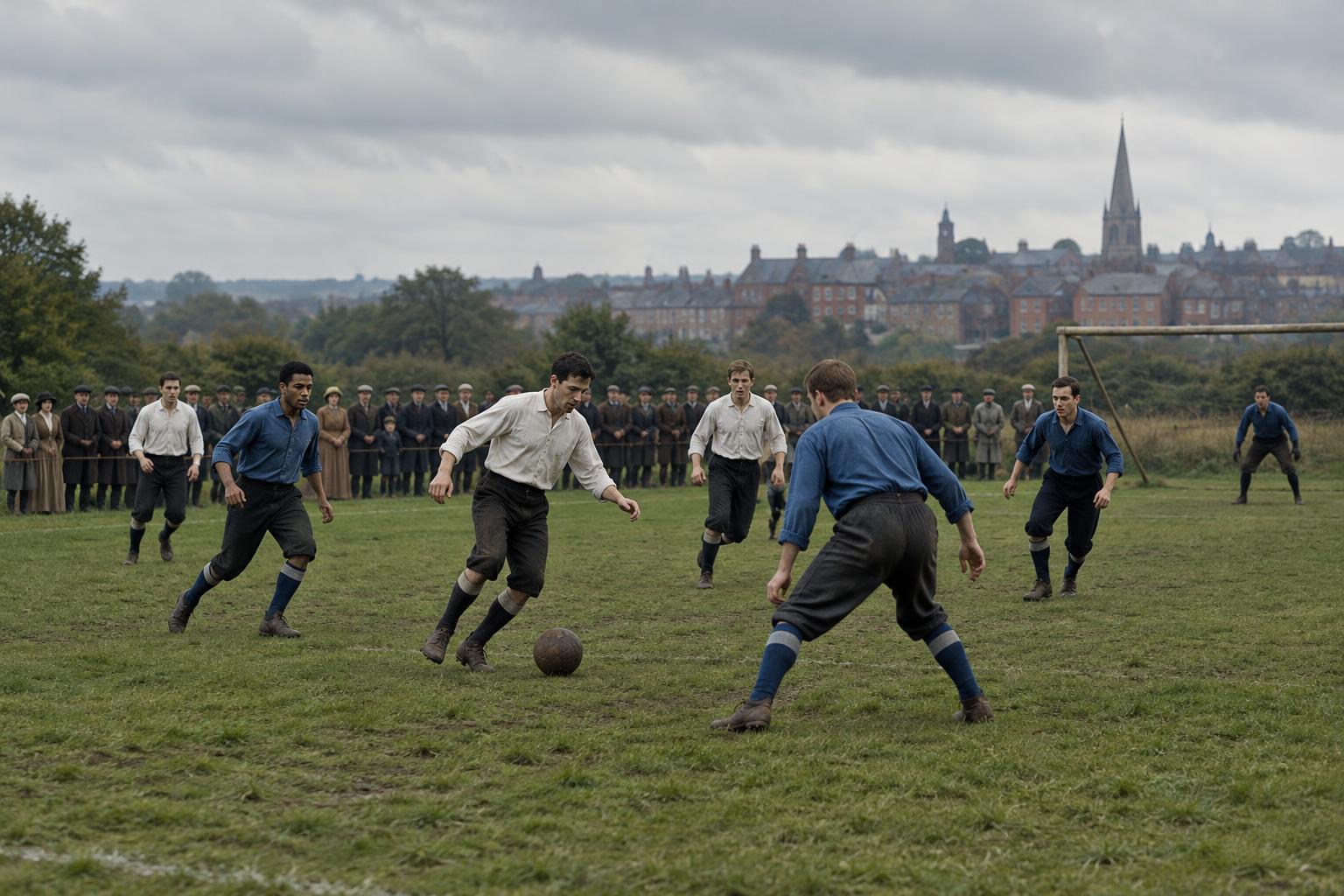
Football HistoryThe FA Cup did not invent the knockout tournament. But its early use of a shared rulebook, open entry and an elimination format showed how clubs from different places could compete for one prize. Its lasting influence lies in both that practical structure and the stories it makes possible.
Read article · 4 min↗
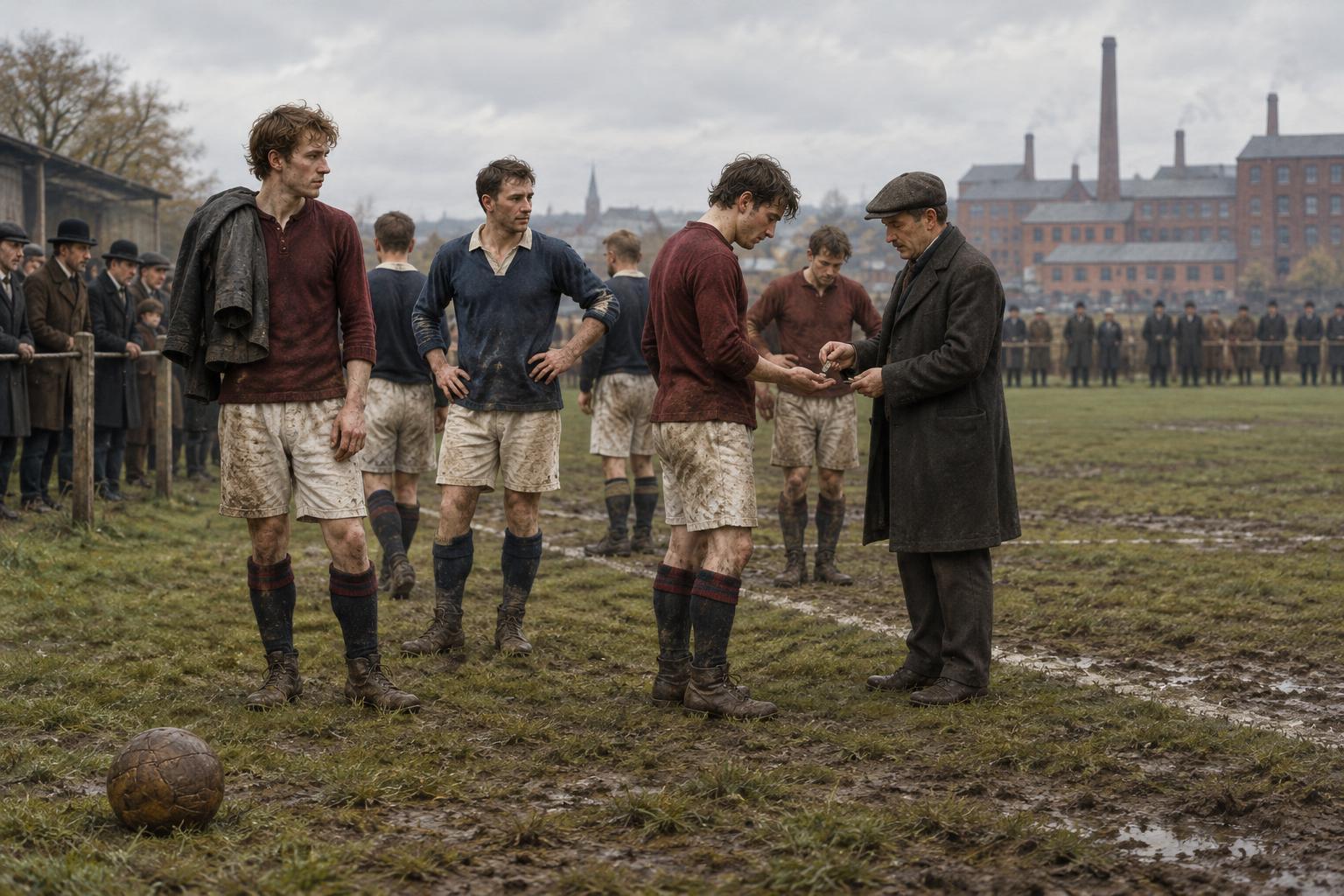
Football HistoryEarly football’s amateur ideal left little room for players who could not afford to miss work. In England, disputes over expenses and wages led to the acceptance of professional players in 1885, helping clubs build more regular teams and competitions.
Read article · 4 min↗
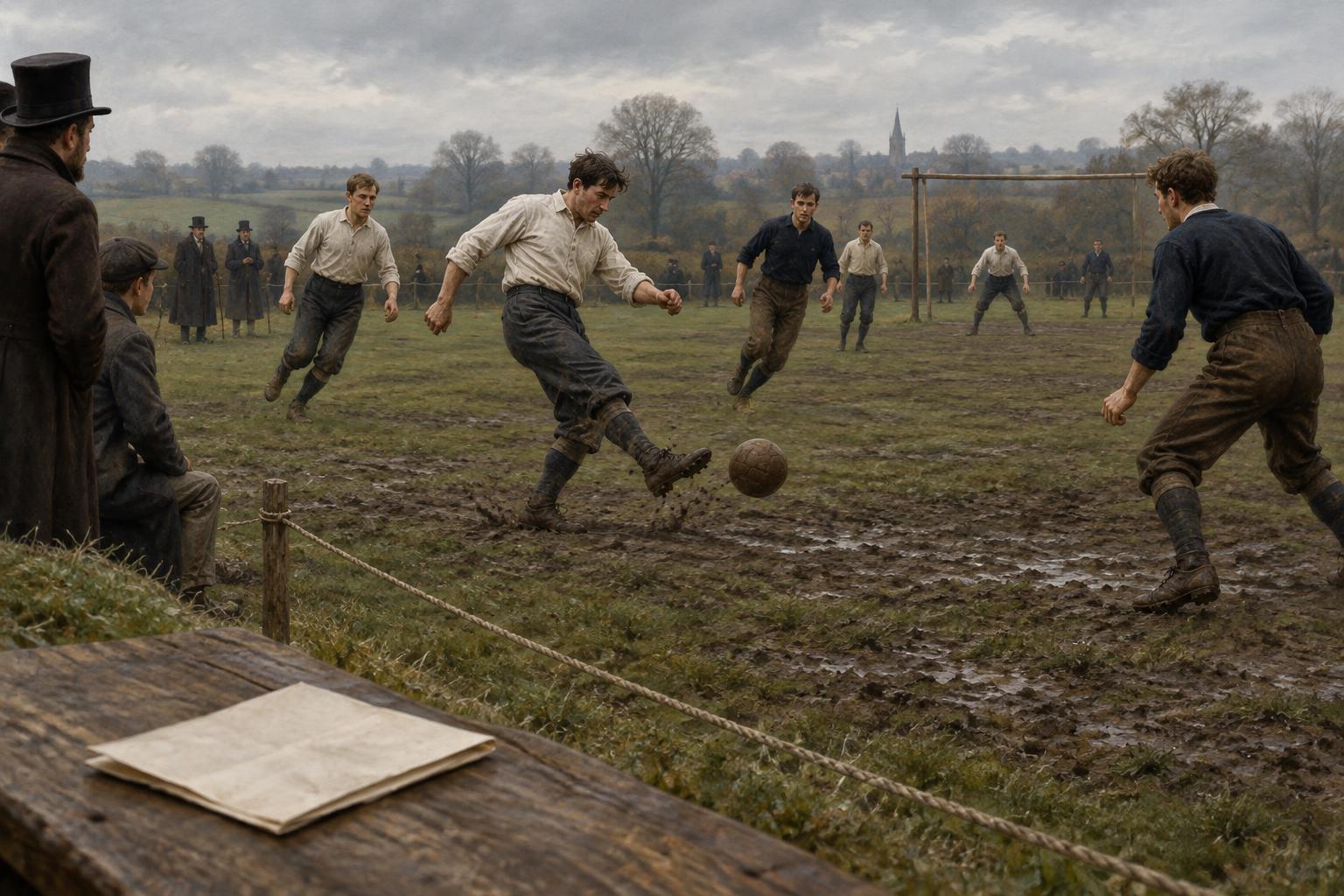
Football HistoryThe Football Association’s 1863 laws did not create football from nothing. They gave clubs a shared framework for a kicking game, while leaving room for rules such as offside, throw-ins and goalkeeping to change. Here is how that early agreement still shapes football.
Read article · 3 min↗